answrsnow
AI Infrastructure · Top 10

The 10 Best Data Versioning Tools for ML in 2027
By Kory White · Updated Oct 2026 · 6 min read
DVC
Direct answer

DVC is the best data versioning tool for ML: it versions data and models in your cloud storage, keeps version info in Git and is free under Apache-2.0. lakeFS is #2 for branching data lakes and Delta Lake is #3 for table time travel. Git LFS is the simplest option.

At a glance

#PickPriceBest for
1DVCFree/open source (Apache-2.0 license on GitHub)ML teams that already live in Git and want data versions tracked next to code
2lakeFSlakeFS Team is $499 per month (self-managed, up to 5 users and 500GB of data); Enterprise is custom pricingData lake teams that want Git-style branches and rollback on object storage
3Delta LakeFree/open source; Delta Lake describes itself as an open-source storage frameworkSpark and lakehouse teams that need table-level time travel for training data
4Apache IcebergFree/open source (Apache-2.0 license on GitHub)Teams that want snapshot-based table versions readable by many query engines
5PachydermFree/open source (Apache-2.0 license on GitHub); no hosted-product price is published on the repositoryKubernetes teams that want versioned data to trigger pipelines automatically
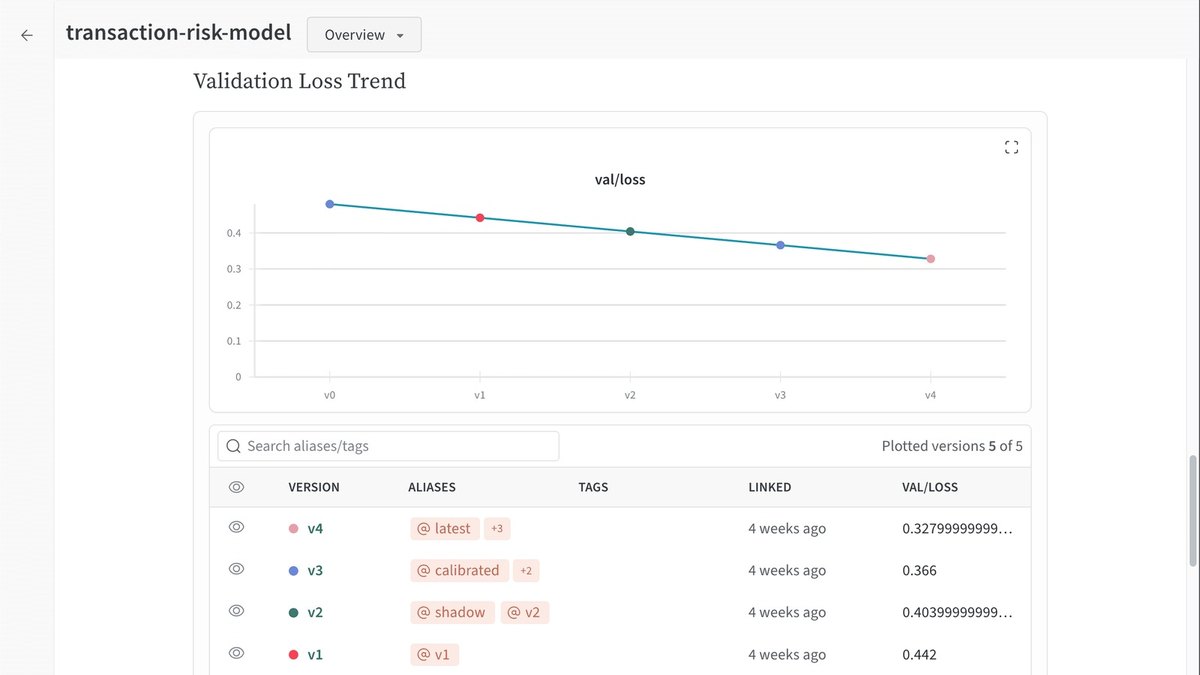
6Weights & Biases ArtifactsFree plan at $0 per month; Pro starts at $60 per month, billed monthlyTeams already tracking experiments in W&B who want datasets and models versioned in the same place
7DagsHubIndividual plan is $0 per user per month; Team is $99 per user per month billed yearly or $119 monthlySmall ML teams that want hosted data, code and experiment tracking in one place
8Git LFSFree/open source; git-lfs.com calls it an open source Git extension for versioning large filesTeams that only need large files kept out of normal Git history
9Hugging Face Hub DatasetsPRO is $9 per month per account; storage is $12 per TB per month for public repos and $18 for private repos at base volumeSharing and versioning datasets with a community or an organization
10Amazon S3 VersioningNo separate versioning price on the page; normal Amazon S3 rates apply for every version of an object stored and transferredTeams that already store training data in S3 and want a basic safety net

Pick by what you want

Best overall
DVC
Best for data lakes
lakeFS
Best table time travel
Delta Lake
Best for experiment tracking
Weights & Biases Artifacts
Simplest setup
Git LFS
Best for sharing datasets
Hugging Face Hub Datasets

The ranking

1

DVC

DVC
Answrs VerdictThe default Git-style data versioning tool for ML projects.
Price: Free/open source (Apache-2.0 license on GitHub)Approach: Versions data and models in your cloud storage while keeping version info in your Git repoPipelines: Runs lightweight pipelines that rerun only the steps affected by a changeExperiments: Tracks experiments in your local Git repo with no servers neededGitHub stars: 15.9k stars on the iterative/dvc repository, as shown on GitHub on 2026-10-20

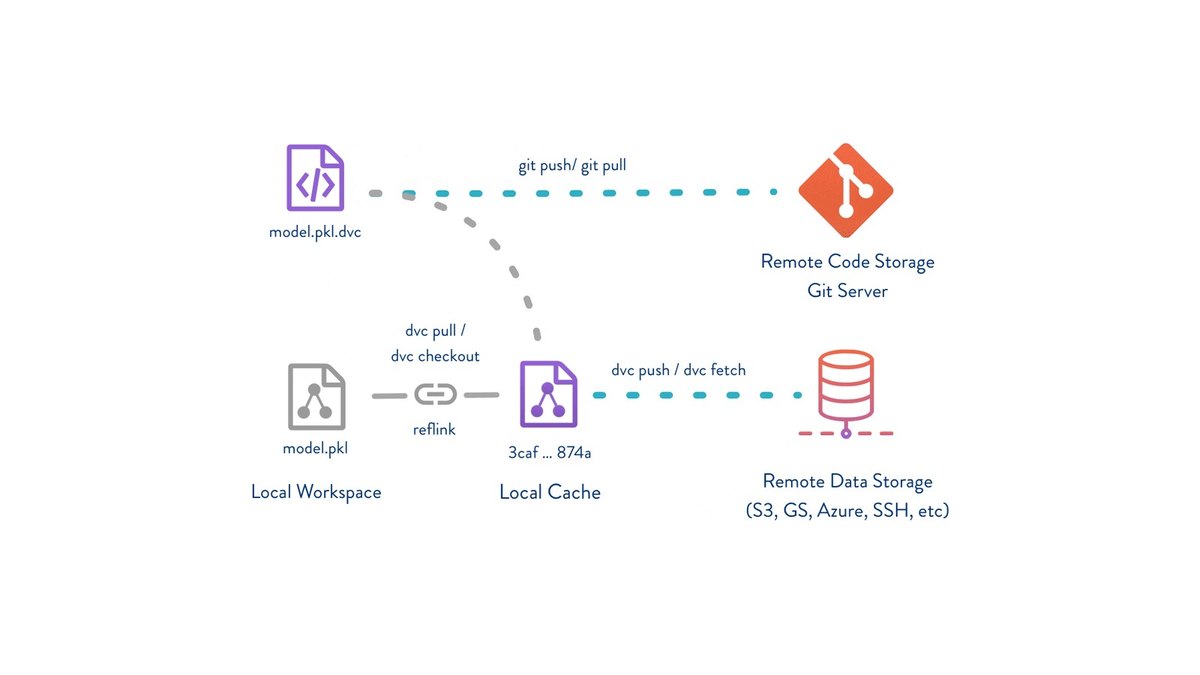
DVC is a command line tool and VS Code extension for reproducible machine learning projects. It versions data and models in your cloud storage while keeping version info in your Git repo, runs lightweight pipelines that rerun only affected steps, and tracks experiments in your local Git repo with no servers needed. It is free under the Apache-2.0 license, and its GitHub repository showed 15.9k stars on 2026-10-20. The site now brands it DVC by lakeFS.

Go ifML teams that already live in Git and want data versions tracked next to code
Skip ifYou need branching and merging across a whole data lake
Why #1 over #2: It needs no server, while lakeFS adds a service layer on top of your object storage.
2

lakeFS

lakeFS
Answrs VerdictBranches and rollbacks for whole data lakes.
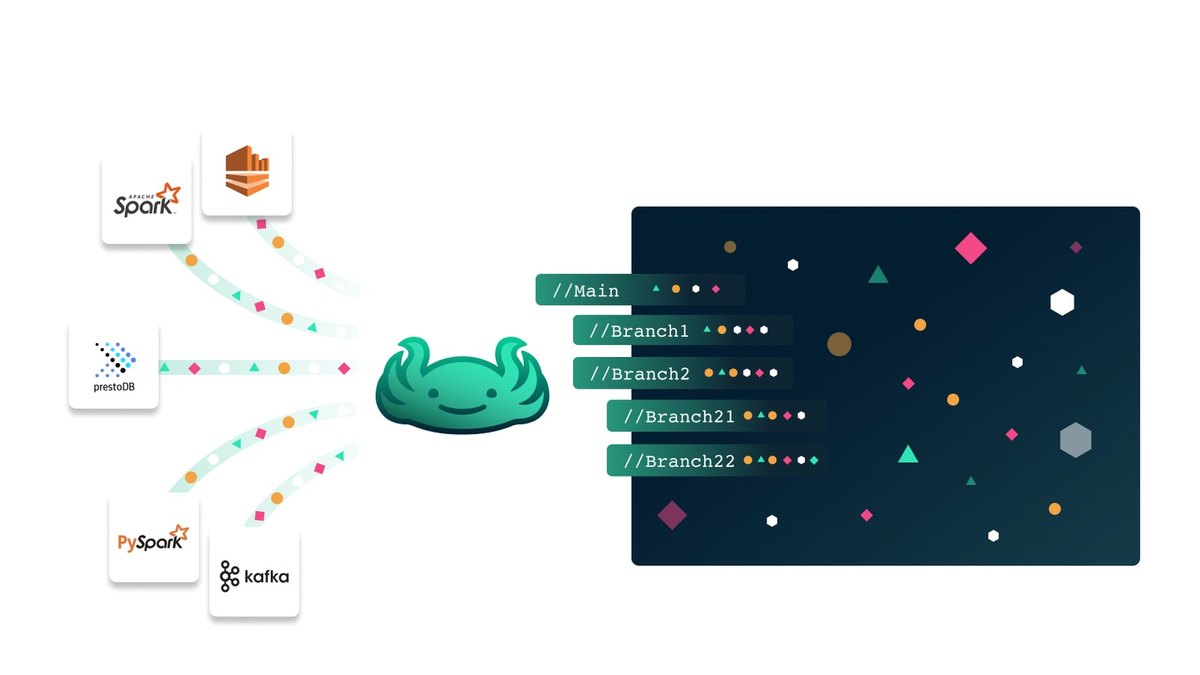
Price: lakeFS Team is $499 per month (self-managed, up to 5 users and 500GB of data); Enterprise is custom pricingApproach: Lets you create branches and get a copy of the full production data without copying anythingStorage: Works with AWS S3, Azure Blob Storage and Google Cloud Storage and is S3 API compatibleLicense: Business Source License 1.1, which converts to Apache License 2.0 four years after each release; source-available rather than open sourceGitHub stars: 5.6k stars on the treeverse/lakeFS repository, as shown on GitHub on 2026-10-20

lakeFS turns object storage into a Git-like repository: you create branches and get a copy of the full production data without copying anything, then roll back to a state from before an error. It works with AWS S3, Azure Blob Storage and Google Cloud Storage. The Team plan is $499 per month for up to 5 users and 500GB of data, and the license is Business Source License 1.1, which is source-available rather than open source. The repository showed 5.6k stars on 2026-10-20.

Go ifData lake teams that want Git-style branches and rollback on object storage
Skip ifYou need an OSI-approved open source license
Why #2 over #3: It branches entire data lakes, which Delta Lake does not describe doing across storage.
3

Delta Lake

Delta Lake
Answrs VerdictTable versioning with built-in time travel.
Price: Free/open source; Delta Lake describes itself as an open-source storage frameworkTime travel: Query an older snapshot with VERSION AS OF or TIMESTAMP AS OFRetention: You can time travel up to 30 days old by default, unless you run VACUUM or change retention settingsGovernance: An independent project not controlled by any single company, under Linux Foundation Projects

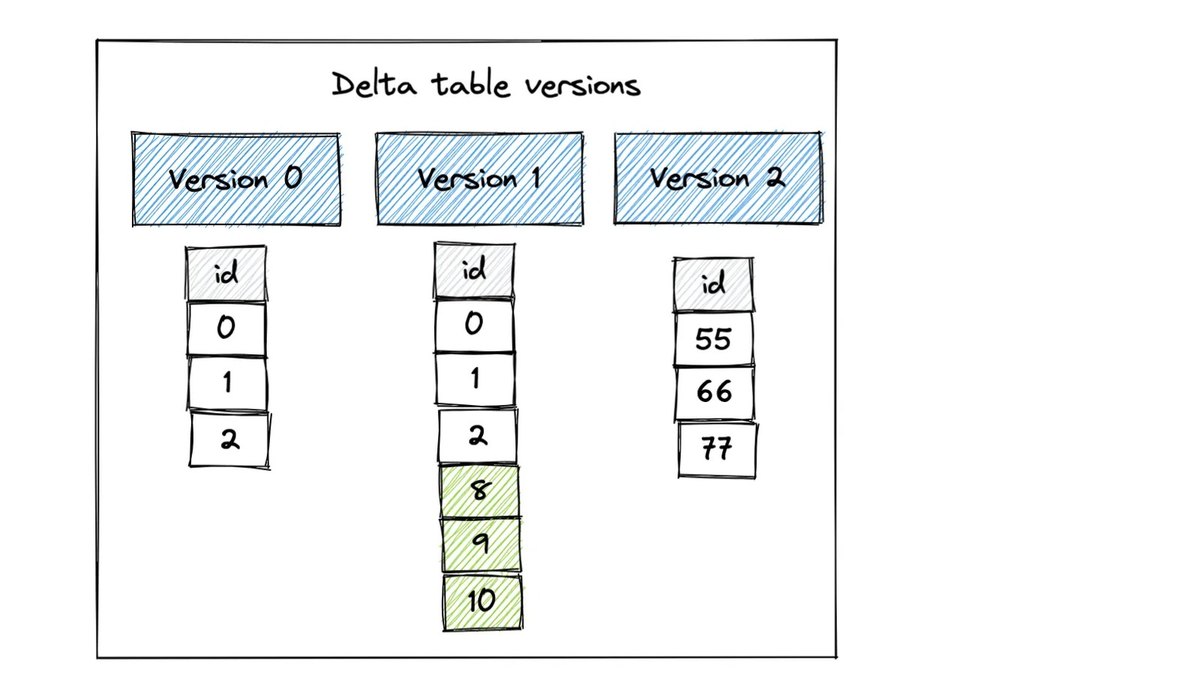
Delta Lake is an open-source storage framework from an independent project under Linux Foundation Projects. Its time travel lets you query an older snapshot with VERSION AS OF or TIMESTAMP AS OF, and by default you can go up to 30 days back unless you run VACUUM or change retention settings. It works with engines including Spark, Trino, Flink and Snowflake.

Go ifSpark and lakehouse teams that need table-level time travel for training data
Skip ifYou version files and models rather than tables
Why #3 over #4: It publishes a default retention window of 30 days, which Iceberg overview page does not state.
4

Apache Iceberg

Apache Iceberg
Answrs VerdictAn engine-neutral table format with snapshots and rollback.
Price: Free/open source (Apache-2.0 license on GitHub)Time travel: Time travel gives reproducible queries that use exactly the same table snapshotRollback: Version rollback lets users quickly correct problems by resetting a table to an earlier good stateEngines: Spark, Trino, Flink, Presto, Hive and Impala can work on the same tables at the same timeGitHub stars: 9.4k stars on the apache/iceberg repository, as shown on GitHub on 2026-10-20

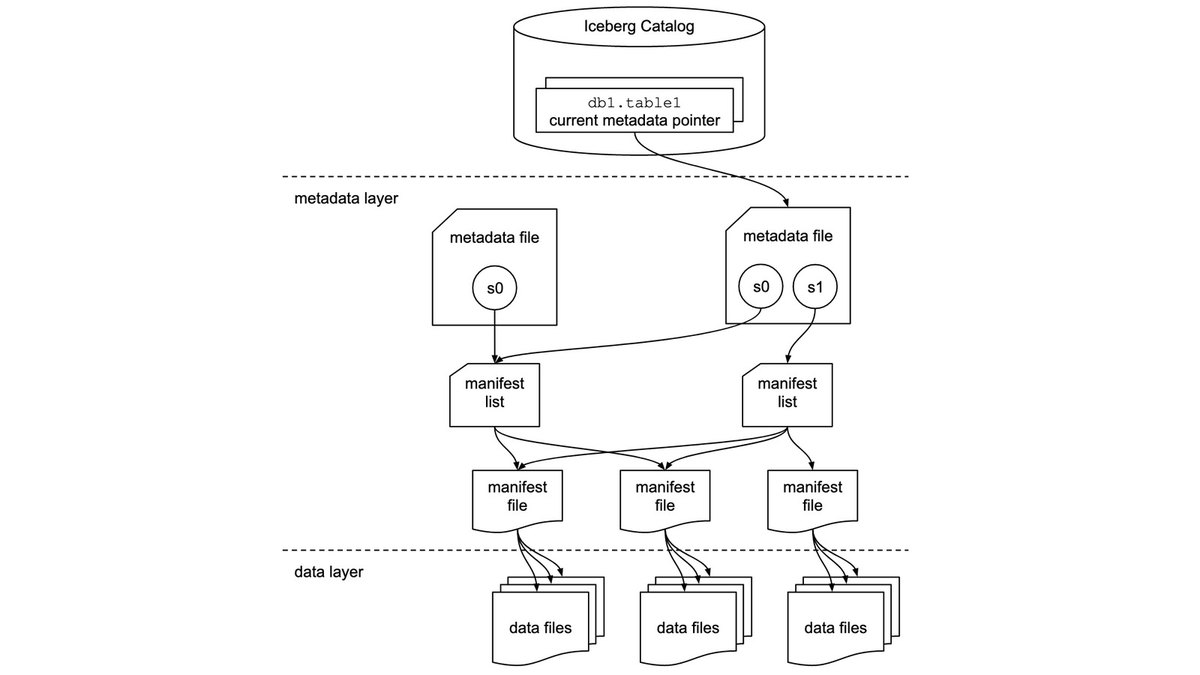
Apache Iceberg is a high-performance format for huge analytic tables. Time travel gives reproducible queries that use exactly the same table snapshot, and version rollback lets users quickly correct problems. Spark, Trino, Flink, Presto, Hive and Impala can work on the same tables at once. It is Apache-2.0 licensed and showed 9.4k GitHub stars on 2026-10-20.

Go ifTeams that want snapshot-based table versions readable by many query engines
Skip ifYou need a simple CLI for versioning files next to code
Why #4 over #5: It is readable by more query engines at once than the Git-based tools above it.
5

Pachyderm

Pachyderm
Answrs VerdictVersioned data that drives automatic pipelines.
Price: Free/open source (Apache-2.0 license on GitHub); no hosted-product price is published on the repositoryLineage: Immutable data lineage with data versioning of any data typePipelines: Pipelines trigger automatically when data changes are detected, running on Kubernetes with autoscaling and parallel executionStorage: Data is stored in standard object stores with automatic deduplicationGitHub stars: 6.3k stars on the pachyderm/pachyderm repository, as shown on GitHub on 2026-10-20

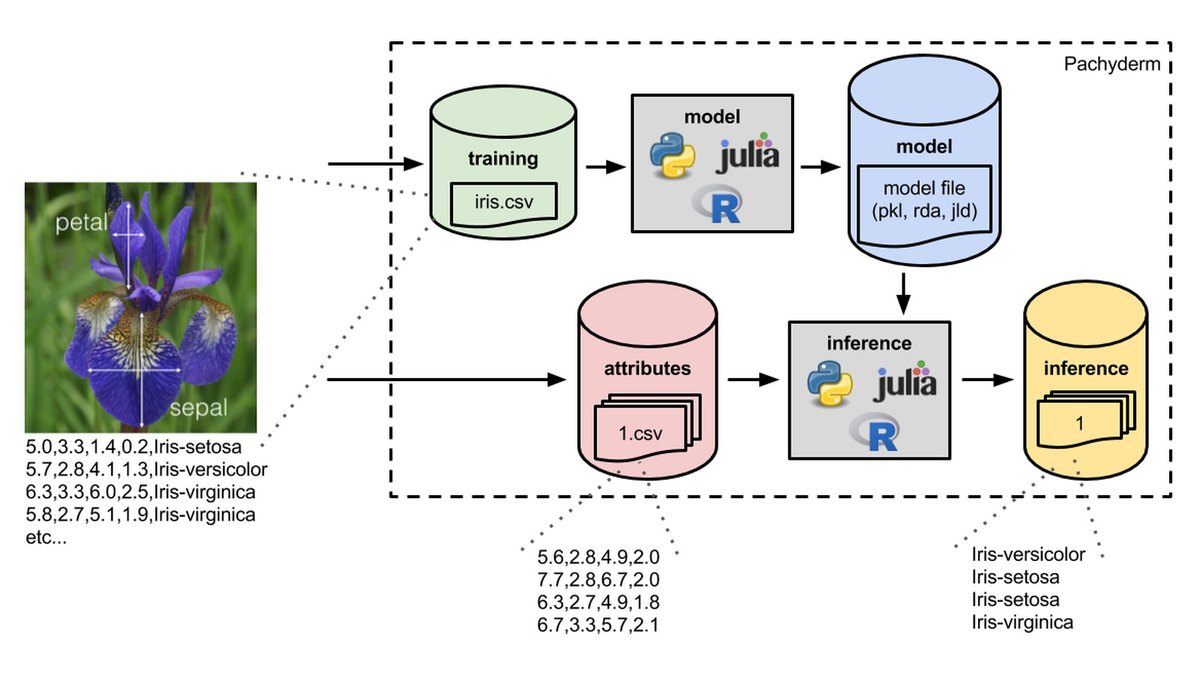
Pachyderm describes itself as data-centric pipelines and data versioning, with immutable data lineage for any data type. Data sits in standard object stores with automatic deduplication, and pipelines trigger automatically when data changes are detected, running on Kubernetes with autoscaling. The repository is Apache-2.0 licensed and showed 6.3k stars on 2026-10-20.

Go ifKubernetes teams that want versioned data to trigger pipelines automatically
Skip ifYou do not run Kubernetes
Why #5 over #6: It triggers pipelines from data changes, which Weights & Biases Artifacts does not describe doing.
6

Weights & Biases Artifacts

Weights & Biases Artifacts
Answrs VerdictDataset and model versions tied to experiment runs.
Price: Free plan at $0 per month; Pro starts at $60 per month, billed monthlyIncluded: Dataset and model versioning (Artifacts) is included on Free, Pro and EnterpriseStorage: Free includes 5 GB per month of storage and Pro includes 100 GB per monthLineage: Artifacts record what goes into and comes out of a run, such as a dataset in and a trained model out

Artifacts is the dataset and model versioning feature in Weights & Biases, now hosted by CoreWeave. It records what goes into and comes out of a run, such as a dataset in and a trained model out. It is included on Free, Pro and Enterprise plans: Free is $0 per month with 5 GB per month of storage, and Pro starts at $60 per month with 100 GB per month.

Go ifTeams already tracking experiments in W&B who want datasets and models versioned in the same place
Skip ifYou need to run everything on your own storage with no hosted service
Why #6 over #7: It ties each version to the experiment run that used it, which DagsHub pricing page does not describe.
7

DagsHub

DagsHub
Answrs VerdictA hosted hub for versioned ML data and experiments.
Price: Individual plan is $0 per user per month; Team is $99 per user per month billed yearly or $119 monthlyTeam limits: Team allows up to 10 team members and up to 1TB of data or up to 2 million filesIndividual limits: Individual includes unlimited public repositories and up to 2 collaborators in private projectsEnterprise: Enterprise is a custom quote with petabyte-scale data management and VPC or air-gapped installation

DagsHub is a hosted platform for ML data, code and experiments. The Individual plan is $0 per user per month with unlimited public repositories, and Team is $99 per user per month billed yearly or $119 monthly, with up to 10 team members and up to 1TB of data or up to 2 million files. Enterprise is a custom quote with petabyte-scale data management and VPC or air-gapped installation.

Go ifSmall ML teams that want hosted data, code and experiment tracking in one place
Skip ifYou need a self-contained open source tool with no hosted plan
Why #7 over #8: It publishes a Team price and file limits, which lakeFS does not for its Enterprise plan.
8

Git LFS

Git LFS
Answrs VerdictThe simplest way to keep big files in Git.
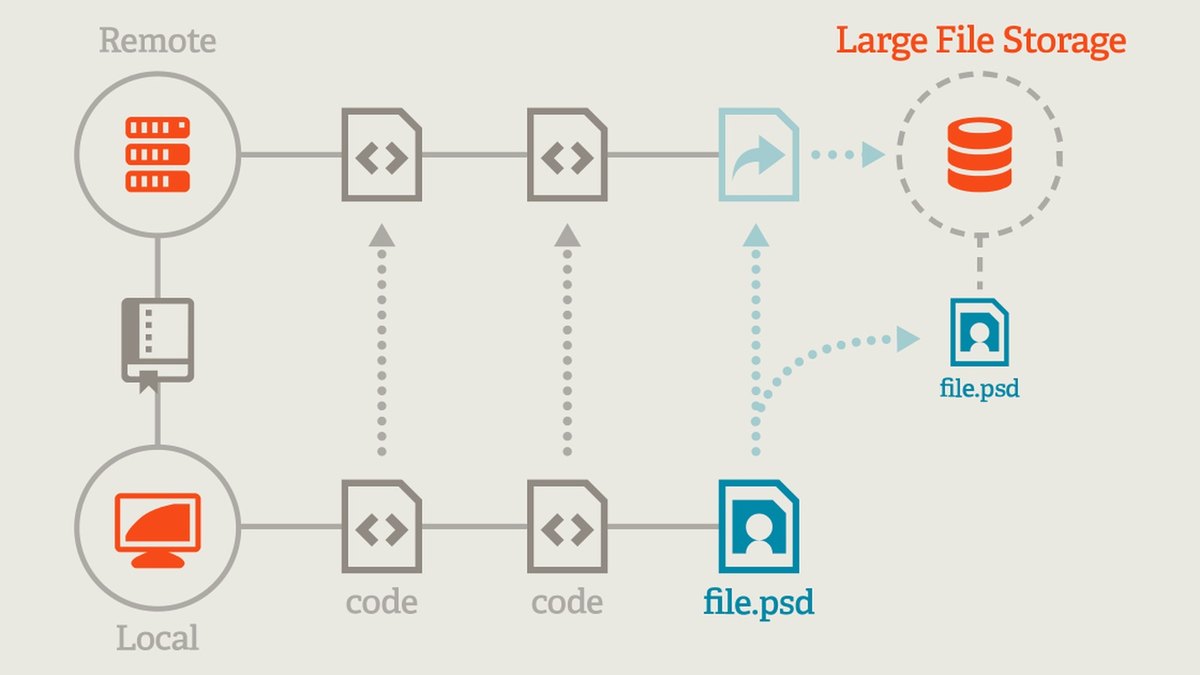
Price: Free/open source; git-lfs.com calls it an open source Git extension for versioning large filesHow it works: Stores small text pointers in the repository while file contents sit on a remote host such as GitHub.comSetup: Run git lfs install once, then git lfs track for the file types to manage; the page says there is no step threeGitHub stars: 14.6k stars on the git-lfs/git-lfs repository, as shown on GitHub on 2026-10-20

Git LFS is an open source Git extension for versioning large files. It keeps large files out of your Git history by storing small text pointers in the repository, with the contents on a remote host such as GitHub.com. Setup is git lfs install once, then git lfs track for the file types to manage. Its repository showed 14.6k stars on 2026-10-20.

Go ifTeams that only need large files kept out of normal Git history
Skip ifYou need pipelines, experiments or dataset-level lineage
Why #8 over #9: It is simpler than S3 Versioning to wire into a normal Git workflow.
9

Hugging Face Hub Datasets

Hugging Face Hub Datasets
Answrs VerdictGit-based dataset repos with a built-in viewer.
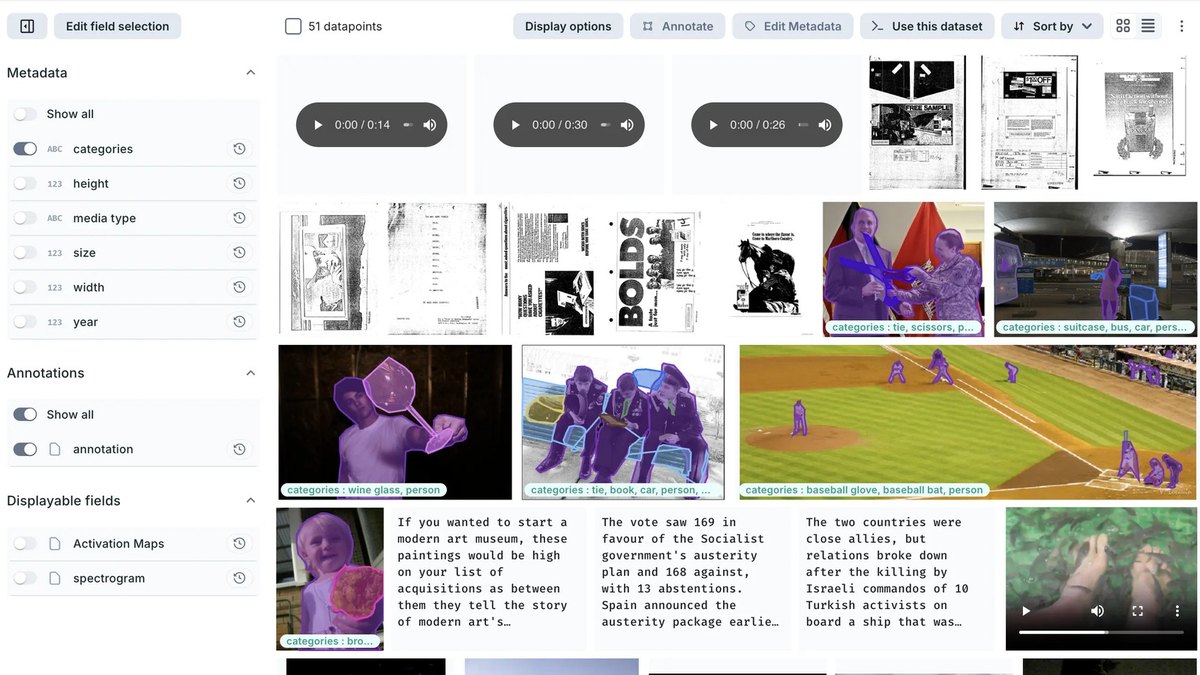
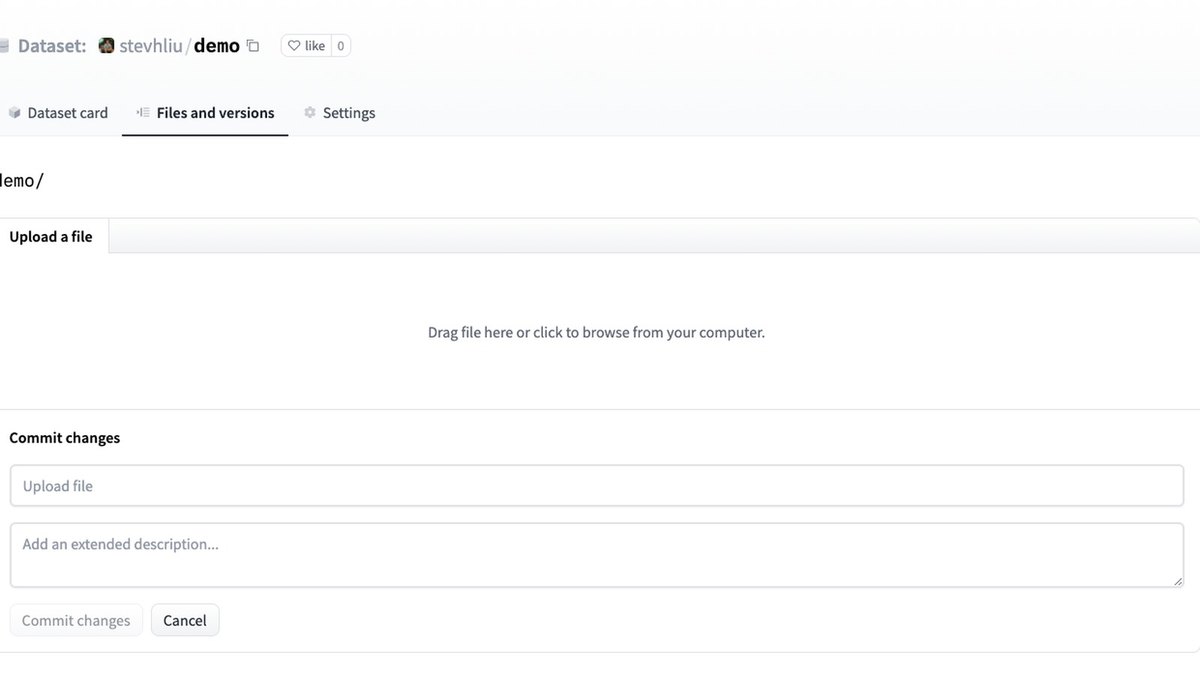
Price: PRO is $9 per month per account; storage is $12 per TB per month for public repos and $18 for private repos at base volumeVersioning: Each dataset is a Git repository containing the data needed to generate splits for training, evaluation and testingPrivacy: Datasets can be toggled between private and public through the Settings tabViewer: Many datasets include a Dataset Viewer that shows the data on the dataset page

On the Hugging Face Hub every dataset is a Git repository holding the data needed to generate training, evaluation and testing splits, and many include a Dataset Viewer. Visibility can be toggled between private and public in Settings. PRO is $9 per month per account, and storage is $12 per TB per month for public repos and $18 for private repos at base volume.

Go ifSharing and versioning datasets with a community or an organization
Skip ifYou need pipeline or branch-level data lake workflows
Why #9 over #10: It gives you a hosted viewer and sharing, which plain S3 Versioning does not.
10

Amazon S3 Versioning

Amazon S3 Versioning
Answrs VerdictObject-level versions with no ML tooling on top.
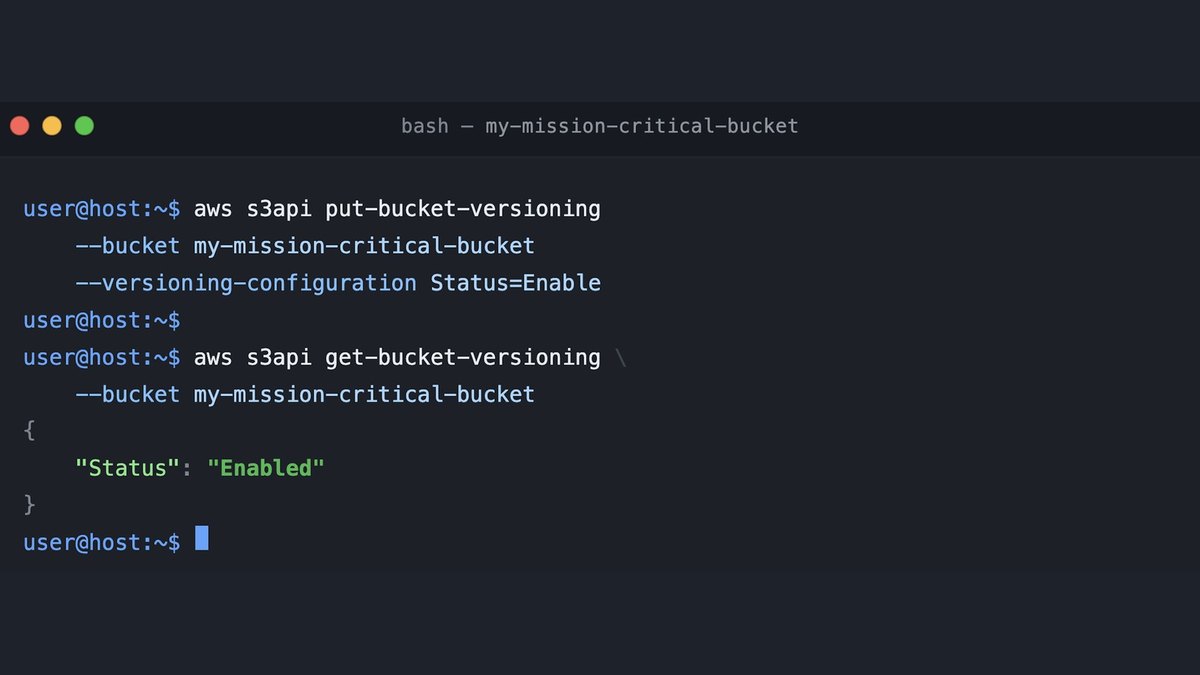
Price: No separate versioning price on the page; normal Amazon S3 rates apply for every version of an object stored and transferredBehavior: Keeps multiple variants of an object in the same bucket so you can preserve, retrieve and restore every versionCost: Each version is the entire object, not a diff, so three stored versions are charged as three objectsDefault: Versioning is disabled on buckets by default and you must explicitly enable it

Amazon S3 Versioning keeps multiple variants of an object in the same bucket so you can preserve, retrieve and restore every version. It is disabled by default and must be explicitly enabled. There is no separate versioning price on the page, but normal S3 rates apply to every version, and each version is the entire object rather than a diff.

Go ifTeams that already store training data in S3 and want a basic safety net
Skip ifYou need to track which dataset version trained which model

How we ranked these

We ranked tools by how directly each versions ML data and models, how its own pages describe reproducibility and rollback, and whether it has a published price or open source license, using only each project own pages. The old list was kept in full. Facts are taken from each maker's own published information; check the official site before you buy.

Questions people ask

What is the best data versioning tool for ML?

DVC is our top pick: it versions data and models in your cloud storage while keeping version info in your Git repo, and it is free under the Apache-2.0 license. lakeFS is #2 for branching whole data lakes and Delta Lake is #3 for table time travel.

Which of these tools are free?

DVC, Delta Lake, Apache Iceberg, Pachyderm and Git LFS are free/open source. Weights & Biases has a $0 Free plan and DagsHub has a $0 Individual plan. lakeFS publishes a Team price of $499 per month and uses a source-available license.

Is lakeFS open source?

lakeFS uses the Business Source License 1.1, which each release converts to Apache License 2.0 four years after release. That is source-available rather than open source, and its pricing page lists a Team plan at $499 per month.

How long does Delta Lake keep old versions?

By default you can time travel up to 30 days old, unless you run VACUUM or change retention settings.

GitHub stars in thousands, as shown on each project repository on 2026-10-20 (tools without a single main repository not shown) at a glance

lakeFS5.6 k stars
Pachyderm6.3 k stars
Apache Iceberg9.4 k stars
Git LFS14.6 k stars
DVC15.9 k stars
GitHub stars in thousands, as shown on each project repository on 2026-10-20 (tools without a single main repository not shown), as published by each maker. Picks without a published figure are left off.

Official sites

Sources

Prices, specs and availability change; confirm on the official site before you buy.