The 10 Best LLM Routing and Load Balancing Tools in 2027
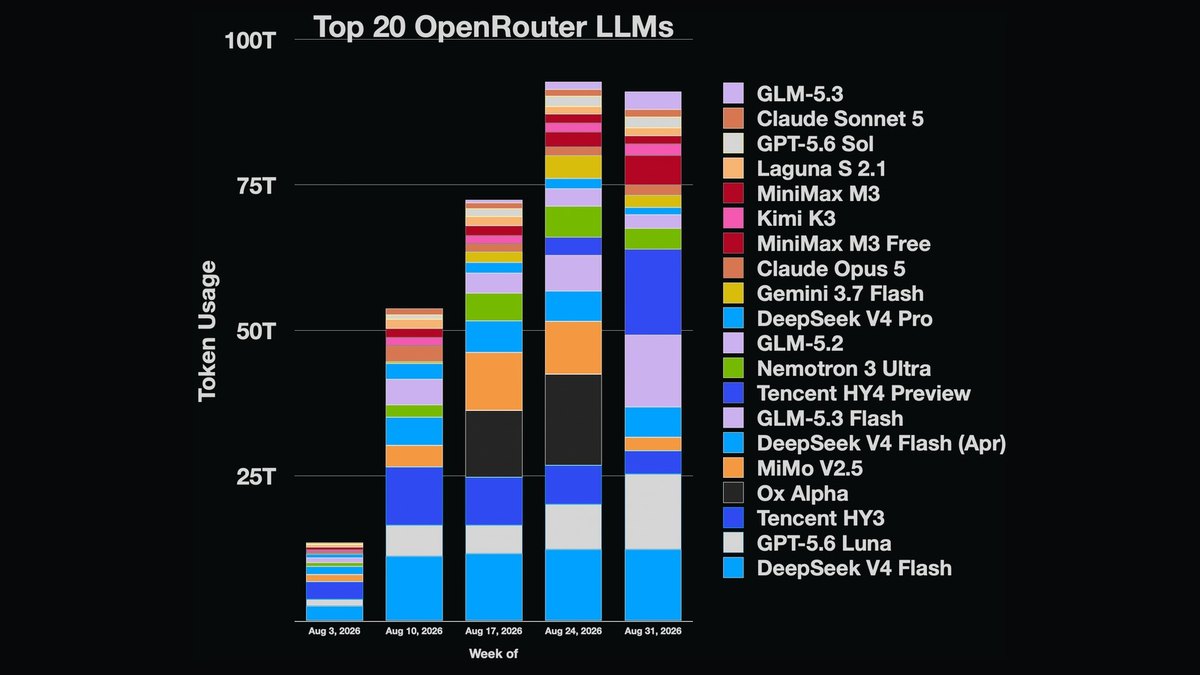
OpenRouter is the best LLM routing tool: one API for 600+ active models on 80+ providers that routes each request on price, throughput, latency and reliability, with fallbacks on by default. LiteLLM is #2 as the most flexible open-source router, and Portkey is #3. Vercel AI Gateway is the no-markup pick.
At a glance
| # | Pick | Routing | Best for |
|---|---|---|---|
| 1 | OpenRouter Provider Routing | By default routes each request on each provider’s measured price, throughput, latency and reliability; you can instead sort by "price", "throughput" or "latency" | One API key that routes across many providers with automatic price, speed and uptime choices |
| 2 | LiteLLM Router | Weighted pick (default), rate-limit aware, latency-based, least-busy, lowest cost and custom routing strategies across deployments | Teams that want a self-hosted, open-source router with many strategies |
| 3 | Portkey AI Gateway | Weighted load balancing, fallbacks and conditional routing on request metadata or parameters, composable in one config | Rule-based routing (paid users, model aliases) on top of weights and fallbacks |
| 4 | Vercel AI Gateway | Routes a model across healthy providers with ordered provider and model fallbacks, and records every routing attempt | Teams that want managed failover with zero token markup |
| 5 | Cloudflare AI Gateway | Dynamic routing flows with conditional, percentage, model, rate limit and budget limit nodes that switch to a fallback when a quota is exceeded | Visual routing flows, A/B splits and per-user budgets at no base cost |
| 6 | Kong AI Gateway | Round-robin, consistent-hashing, least-connections, lowest-latency, lowest-usage, semantic and priority load balancing algorithms | Platform teams already running Kong who want the most balancing algorithms |
| 7 | Amazon Bedrock Intelligent Prompt Routing | Predicts the response quality of each model for each request and routes to the best one within the same model family | Bedrock users who want quality-based routing between a big and small model |
| 8 | Not Diamond | Predicts which model to use for each prompt, with pre-trained routers or custom routers trained on your data | Coding-agent teams that want per-prompt model choice on top of a gateway |
| 9 | Helicone AI Gateway | Model-based latency routing and provider latency-based P2C + PeakEWMA, aware of provider uptime and rate limits | Teams that want routing plus Helicone’s cost and request logging |
| 10 | RouteLLM | Routes each query between a strong and a weak model using a cost threshold; routers include mf, sw_ranking, bert, causal_llm and random | Researchers and teams who want to train and test their own two-model router |
Pick by what you want
The ranking
OpenRouter Provider Routing
OpenRouter puts 600+ active models on 80+ providers behind one API. By default it routes each request on each provider’s measured price, throughput, latency and reliability, and you can override that with a sort by "price", "throughput" or "latency". Fallbacks are on by default, the models parameter tries backup models, and the Auto Router picks a model per prompt. The Standard plan carries a 5.5% platform fee.
LiteLLM Router
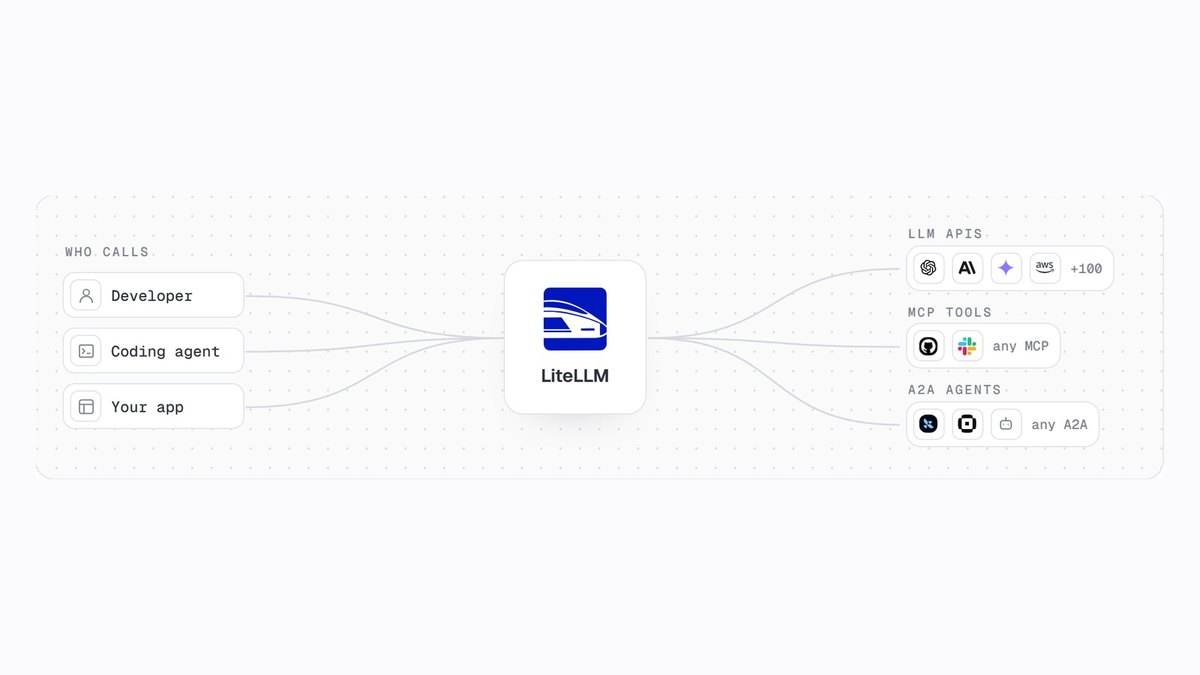
LiteLLM gives one OpenAI-format interface to 100+ LLMs and a router with weighted pick (the default), rate-limit aware, latency-based, least-busy and lowest cost strategies. Fallbacks move to another model group after retries, with separate context window and content policy fallbacks. The code is MIT licensed outside its enterprise/ directory; Enterprise is custom pricing with a 30-day trial key.
Portkey AI Gateway
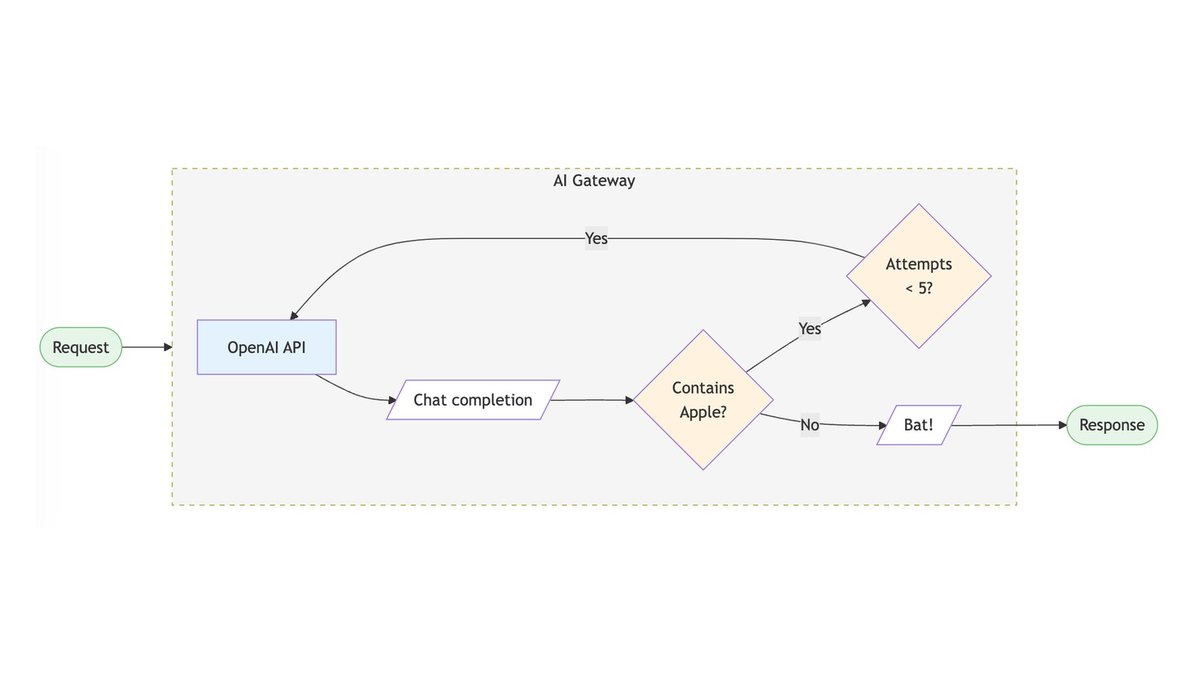
Portkey’s gateway combines weighted load balancing, fallbacks and conditional routing on metadata or request parameters in one config. The open-source gateway is MIT licensed and routes to 1,600+ models. The Developer plan is free with 10k recorded logs per month and Production is $49/month. Portkey’s docs say it is now Prisma AIRS AI Gateway.
Vercel AI Gateway
Vercel AI Gateway reaches 400+ models through one key and routes a model across healthy providers with ordered provider and model fallbacks, logging every attempt. Vercel says it charges no markup and no platform fee on tokens, including when you bring your own key, and you can set budgets per team, project, key or member.
Cloudflare AI Gateway
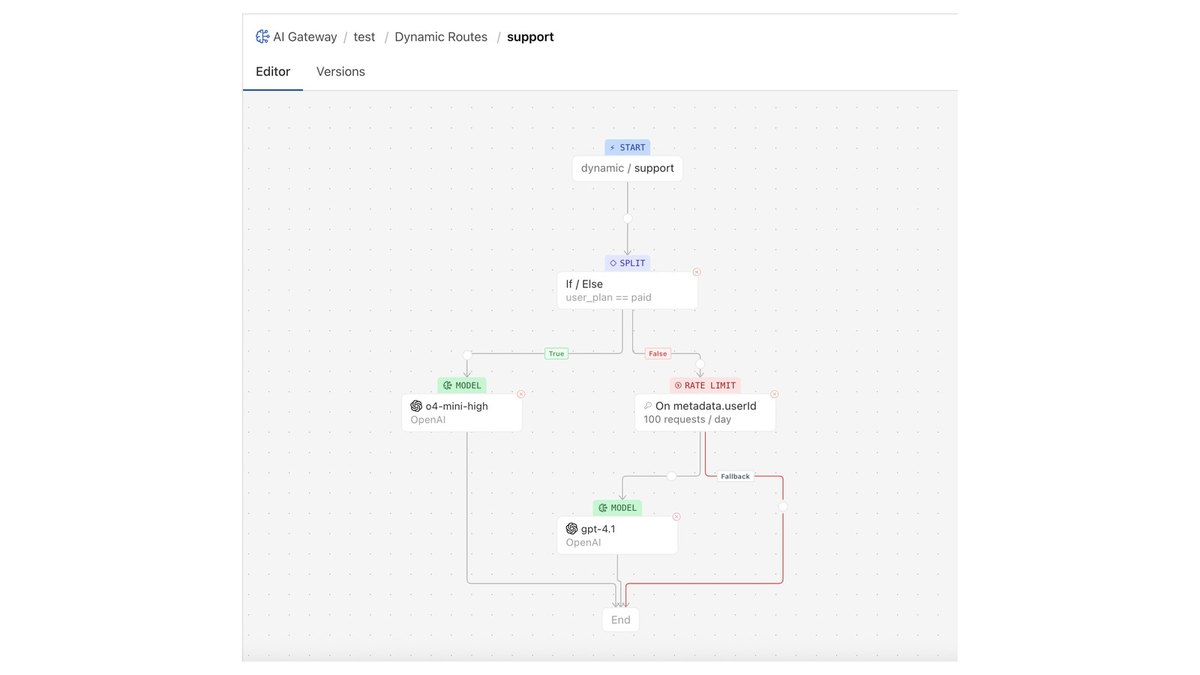
Cloudflare AI Gateway builds dynamic routes from conditional, percentage, model, rate limit and budget limit nodes, so you can split traffic for A/B tests or send paid users to a different model and fall back when a quota runs out. Core features are free on all plans; a 5% fee applies to credits bought through Unified Billing. Dynamic routing is marked Beta.
Kong AI Gateway
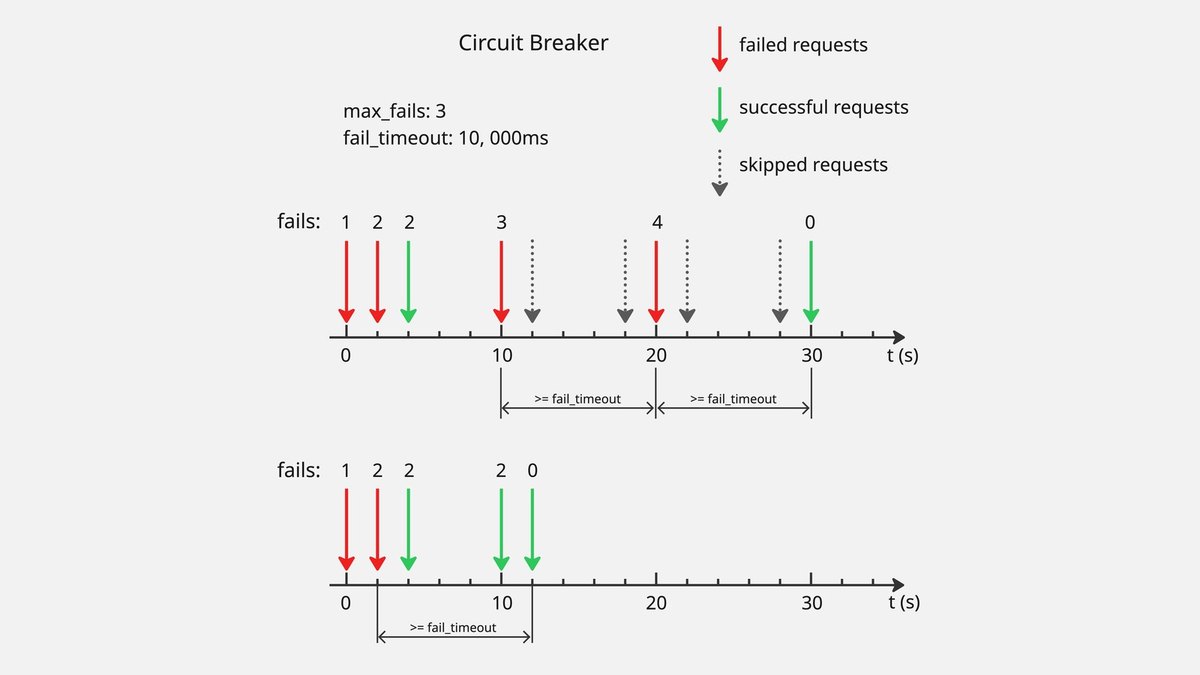
Kong’s AI Proxy Advanced plugin has the widest set of balancing algorithms here: round-robin, consistent-hashing, least-connections, lowest-latency, lowest-usage, semantic and priority. It supports retries, timeouts and failover across mixed providers from v3.10. It is only available in the AI Gateway Enterprise offering, and no price is published on the plugin page.
Amazon Bedrock Intelligent Prompt Routing
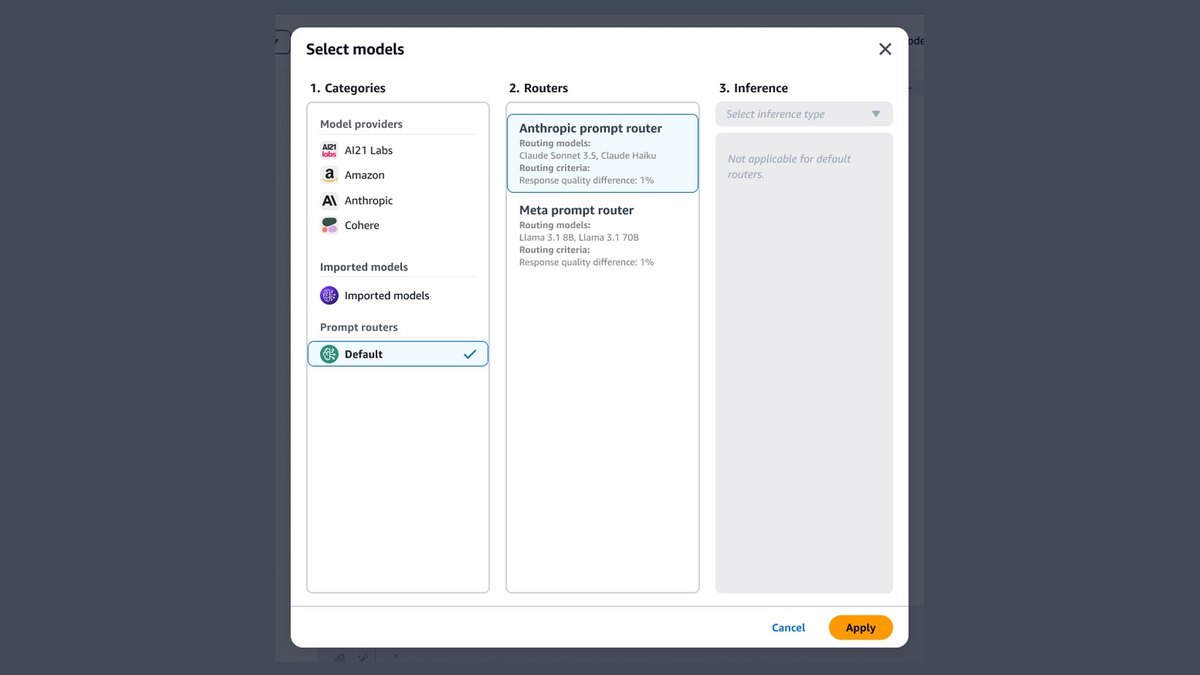
Amazon Bedrock Intelligent Prompt Routing predicts the response quality of each model per request and routes within one family: Anthropic, Meta Llama or Amazon Nova. You pick a fallback model and a response quality difference that decides when to switch. AWS says it can reduce costs by up to 30%, but it is only optimized for English prompts.
Not Diamond

Not Diamond predicts which model to use for each prompt, using pre-trained routers or custom ones trained on your data. It costs $0.05 per million tokens routed on pay-as-you-go and adds an average of 100-150ms per request. It says teams save at least 20-40%, and it is not a gateway: it plugs into the one you already run.
Helicone AI Gateway
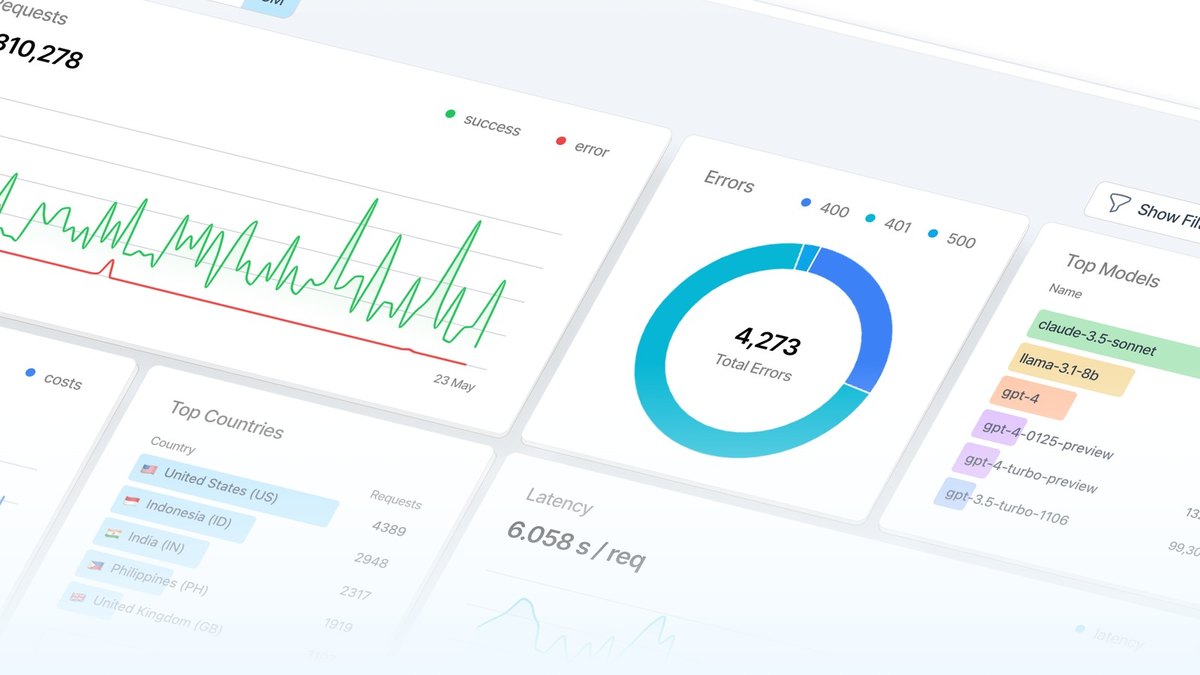
Helicone AI Gateway offers one OpenAI-compatible API for 100+ LLM providers with automatic failover and credits at 0% markup. Its self-hosted Rust gateway, under GPL-3.0, adds model-based latency routing and P2C + PeakEWMA provider routing, and its README lists P95 latency under 5ms.
RouteLLM
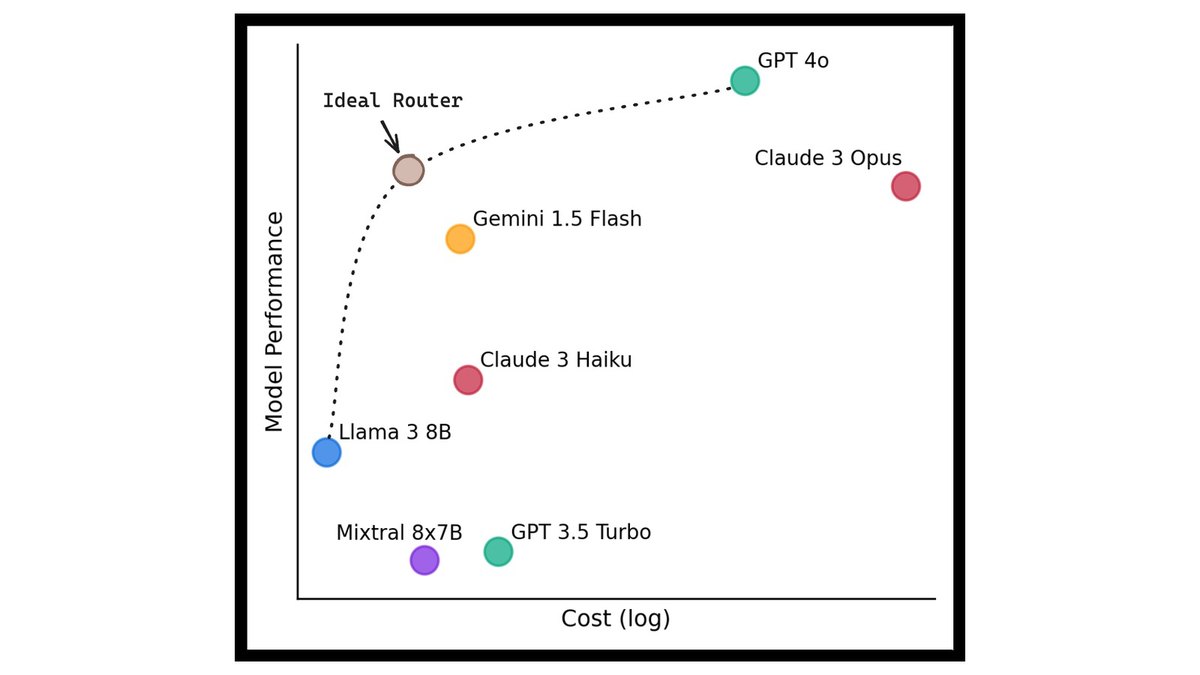
RouteLLM, from LMSYS, routes each query between a strong and a weak model using a cost threshold, with mf, sw_ranking, bert, causal_llm and random routers. It runs as a drop-in OpenAI client or an OpenAI-compatible server under Apache-2.0, and reports cutting costs by up to 85% while keeping 95% GPT-4 performance on MT Bench.
How we ranked these
Questions people ask
What is the best LLM router in 2027?
OpenRouter is our top pick: it reaches 600+ active models on 80+ providers and by default routes each request on measured price, throughput, latency and reliability, with fallbacks on by default. LiteLLM is #2 as the most flexible open-source router, and Portkey is #3.
What is the difference between an LLM gateway and a model router?
A gateway such as LiteLLM, Portkey or Kong sits in front of providers and handles load balancing, retries and fallbacks. A model router such as Not Diamond predicts which model to use for each prompt; Not Diamond says it is not a gateway and integrates with your existing one.
Which LLM routing tools are open source?
LiteLLM (MIT outside its enterprise/ directory), the Portkey gateway (MIT), Helicone’s self-hosted Rust gateway (GPL-3.0) and RouteLLM (Apache-2.0). OpenRouter, Vercel, Cloudflare and Bedrock are managed services, and Kong’s AI Proxy Advanced is Enterprise only.
Which LLM gateways charge no markup on tokens?
Vercel AI Gateway says it charges no markup and no platform fee on tokens, and Helicone offers credits with 0% markup. OpenRouter charges a 5.5% platform fee on Standard, and Cloudflare adds a 5% fee on Unified Billing credits.
Models each tool says it can route to, using the vendor’s own “+” figure (Cloudflare, Kong, Bedrock, Not Diamond and RouteLLM publish no single count) at a glance
Official sites
- OpenRouter Provider Routing · openrouter.ai
- LiteLLM Router · docs.litellm.ai
- Portkey AI Gateway · portkey.ai
- Vercel AI Gateway · vercel.com
- Cloudflare AI Gateway · developers.cloudflare.com
- Kong AI Gateway · developer.konghq.com
- Amazon Bedrock Intelligent Prompt Routing · aws.amazon.com
- Not Diamond · notdiamond.ai
- Helicone AI Gateway · docs.helicone.ai
- RouteLLM · github.com
Sources
- openrouter.ai
- openrouter.ai
- openrouter.ai
- openrouter.ai
- docs.litellm.ai
- docs.litellm.ai
- github.com
- litellm.ai
- portkey.ai
- portkey.ai
- portkey.ai
- portkey.ai
- github.com
- vercel.com
- vercel.com
- developers.cloudflare.com
- developers.cloudflare.com
- docs.aws.amazon.com
- aws.amazon.com
- docs.notdiamond.ai
- github.com
Prices, specs and availability change; confirm on the official site before you buy.