Top 10 Carnivorous Freshwater Fish for Large Tanks (200+ Gallons) in 2027
By Kory White · Updated Nov 2026 · 5 min read
Direct answer
The Oscar (Astronotus ocellatus) is first: FishBase lists its maximum length at 45.7 cm TL, the shortest of the ten, and it is not named on the federal, Florida or Texas lists we checked. The Jaguar Guapote (55.0 cm TL) is #2 and the Saddled Bichir (65.5 cm SL) is #3. Asian arowana and snakeheads are illegal and not listed.
Keepers who want a US-native predator and accept the longest recorded size here
Pick by what you want
Shortest maximum length
Oscar (Astronotus ocellatus)
Cichlid predator
Wolf Cichlid (Parachromis dovii)
Arowana that is not the banned Asian one
Silver Arowana (Osteoglossum bicirrhosum)
US-native predator
Bowfin (Amia calva)
Heaviest published weight
Redtail Catfish (Phractocephalus hemioliopterus)
The ranking
1
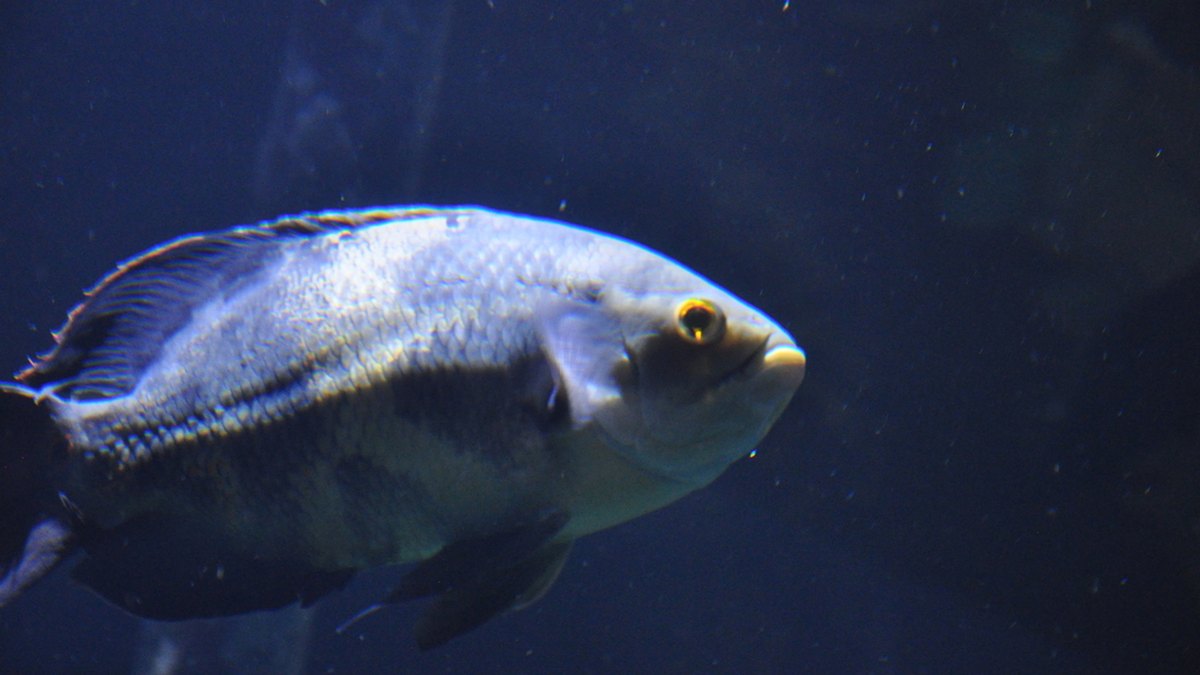
Oscar (Astronotus ocellatus)
Answrs VerdictThe shortest maximum length of the ten.
Max length (FishBase): 45.7 cm TL (FishBase, accessed 2026-11-08)Native range: South America: western Amazon and Orinoco basinsDiet: Feeds on small fish, crayfish, worms and insect larvaeFlorida FWC lists: Not named on the prohibited or conditional species lists (accessed 2026-11-08)Texas TPWD list: Not named on the 2023 prohibited exotic species list
FishBase lists the Oscar at a maximum length of 45.7 cm TL, from the western Amazon and Orinoco basins, feeding on small fish, crayfish, worms and insect larvae. It is not named on the Florida or Texas lists.
Go ifKeepers who want the shortest recorded maximum length on this list
Skip ifYou want a fish with a longer recorded maximum than 45.7 cm TL
Why #1 over #2: Its 45.7 cm TL maximum is shorter than the Jaguar Guapote's 55.0 cm TL, and both pass the same legal lists.
2
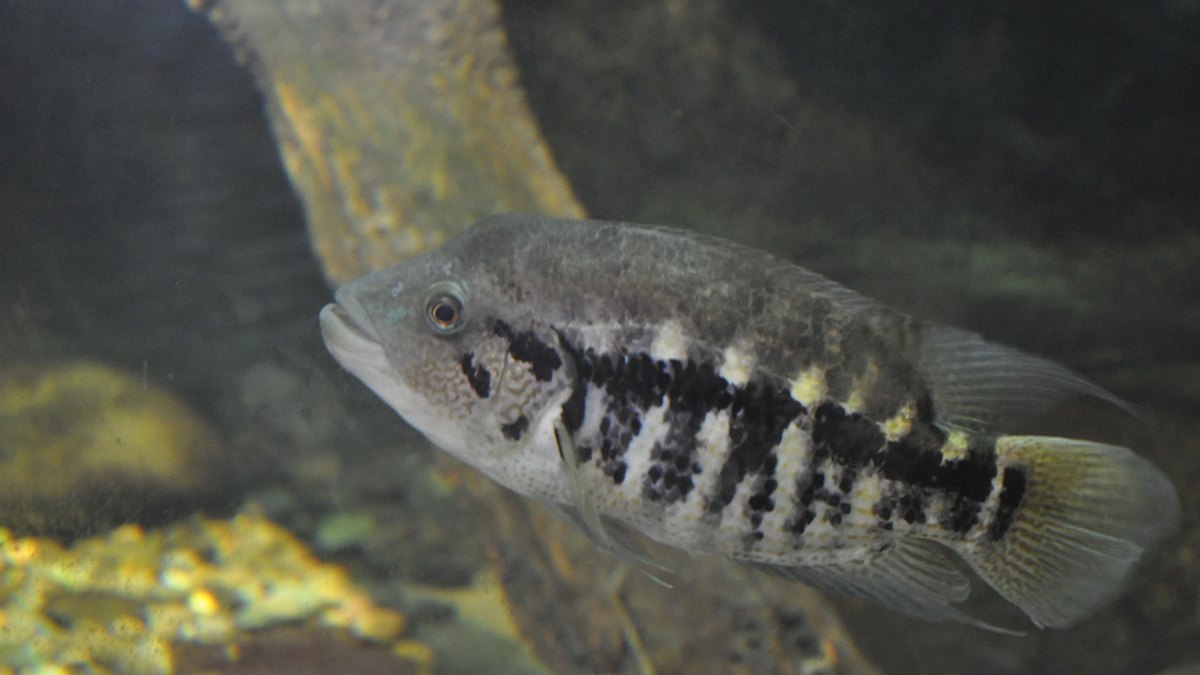
Jaguar Guapote (Parachromis managuensis)
Answrs VerdictA cichlid predator in the 55 cm class.
Max length (FishBase): 55.0 cm TL (FishBase, accessed 2026-11-08)Native range: Central America: Atlantic slope from the Ulua River (Honduras) to the Matina River (Costa Rica)Diet: Highly predaceous, feeding mainly on small fishes and macroinvertebratesFlorida FWC lists: Not named on the prohibited or conditional species lists (accessed 2026-11-08)Texas TPWD list: Not named on the 2023 prohibited exotic species list
The Jaguar Guapote reaches 55.0 cm TL per FishBase and is highly predaceous, feeding mainly on small fishes and macroinvertebrates. It is not named on the Florida or Texas lists.
Go ifA fish-eating cichlid that FishBase lists at 55.0 cm TL
Skip ifYou want a catfish or a non-cichlid body shape
Why #2 over #3: Its 55.0 cm TL is shorter than the Saddled Bichir's 65.5 cm SL.
3
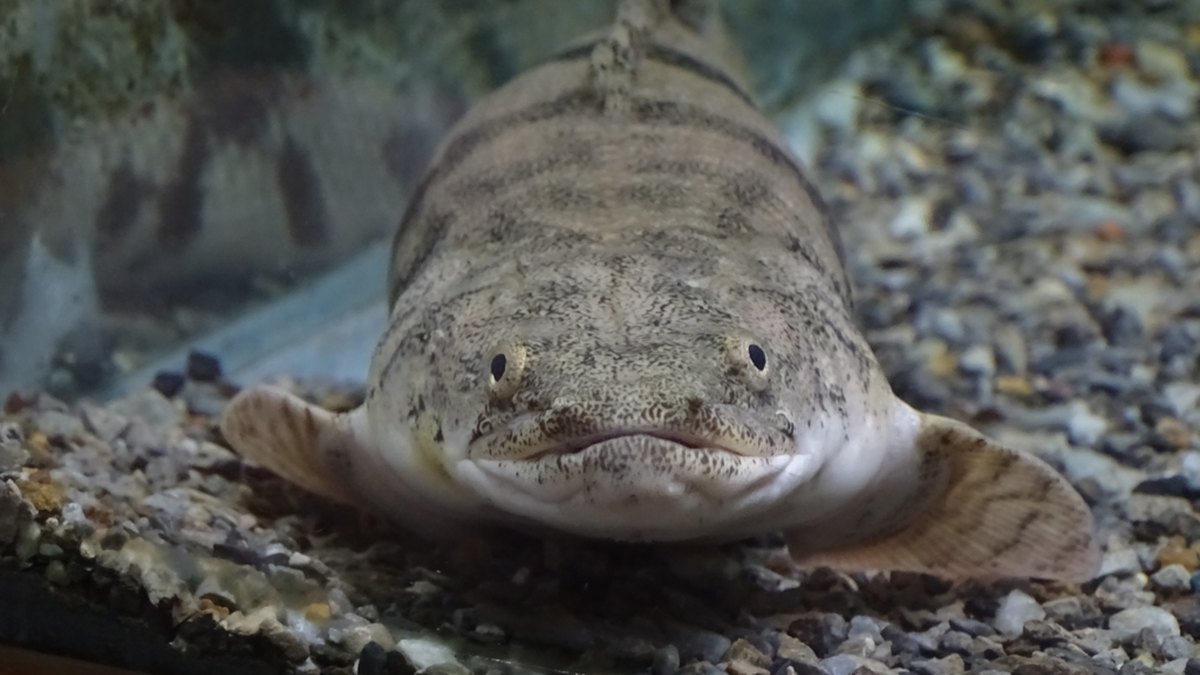
Saddled Bichir (Polypterus endlicheri)
Answrs VerdictThe ancient-lineage pick, at 65.5 cm SL.
Max length (FishBase): 65.5 cm SL (FishBase, accessed 2026-11-08)Native range: Africa: Nile River, Chad basin, Niger River, Volta River, Bandama River, Comoé River and Ouémé RiverDiet: Essentially piscivorous; the diet includes snails and crustaceans (FishBase spells the species Polypterus endlicherii)Florida FWC lists: Not named on the prohibited or conditional species lists (accessed 2026-11-08)Texas TPWD list: Not named on the 2023 prohibited exotic species list
FishBase lists the Saddled Bichir at 65.5 cm SL, essentially piscivorous, with snails and crustaceans in the diet, from Nile, Chad, Niger and other African river systems. It is not named on the Florida or Texas lists.
Go ifKeepers who want an African fish-eater listed as piscivorous
Skip ifYou want a fish that is not an air-breather; FishBase lists it as facultative air-breathing
Why #3 over #4: Its 65.5 cm SL is shorter than the Wolf Cichlid's 72.0 cm TL.
4
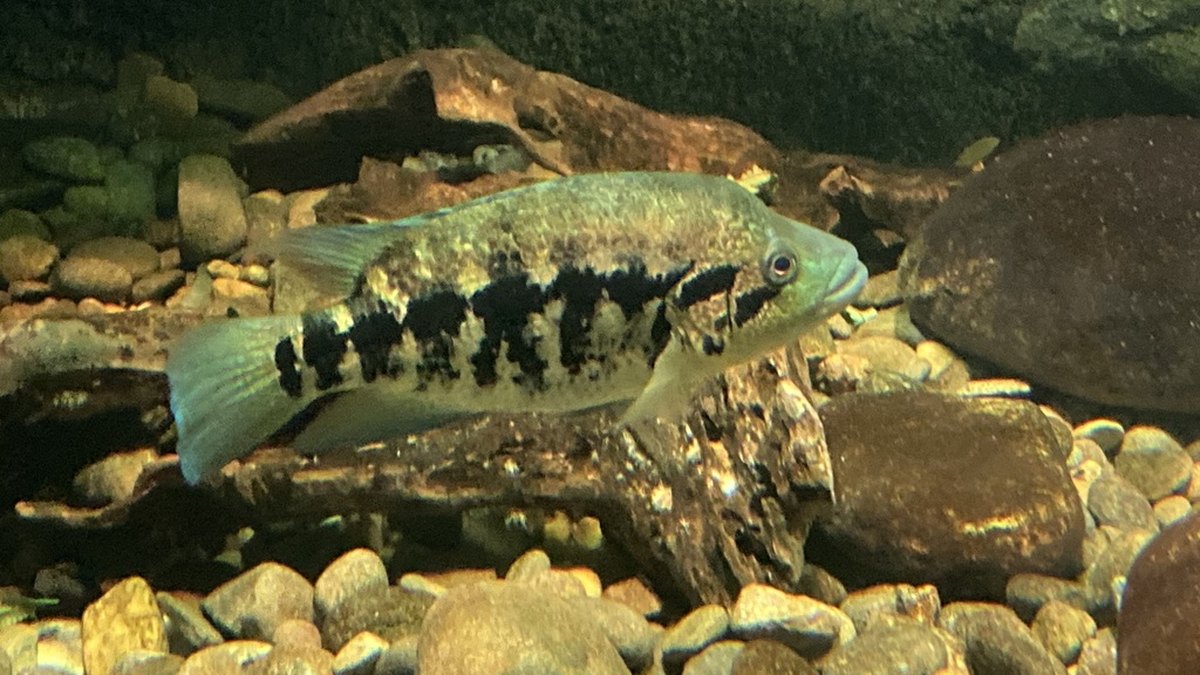
Wolf Cichlid (Parachromis dovii)
Answrs VerdictThe biggest cichlid on the list.
Max length (FishBase): 72.0 cm TL (FishBase, accessed 2026-11-08)Native range: Central America: Atlantic slope, Aguan River (Honduras) to the Moín River (Costa Rica); Pacific slope, Yeguare River (Honduras) to the Bebedero River (Costa Rica)Diet: Piscivorous, with crustaceans and insects in smaller numbersFlorida FWC lists: Not named on the prohibited or conditional species lists (accessed 2026-11-08)Texas TPWD list: Not named on the 2023 prohibited exotic species list
The Wolf Cichlid (Parachromis dovii) is piscivorous per FishBase, with crustaceans and insects in smaller numbers, and reaches 72.0 cm TL. It is native to Atlantic and Pacific slopes of Central America and is not named on the Florida or Texas lists.
Go ifCichlid keepers who want a fish-eater at 72.0 cm TL
Skip ifYou want a fish under 72.0 cm TL
Why #4 over #5: Its 72.0 cm TL is shorter than the Peacock Bass's 74.0 cm TL.
5
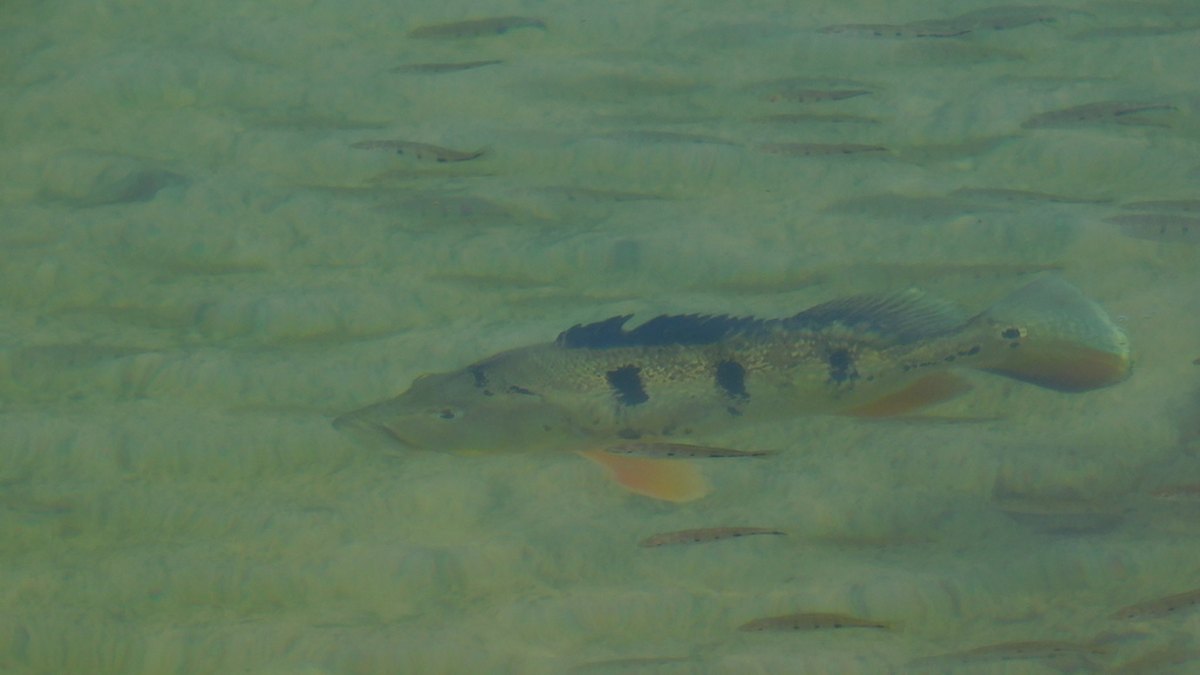
Peacock Bass (Cichla ocellaris)
Answrs VerdictA 74.0 cm TL schooling predator.
Max length (FishBase): 74.0 cm TL (FishBase, accessed 2026-11-08)Native range: South America: Marowijne drainage in Suriname and French Guiana to the Essequibo drainage in GuyanaDiet: Food consists of only small fish, especially threadfin shad, mosquito fish, tilapia and bluegillFlorida FWC lists: Not named on the prohibited or conditional species lists (accessed 2026-11-08)Texas TPWD list: Not named on the 2023 prohibited exotic species list
FishBase says the Peacock Bass (Cichla ocellaris) reaches 74.0 cm TL and eats only small fish such as threadfin shad, mosquito fish, tilapia and bluegill; adults form schools. It is not named on the Florida or Texas lists.
Go ifFans of schooling fish-eaters; FishBase says adults form schools
Skip ifYou want a fish that is not highly predatory
Why #5 over #6: Its 74.0 cm TL is shorter than the Silver Arowana's 90.0 cm TL.
6
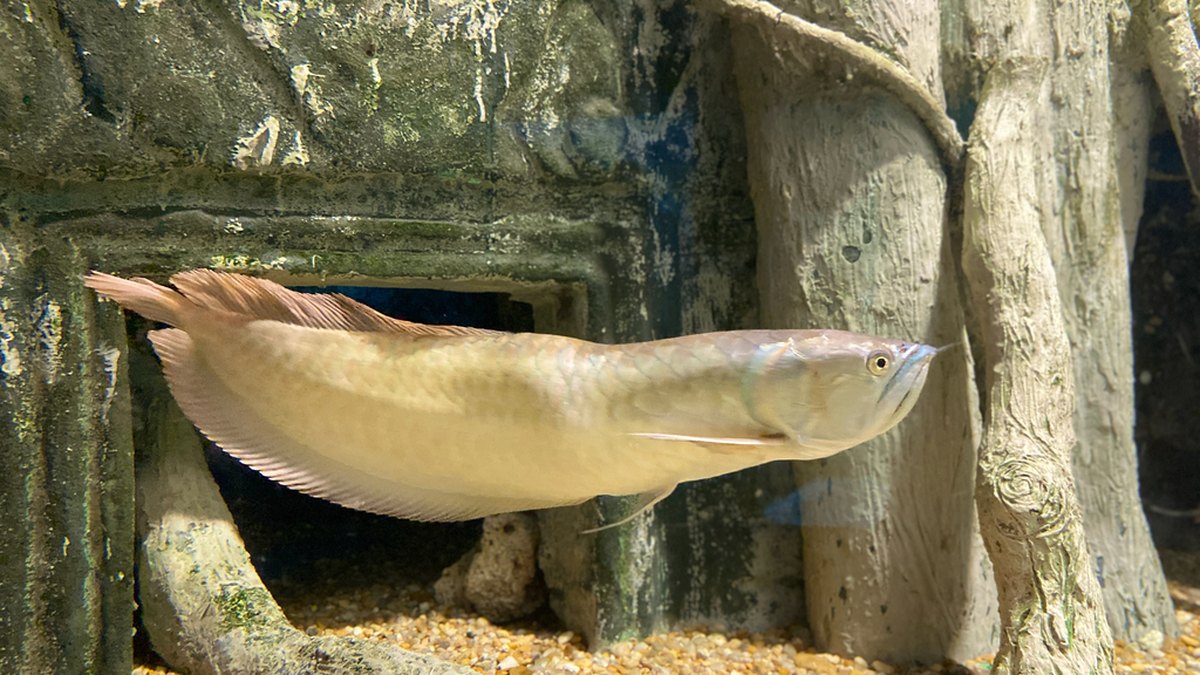
Silver Arowana (Osteoglossum bicirrhosum)
Answrs VerdictThe arowana that is not the banned Asian one.
Max length (FishBase): 90.0 cm TL (FishBase, accessed 2026-11-08)Native range: South America: Amazon River basin, Rupununi and Oyapock RiversDiet: An omnivore with a tendency to feed on fish at the surface; FishBase lists CITES status as Not EvaluatedFlorida FWC lists: The conditional list covers the arowana family Osteoglossidae, all species except silver arowana; not on the prohibited list (accessed 2026-11-08)Texas TPWD list: Not named on the 2023 prohibited exotic species list
The Silver Arowana reaches 90.0 cm TL per FishBase, which calls it an omnivore with a tendency to feed on fish at the surface. Florida's conditional arowana rule makes it the named exception, and Texas names only Arapaima in that family.
Go ifKeepers who want a surface-feeding fish that is the named exception on Florida's arowana rule
Skip ifYou want a strict carnivore; FishBase calls it an omnivore
Why #6 over #7: Its 90.0 cm TL is shorter than the Barred Sorubim's 105 cm SL.
7
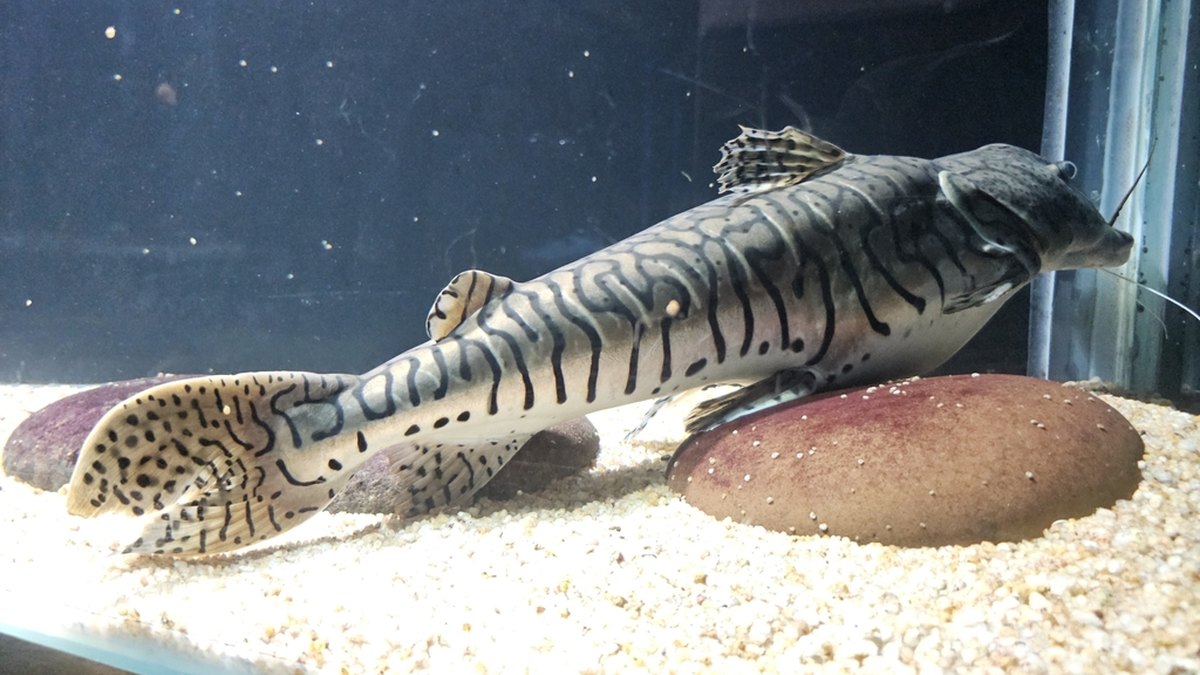
Barred Sorubim (Pseudoplatystoma fasciatum)
Answrs VerdictA striped catfish at 105 cm SL.
Max length (FishBase): 105 cm SL (FishBase, accessed 2026-11-08)Native range: South America: Amazon, Corantijn, Essequibo, Orinoco and Paraná River basinsDiet: Feeds at night on fish (loricariids, cichlids and characoids) as well as crabsFlorida FWC lists: Not named on the prohibited or conditional species lists (accessed 2026-11-08)Texas TPWD list: Not named on the 2023 prohibited exotic species list
FishBase lists the Barred Sorubim at 105 cm SL, feeding at night on fish (loricariids, cichlids and characoids) as well as crabs, from the Amazon, Orinoco and other basins. It is not named on the Florida or Texas lists.
Go ifKeepers who want a night-feeding catfish predator
Skip ifYour tank cannot hold a fish of 105 cm SL
Why #7 over #8: Its 105 cm SL is shorter than the Bowfin's 109 cm TL.
8
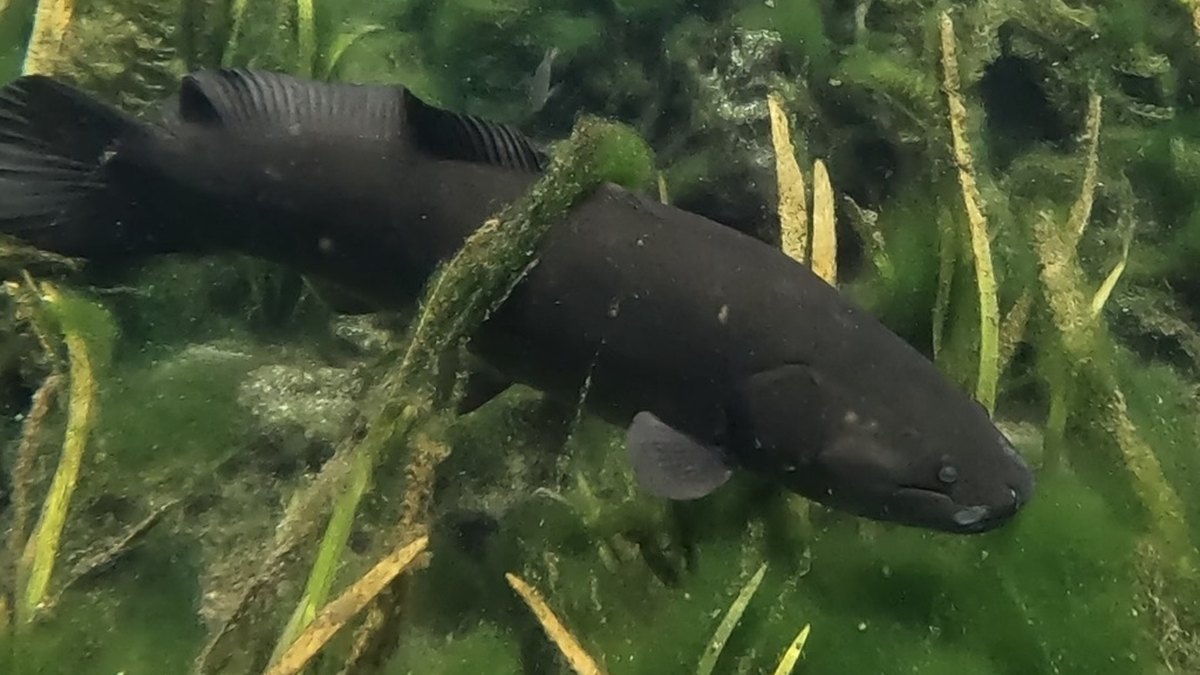
Bowfin (Amia calva)
Answrs VerdictA native US predator, 109 cm TL.
Max length (FishBase): 109 cm TL (FishBase, accessed 2026-11-08)Native range: North America: Pearl River in Louisiana and Mississippi to the Florida Peninsula and Atlantic rivers in Georgia, South Carolina, North Carolina and VirginiaDiet: Voracious and opportunistic feeders on fishes, frogs, crayfish, insects and shrimpsFlorida FWC lists: Not named on the prohibited or conditional species lists (accessed 2026-11-08)Texas TPWD list: Not named on the 2023 prohibited exotic species list
The Bowfin (Amia calva) reaches 109 cm TL per FishBase and is native from the Pearl River in Louisiana and Mississippi to the Florida Peninsula and Atlantic rivers. It is not named on the Florida or Texas lists.
Go ifKeepers who want a US-native predator
Skip ifYou want a fish under 109 cm TL
Why #8 over #9: Its 109 cm TL is shorter than the Redtail Catfish's 135 cm TL.
9
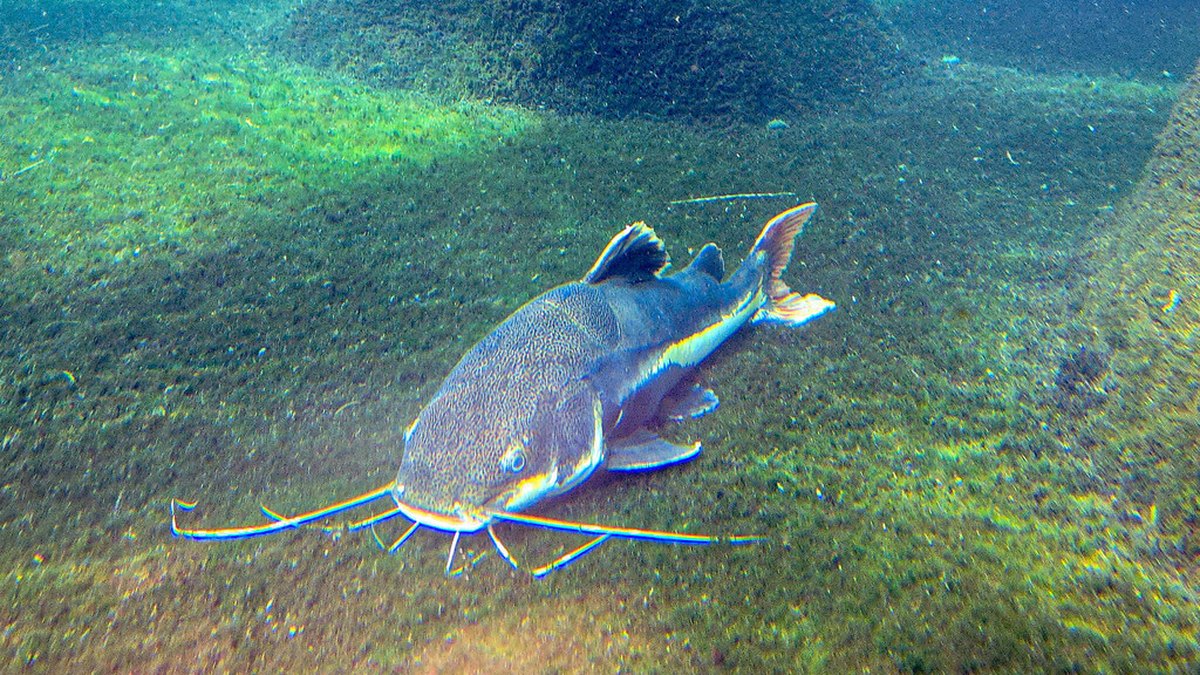
Redtail Catfish (Phractocephalus hemioliopterus)
Answrs VerdictThe heavyweight at 135 cm TL.
Max length (FishBase): 135 cm TL (FishBase, accessed 2026-11-08)Native range: South America: Amazon and Orinoco River basinsDiet: Adults feed on fish, crabs and fruitsFlorida FWC lists: Not named on the prohibited or conditional species lists (accessed 2026-11-08)Texas TPWD list: Not named on the 2023 prohibited exotic species list
FishBase lists the Redtail Catfish at 135 cm TL and a maximum published weight of 44.2 kg, with adults feeding on fish, crabs and fruits. FishBase also says it is introduced but not established in Florida; it is not named on the Florida or Texas lists.
Go ifKeepers who want a heavyweight catfish; FishBase lists a maximum published weight of 44.2 kg
Skip ifYou want a strict carnivore; FishBase lists fruits in the adult diet
Why #9 over #10: Its 135 cm TL is shorter than the Spotted Gar's 150 cm TL.
10
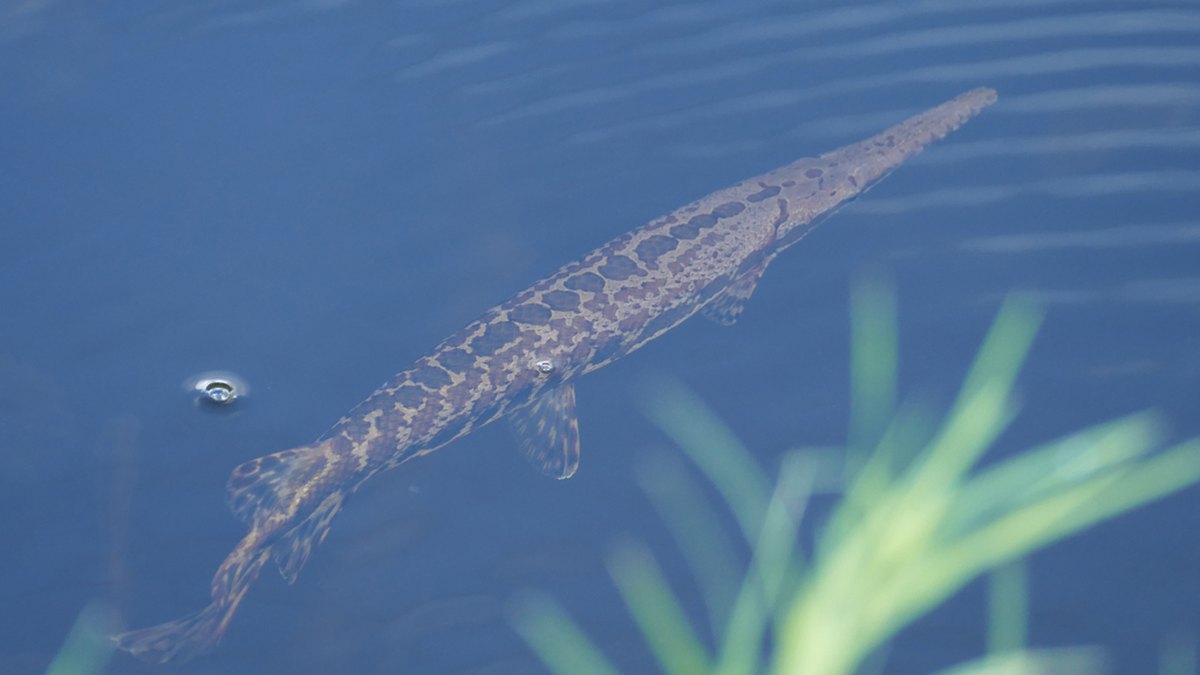
Spotted Gar (Lepisosteus oculatus)
Answrs VerdictLongest recorded maximum on the list.
Max length (FishBase): 150 cm TL (FishBase, accessed 2026-11-08)Native range: North America: Lake Erie and south Lake Michigan drainages south through the Mississippi River basin to Gulf Slope drainages from the lower Apalachicola River in Florida to the Nueces River in TexasDiet: A voracious predator feeding on various kinds of fishes and crustaceansFlorida FWC lists: Not named on the prohibited or conditional species lists (accessed 2026-11-08)Texas TPWD list: Not named on the 2023 prohibited exotic species list
The Spotted Gar (Lepisosteus oculatus) has a recorded maximum of 150 cm TL per FishBase, the longest on this list, and is a voracious predator of fishes and crustaceans. It is native to the Mississippi basin and Gulf Slope drainages and is not named on the Florida or Texas lists.
Go ifKeepers who want a US-native predator and accept the longest recorded size here
Skip ifYour tank cannot hold a fish with a 150 cm TL maximum
How we ranked these
We ranked by US legal exposure first: every pick is absent from the federal injurious fish list in 50 CFR 16.13(a)(2) (eCFR, current version accessed 2026-11-08), from the Florida FWC prohibited and conditional species lists (accessed 2026-11-08, with the silver arowana carved out of the arowana family rule) and from the Texas TPWD prohibited exotic species list (2023 edition). All ten then rank by FishBase maximum recorded length, shortest first. Excluded as illegal or restricted: Asian arowana (ESA Endangered, 50 CFR 17.11; CITES Appendix I per FishBase), snakeheads (federally injurious, 50 CFR 16.13), piranhas (Texas and Florida prohibit them), payara (Texas prohibits the family Cynodontidae) and wolf fish or trahira (Texas and Florida prohibit the family Erythrinidae). Only the federal, Florida and Texas lists were checked; other states and local rules may differ, so confirm with your state wildlife agency. No source used here gives a minimum tank size, so none is stated; the large-tank framing comes from the page topic. Live animals, so no prices are shown. Facts are taken from each maker's own published information; check the official site before you buy.
Questions people ask
Is the Asian arowana legal to keep in the US?
No. The Asian arowana (Scleropages formosus) is listed Endangered under the Endangered Species Act (41 FR 24062, 6/14/1976, in 50 CFR 17.11), and FishBase lists its CITES status as Appendix I. It is not on this page.
Are snakeheads legal in the US?
No. Federal rule 50 CFR 16.13(a)(2) prohibits importing, transporting or acquiring live snakeheads of the genera Channa and Parachanna, including the Northern snakehead, Channa argus. They are not on this page.
Does this page state a minimum tank size for these fish?
No. None of the sources used here (FishBase, the eCFR, Florida FWC, Texas TPWD) states a minimum tank volume, so the page gives none. The framing for large tanks comes from the topic of this page, not from a source.
Which fish were left out for state-law reasons?
The payara (Hydrolycus scomberoides) is in a Texas prohibited family, Cynodontidae, and the wolf fish or trahira (Hoplias malabaricus) is in Erythrinidae, which Texas prohibits and Florida also prohibits. Neither is on this page.
Maximum recorded length (FishBase) at a glance
Oscar45.7 cm
Jaguar Guapote55 cm
Saddled Bichir65.5 cm
Wolf Cichlid72 cm
Peacock Bass74 cm
Silver Arowana90 cm
Barred Sorubim105 cm
Bowfin109 cm
Redtail Catfish135 cm
Spotted Gar150 cm
Maximum recorded length (FishBase), as published by each maker. Picks without a published figure are left off.