Can You Use Reverse Osmosis Water for a Freshwater Community Tank?
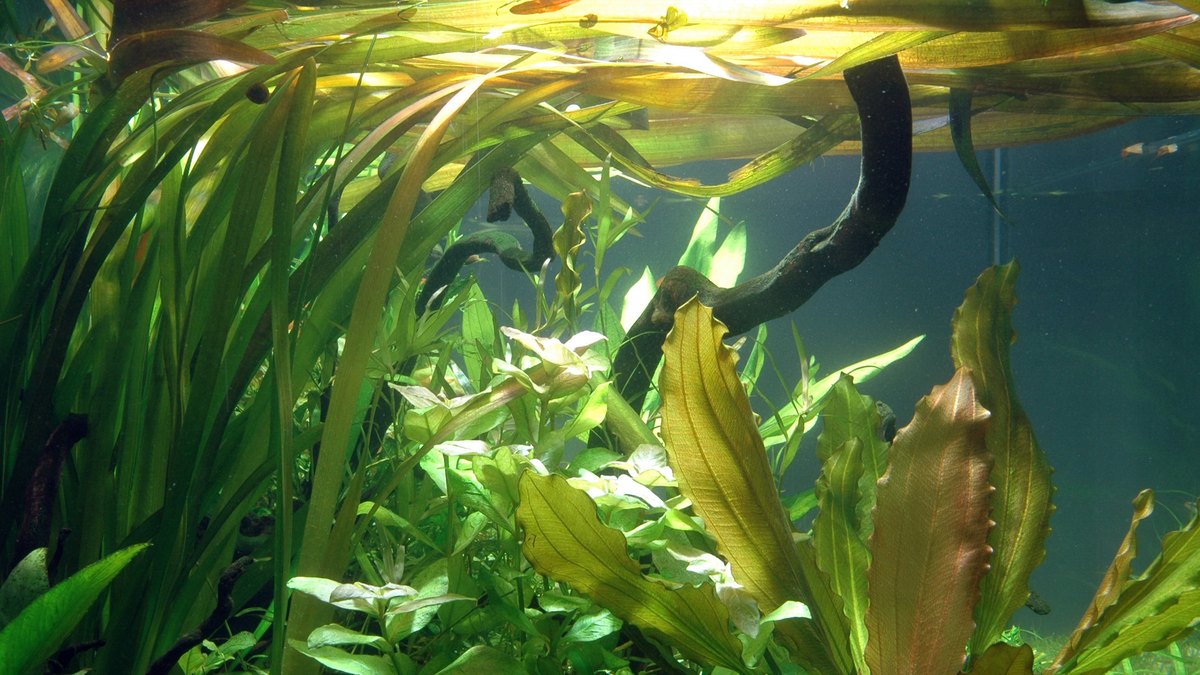
Yes, you can use reverse osmosis (RO) water for a freshwater community tank, but not straight from the unit. RO filtration removes minerals along with contaminants, so the water has almost no hardness (GH) or carbonate hardness (KH), and fish and plants need those minerals. The usual fix is to remineralize the RO water with a product made for the job, or to blend it with tap water until the hardness suits your fish.
How much mineral to put back is the part where sources differ, because it depends on the species. Bulk Reef Supply says soft-water fish like Cardinal Tetras prefer setups under 4 dGH, while Seachem gives a general planted-tank guide of about 3-6 dH. Test your own water and your own fish list rather than copying one number.
This page summarizes what the makers and fishkeeping references say. It is not a substitute for a test kit, and any change in hardness or pH should be made gradually.
Why pure RO water is not enough
Bulk Reef Supply says high-quality RO/DI water can have a TDS reading near 0 ppm and that RO/DI filtration removes minerals along with unwanted contaminants. It calls remineralization a crucial step for the health of aquarium fish, plants and invertebrates. The Alberta government says reverse osmosis will remove 85 to 98 per cent of total dissolved solids from water.
The fishkeeping article at Fishkeeping.co.uk puts it bluntly: pure RO water has none of the essential trace elements needed for fish to be healthy and thrive.
- GH (general hardness). Bulk Reef Supply defines it as the concentration of dissolved calcium and magnesium ions in water.
- KH (carbonate hardness). It measures carbonate and bicarbonate compounds, and the same guide says a minimum level of about 2-3 dKH is generally recommended to prevent pH swings.
Two ways to make it tank-safe: remineralize or blend
Remineralize. You add a measured mineral supplement to the RO water so it lands at the GH and KH you want. This gives the most control, and it is the approach the product makers below design for.
Blend with tap water. If your tap water is harder than your fish like, mixing in RO lowers it in proportion. Fishkeeping.co.uk says that mixing half tap water and half RO water gives half of the original gH, and works an example where tap water at gH 20 needs to become gH 5 for the tank. Blending also dilutes KH, so you may still need to add buffering.
If your tap water is already about right for your fish, you may not need RO at all. LiveAquaria notes tap water in most areas falls in the 6.5-7.5 pH range, and says the best way to remove hardness from very hard water is with a reverse osmosis unit.
What GH and KH should you aim for?
The sources do not agree on one target, which is the honest answer: it depends on what you keep.
- Soft-water fish such as Cardinal TetrasPrefer setups under 4 dGH (Bulk Reef Supply)
- Freshwater shrimps and snailsMany need GH between 6-10 dGH for growth and shell development (Bulk Reef Supply)
- General planted-tank guideAbout 1-2 meq/L (3-6 dH) GH, or matching your KH (Seachem Equilibrium)
- Minimum KHAbout 2-3 dKH to prevent pH swings (Bulk Reef Supply)
For a mixed community tank, pick fish with overlapping needs, then aim inside the range that suits the least tolerant species.
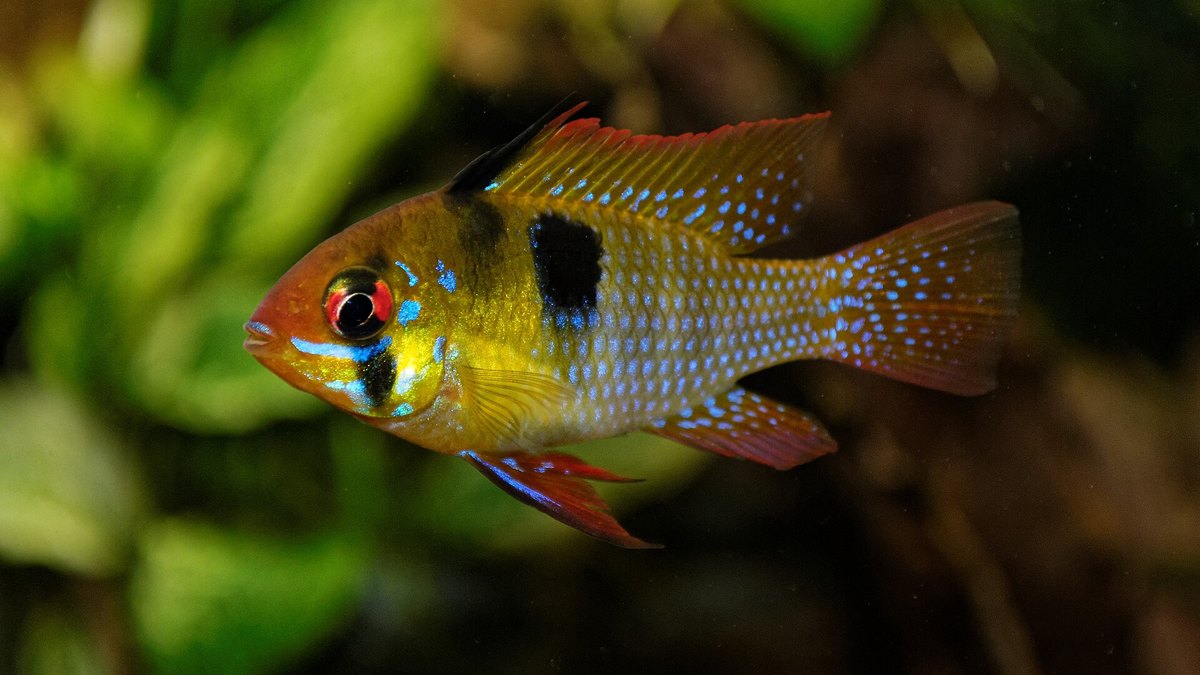
Remineralizer products and what the makers say
Every figure here comes from the maker or a seller quoting the label. Dose by your own volume and confirm with a test kit.
- Seachem Equilibrium. Described as ideally suited for RO or DI water. To raise GH by 1 meq/L (3 dH), add 16 g (1 tablespoon) for every 80 L (20 US gallons), mixed first into about 1 L (1 qt.) of water. Seachem says not to use it when replacing evaporated water, and recommends Alkaline Buffer to maintain KH. Seachem
- Brightwell Remineraliz. Made to remineralize RO, deionized or distilled water for freshwater and planted tanks. The label dose for water changes is 5 ml per 10 US gallons, which from a starting GH and TDS of 0 gives roughly 3.0 dGH and 86 ppm. Bulk Reef Supply
- Dennerle Osmose ReMineral+. Created for remineralizing RO water in freshwater aquariums; one measuring spoon raises GH by 2 degrees and KH by 1.3 degrees in 100 liters. GreenAqua
- Seachem Alkaline Buffer. 1 teaspoon (6 g) per 80 L (20 US gallons) raises alkalinity by about 1 meq/L (2.8 dKH). Seachem notes its chart is based on RO or RO/DI water and ratios may need adjusting for tap water. Seachem
Bulk Reef Supply notes that some products primarily increase GH while others increase both GH and KH, so check the label for which you are buying.
How to mix and add the water safely
- Mix before it touches the tank. Bulk Reef Supply says to always mix remineralizer into your replacement water. Brightwell says not to add a large volume of purified water to the aquarium and then try to adjust the chemistry afterwards.
- Change slowly. Brightwell says changes to water chemistry should always be done gradually rather than rapidly, and Fishkeeping.co.uk says rapid or large changes in hardness or pH can be fatal to fish.
- Do not remineralize top-offs. Seachem says not to use Equilibrium when replacing evaporated water, because evaporation leaves minerals behind.
Why a TDS meter alone is not enough
A TDS pen is handy for confirming that your RO unit is working. Bulk Reef Supply, though, says TDS is not a useful measurement for remineralization and should not be used by itself to decide whether water suits a species, because it cannot say which minerals are dissolved.
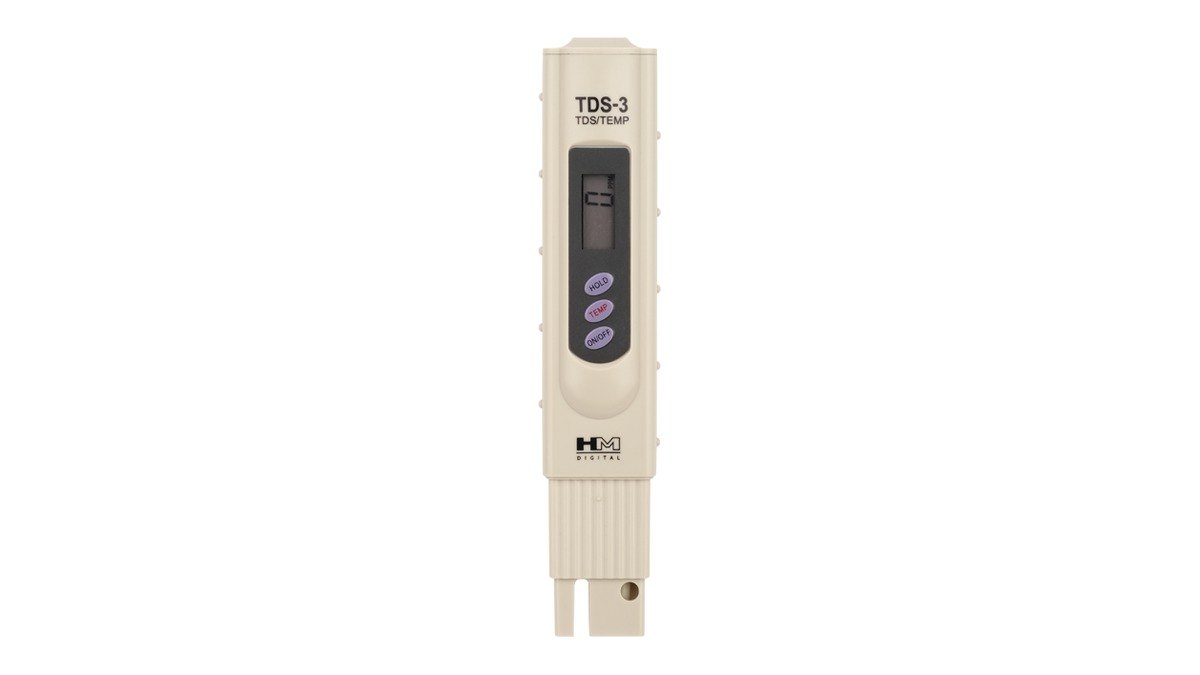
Use a GH and KH test kit for the targets above, and the TDS pen as a quick consistency check afterwards.
What owning an RO unit costs you
The Alberta government says small household reverse osmosis units waste from 3 to 20 litres of water for each 1 litre produced, and that a good membrane should last from two to five years. Fishkeeping.co.uk also warns the extra on your water bill can be high.
Questions people ask
Can I put pure RO water straight into my fish tank?
It is not recommended. RO/DI water can have a TDS near 0 ppm and no hardness, and Fishkeeping.co.uk says it lacks the trace elements fish need. Remineralize it or blend it with tap water first, and change slowly.
Do I need RO water at all?
Not always. If your tap water already suits your fish and plants, you may not need it. RO is mainly useful when tap water is much harder than the species you keep want.
What GH is right for a community tank?
Sources differ. Bulk Reef Supply says soft-water fish like Cardinal Tetras prefer under 4 dGH, shrimps and snails often want 6-10 dGH, and Seachem gives about 3-6 dH as a general planted-tank guide. Pick fish with overlapping needs and test.
Do I need to add KH as well as GH?
Usually yes. Bulk Reef Supply recommends a minimum of about 2-3 dKH to prevent pH swings, and some products raise only GH. Seachem recommends its Alkaline Buffer to maintain KH with Equilibrium.
Can I use remineralized water for top-offs?
No. Seachem says not to use Equilibrium when replacing evaporated water, since minerals stay behind as water evaporates.
Sources
- Bulk Reef Supply: How to Remineralize RO Water · GH, KH and TDS definitions, species ranges
- Seachem: Equilibrium · Manufacturer dosing for RO water
- Seachem: Alkaline Buffer · Manufacturer KH dosing
- Brightwell Remineraliz (Bulk Reef Supply listing) · Label dosing and cautions
- Dennerle Osmose ReMineral+ (GreenAqua listing) · Dose per 100 liters
- Fishkeeping.co.uk: Using RO Water in Freshwater Tropical Aquaria · Blending and gradual change
- Alberta Agriculture and Forestry: Reverse Osmosis Water Treatment · Mineral removal, wastewater, membrane life
- LiveAquaria: pH in Freshwater Aquariums · Tap water pH and hardness
Figures were read from the linked pages on October 21, 2026. Dosing numbers are the makers' label claims and sellers' quotes; verify against your own bottle and test kit. This is general fishkeeping information, not a guarantee for any particular species.