How to Win Friends and Influence People — Cliff Notes Summary
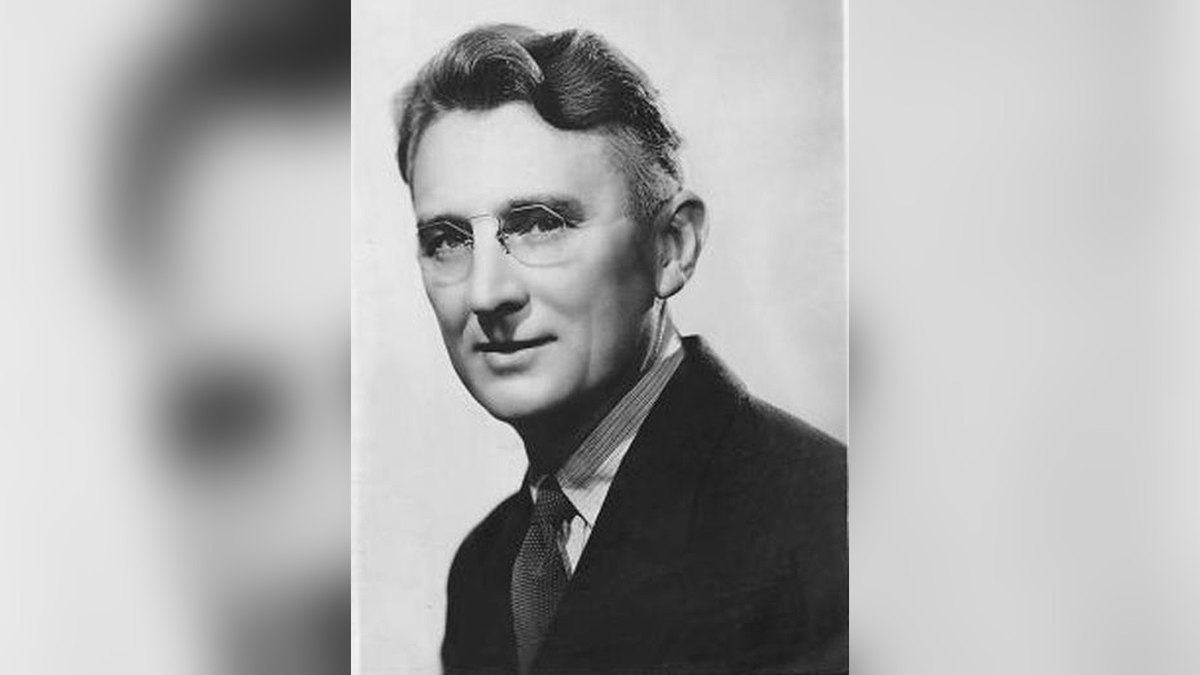
How to Win Friends and Influence People is a self-help classic by Dale Carnegie, published by Simon & Schuster in 1936. Per Wikipedia, it teaches practical habits for getting along with people: avoid criticism, show real appreciation, take a genuine interest in others and let people save face.
The core idea is that people respond to being valued, not to being corrected or pushed. Carnegie's techniques are meant to change how you treat others first, which then changes how they respond to you.
This is a short summary in our own words, not a chapter-by-chapter retelling. The sections on what sellers and leaders can do with the ideas are our interpretation, not Carnegie's advice.
About the book and its author
Wikipedia names Simon & Schuster as publisher and lists the book at 291 pages. Open Library gives 1936 as the first publication year. Sources disagree on the month: Wikipedia's infobox says October and its article text says November, so treat the year as the safe fact.
Dale Carnegie lived from November 24, 1888 to November 1, 1955, per Wikipedia's Dale Carnegie entry. His course grew out of a public speaking class he taught at a New York YMCA in 1912, and by his death the Dale Carnegie Institute had 450,000 graduates.
The four parts in plain English
Editions differ: the original 1936 text had six sections, and a 1981 revision cut it to four and updated the language and examples. The version most readers meet today is organized into four parts of 3, 6, 12 and 9 short chapters, according to LitCharts.
- Part one: handling people. Criticizing rarely changes anyone because people defend themselves. Offer honest appreciation and frame requests around what the other person wants.
- Part two: making people like you. Take a real interest in others, stay upbeat, remember names, listen more than you talk and help people feel important.
- Part three: persuading people. Arguments are rarely won, so avoid them. Start from common ground, admit your own mistakes quickly and let people feel a conclusion is their own.
- Part four: changing behavior without resentment. Point out mistakes indirectly, praise every improvement, let people save face and suggest instead of ordering.
LitCharts stresses one caveat that runs through the book: flattery is insincere and self-serving, while appreciation has to be genuine.
Why it lasted
Wikipedia reports over 30 million copies sold worldwide, 17 print editions in the first year and a place on the New York Times best-seller list by the end of 1936. A 2013 Library of Congress survey ranked it seventh among the most influential books in American history, and Time placed it 19th on its 2011 list of influential nonfiction books.
Wikipedia also notes that Warren Buffett took a Carnegie course at age 20. The book is often credited as an early model for modern self-help writing, which helps explain why its tone and structure still look familiar.
What sellers can take from it (our interpretation)
Carnegie was not writing a sales manual, but the habits carry into selling. These are our suggestions, not the book's.
- Open with the buyer's agenda. Spend discovery learning what the prospect is trying to achieve, then connect your offer to that goal.
- Do not argue with an objection. Acknowledge it, ask a question and let the buyer talk through the concern.
- Remember details. Names, priorities and prior comments recorded in the CRM make follow-up feel personal and attentive.
- Give honest credit. Thank champions and teammates specifically. Vague praise reads as flattery.
- Let the buyer reach the conclusion. Questions that help a prospect state the problem in their own words usually beat a long pitch.
What leaders can do with it (our interpretation)
- Coach with a strength first. Start feedback with something the person did well, then address the issue privately and specifically.
- Ask instead of order. Questions that invite a better approach build ownership more than commands do.
- Recognize improvement, not just wins. Noticing progress early keeps people trying, especially on a new skill.
- Protect dignity in public. Take corrections one on one so the person can save face.
Criticisms and limits
Wikipedia says the New York Times review in 1937 found the advice insightful but too simple to replace real knowledge, and that novelist Sinclair Lewis was scathing about its insincerity. Later scholarly reviews, it adds, accused Carnegie of insincerity and manipulation.
LitCharts notes the book leans mostly on anecdotes rather than cited evidence, and does not say how to tell genuine appreciation from flattery in practice. Techniques like these can be used cynically, so the ideas only work as intended when the interest in the other person is real. The book is also nearly a century old, and its examples and tone reflect its era.
Questions people ask
Who wrote How to Win Friends and Influence People?
Dale Carnegie wrote it, and Simon & Schuster published it in 1936.
What is the main idea of the book?
People respond best to genuine appreciation and interest, so avoid criticism and arguments, and help others feel valued and in control of their own decisions.
How is the book organized?
Current editions have four parts: handling people, making people like you, persuading people and changing behavior without causing resentment. The 1981 revision reduced the original six sections to four.
How many copies has it sold?
Wikipedia reports over 30 million copies sold worldwide.
Is the book manipulative?
Some reviewers have said so. Carnegie's own caveat, as summarized by LitCharts, is that appreciation must be sincere and flattery is not the goal.
Is it useful for salespeople and managers?
Yes, as a source of habits on listening, objections and feedback. The sales and leadership applications on this page are our interpretation, not Carnegie's.
Sources
- Wikipedia: How to Win Friends and Influence People · Publisher, 1936, length, sales, rankings, editions, criticism
- Wikipedia: Dale Carnegie · Carnegie's life dates, 1912 course, graduates
- Open Library: How to Win Friends and Influence People · Catalog record showing 1936 first publication
- LitCharts: How to Win Friends and Influence People summary · Four-part structure, chapter counts, sincerity caveat, limits
This summary is an independent explainer written in our own words and does not reproduce the book. Facts were read from the linked pages on November 2, 2026; read the book for the primary detail.
Top photo: Unknown author / Public domain via Wikimedia Commons