The 1984-1997 Mercedes-Benz E-Class (W124) is the best E-Class generation, with the 1976-1986 W123 at #2 and the 2016-2023 W213 at #3. Generations are ranked on documented reliability, production, engines and safety. The E-Class name dates from 1993, so the W120, W110, W114/W115 and W123 are listed as ancestors that Mercedes-Benz presents in its E-Class history, and AMG models and estates are not counted separately.
1953-1962 (Mercedes-Benz's first unibody passenger car)
A show-quality piece of Mercedes history
Pick by what you want
Best overall
1984-1997 Mercedes-Benz E-Class (W124)
Best modern E-Class
2016-2023 Mercedes-Benz E-Class (W213)
Best crash-test record
2009-2016 Mercedes-Benz E-Class (W212)
Newest / plug-in hybrid
2023 Mercedes-Benz E-Class (W214)
Best classic
1968-1976 Mercedes-Benz Strich-Acht (W114/W115)
The ranking
1
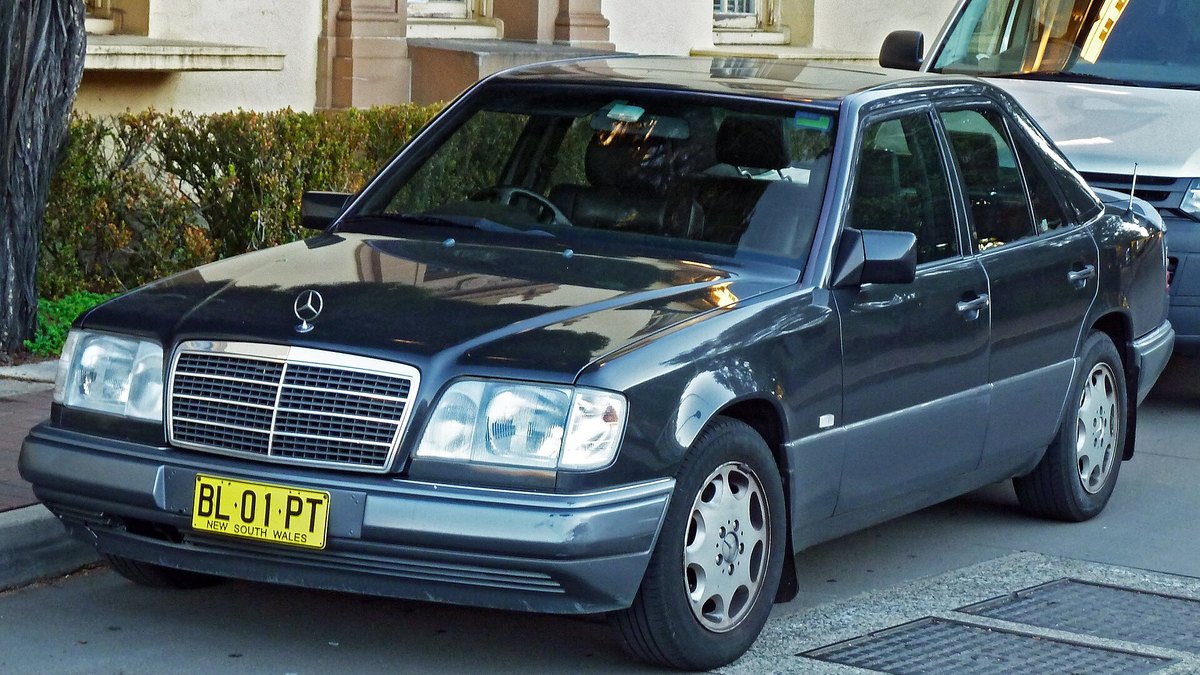
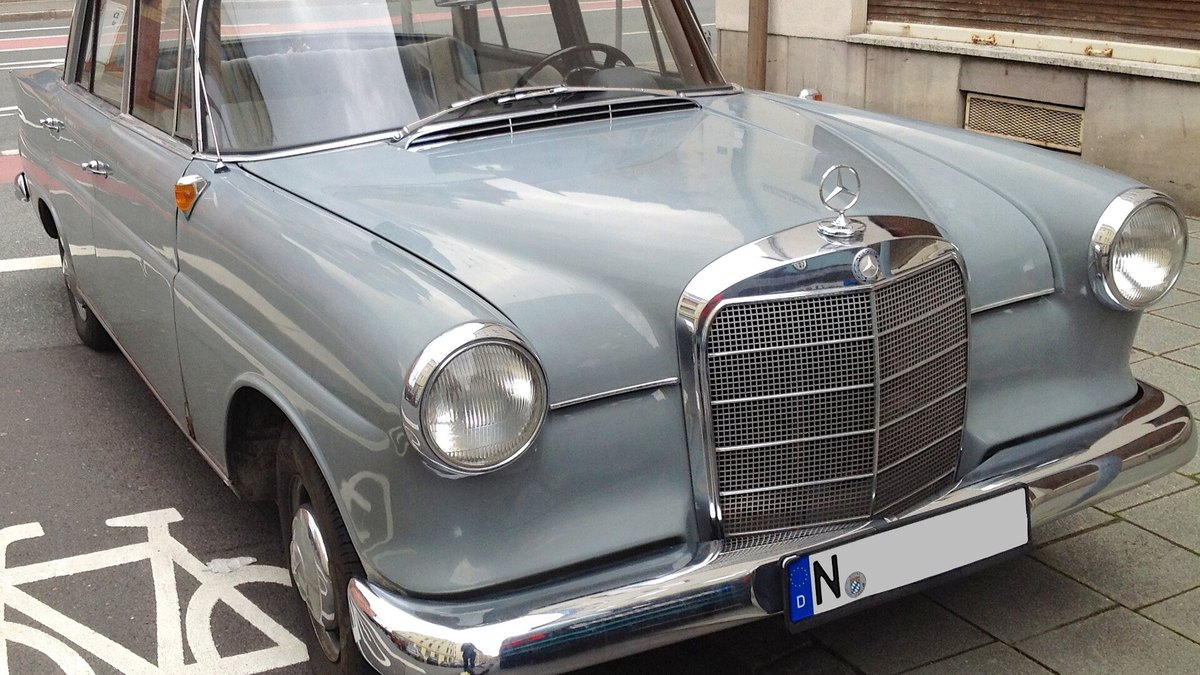
1984-1997 Mercedes-Benz E-Class (W124)
Photo: OSX / Public domain via Wikimedia Commons
Answrs VerdictThe E-Class to own.
Years: 1984-1997 (the first Mercedes-Benz family to carry the E-Class name, from June 1993)Production: 2.737 million built, including 2.213 million saloons, about 340,000 estates, 140,000 coupes and 34,000 cabrioletsReliability: In 1995 the diesel version topped the upper-middle-class category of an ADAC survey of 4-6-year-old cars, with 11.8 breakdowns per 1,000 four-year-old carsEngines: Launch range from 53 kW (72 PS) in the 200 D to 140 kW (190 PS) in the 300 E; the 500 E in 1990 was the first eight-cylinder E-ClassName: Presented in June 1993 as the E-Class, in line with the S-Class and the new C-Class
The W124 was built from 1984 to 1997, with 2.737 million cars. In 1995 its diesel version topped an ADAC survey of 4-6-year-old cars, with 11.8 breakdowns per 1,000 four-year-old cars.
Go ifThe best-proven E-Class, with the broadest range of bodies
Skip ifYou want modern driver assistance and infotainment
Why #1 over #2: Its reliability survey result and the E-Class name beat the W123 for all-round proof.
2
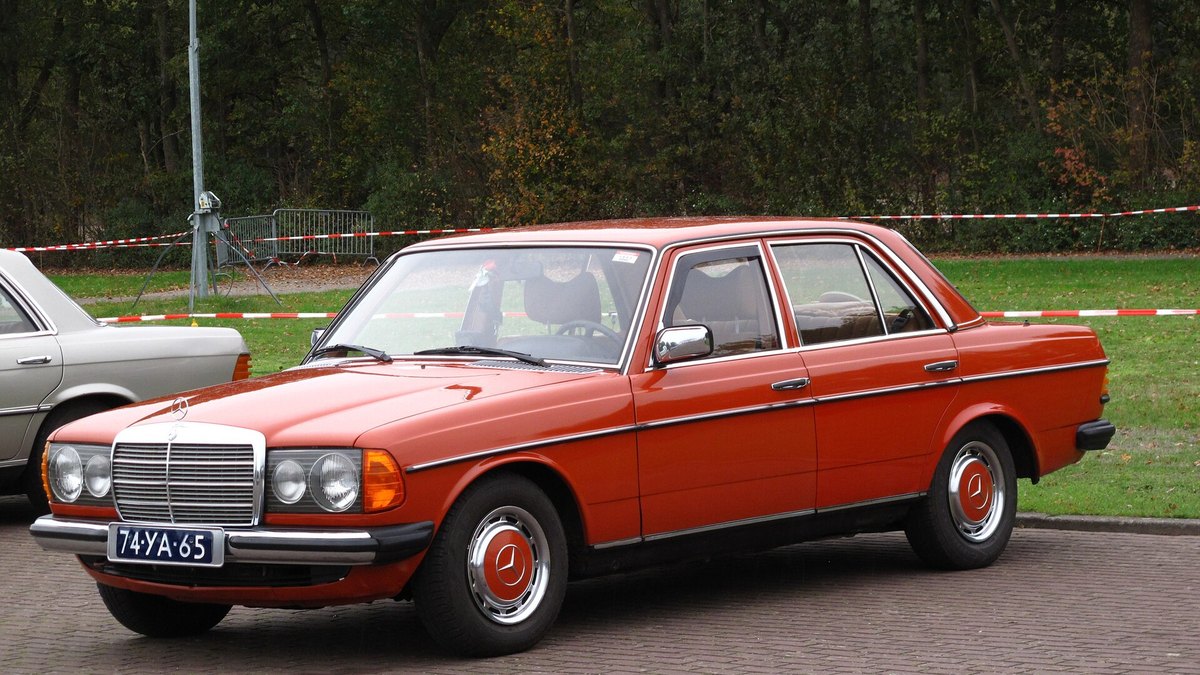
1976-1986 Mercedes-Benz 123 Series (W123)
Photo: Rutger van der Maar / CC BY 2.0 via Wikimedia Commons
Answrs VerdictThe durability benchmark.
Years: 1976-1986 (Mercedes counts it as a direct predecessor of the E-Class; the name came in 1993)Production: About 2.7 million built, nearly 2.4 million saloons, about 200,000 estates and almost 100,000 coupesDurability: Reaching 500,000 km or more with only minor mechanical issues was common among W123 taxisEngines: Nine engines at the January 1976 launch, from 40 kW (55 PS) to 130 kW (177 PS)Safety: ABS optional from 1980 and a driver airbag from 1982, the first in its class
The W123 ran from 1976 to 1986, with about 2.7 million built. Reaching 500,000 km with only minor mechanical issues was common among its taxis, and it offered ABS from 1980.
Go ifThe classic everyday Mercedes, still easy to live with
Skip ifYou need air-conditioned, connected comfort
Why #2 over #3: Its taxi-proven durability beats the W213, but it lacks modern assistance systems.
3
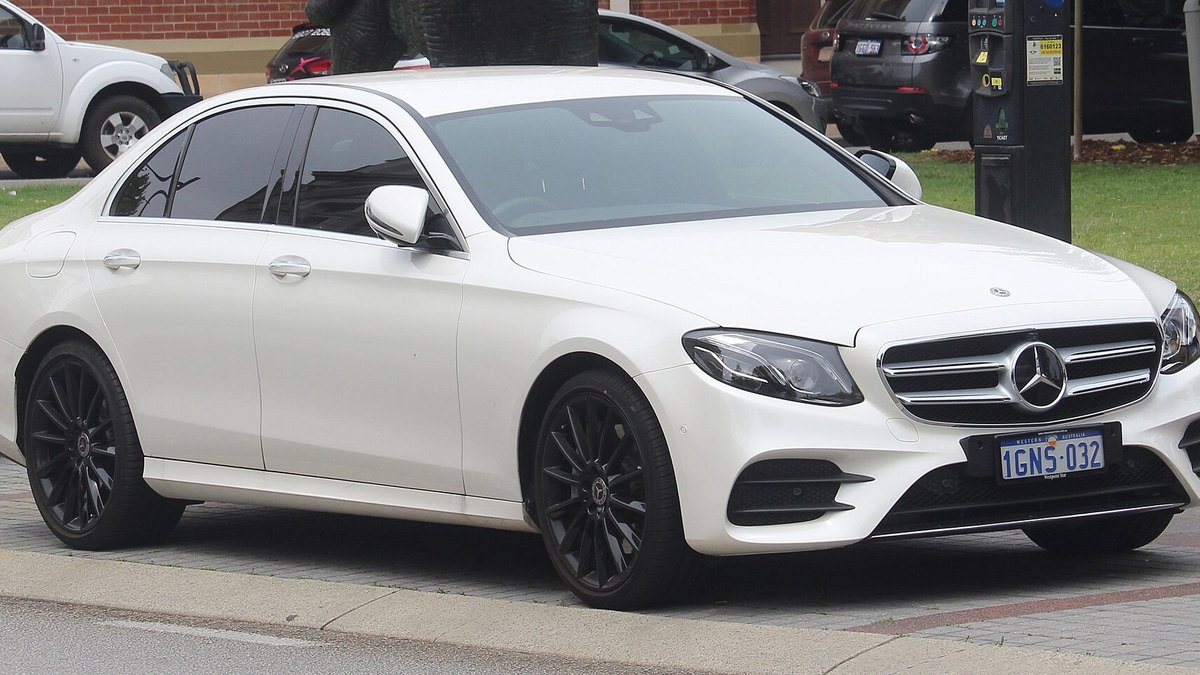
2016-2023 Mercedes-Benz E-Class (W213)
Photo: EurovisionNim / CC BY-SA 4.0 via Wikimedia Commons
Answrs VerdictThe best modern E.
Years: 2016-2023 (launched in 2016; the coupe and cabriolet followed in 2017)Acclaim: Won the 2021 Motor Trend Car of the Year, the first time Mercedes-Benz had won itAssistance: Optional DISTRONIC distance control with active steering and an Active Lane Change Assist; standard Active Brake AssistEngines: Six engines at launch from 135 kW (184 PS) to 245 kW (333 PS); the 2021 facelift brought the 3.0-litre M256 inline-six with EQ Boost, 266 kW (362 PS)NHTSA recalls: 16 recalls listed for the 2017 E300 and 2 for the 2018 E300
The W213 launched in 2016 and won the 2021 Motor Trend Car of the Year. NHTSA lists 16 recalls for the 2017 E300 and 2 for the 2018 E300.
Go ifThe most capable used E-Class, with modern assistance systems
Skip ifYou want the simplest, lowest-cost car to maintain
Why #3 over #4: Its driver assistance and Motor Trend award beat the W212, though early-car recalls count against it.
4
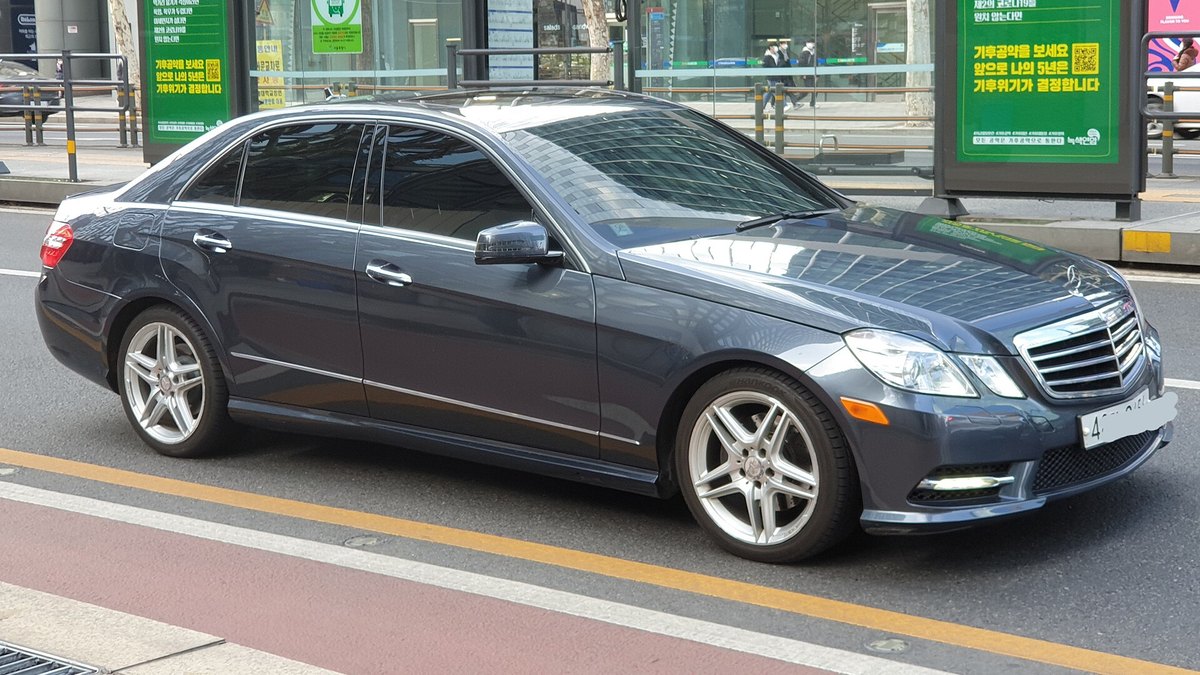
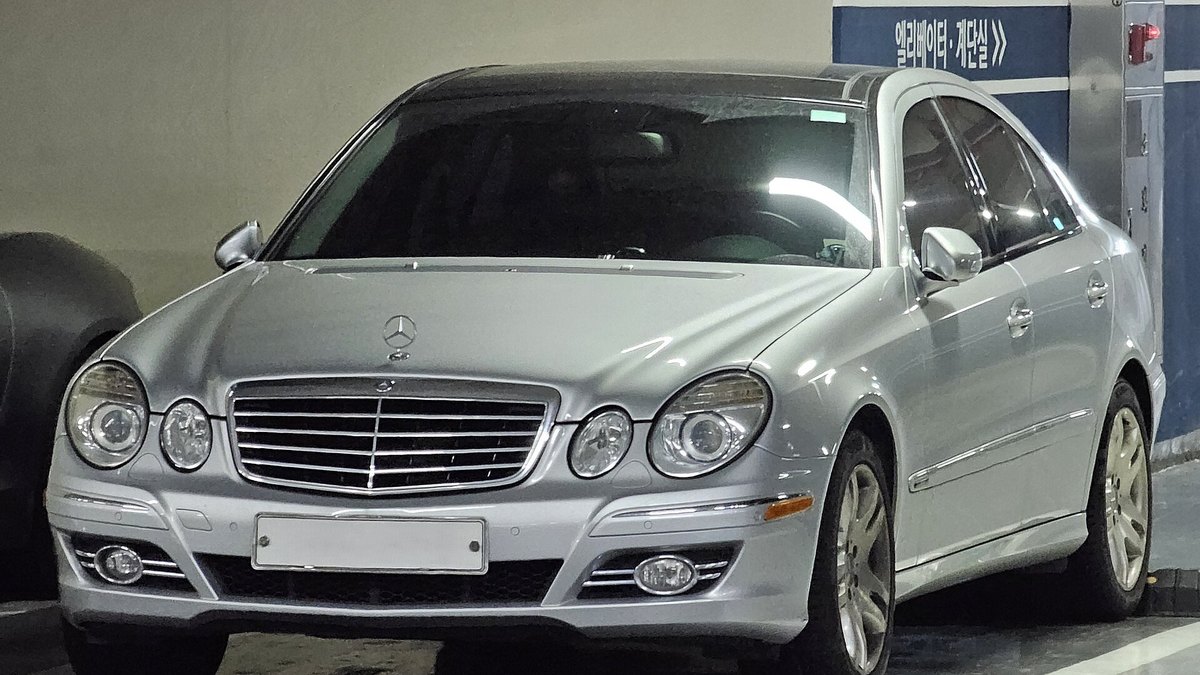
2009-2016 Mercedes-Benz E-Class (W212)
Photo: Damian B Oh / CC BY-SA 4.0 via Wikimedia Commons
Answrs VerdictThe sensible modern buy.
Years: 2009-2016 (revealed in January 2009; succeeded by the W213 for the 2017 model year)Safety: The 2010 car earned five Euro NCAP stars and was the first E-Class to win an IIHS Top Safety Pick; the 2014 car won Top Safety Pick+Efficiency: Fuel consumption up to 23 percent lower than its predecessor, with a drag coefficient of 0.25 for the saloonTransmission: The 2013 update brought the world's first nine-speed torque-converter automatic, 9G-TRONIC, in the E 350 BlueTECNHTSA recalls: 7 recalls listed for the 2012 E350
The W212 earned five Euro NCAP stars in 2010 and its 2014 car won IIHS Top Safety Pick+. NHTSA lists 7 recalls for the 2012 E350.
Go ifA safe, efficient E-Class at a used-car price
Skip ifYou want touchscreen and phone-mirroring tech
Why #4 over #5: Its crash-test record beats the Stroke Eight, which has no comparable ratings.
5
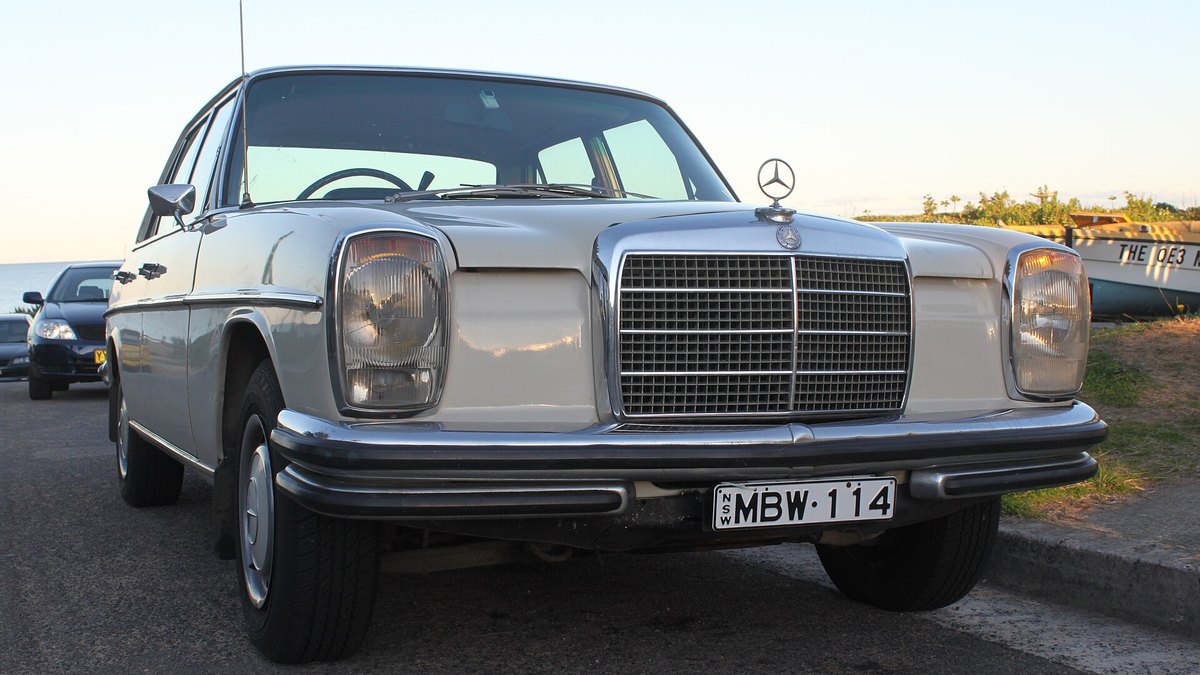
1968-1976 Mercedes-Benz Strich-Acht (W114/W115)
Photo: Jeremy from Sydney, Australia / CC BY 2.0 via Wikimedia Commons
Answrs VerdictThe Stroke Eight.
Years: 1968-1976 (launched January 1968 and officially called the "New Generation")Production: More than 1.8 million saloons and over 67,000 coupes by 1976, the brand's first million-sellerDiesel: The 240 D 3.0 of July 1974 was the world's first passenger car with a five-cylinder diesel, 59 kW (80 PS)Mileage: A 1976 240 D donated in 2004 had 4.6 million km on the odometer, the highest recorded mileage of any Mercedes-BenzInjection: In 1968 the 250 CE became the first Mercedes-Benz with fully electronic fuel injection, Bosch D-Jetronic
The W114/W115 was launched in January 1968 as the New Generation and was the brand's first million-seller. A 1976 240 D reached 4.6 million km on its odometer.
Go ifA durable, simple classic with a famous diesel
Skip ifYou want the safety kit of a later car
Why #5 over #6: Its record mileage and diesel firsts beat the W214, which has no history yet.
6
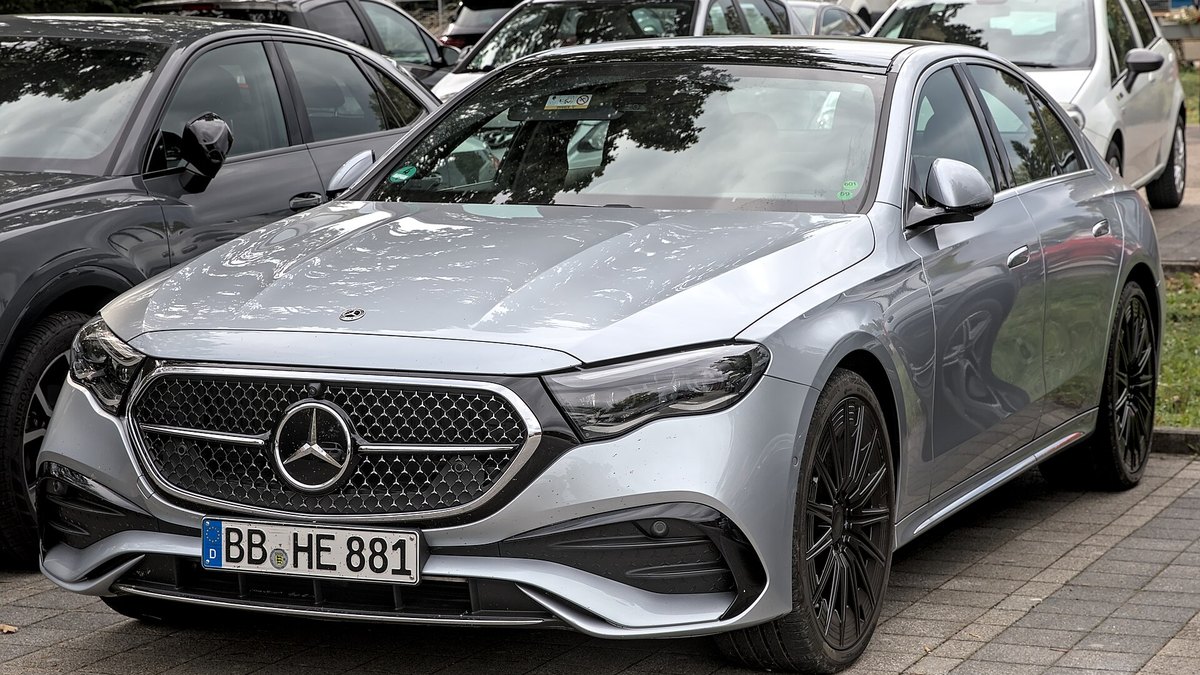
2023 Mercedes-Benz E-Class (W214)
Photo: Alexander Migl / CC BY-SA 4.0 via Wikimedia Commons
Answrs VerdictThe current E.
Years: 2023 onward (unveiled 25 April 2023, produced since 2 May 2023)Powertrains: Mostly 2.0-litre four-cylinder mild hybrids with 48 V, plus plug-in hybrids with a 25.4 kWh battery; only the E 450 has the 3.0-litre sixPlatform: MRA II architecture shared with the C-Class W206 and the S-Class W223Size: 26 mm longer, 28 mm wider and 12 mm taller than the W213, with a drag coefficient of 0.23NHTSA recalls: 1 recall listed for the 2024 E350
The W214 was unveiled on 25 April 2023 and is sold as 48 V mild hybrids and plug-in hybrids with a 25.4 kWh battery. NHTSA lists 1 recall for the 2024 E350.
Go ifThe newest E-Class, with a plug-in hybrid range
Skip ifYou want a long track record before you buy
Why #6 over #7: Its hybrid range beats the W211, but it has less track record than any older car above it.
7
2002-2009 Mercedes-Benz E-Class (W211)
Photo: Damian B Oh / CC BY-SA 4.0 via Wikimedia Commons
Answrs VerdictThe comfortable one.
Years: 2002-2009 (launched in March 2002; refreshed in April 2006)Production: 1.5 million delivered by 19 December 2008, 1,270,000 saloons and 230,000 estatesEngines: Launch range from 110 kW (150 PS) in the E 220 CDI to 225 kW (306 PS) in the E 500Known issue: Sensotronic Brake Control was standard from 2003 and was dropped for 2007 after customer complaints about its softwareRefresh: The 2006 update reworked about 2,000 parts and added the world's first adaptive headlights
The W211 launched in March 2002, and 1.5 million had been delivered by 19 December 2008. Its Sensotronic Brake Control was dropped for 2007 after customer complaints about its software.
Go ifA refined, comfortable E-Class with the post-2006 refresh
Skip ifYou do not want the early-car SBC brake history
Why #7 over #8: Its 2006 refresh beats the W210, but the brake complaints count against the early cars.
8
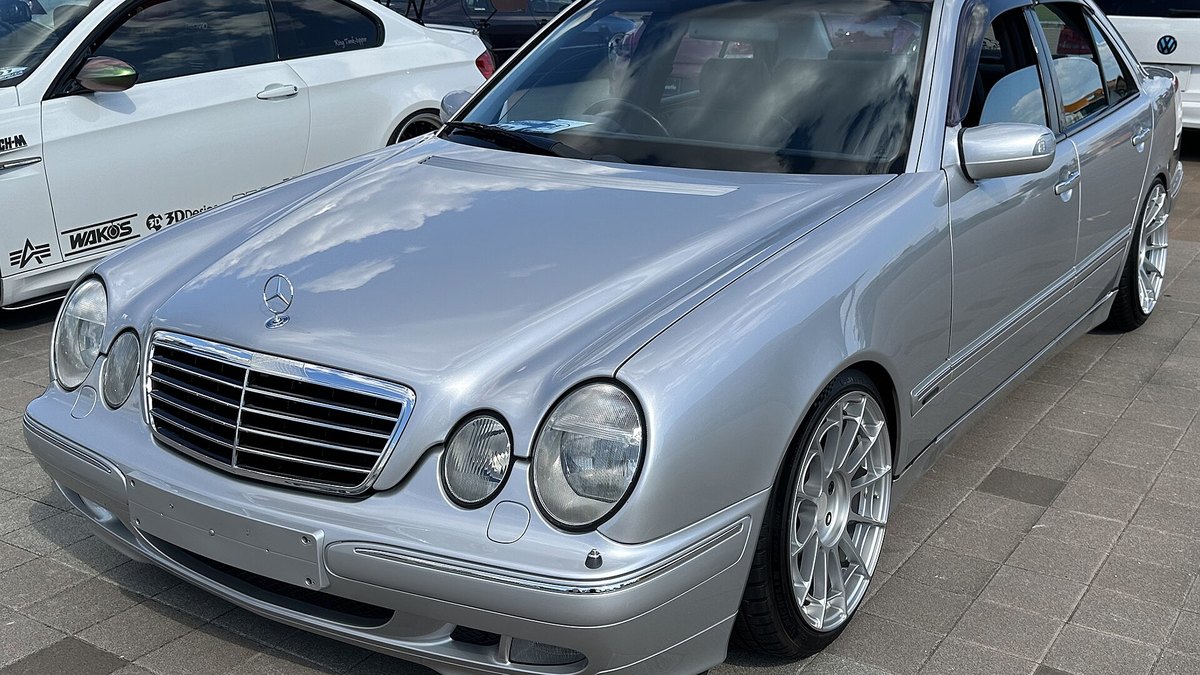
1995-2002 Mercedes-Benz E-Class (W210)
Photo: Tokumeigakarinoaoshima / CC BY-SA 4.0 via Wikimedia Commons
Answrs VerdictBuy a rust-free one.
Years: 1995-2002 (launched in 1995; the saloon was replaced in March 2002)Production: 1,374,368 saloons from 1995 to 2002 and more than 257,000 estates from 1996Design: The four-eye headlight design won the red dot design award; about 30 technical innovationsSafety: Four stars in the 1998 Euro NCAP testKnown issue: Corrosion affected all production years; Mercedes-Benz granted goodwill repairs generally up to the eighth year
The W210 ran from 1995 to 2002, with 1,374,368 saloons built. Corrosion affected all production years, and it earned four Euro NCAP stars in 1998.
Go ifThe four-eye design icon at a low price
Skip ifYou worry about rust and corrosion
Why #8 over #9: Its four-eye design and production run beat the W110, but corrosion is a documented weak point.
9
1961-1968 Mercedes-Benz Heckflosse (W110)
Photo: Freud / CC BY-SA 3.0 via Wikimedia Commons
Answrs VerdictThe small Fintail.
Years: 1961-1968 (the 190 and 190 D debuted in April 1961; Mercedes calls it a forerunner of the E-Class)Engines: From 40 kW (55 PS) in the 190 D to 77 kW (105 PS) in the 230, raised to 88 kW (120 PS) in 1966Safety: Dual-circuit brakes with front disc brakes from 1963 and a safety steering column from 1967Body: Shared the W111 Fintail body with a nose 145 mm shorter and round headlightsDiesel: Production of the 190 Dc exceeded the petrol 190 c by nearly 100,000 units
The W110 debuted in April 1961 as the 190 and 190 D, and it gained front disc brakes in 1963. Mercedes-Benz calls it a forerunner of the E-Class.
Go ifA charming Fintail for collectors
Skip ifYou want to drive it every day
Why #9 over #10: Its disc brakes and safety steering beat the Ponton, but it is a collector car now.
10
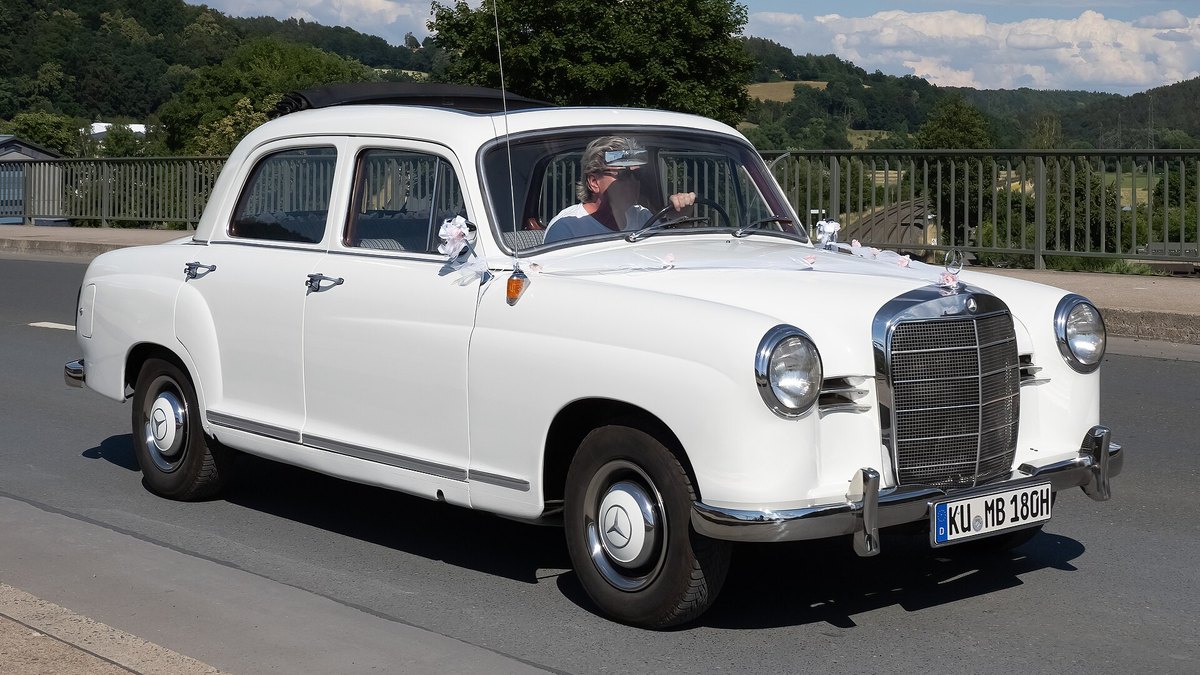
1953-1962 Mercedes-Benz Ponton (W120)
Photo: Ermell / CC BY-SA 4.0 via Wikimedia Commons
Answrs VerdictWhere it started.
Years: 1953-1962 (Mercedes-Benz's first unibody passenger car)Production: About 443,000 customers worldwide chose a four-cylinder PontonEngines: The 180 had 38 kW (52 PS); a 1.9-litre engine followed in 1957 and the 180 D diesel in 1954 with 29 kW (40 PS)Design: Three-box ponton shape with fully integrated fenders and a self-supporting bodyRole: Described as the first predecessor of the mid-size E-Class sedan line
The W120 Ponton ran from 1953 to 1962 and was the first Mercedes-Benz passenger car with a self-supporting body. About 443,000 four-cylinder Pontons were sold.
Go ifA show-quality piece of Mercedes history
Skip ifYou need modern safety or speed
How we ranked these
We ranked each generation on documented reliability, production, engines, safety ratings and engineering steps from Mercedes-Benz's own E-Class history (the Mercedes-Benz press release, German text via mbpassion.de), Wikipedia and NHTSA. The E-Class name dates from 1993: the W120, W110, W114/W115 and W123 predate it and are included because Mercedes-Benz presents them as direct predecessors of the E-Class in its history of the model. Facelifts are not split out, and AMG models, estates, coupes and cabriolets are not counted as separate generations. NHTSA recall counts are for the single model year named in each pick, so they are not like-for-like across generations. The chart shows the year each generation was introduced. Photos: Wikimedia Commons pictures of the same generation, not always the exact year. Facts are taken from each maker's own published information; check the official site before you buy.
Questions people ask
What is the best Mercedes-Benz E-Class generation?
The W124, built from 1984 to 1997, ranks first: it was the first Mercedes-Benz family to carry the E-Class name, and the diesel version topped an ADAC reliability survey of 4-6-year-old cars in 1995.
When did Mercedes-Benz start calling the car the E-Class?
The 124 series was presented under the E-Class name in June 1993. The cars from the W120 Ponton to the W123 are the E-Class's ancestors and predate the name.
Which E-Class generation sold the most?
The W124 was built in 2.737 million cars, including 2.213 million saloons, about 340,000 estates, 140,000 coupes and 34,000 cabriolets.
What is the oldest car on this list?
The W120 Ponton of 1953 to 1962 was the first Mercedes-Benz passenger car with a self-supporting body, and about 443,000 four-cylinder Pontons were sold worldwide.
Year each generation was introduced at a glance
1953-1962 Mercedes-Benz Ponton (W120)1,953 year
1961-1968 Mercedes-Benz Heckflosse (W110)1,961 year
1968-1976 Mercedes-Benz Strich-Acht (W114/W115)1,968 year
1976-1986 Mercedes-Benz 123 Series (W123)1,976 year
1984-1997 Mercedes-Benz E-Class (W124)1,984 year
1995-2002 Mercedes-Benz E-Class (W210)1,995 year
2002-2009 Mercedes-Benz E-Class (W211)2,002 year
2009-2016 Mercedes-Benz E-Class (W212)2,009 year
2016-2023 Mercedes-Benz E-Class (W213)2,016 year
2023 Mercedes-Benz E-Class (W214)2,023 year
Year each generation was introduced, as published by each maker. Picks without a published figure are left off.