The 2009-2013 Porsche 911 (997.2) is the best 911 generation, with the air-cooled 1994-1998 993 at #2 and the 2011-2019 991 at #3. Generations are ranked on their engineering step, documented reliability issues and production history; the 997 and 992 are each split into their two phases.
1997-2004 (Turbo S, GT2 and GT3 stayed in production until 2006)
The cheapest way into a water-cooled 911 if the IMS is sorted
Pick by what you want
Best overall
2009-2013 Porsche 911 (997.2)
Best air-cooled
1994-1998 Porsche 911 (993)
Best all-rounder
2011-2019 Porsche 911 (991)
Newest
2024 Porsche 911 (992.2)
Most historic
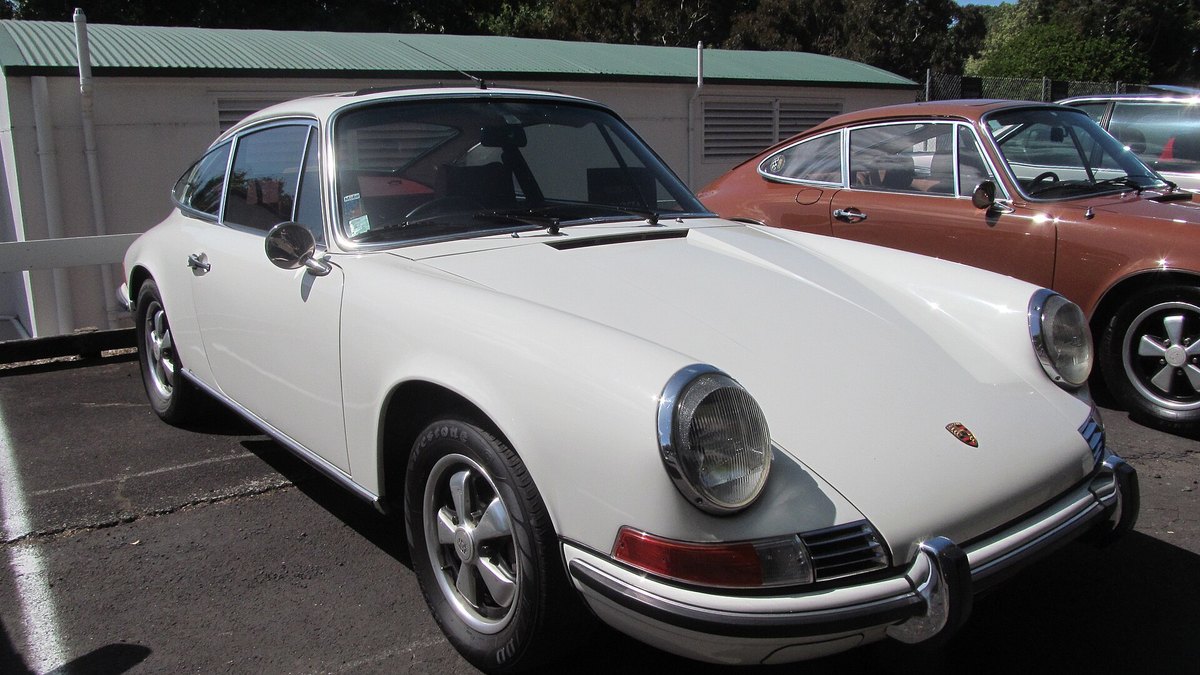
1964-1973 Porsche 911 (Original)
The ranking
1
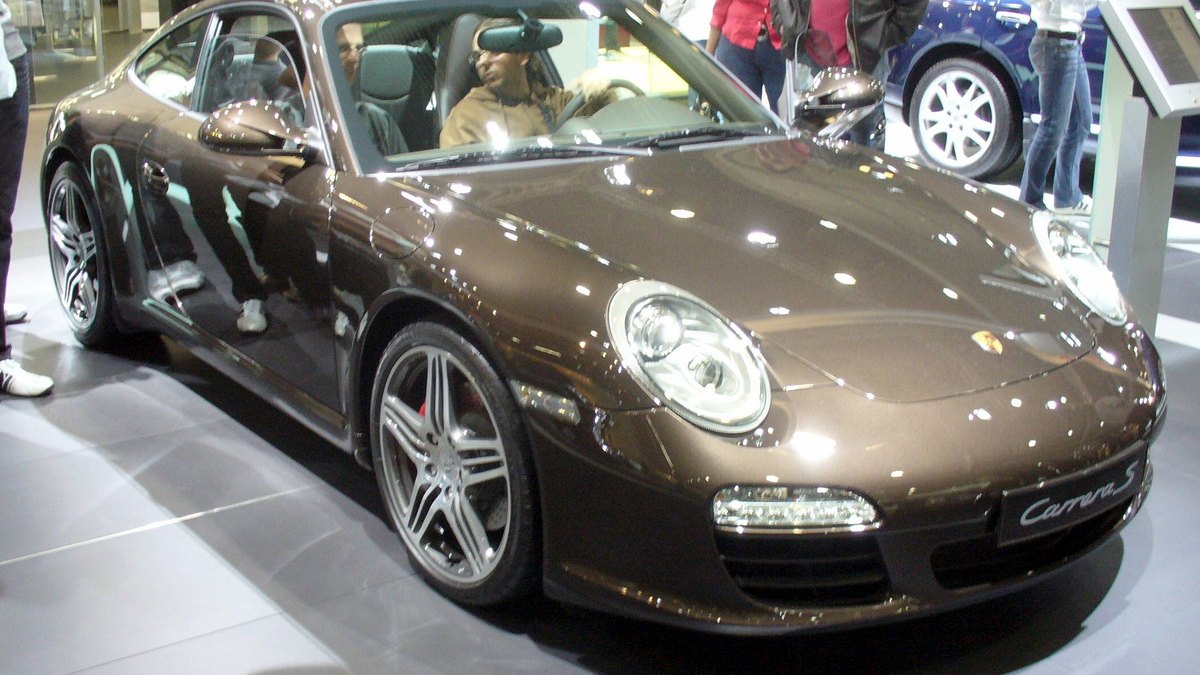
2009-2013 Porsche 911 (997.2)
Photo: Thomas doerfer / CC BY-SA 3.0 via Wikimedia Commons
Answrs VerdictThe one to buy.
Years: 2009-2013 (called 997 Gen II internally at Porsche)Engine: New engine with direct fuel injection, mounted 10 mm lower in the tailGearbox: PDK dual-clutch replaced the optional Tiptronic SLights: Headlamps with LED daytime running lights and new LED tail lightsReliability: Cylinder bore scoring can occur, but at a much lower rate than on the 997.1
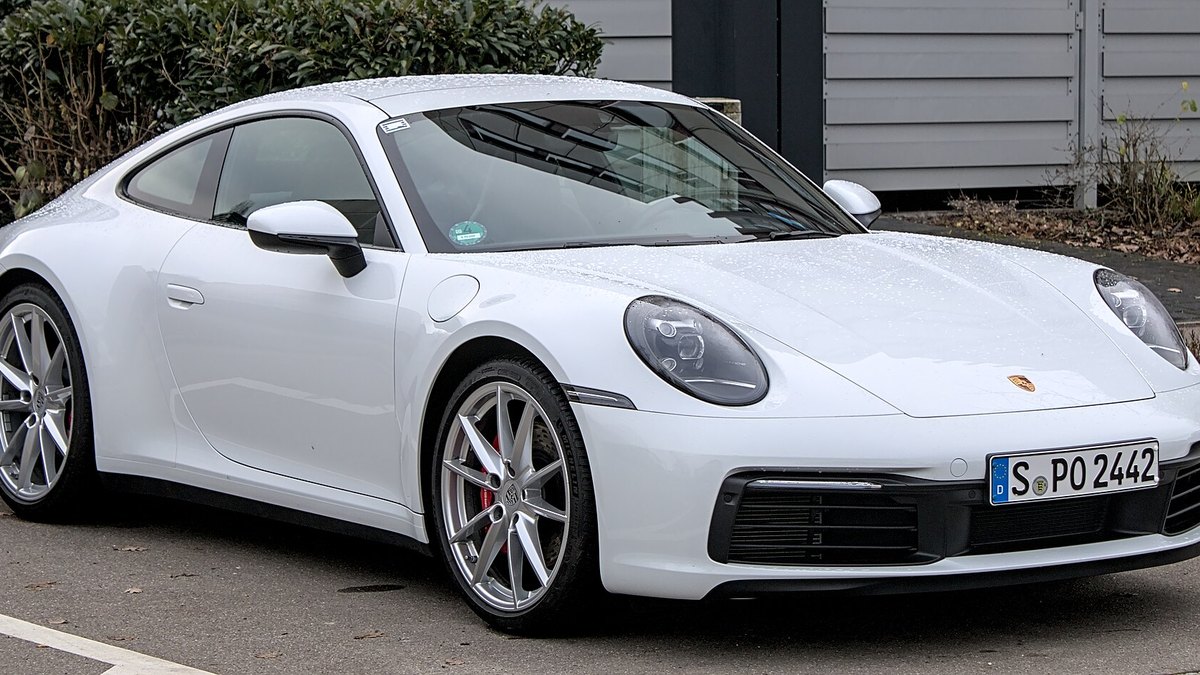
The 997.2, called 997 Gen II inside Porsche, brought a direct-injection engine mounted 10 mm lower and PDK in place of the optional Tiptronic S. Cylinder bore scoring can still occur, but at a much lower rate than on the 997.1.
Go ifThe most complete modern-classic 911
Skip ifYou want the newest driver aids and screens
Why #1 over #2: Its newer engine and PDK beat the 993 for everyday ownership.
2
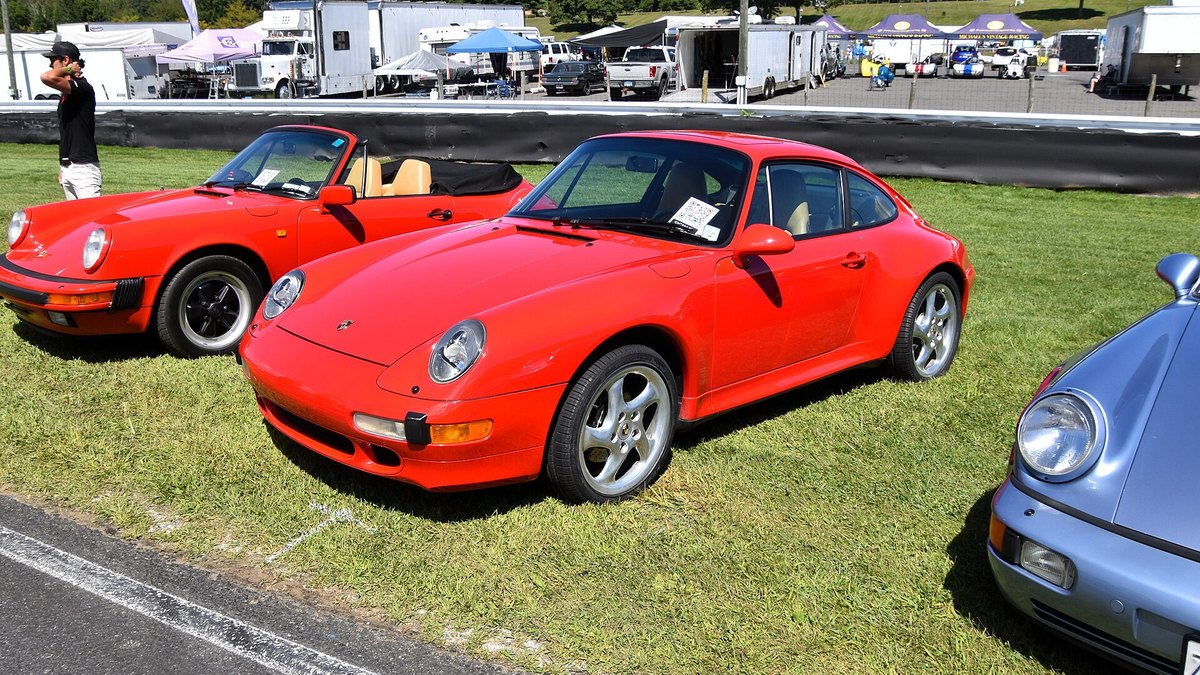
1994-1998 Porsche 911 (993)
Photo: Charles from Port Chester, New York / CC0 via Wikimedia Commons
Answrs VerdictThe last air-cooled 911.
Years: 1994-1998 (model years 1995-1998 in the US)Milestone: The last air-cooled 911Rear suspension: New multi-link rear suspension cut the tendency to oversteer when the throttle is liftedGearbox: First 911 with a six-speed manual as standard993 Turbo: Introduced in 1995 with a twin-turbo 3.6 L engine making 408 PS and the first all-wheel-drive 911 Turbo
The 993 is the last air-cooled 911. Its multi-link rear suspension cut the tendency to oversteer when the throttle is lifted, and it was the first 911 with a six-speed manual as standard.
Go ifThe air-cooled 911 with a modern chassis
Skip ifYou need a water-cooled engine and modern comfort
Why #2 over #3: Its air-cooled character beats the 991 for feel.
3
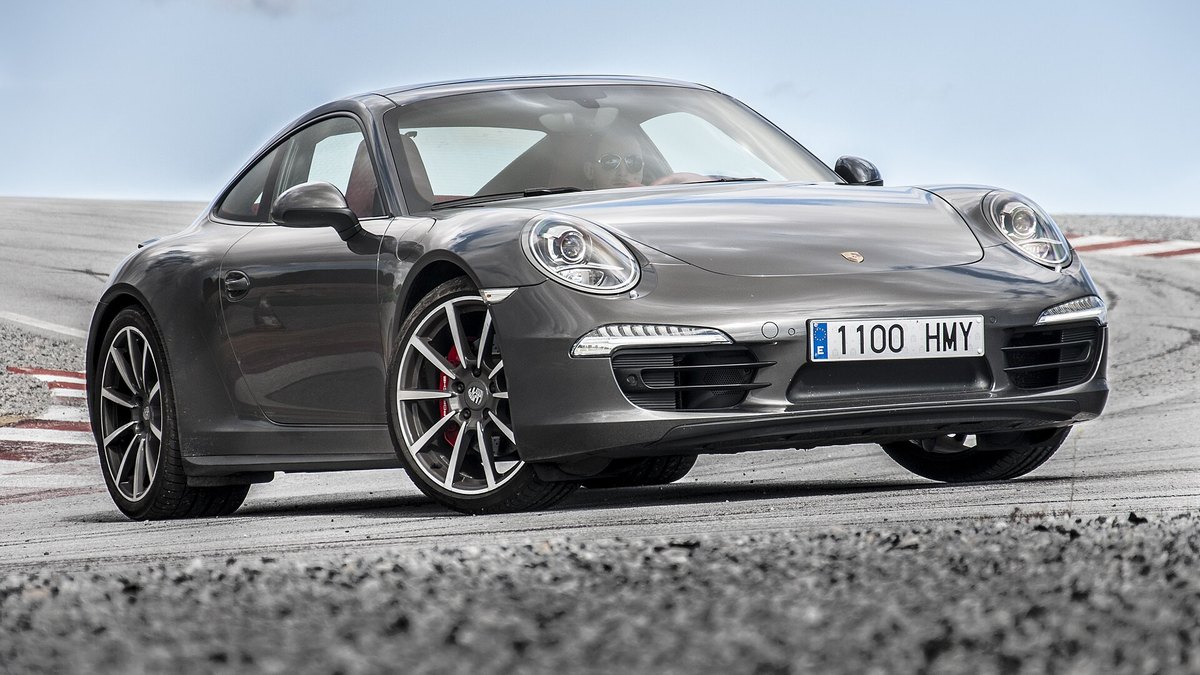
2011-2019 Porsche 911 (991)
Photo: David Villarreal Fernández / CC BY-SA 2.0 via Wikimedia Commons
Answrs VerdictThe best all-rounder.
Years: 2011-2019 (unveiled September 2011; production ended 20 December 2019)Platform: An entirely new platform, only the third since the original 911Production: 233,540 units built991.1 power: Carrera: 3.4 L flat-six with 350 PS991.2 (2016): New 3.0 L twin-turbo flat-six across the range, the first turbocharged base 911s
The 991 was an entirely new platform, only the third since the original 911, and 233,540 were built. The 991.2 added a 3.0 L twin-turbo flat-six across the range in 2016.
Go ifA daily-drivable 911 with a choice of two engines
Skip ifYou want an older, simpler feel
Why #3 over #4: Its long production run gives it more track record than the new 992.2.
4
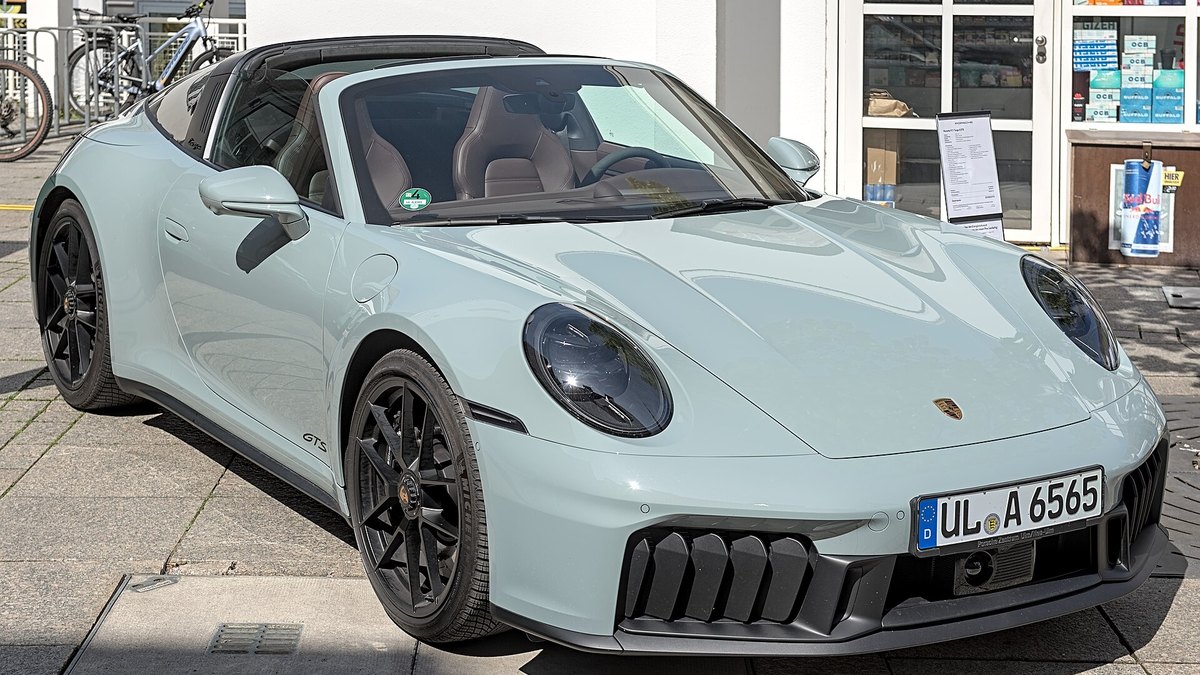
2024 Porsche 911 (992.2)
Photo: Alexander Migl / CC BY-SA 4.0 via Wikimedia Commons
Answrs VerdictThe hybrid 911.
Years: 2024 onward (launched May 28, 2024 for model year 2025)Carrera: 3.0 L twin-turbo flat-six with 394 PS and 450 N-m of torque, 0-60 mph in 3.9 secondsCarrera S: 480 PS 3.0 L twin-turbo flat-six, shown in January 2025Carrera GTS T-Hybrid: 3.6 L turbocharged flat-six with 541 PS, the first hybrid 911 in full-scale production
The 992.2 launched May 28, 2024. The Carrera makes 394 PS, and the Carrera GTS T-Hybrid is the first hybrid 911 in full-scale production with 541 PS.
Go ifThe newest 911 and the first hybrid
Skip ifYou want a proven, long-running design
Why #4 over #5: Its hybrid GTS and updated Carrera beat the first 992 on power.
5
2018-2024 Porsche 911 (992.1)
Photo: Alexander Migl / CC BY-SA 4.0 via Wikimedia Commons
Answrs VerdictThe first 992.
Years: 2018-2024 (introduced November 27, 2018; refreshed as the 992.2 in 2024)Launch: Carrera S and Carrera 4S first in November 2018; base Carrera and Carrera 4 in July 2019Body: 45 mm wider than its predecessor with aluminium body panelsStandard kit: 10.9-inch display, 8-speed PDK and a Wet Mode
The 992.1 arrived on November 27, 2018 as a 45 mm wider car with aluminium body panels, a 10.9-inch display and an 8-speed PDK as standard.
Go ifCurrent-shape 911 value before the hybrid
Skip ifYou want the hybrid GTS
Why #5 over #6: Its modern body and kit beat the 964 for daily use.
6
1989-1994 Porsche 911 (964)
Photo: Lothar Spurzem / CC BY-SA 2.0 de via Wikimedia Commons
Answrs VerdictThe first modernized 911.
Years: 1989-1994Engine: 3.6 L M64 flat-six with 250 PS (247 hp)Firsts: First 911 with Tiptronic automatic and all-wheel drive as optionsChassis: Coil springs replaced torsion bars; power steering and ABS added for the first timeNew parts: Considered 85% new compared with the Carrera 3.2
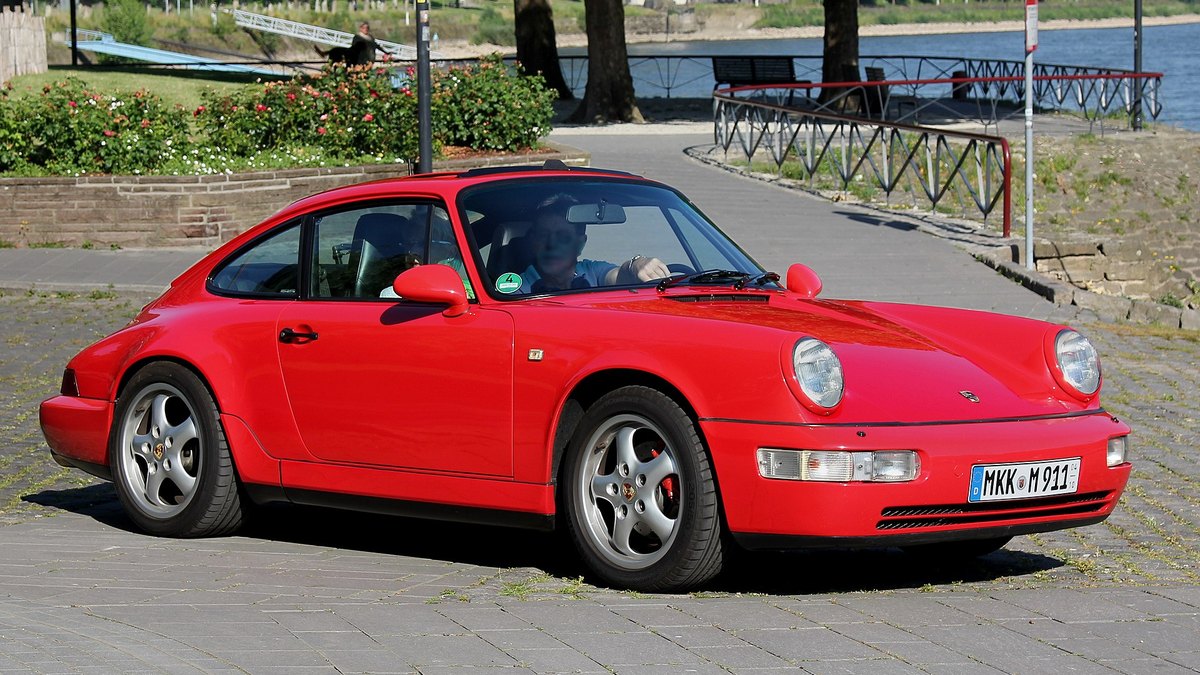
The 964 was considered 85% new compared with the Carrera 3.2. Its 3.6 L M64 flat-six makes 250 PS, and it added power steering, ABS and an all-wheel-drive option.
Go ifA usable air-cooled classic with ABS and power steering
Skip ifYou want the multi-link rear of the 993
Why #6 over #7: Its ABS and power steering beat the 997.1 for classic charm, but it is the older design.
7
2004-2008 Porsche 911 (997.1)
Photo: Calreyn88 / CC BY-SA 4.0 via Wikimedia Commons
Answrs VerdictThe cheaper 997.
Years: 2004-2008 (first phase of the 997)Look: Oval headlamps returned, replacing the 996 fried-egg unitsCarrera S: Added in 2005 with a 3.8 L engine and 29 PS more than the base CarreraReliability: IMS and rear main seal failures are uncommon: a larger non-serviceable IMS bearing and a PTFE seal were fittedWeak spot: 997.1 engines with the Lokasil block are more susceptible to cylinder bore scoring
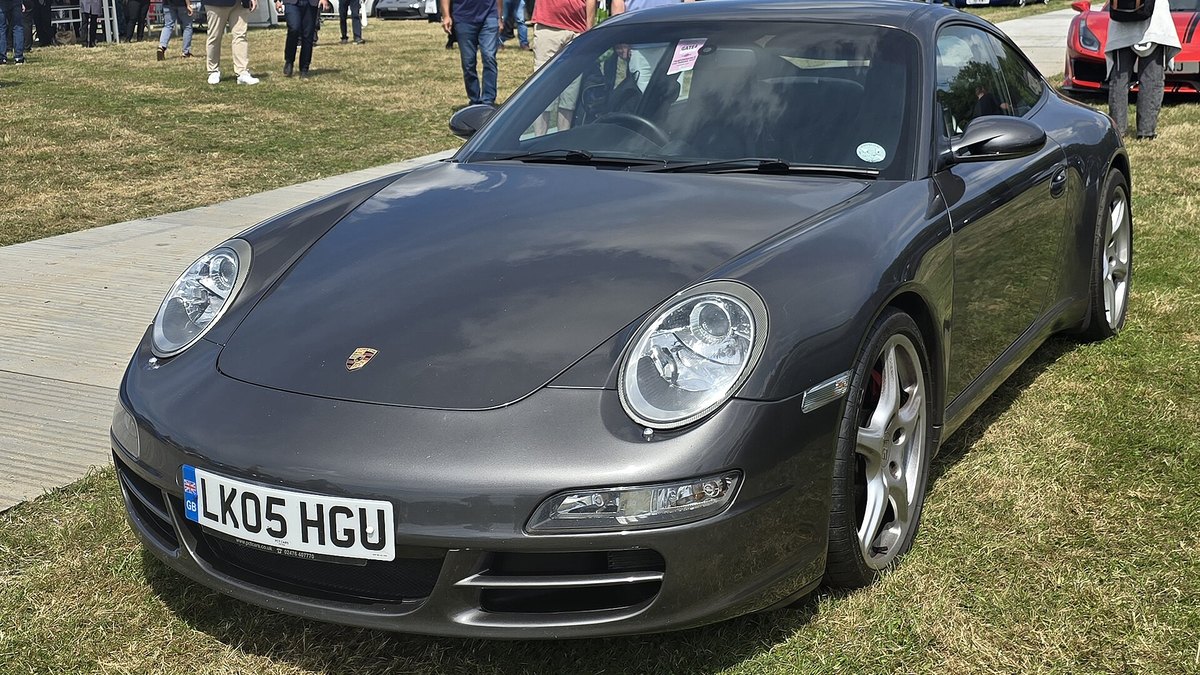
The 997.1 brought back oval headlamps. It addressed the 996 IMS and rear main seal problems, but its Lokasil-block engines are more susceptible to cylinder bore scoring.
Go ifA first-phase 997 with the oval headlamps
Skip ifYou want the lower bore-scoring rate of the 997.2
Why #7 over #8: Its fixed IMS bearing beats the G-Series for modern usability.
8
1974-1989 Porsche 911 (G-Series)
Photo: MrWalkr / CC BY-SA 4.0 via Wikimedia Commons
Answrs VerdictThe classic impact-bumper 911.
Years: 1974-1989Bumpers: Impact bumpers from 1974 to meet US low-speed protection rules; they stayed unchanged for 15 yearsCarrera 3.2: 1984 Carrera: 231 PS in most markets and 207 PS in North America911 Turbo (930): The first production turbo 911 in 1974: 3.0 L and 260 PS, then 3.3 L and 300 PS from 1978US price: 1984 Carrera coupe launched at US$31,950
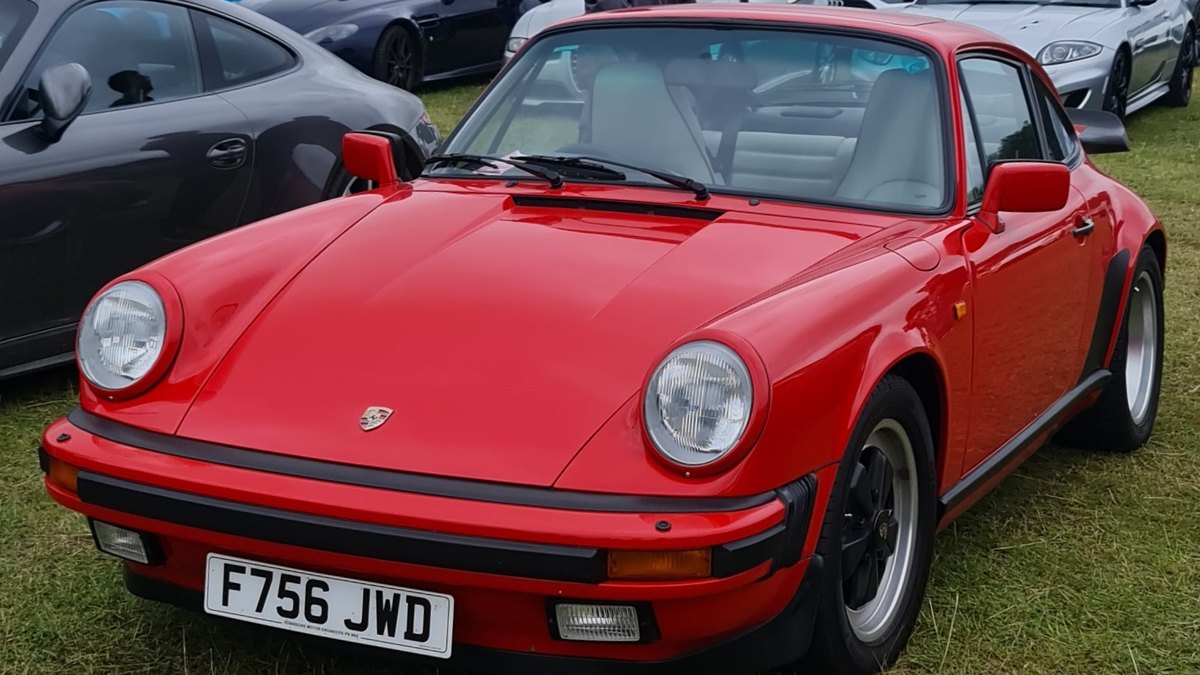
The G-Series ran from 1974 to 1989 with impact bumpers. The 1984 Carrera made 231 PS in most markets and the 1974 911 Turbo was the first production turbo 911.
Go ifThe long-running air-cooled 911 with the 3.2 Carrera
Skip ifYou want ABS and power steering
Why #8 over #9: Its long run and Carrera 3.2 beat the Original for usability.
9
1964-1973 Porsche 911 (Original)
Photo: NZ Car Freak / CC BY 2.0 via Wikimedia Commons
Answrs VerdictThe original.
Years: 1964-1973 (production began September 1964)Engine: 2.0 L air-cooled flat-six making 130 PS with a five-speed manualDesign: Styled by Ferdinand Butzi PorscheLayout: Rear-engined and air-cooled with 2+2 seating
The Original began production in September 1964 with a 2.0 L air-cooled flat-six making 130 PS and a five-speed manual, styled by Ferdinand Butzi Porsche.
Go ifThe purest and most historic 911
Skip ifYou want to drive it daily
Why #9 over #10: Its clean record beats the 996 documented engine issues.
10
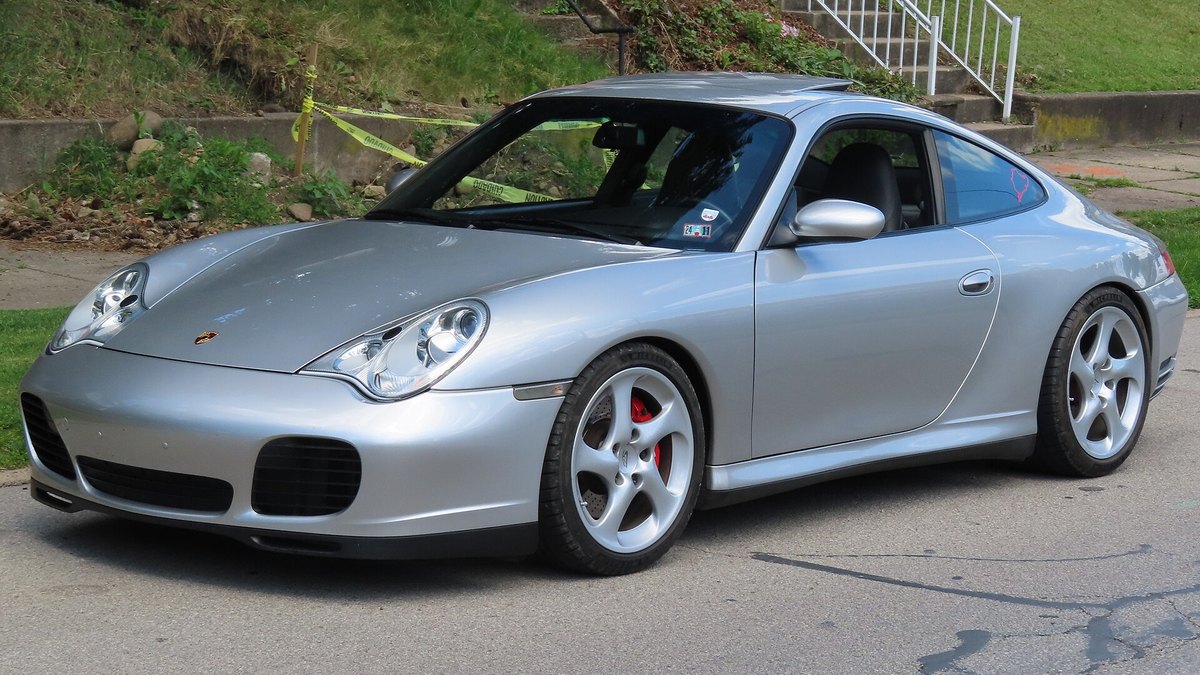
1997-2004 Porsche 911 (996)
Photo: MercurySable99 / CC BY-SA 4.0 via Wikimedia Commons
Answrs VerdictThe risky one.
Years: 1997-2004 (Turbo S, GT2 and GT3 stayed in production until 2006)Engine: First water-cooled 911: 3.4 L flat-six with 300 PSPlatform: The first all-new chassis platform since the original 911IMS bearing: The subject of the Eisen class action; failure rates of up to 8% were disclosed in discoveryOther issues: Rear main seal leaks, cylinder cracking and bore scoring are also documented; Mezger GT3, Turbo and GT2 engines are not affected
The 996 was the first water-cooled 911 with a 300 PS 3.4 L flat-six. The IMS bearing became the subject of the Eisen class action, with failure rates of up to 8% disclosed.
Go ifThe cheapest way into a water-cooled 911 if the IMS is sorted
Skip ifYou will not budget for the documented engine issues
How we ranked these
We ranked each generation on its engineering step, documented reliability issues and production history. The 997 and 992 are split into the 997.1/997.2 and 992.1/992.2 phases because the cars differ clearly; the 991 stays whole. Facts are taken from each maker's own published information; check the official site before you buy.
Questions people ask
What is the best Porsche 911 generation?
The 2009-2013 997.2, called 997 Gen II inside Porsche, ranks first: it has the direct-injection engine and PDK, and bore scoring occurs at a much lower rate than on the 997.1.
Which Porsche 911 was the last air-cooled generation?
The 993, built from 1994 to 1998, was the last air-cooled 911; it was also the first with a six-speed manual as standard.
Which 911 generations have the IMS bearing problem?
The 996 is the best known: failure rates of up to 8% were disclosed in the Eisen class action. The 997.1 addressed it with a larger non-serviceable IMS bearing, and IMS failures on the 997 are uncommon.
When did the 911 become water-cooled?
With the 996, sold from 1997; its 3.4 L flat-six made 300 PS.
Base-model power (PS, as published) at a glance
1964-1973 Porsche 911 (Original)130 PS
1974-1989 Porsche 911 (G-Series)231 PS
1989-1994 Porsche 911 (964)250 PS
1997-2004 Porsche 911 (996)300 PS
2011-2019 Porsche 911 (991)350 PS
2024 Porsche 911 (992.2)394 PS
Base-model power (PS, as published), as published by each maker. Picks without a published figure are left off.