The 1976 Datsun 280Z is the best sports car of 1976, with the Porsche 911S at #2 and the Chevrolet Corvette (C3) at #3. The 280Z paired a fuel-injected 2.8 L inline-6 with two-seater and 2+2 bodies, and added an optional five-speed manual late in 1976. For value to own today, the MG MGB is known for inexpensive, readily available parts.
1,798 cc B-Series inline-4; US-market engines de-tuned from 1975
An affordable, simple British roadster to own today
Pick by what you want
Best overall
1976 Datsun 280Z (S30)
Best handling heritage
1976 Porsche 911S (G-series)
Most power
1976 Chevrolet Corvette (C3)
Best mid-engine
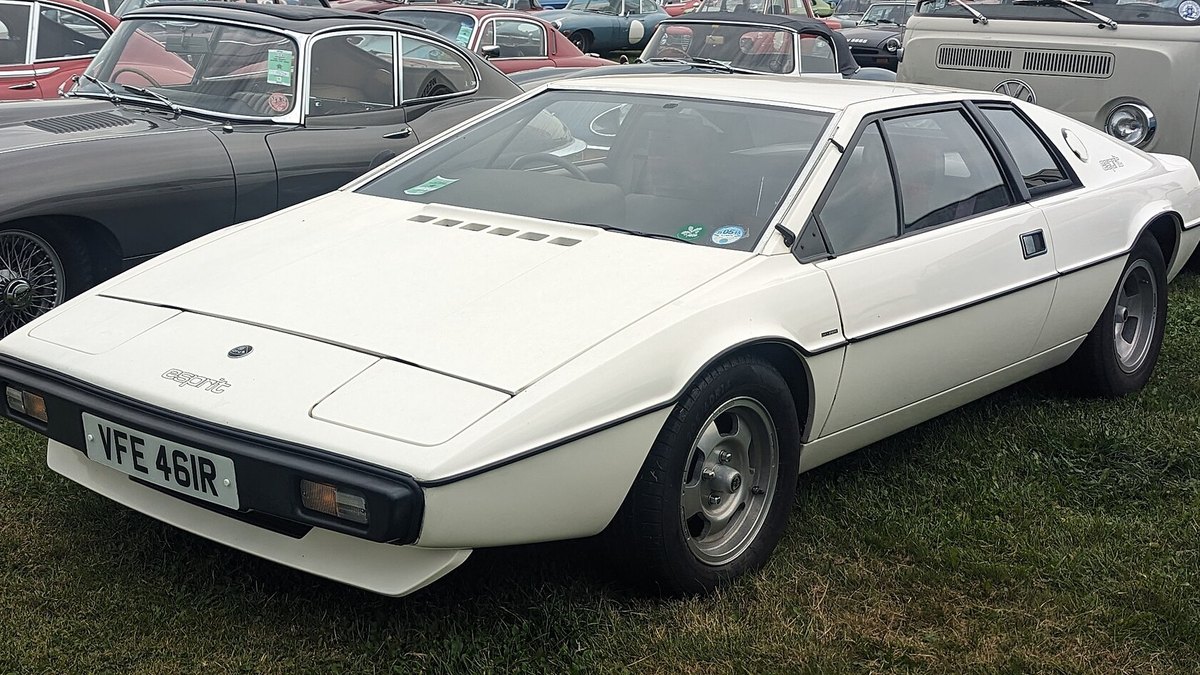
1976 Lotus Esprit (S1)
Best value to own
1976 MG MGB (Mk III)
The ranking
1
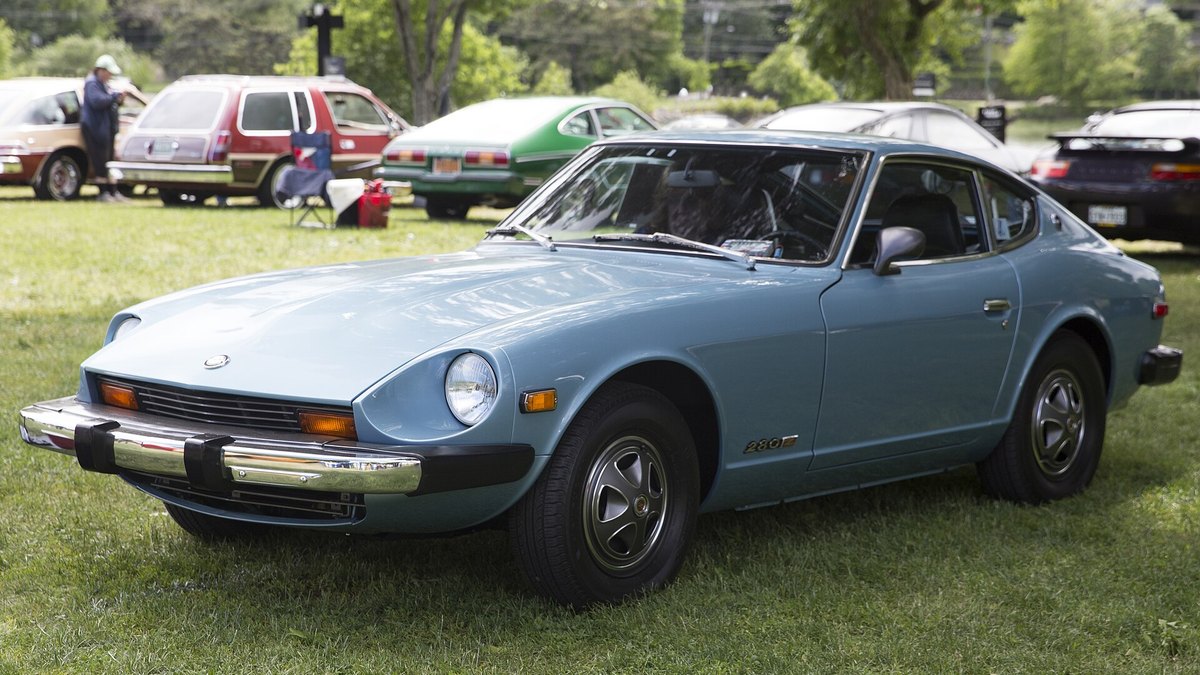
1976 Datsun 280Z (S30)
Photo: Mr.choppers / CC BY-SA 4.0 via Wikimedia Commons
Answrs VerdictThe fuel-injected Z, the pick of 1976.
Engine: 2.8 L L28 inline-6 with Bosch L-Jetronic fuel injection1976 bumpers: Smooth 5 mph impact bumpers, used on the 1975 and 1976 modelsGearbox: Optional five-speed manual from late 1976, alongside the four-speed manual and three-speed automaticBody styles: Two-seater and 2+2 coupes, 1975-1978
The 280Z used a 2.8 L L28 six with Bosch L-Jetronic fuel injection, and 1976 cars kept the smooth 5 mph bumpers of the 1975 model. Late in 1976 an optional five-speed manual joined the four-speed manual and three-speed automatic, and it came as a two-seater or a 2+2.
Go ifA fuel-injected six-cylinder Z for everyday classic driving
Skip ifYou want an open-top roadster
Why #1 over #2: Its fuel-injected 2.8 L six, two body styles and new five-speed option made it the most complete sports car of 1976.
2
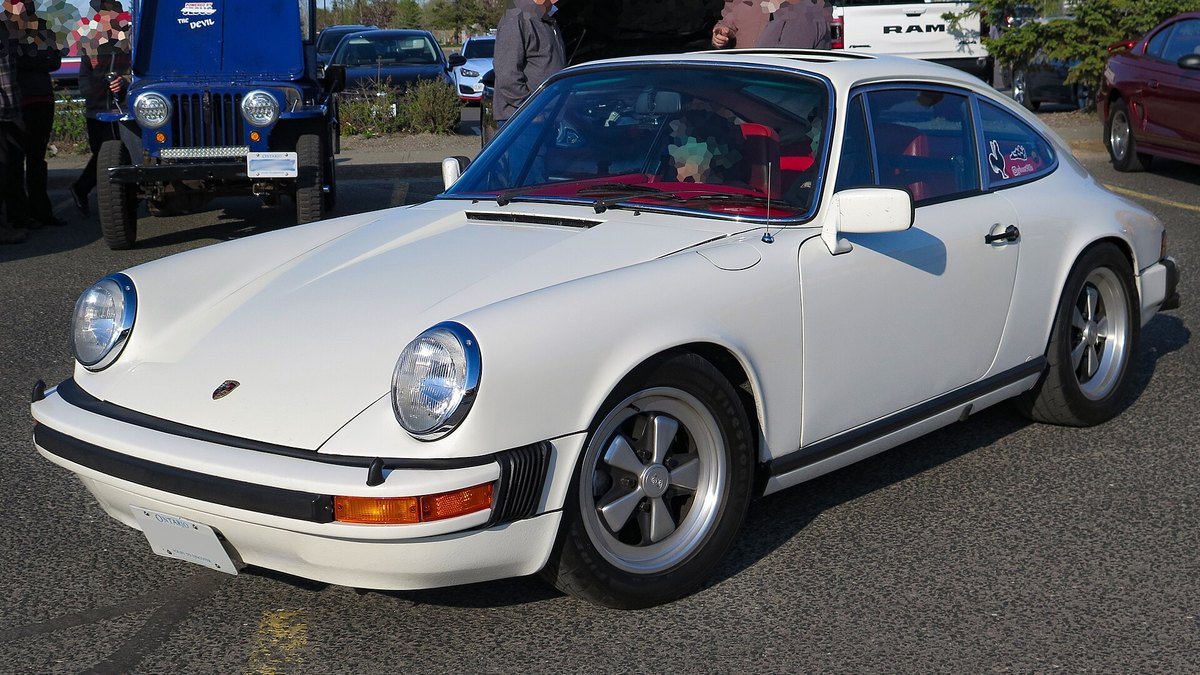
1976 Porsche 911S (G-series)
Photo: Elise240SX / CC BY-SA 4.0 via Wikimedia Commons
Answrs VerdictThe G-series 911 with the 2.7.
Engine: 2,687 cc flat-6 with Bosch K-Jetronic fuel injection (1974-1977 911 and 911S)Power: 175 PS (911S)Bumpers: Impact bumpers arrived for model year 1974 and stayed unchanged for 15 years
The 1974-1977 911S used the 2,687 cc flat-6 with K-Jetronic fuel injection, rated at 175 PS, and wore the impact bumpers that stayed unchanged for 15 years.
Go ifAir-cooled 911 handling with the bigger 2.7 flat-6
Skip ifYou want a front-engine V8
Why #2 over #3: Its 175 PS flat-6 and 911 chassis edge out the Corvette as a driver’s sports car.
3
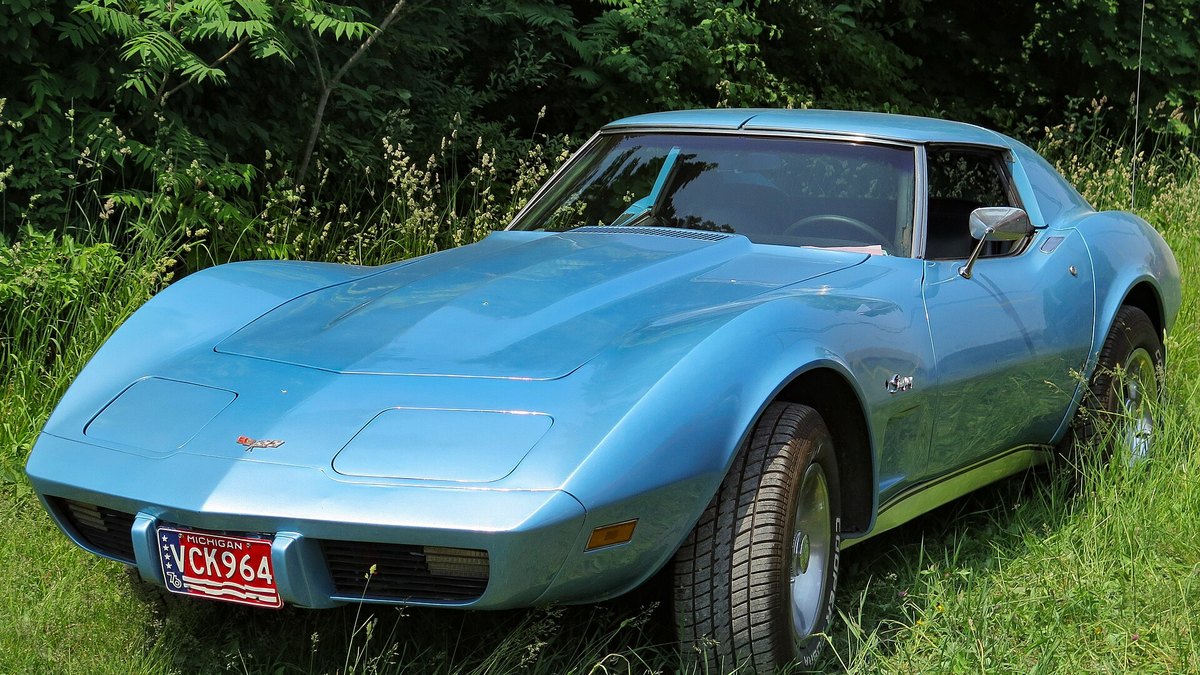
1976 Chevrolet Corvette (C3)
Photo: Elise240SX / CC BY-SA 4.0 via Wikimedia Commons
Answrs VerdictThe last Corvette Stingray of the C3 era.
Engine: Base L48 V8 with 180 hp; optional L82 with 210 hp0-60 mph: 6.8 sec for both L48 and L82 four-speed cars (Car and Driver)Stingray name: Last model year of the C3 Stingray name (1969-1976)New for 1976: Steel floor panels shielding the catalytic converter; cast aluminum wheels optional
For 1976 the Corvette’s base L48 made 180 hp and the L82 210 hp; Car and Driver ran 0-60 mph in 6.8 sec with either engine and a four-speed. It was the last year of the C3 Stingray name, and new steel floor panels shielded the catalytic converter.
Go ifV8 power in a two-seat sports car
Skip ifYou want light, nimble handling
Why #3 over #4: Its 180 hp base V8 out-muscles the 924’s 2.0 L four.
4
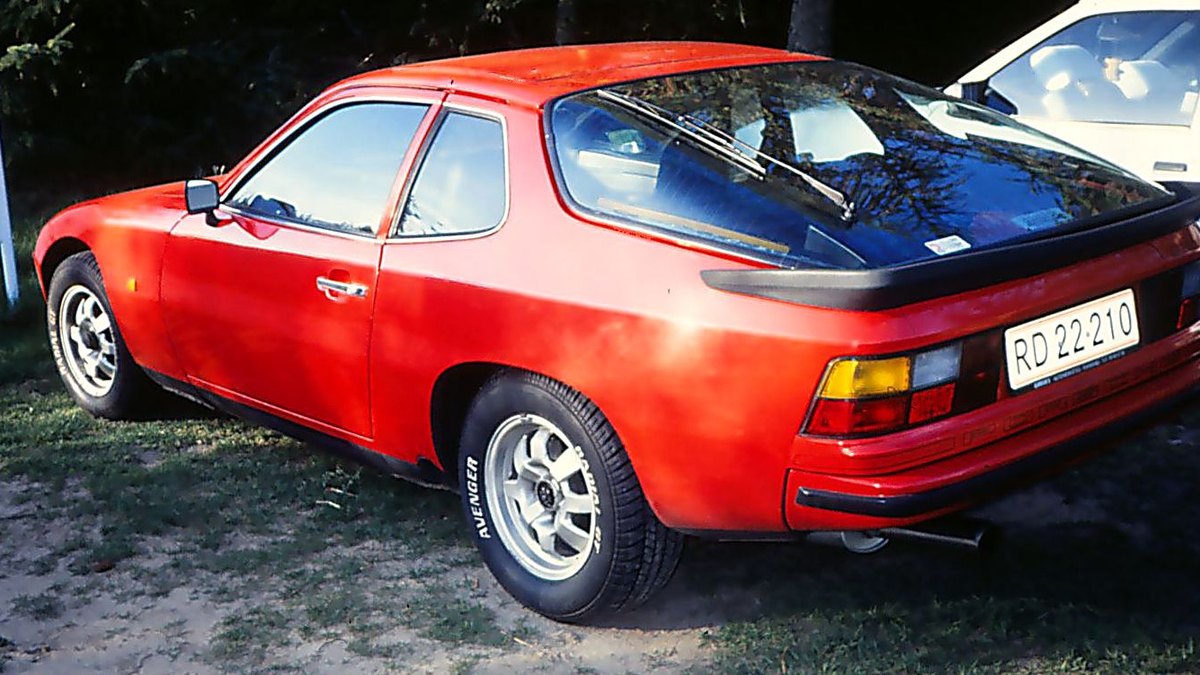
1976 Porsche 924
Photo: BKP / CC BY-SA 3.0 via Wikimedia Commons
Answrs VerdictThe first water-cooled Porsche.
Engine: 2.0 L inline-4 with Bosch K-Jetronic, 125 PS in European specDebut: Public debut November 1975; production from 1976Layout: First production road Porsche with water cooling and front-engine, rear-wheel driveGearbox: Four-speed manual was the only transmission for the initial 1976 model
The 924 made its public debut in November 1975 and went into production in 1976 as the first production road Porsche with water cooling and a front engine driving the rear wheels. The European 2.0 L made 125 PS, and the initial 1976 model came with a four-speed manual only.
Go ifA balanced front-engine Porsche with a transaxle layout
Skip ifYou want six cylinders
Why #4 over #5: It is the easier car to live with, while the Esprit S1 is rare today mostly due to drivetrain problems.
5
1976 Lotus Esprit (S1)
Photo: Calreyn88 / CC BY 4.0 via Wikimedia Commons
Answrs VerdictThe Giugiaro wedge, new for 1976.
Engine: 1,973 cc Lotus 907 inline-4: 160 hp in European trim, 140 hp US/FederalProduction: Launched October 1975 at the Paris Motor Show; production began June 1976Design: Wedge-shaped body by Giorgetto GiugiaroTop speed: 214 km/h (133 mph) in 1976
Launched at the Paris Motor Show in October 1975, the Giugiaro-styled Esprit entered production in June 1976. Its 1,973 cc Lotus 907 four made 160 hp in European trim and 140 hp in US/Federal form, and the 1976 car topped out at 214 km/h (133 mph).
Go ifMid-engine wedge styling and sharp steering
Skip ifYou want easy ownership (the S1 is rare today, mostly due to drivetrain problems)
Why #5 over #6: Its mid-engine wedge and 160 hp European rating outclass the TR6’s 106 bhp six.
6
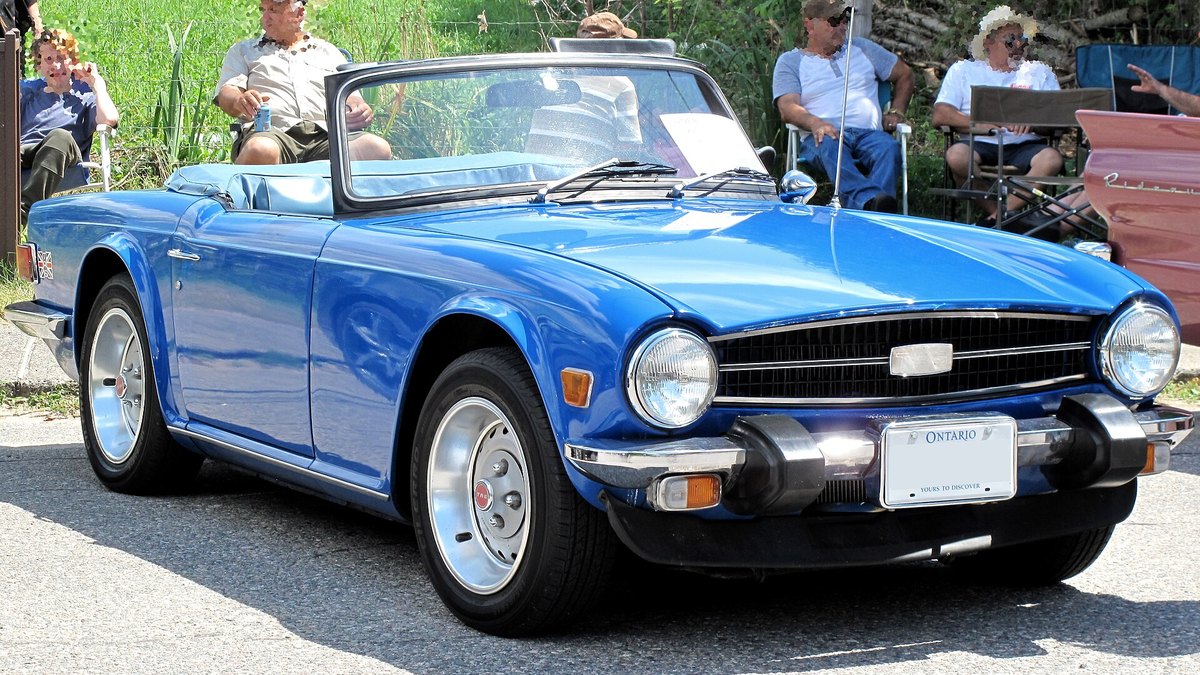
1976 Triumph TR6
Photo: Elise240SX / CC BY-SA 4.0 via Wikimedia Commons
Answrs VerdictThe final-year British straight-six roadster.
Engine: 2.5 L inline-6; later US carburettor cars rated 106 bhpLast car: The last TR6 was built on 14 July 1976Production: 91,850 built; 83,480 exported, almost all to the US1976 only: Inca yellow was a colour only offered on 1976 TR6s
The TR6 used a 2.5 L six in a Karmann-designed body; later US carburettor cars were rated at 106 bhp. The last one was built on 14 July 1976, and of 91,850 built, 83,480 were exported, almost all to the US.
Go ifA traditional British six-cylinder roadster from its final year
Skip ifYou want a modern unibody car
Why #6 over #7: Its 2.5 L six has two more cylinders than the Alfa’s twin-cam four.
7
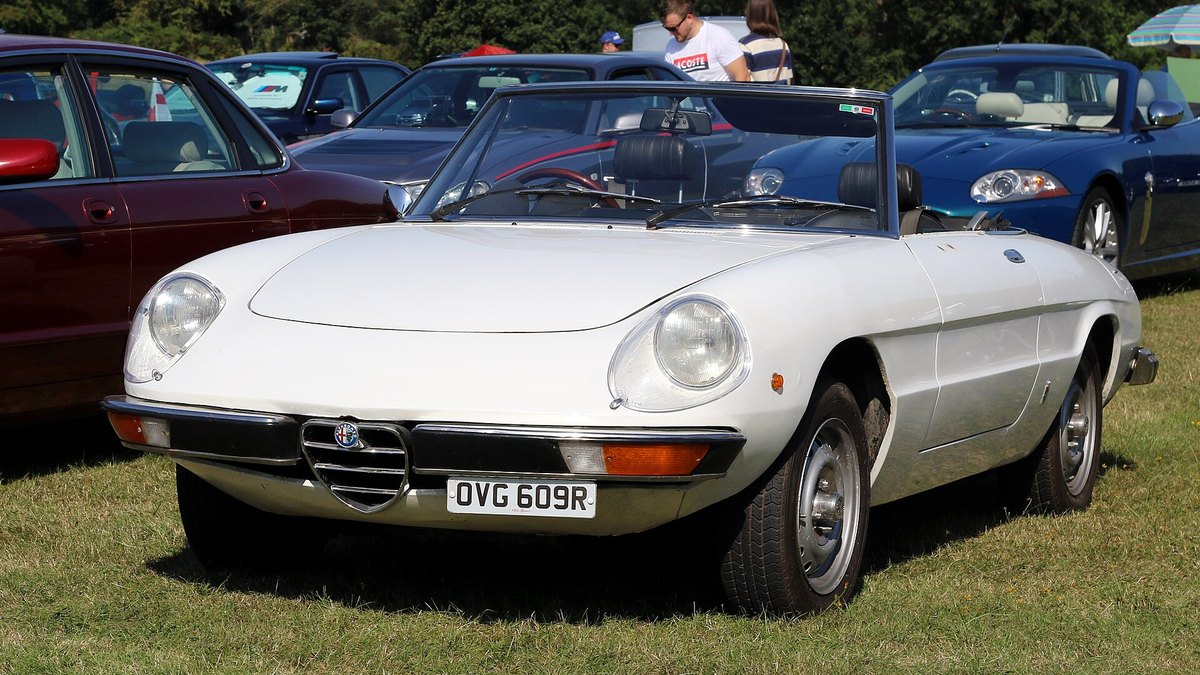
1976 Alfa Romeo Spider Veloce (Series 2)
Photo: Charles01 / CC BY-SA 4.0 via Wikimedia Commons
Answrs VerdictThe twin-cam Italian roadster.
Engine: 1,962 cc twin-cam inline-4 with 132 hp (2000 Spider Veloce, from 1971)US version: 22,059 Spider Veloce 2000 Iniezione madeBody: Series 2 Kamm tail; black rubber-clad bumpers phased in 1974-1976 for North America
The 2000 Spider Veloce used a 1,962 cc twin-cam four rated at 132 hp when it arrived in 1971, and 22,059 of the US Iniezione version were made. Between 1974 and 1976 black rubber-clad bumpers replaced the stainless-steel ones for North America.
Go ifA twin-cam Italian roadster with a Kamm tail
Skip ifYou want six cylinders
Why #7 over #8: Its 1,962 cc twin-cam has far more power than the X1/9’s 1,290 cc four.
8
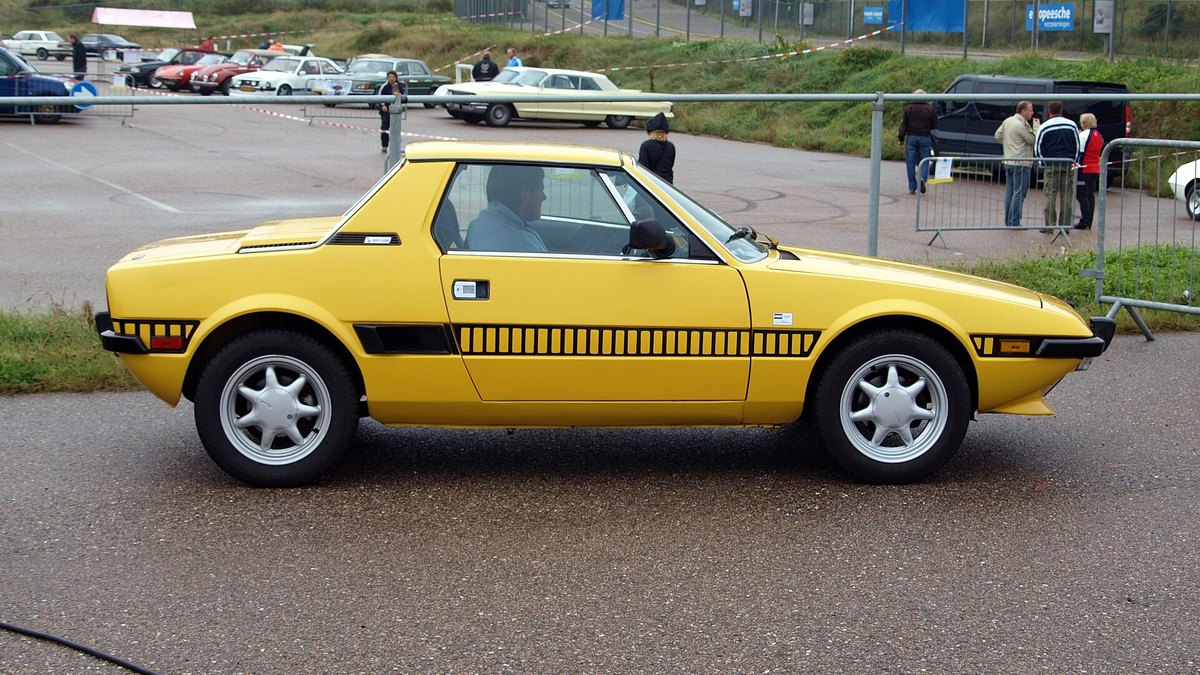
1976 Fiat X1/9
Photo: Alf van Beem / CC0 via Wikimedia Commons
Answrs VerdictThe mid-engine targa for small money.
Engine: 1,290 cc SOHC inline-4 mounted mid-ship; 1975-1978 US cars rated 61 hpDesign: Bertone, chief designer Marcello GandiniNew for 1976: Fiat began marketing a right-hand drive version in 1976Sales: About 2/3 of roughly 160,000 X1/9s were sold in the USA
Bertone’s X1/9 put a 1,290 cc four behind the cabin. The 1975-1978 US cars were rated at 61 hp, Fiat began marketing a right-hand drive version in 1976, and about 2/3 of roughly 160,000 built were sold in the USA.
Go ifMid-engine balance in a small targa
Skip ifYou want straight-line speed
Why #8 over #9: Its mid-engine layout makes it the better-balanced sports car than the front-engine Trans Am.
9
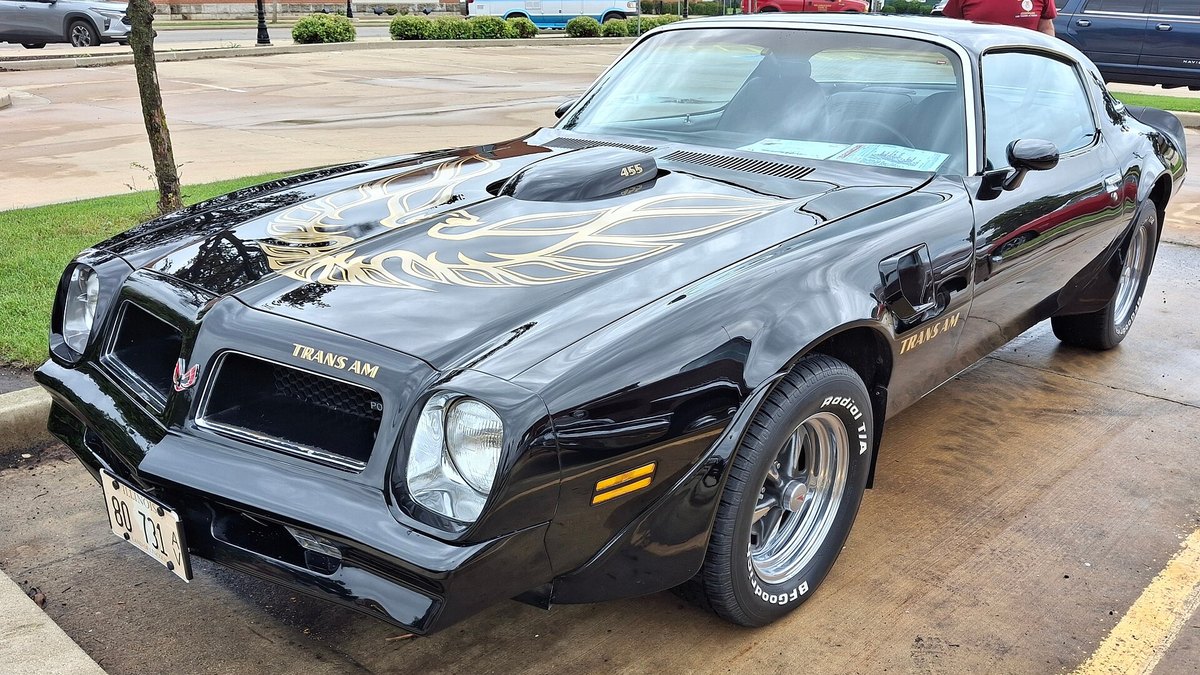
1976 Pontiac Firebird Trans Am 455
Photo: Xnatedawgx / CC BY-SA 4.0 via Wikimedia Commons
Answrs VerdictThe last 455 Trans Am.
Engine: L75 7.5 L 455 V8, four-speed Super T-10 manual only, Trans Am onlyFinal year: 1976 marked the end of the 455 V8, which could no longer meet emissions limitsSpecial edition: 50th Anniversary black-and-gold Limited Edition (RPO Y82), 2,590 built
1976 was the last year of the Pontiac 455 V8, offered only in the Trans Am with a four-speed Super T-10 manual. Pontiac also marked its 50th anniversary with a black-and-gold Limited Edition, of which 2,590 were built.
Go ifThe last big-cube Pontiac V8
Skip ifYou want an automatic (the 455 came with a four-speed only)
Why #9 over #10: Its 7.5 L V8 has far more displacement than the MGB’s 1,798 cc four.
10
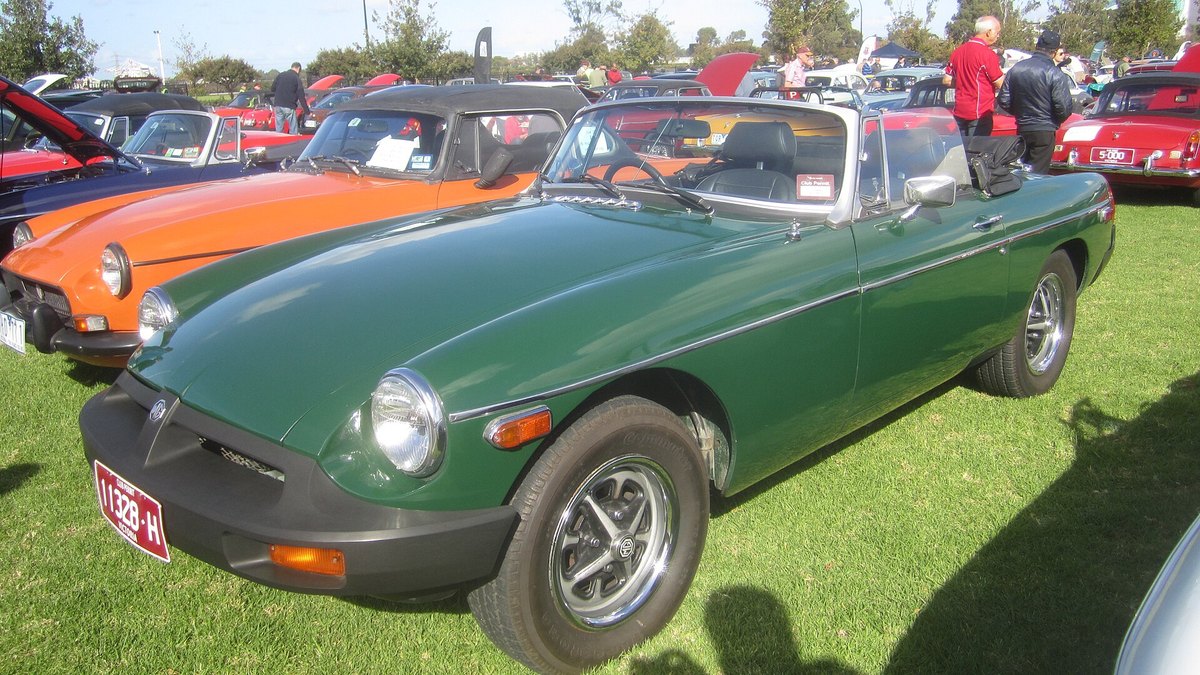
1976 MG MGB (Mk III)
Photo: Sicnag / CC BY 2.0 via Wikimedia Commons
Answrs VerdictThe easy-to-own British roadster.
Engine: 1,798 cc B-Series inline-4; US-market engines de-tuned from 1975US changes from 1975: Rubber bumpers and ride height raised by an inchSales: 523,836 MGB, MGC and MGB GT V8 combinedOwnership: Inexpensive, readily available parts and simple mechanics
From 1975, US-market MGBs got rubber bumpers, an inch more ride height and de-tuned engines. Its 1,798 cc B-Series four, simple mechanics and inexpensive parts keep it popular with collectors, and 523,836 MGB, MGC and MGB GT V8 cars were sold.
Go ifAn affordable, simple British roadster to own today
Skip ifYou want performance
How we ranked these
We ranked each 1976 sports car on its published performance and engineering for that model year, judged against the emissions limits of 1976, plus how it is to own today. Every figure comes from the sources listed. Facts are taken from each maker's own published information; check the official site before you buy.
Questions people ask
What was the best sports car of 1976?
Our pick is the Datsun 280Z, with a fuel-injected 2.8 L inline-6 and, from late 1976, an optional five-speed manual.
How much power did the 1976 Corvette have?
The base L48 V8 made 180 hp and the optional L82 made 210 hp.
Was 1976 the last year of the 455 Trans Am?
Yes. 1976 marked the end of the Pontiac 455 V8, offered only in the Trans Am with a four-speed manual.
When did the Lotus Esprit go on sale?
It was launched at the Paris Motor Show in October 1975 and entered production in June 1976.
Horsepower (as published) at a glance
1976 Fiat X1/961 hp
1976 Triumph TR6106 hp
1976 Lotus Esprit (S1)160 hp
1976 Chevrolet Corvette (C3)180 hp
Horsepower (as published), as published by each maker. Picks without a published figure are left off.