Should I open or buy a Hampton Inn franchise in 2027?
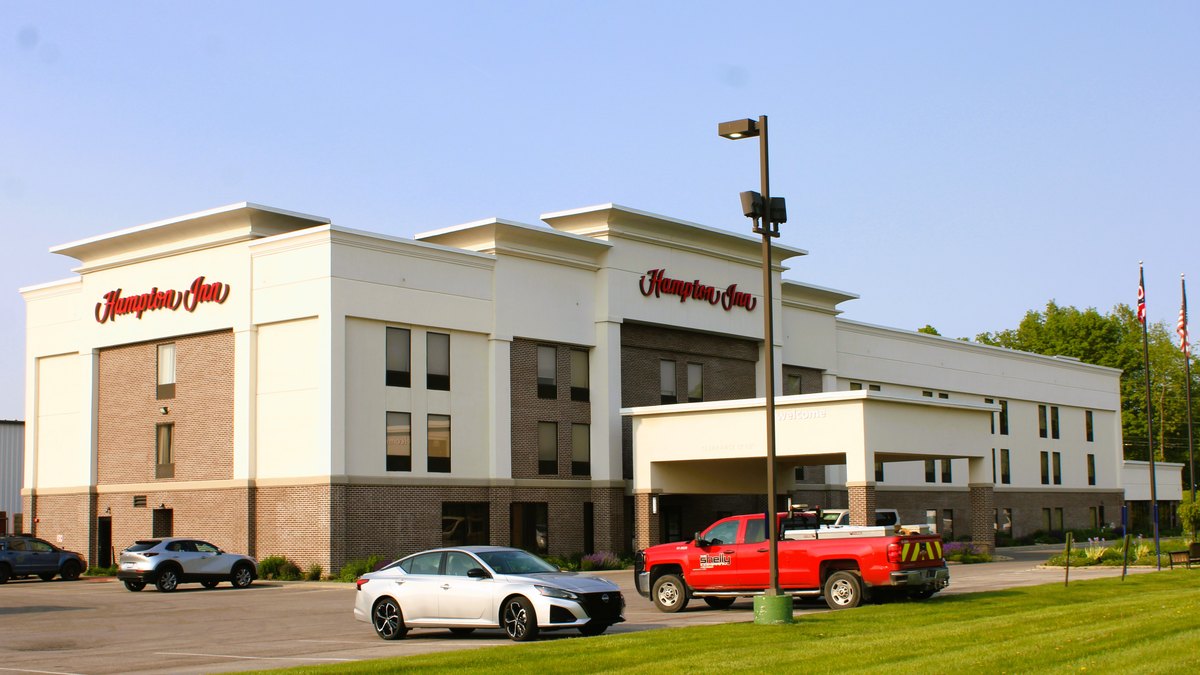
A Hampton Inn franchise is a hotel development, not a small-business purchase. Under Hilton's 2026 Hampton FDD (issued March 30, 2026), the estimated total investment to build and open a new 89-room Hampton Inn is $17,043,739 to $24,732,532, and $19,964,850 to $29,121,080 for a 113-room Hampton Inn & Suites. Both figures exclude real property. The franchise application fee for a new development or conversion is $100,000 (plus $400 per room over 150), and the ongoing fees are a 6% royalty and a 4% program fee, both on gross rooms revenue.
The model tends to suit an owner with real estate, construction financing and hotel-operating capacity, or one buying or converting an existing hotel. It is a harder fit if you want an exclusive territory or a right to renew: the FDD says franchisees get a non-exclusive license with no protected territory, and no right to renew or extend the agreement.
Whether it is worth it depends on the site, the market and your costs, which no article can tell you. Hilton's own Item 19 reports revenue per available room for 2025 but not profit. This page lays out what the filing says and how to test a specific deal. It is not financial advice: read the full FDD and talk to a franchise attorney before you sign or pay anything.
What it costs to open a Hampton Inn
Every figure here is from Hilton's own 2026 Hampton FDD, Items 5 and 7, issued March 30, 2026. Hilton states that no government agency has verified the document, and that you must receive it at least 14 calendar days before you sign or pay anything, which matches the FTC Franchise Rule compliance guide.
- New 89-room Hampton Inn: total estimated investment$17,043,739 to $24,732,532 (excludes real property)
- New 113-room Hampton Inn & Suites: total estimated investment$19,964,850 to $29,121,080 (excludes real property)
- Franchise application fee, new development or conversion$100,000 plus $400 for each room or suite over 150
- Franchise application fee, change of ownership$200,000
- Franchise application fee, re-licensing$100,000
- Construction and leasehold improvements, 89 rooms$12,478,374 to $18,024,318
- Furniture, fixtures and equipment, 89 rooms$1,254,480 to $1,782,681
- Additional funds (working capital), 89 rooms$500,000 to $700,000
Hilton's own cover page says the 89-room total includes up to $225,380 paid to Hilton or its affiliates; the rest goes to builders, suppliers, governments and others. The same table lists contingencies of $1,247,837 to $1,802,432 and design and engineering fees of $499,135 to $720,973 for the 89-room hotel.
Ongoing fees: royalty, program fee and loyalty
Item 6 of the 2026 Hampton FDD lists a monthly royalty of 6% of gross rooms revenue and a monthly program fee of 4% of gross rooms revenue, each payable by the 15th day of the following month. Hilton may change the program fee rate, but the FDD says it will not exceed the current rate plus 1% of gross rooms revenue over the term.
Gross rooms revenue is a revenue measure: the fees are owed whether or not the hotel is profitable. The FDD also lists a Hilton Honors charge, currently 4.6% of the total eligible guest folio, waived for stays in which the guest enrolls on property, plus connectivity charges of $400 to $600 per month and hardware and software maintenance of $1,114 to $2,568 per month.
Hilton says it occasionally reduces the royalty for multi-unit or more experienced franchisees, for conversions and in other unique circumstances, and that it modified the royalty in 75 instances during 2025. It is not obligated to do so, so negotiate in writing before you sign rather than assuming a reduction.
What Hilton publishes about hotel performance
Item 19 of the 2026 Hampton FDD makes a financial performance representation for 2025 across Hampton Comparable Hotels in the US: 1,893 of the 2,410 Hampton hotels operating at December 31, 2025. It reports revenue per room, not profit. The average RevPAR (gross rooms revenue divided by available guest rooms) was $105.90 and the median was $100.01, ranging from $34.81 to $300.28.
- Average room rate, 2025 Comparable Hotels$149.08 (median $140.32)
- Average occupancy, 202571.0% (median 71.1%)
- Average RevPAR, 2025$105.90 (median $100.01)
- RevPAR range, 2025$34.81 to $300.28
- Average RevPAR Index, 2025120.8 (median 122.5)
- Franchisee-managed hotels at or above average RevPAR757 hotels, 40.3%
Read the last row closely: the average is pulled up by stronger hotels, and Hilton reports that 757 franchisee-managed Comparable Hotels, 40.3%, met or exceeded it. The Item 19 figures do not include operating costs, debt service or net income, so they cannot tell you what an owner keeps. To judge a specific deal, ask Hilton for the actual records of the hotel you would buy, and build your own pro forma from a market study.
New build, conversion or change of ownership
The 2026 Hampton FDD (Item 17) says a new-construction agreement generally runs 22 years from its effective date, a conversion generally 10 to 20 years from the opening date, and a change of ownership generally the remaining term of the existing agreement. For a new development you must start construction within 15 months after Hilton approves your application.
- Build new. The highest check, and the one the Item 7 tables model. You carry land, entitlement and construction risk. Hilton's Item 3 discloses a complaint it filed on February 28, 2025 against a former Hampton franchisee over failure to commence or complete construction; it settled on January 14, 2026.
- Convert an existing hotel. The application fee is $100,000, and a $10,000 property improvement plan (PIP) fee applies to prepare the renovation requirements. The cost of the upgrades is not itemized in Item 7, so get a PIP before you price the deal.
- Buy an existing Hampton. The application fee for a change of ownership is $200,000. In 2025 franchisees paid application fees from $0 to $100,000 for new development or conversion, $25,000 to $200,000 for change of ownership, and $50,000 to $100,000 for re-licensing, so ask what the buyer and seller are each paying.
Hilton's Item 20 shows the system is mature rather than fast-growing: franchised Hampton Inn hotels went from 1,345 to 1,351 during 2025, and Hampton Inn & Suites from 1,024 to 1,039. It reports no company-owned Hampton hotels.
Terms to understand before you sign
- No exclusive territory. Item 12 says there are no provisions granting a protected area or territory, and that you may face competition from other franchisees and from hotels or brands Hilton controls. Hilton may agree to a restricted-area provision in some deals, so ask.
- No right to renew. Item 17 says you do not have the right to renew or extend. If Hilton agrees to re-license, you may be asked to sign terms materially different from the original.
- Early termination is expensive. Item 6 lists liquidated damages if the agreement ends early, calculated as the hotel's average monthly royalty fees multiplied by 60 in certain cases, or the greater of that and the system average multiplied by 60. Read the exact trigger for each case.
- Incentives are contingent debts. Hilton may offer a development incentive. Item 10 says it is not a loan but a contingent liability that must be repaid, on a declining schedule, if the franchise ends early or the hotel is transferred.
- Financing is mostly your job. The FDD says Hilton generally does not offer financing or guarantee your obligations, so lender terms, equity and personal guarantees need their own review.
How to evaluate a Hampton Inn offer
- Read Items 3, 5, 6, 7, 12, 17, 19 and 20. These items cover litigation, fees, investment, territory, term and termination, performance and system size.
- Commission a market study and your own pro forma. The FDD says Hilton recommends a market study from a nationally recognized independent firm for new hotels. Test occupancy and rate assumptions against the Item 19 ranges, not the averages alone.
- Ask for the records of a specific hotel. If you are buying or converting, request that hotel's revenue history rather than relying on system figures.
- Call current and former franchisees. Item 20 and its exhibits list franchisee contacts. Ask about fee reductions, renovation demands and service charges.
- Hire a franchise attorney and a hotel-experienced accountant. The FDD itself advises showing the contract and disclosure document to a lawyer or accountant.
Alternatives to consider
- Buy an existing, already-branded hotel. Operating history replaces some projection, but the change of ownership application fee is $200,000 and the PIP may still require renovation.
- Another Hilton brand or another hotel company. Each franchisor publishes its own FDD. Put Items 5, 6, 7 and 19 side by side and compare the royalty and program fee on the same revenue base.
- An independent hotel. You avoid royalty and program fees and the brand's loyalty and reservation systems, and you keep control of pricing and design, but you give up that distribution.
Questions people ask
How much does a Hampton Inn franchise cost?
Hilton's 2026 Hampton FDD estimates a total initial investment of $17,043,739 to $24,732,532 for a new 89-room Hampton Inn and $19,964,850 to $29,121,080 for a 113-room Hampton Inn & Suites, excluding real property. The application fee is $100,000 for a new development or conversion.
What are the royalty and fees on a Hampton Inn?
A 6% monthly royalty and a 4% monthly program fee, both on gross rooms revenue, per Item 6 of the 2026 Hampton FDD, plus a Hilton Honors charge currently 4.6% of the eligible guest folio and technology charges.
Can I convert an existing hotel to a Hampton Inn?
Yes. The FDD lists a $100,000 application fee for a conversion and a $10,000 PIP fee, with a term generally of 10 to 20 years from the opening date. Upgrade costs are not itemized, so get a PIP first.
Do I get an exclusive territory?
No. Item 12 says the standard agreement grants no protected area or territory, though Hilton may agree to a restricted-area provision in some deals.
How much do Hampton Inn owners earn?
Hilton does not publish owner profit. Item 19 reports 2025 revenue per available room: average $105.90, median $100.01, range $34.81 to $300.28. To estimate returns, request the records of a specific hotel and build your own pro forma.
Is a Hampton Inn franchise a good investment?
That depends on the site, market, financing and your costs, and this page cannot say. It is not financial advice. Read the FDD, talk to current franchisees and consult a franchise attorney.
Sources
- Hilton: 2026 US Hampton Franchise Disclosure Document · Issuance date March 30, 2026; Items 3, 5, 6, 7, 10, 12, 17, 19 and 20; fees, investment, term, performance and unit counts
- FTC: Franchise Rule compliance guide · The 14-calendar-day rule for receiving the disclosure document before you sign or pay
Figures were read from Hilton Franchise Holding LLC's 2026 US Hampton Franchise Disclosure Document (issued March 30, 2026) on November 7, 2026. The FDD is Hilton's own disclosure and no government agency has verified it. Always use the FDD you are actually handed, as figures change each year. This is not financial advice; talk to a franchise attorney before you sign.
Top photo: Farragutful / CC BY-SA 4.0 via Wikimedia Commons