Should You Open or Buy a 7-Eleven Franchise in 2027?
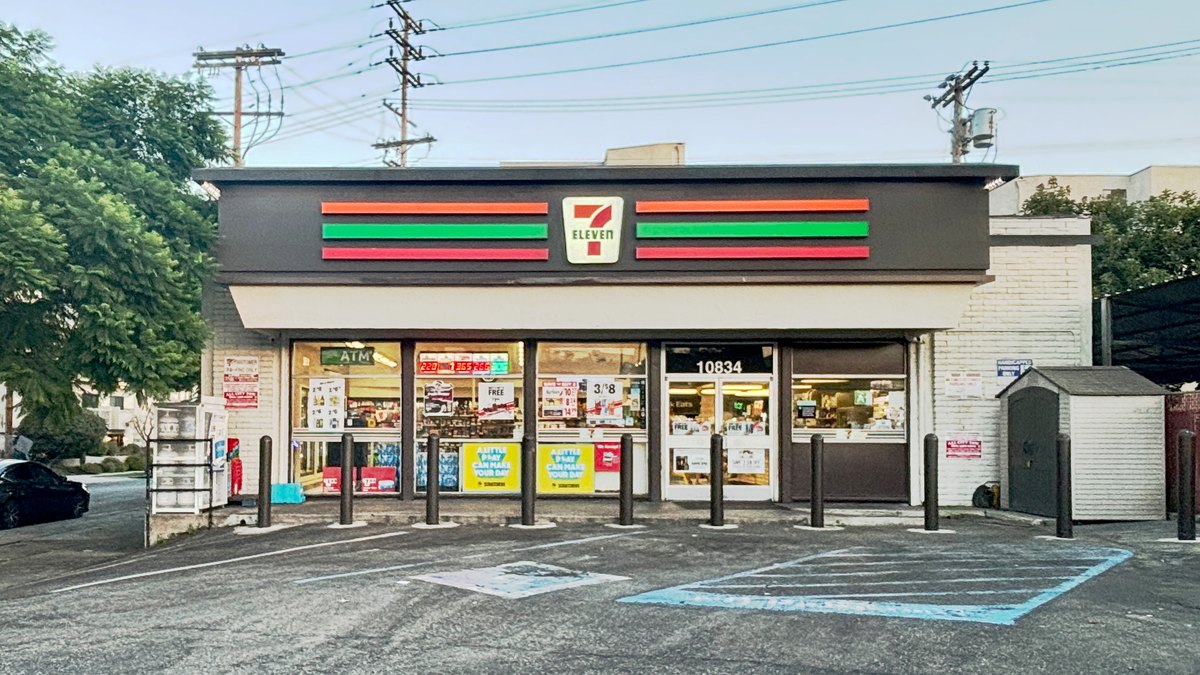
A 7-Eleven franchise is not a store you build from scratch. Under the model described in the 2026 FDD summary on FDD Exchange, 7-Eleven owns or leases the land, building and equipment and leases a fully equipped, stocked store to you. Instead of a flat royalty, you pay the 7-Eleven Charge, a share of the store's gross profit (net sales less cost of goods) on a sliding scale from 45% up to about 56-59%. The estimated total initial investment in that FDD runs from $162,900 to $1,656,800, and the franchise fee varies by store, from $0 to $1,100,000.
The model tends to suit someone who wants a branded, turnkey store and can run it full time. Entrepreneur's profile says absentee ownership is not allowed, the franchise cannot be run part time, and a store needs 6-8 employees. It is a harder fit if you want control over hours, pricing or territory: the FDD summary says the agreement covers one location with no exclusive territory, and stores generally operate 24 hours a day.
Whether it is worth it depends on the specific store, its fee, and its gross profit, which no article can tell you. This page collects what the public sources say and where franchisees have pushed back. It is not financial advice: read the full FDD and talk to a franchise attorney before you sign or pay anything.
What it costs to open or buy a 7-Eleven
The figures below come from the 2026 FDD as summarized by FDD Exchange and from Entrepreneur's franchise profile. Both are third-party summaries of 7-Eleven's own disclosure document, not the document itself, so confirm every number in the FDD you are given.
- Total estimated initial investment (2026 FDD)$162,900 to $1,656,800
- Franchise fee (2026 FDD range)$0 to $1,100,000, set store by store
- Franchise fee range reported for 2025$0 to $800,000, based on sales history, location age and availability
- Down payment for opening inventory$20,000
- Additional opening inventory$53,400 to $257,500
- Grand opening fee$8,000
- Funds for the first 3 months$66,000 to $198,000
- Cash requirement listed by Entrepreneur$100,000
The wide range is the point. FDD Exchange says the fee depends on sales history, location age, and availability. Veterans may receive a 20% or 10% discount, capped at $50,000. 1851 Franchise reported that 7-Eleven has an internal program providing up to 65% financing on the initial fee, and the FDD summary lists interest on financed amounts at 8.75% APR.
How the gross-profit split works
Most franchisors charge a royalty on sales. 7-Eleven instead shares gross profit. Entrepreneur describes it as sales receipts less the cost of the merchandise sold. The 2026 FDD summary calls the payment the 7-Eleven Charge and says it is a sliding percentage of gross profit, from 45% up to about 56-59% depending on the store's trailing 12-month gross profit. CSP Daily News has described the arrangement as franchisees splitting gross profits evenly with 7-Eleven.
Other ongoing costs listed in the same summary include a 1% advertising fee, a $50,000 renewal fee, maintenance fees of $1,100 to $2,500 per month, a $5,000 early termination fee, and a management fee of up to 5% of gross profit if the franchisor takes over operating the store. The initial term is 15 years.
Because the charge rises with volume, your take-home on each extra dollar of gross profit is smaller at higher sales. That is one of the structural points franchisees have challenged in court, covered below.
Day-to-day reality: hours and staffing
The FDD summary says stores generally operate 24 hours a day, every day. Entrepreneur lists hours and days of operation among the decisions that may be out of an owner's hands, and says a store needs 6-8 employees.
- Full-time owner-operator. Absentee ownership is not allowed and the franchise cannot be run part time, per Entrepreneur.
- Overnight coverage is your problem. In 2021, the franchisee coalition NCASEF said many owners were unable to fill open shifts, forcing them to man the register overnight after managing the business during the day, per CSP Daily News.
- Training is substantial. The FDD summary lists about 300 hours: 24 classroom hours in Irving, TX, plus 240 to 320 hours of on-the-job training at a 7-Eleven training store. You pay your own travel, lodging and meals.
- Eligibility. Entrepreneur lists a minimum age of 21, U.S. citizenship or permanent residency, and no ownership of a competing business.
Documented risks and controversies
These are allegations and company responses as reported by the trade press. They are not findings of fact, and each case has its own outcome. Check current litigation in Item 3 of the FDD.
- The 24-hour mandate (2021). NCASEF asked 7-Eleven to reconsider a mandate that all stores return to 24-hour operations on May 24 after pandemic-shortened hours, citing "a crippling labor shortage, higher operating costs, lower gross margin and lower net profit." Its general counsel said that in exchange for permission to close overnight, the company required franchisees to hand over a greater portion of their gross profits. 7-Eleven had not responded to the requests at the time of the CSP Daily News report.
- Franchisee control lawsuit. CSP Daily News reported that NCASEF members sued in the U.S. District Court for the Central District of California in a suit filed on Oct. 12, claiming 7-Eleven did not treat them as independent business owners and exercised heavy control over store operations. 7-Eleven did not respond to a request for comment by posting time. The page text does not give the year, so look up the docket for the outcome.
- Stores taken back. CSP Daily News, citing a Los Angeles Times report, said at least a dozen franchisees had sued in two years, alleging 7-Eleven stripped them of stores for false reasons and "flipped" them to new franchisees. 7-Eleven countered in court documents that some of those franchisees were stealing, often by falsifying sales records, and said it would vigorously defend the actions.
- No territory protection. The FDD summary says the agreement covers a single location, with no minimum or exclusive territory. 7-Eleven may open other stores nearby and operate other channels, including 7Now delivery, without compensating you.
New store versus an existing store
1851 Franchise lists several paths: a traditional store where 7-Eleven leases you the store, land and equipment; multi-unit ownership (thirty-three percent of franchisees at the time of that 2023 article); a conversion program for an existing gas station, liquor store, deli or small grocery; and non-traditional sites such as a rail station or airport.
The fee depends on sales history and location age per the FDD summary, which implies an existing store is priced on its record. The 2026 FDD summary reports 7,274 franchised and 1,029 company-owned stores at year-end 2025, with 160 franchised stores reacquired by the franchisor and 223 transfers to new owners during 2025. Ask what is behind the fee on any specific store.
How to evaluate a 7-Eleven offer
- Get the FDD and use the waiting period. Federal rule 16 CFR 436.2 requires the franchisor to furnish its disclosure document at least 14 calendar-days before you sign a binding agreement or make any payment.
- Read Item 19 and Exhibit H. The 2026 FDD makes a limited financial performance representation: average and median annual total sales, gross profit, gross profit as a percent of sales, and gasoline commissions by state, for franchised stores open a full prior year. The figures are historic only, not projections, per FDD Exchange. They are state averages, not the store you are buying.
- Ask for the specific store's records. Request its sales and gross profit history, and work out what you would keep after the 7-Eleven Charge, labor and the other fees.
- Talk to current and former franchisees. The FDD summary says to speak with current franchisees. Ask especially about overnight staffing and any dispute over the gross-profit split.
- Hire a franchise attorney. Item 3 litigation, renewal terms and the termination provisions matter more here than for most franchises, given the disputes above.
Alternatives to consider
- A conversion. If you already own a gas station, deli or small grocery, 7-Eleven's conversion program is a different deal from buying a leased store, per 1851 Franchise.
- A different convenience brand. Compare each brand's Items 5, 6, 7 and 19 side by side.
- A non-traditional site. Airport and rail station locations are listed as an option, with different economics.
- An independent store. You keep control over hours, pricing and suppliers, but give up brand recognition and 7-Eleven's training and systems.
Questions people ask
How much does a 7-Eleven franchise cost?
The 2026 FDD, as summarized by FDD Exchange, estimates a total initial investment of $162,900 to $1,656,800, including a franchise fee of $0 to $1,100,000 that varies by store and a $20,000 down payment.
How does 7-Eleven make money from franchisees?
Through the 7-Eleven Charge, a sliding percentage of the store's gross profit, from 45% up to about 56-59% per the FDD summary, plus a 1% advertising fee and other fees.
Does 7-Eleven own the store?
Under the traditional model, the franchisor owns or leases the land, building and equipment and leases a fully equipped, stocked store to you, per the FDD summary and 1851 Franchise.
Can I be an absentee owner or run it part time?
No. Entrepreneur says absentee ownership is not allowed and the franchise cannot be run part time.
Does 7-Eleven publish how much franchisees earn?
Only in a limited way. The 2026 FDD includes state-level averages and medians for sales, gross profit and gasoline commissions, historic only, per FDD Exchange. Ask for the specific store's records.
Is a 7-Eleven franchise a good investment?
That depends on the store, its fee and your finances, and this page cannot say. It is not financial advice. Read the FDD, talk to current franchisees and consult a franchise attorney.
Sources
- FDD Exchange: 7-Eleven 2026 FDD summary · Investment range, fees, 7-Eleven Charge, training, territory, Item 19, store counts
- FDD Exchange: 7-Eleven 2025 FDD summary · Prior-year investment range
- Entrepreneur: 7-Eleven franchise profile · Fee range, cash requirement, staffing, ownership rules
- 1851 Franchise: 7-Eleven deep dive · Store models, conversion program, internal financing
- CSP Daily News: 24-hour mandate · Franchisee coalition request, May 31, 2021
- CSP Daily News: Control at heart of franchisee lawsuit · Independent-contractor lawsuit allegations
- CSP Daily News: Franchisees allege stores were flipped · Franchisee suits, 7-Eleven's response, gross-profit split
- eCFR: 16 CFR 436.2 · 14-day disclosure document rule
Figures were read from the linked pages on October 18, 2026 and come from third-party summaries of the FDD and trade press, not from the FDD itself. Controversies are allegations and company responses as reported. This is not financial advice; read the FDD and talk to a franchise attorney.
Top photo: Alexis Doine / CC0 via Wikimedia Commons