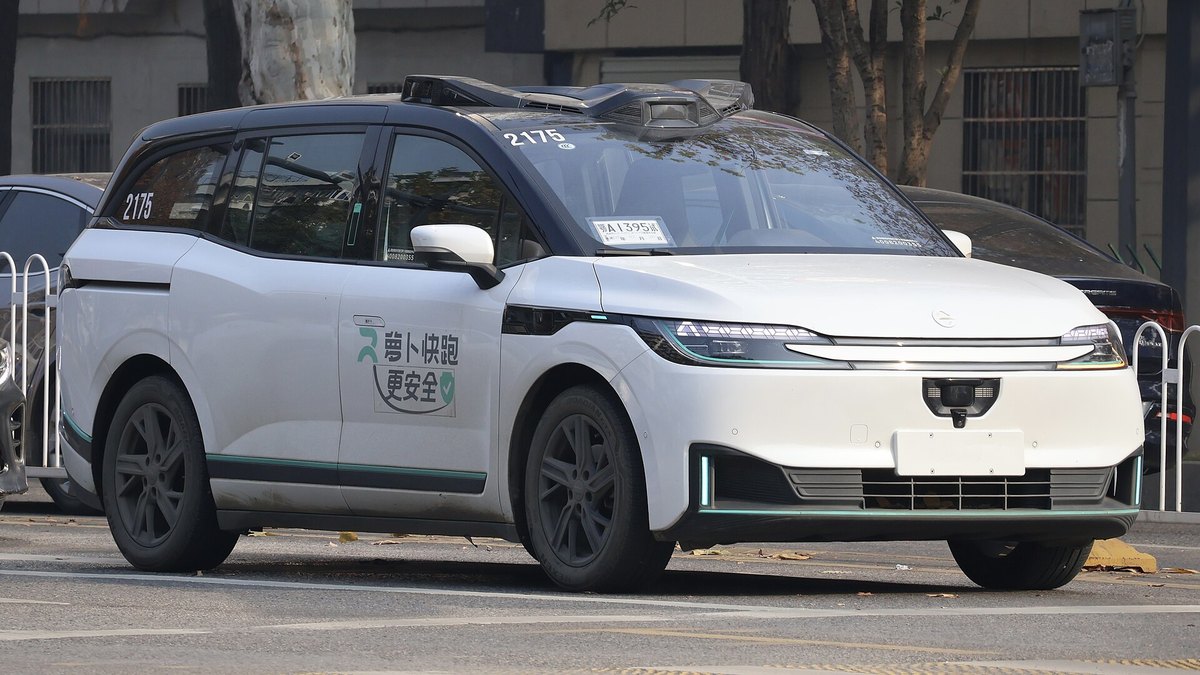
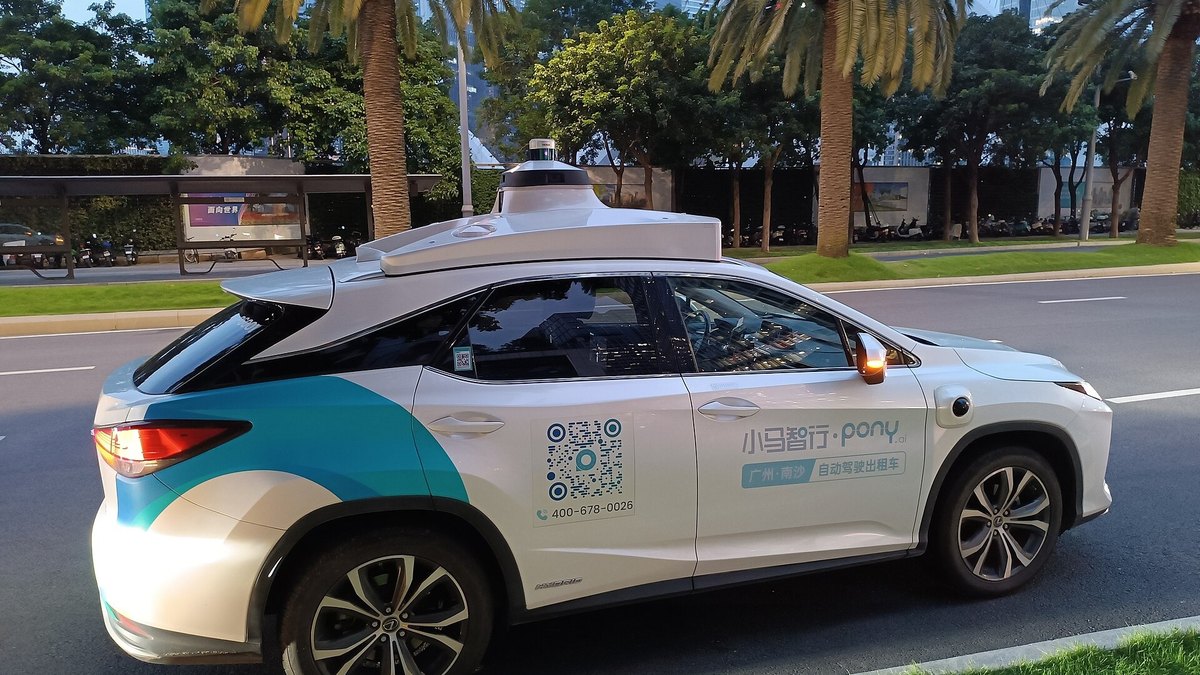
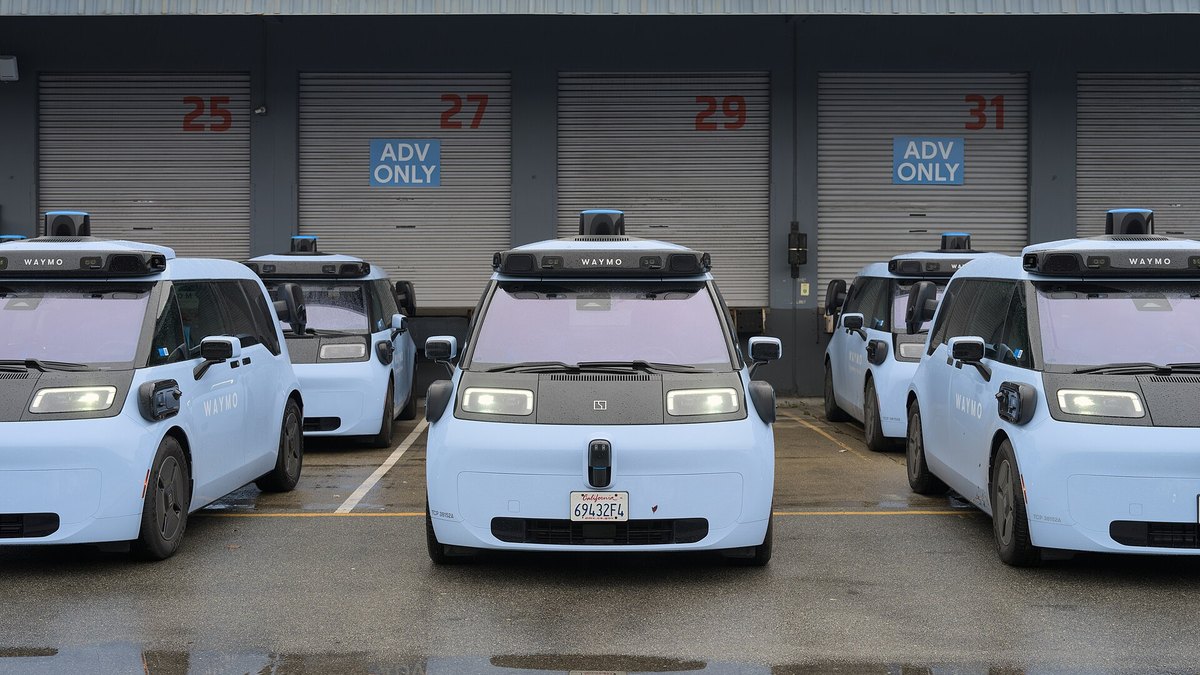
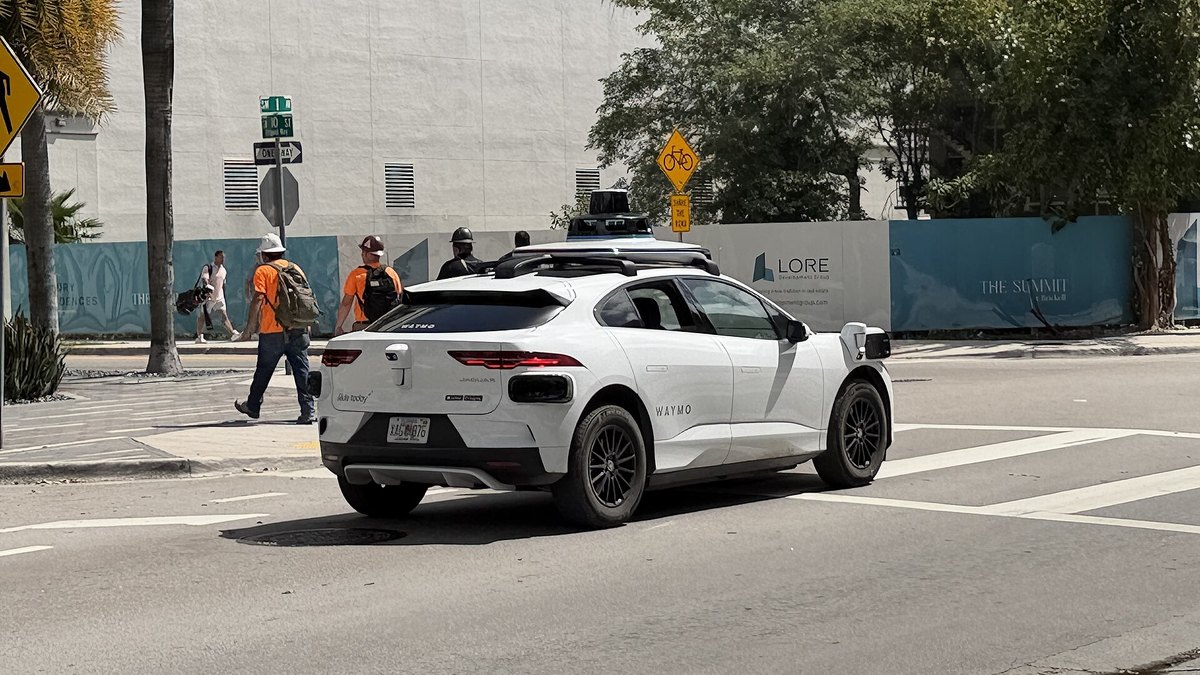
Top 10 Sales KPIs in the Autonomous Vehicle Fleet Industry in 2027
By Kory White · Updated Nov 2026 · 6 min read
Direct answer
Robotaxi services revenue is the top sales KPI for autonomous vehicle fleets in 2027, followed by paid rides per week and fleet size. Pony.ai reported robotaxi services revenue of US$12.1 million in Q2 2026, and Waymo posted 500,000 paid robotaxi rides every week in March 2026. WeRide reported over 21 daily rides per vehicle. No filing read publishes revenue per ride, and this page says so wherever a figure is missing.
Alphabet CEO Sundar Pichai counted rides per week as fully autonomous rides; Waymo’s own post, as TechCrunch reported it, counted paid robotaxi rides every week
Tesla counts cumulative unsupervised Robotaxi miles; its letter says FSD (Supervised) requires active driver supervision and does not make the vehicle autonomous
CPUC: total quarterly vehicle miles traveled during passenger service, reported per vehicle
Pick by what you want
Best overall
Autonomous Fleet Robotaxi Services Revenue
Best for demand
Autonomous Fleet Paid Rides Per Week
Best for scale
Autonomous Fleet Robotaxi Fleet Size
Best for vehicle productivity
Autonomous Fleet Average Daily Rides Per Robotaxi
Best for regulatory data
Autonomous Fleet CPUC Passenger-Service Miles and Idle Time
The ranking
1
Autonomous Fleet Robotaxi Services Revenue
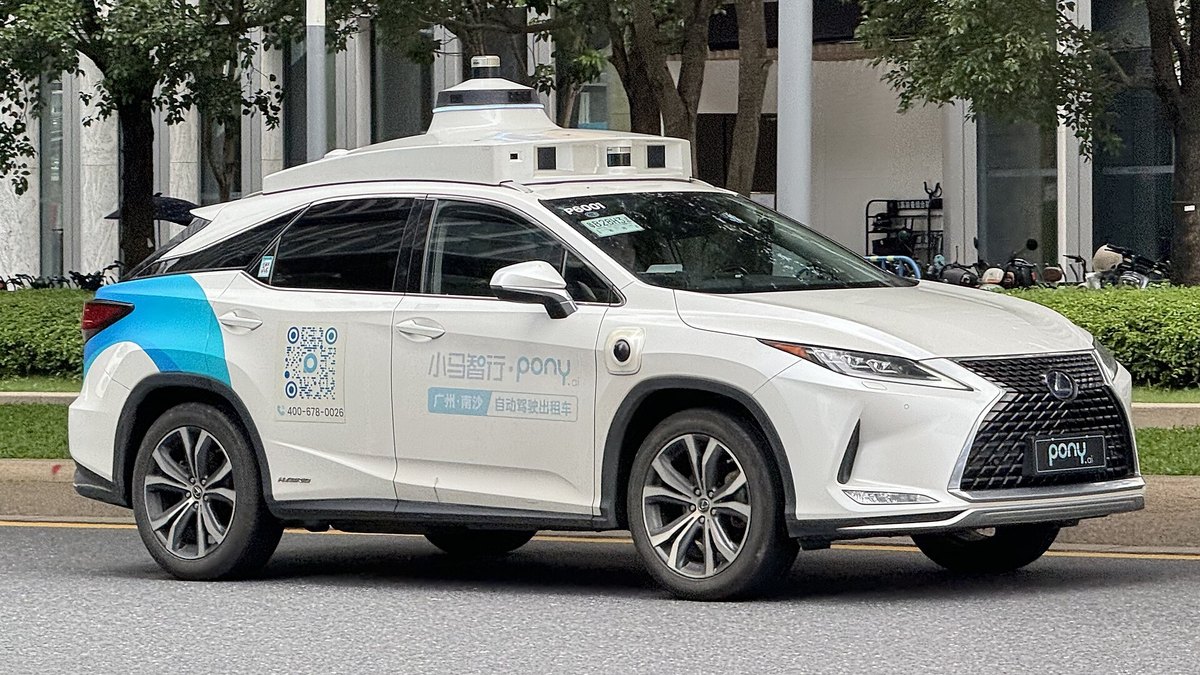
Photo: S5A-0043 / CC BY 2.0 via Wikimedia Commons
Answrs Verdict
Definition: Pony.ai: robotaxi service fees are calculated by trip mileage, and the revenue is recognized over time as the ride service is providedPony.ai, Q2 2026: Robotaxi services revenue of US$12.1 million, up 691.2% year over year from US$1.5 millionPony.ai, first half 2026: Robotaxi services revenues of USD20.6 million for the six months ended June 30, 2026, versus USD3.3 million a year earlierAlphabet, Q3 2026: Other Bets revenues of $372 million versus $344 million, generated primarily from autonomous transportation services and internet servicesWeRide, Q2 2026: Robotaxi revenue not published; the closest figure is L4 business revenue of RMB125.2 million (US$18.5 million), up 47.3%
Revenue is what the fleet actually earns from riders. Pony.ai reported robotaxi services revenue of US$12.1 million in Q2 2026 and USD20.6 million for the first half. Alphabet reported Other Bets revenues of $372 million in Q3 2026, mostly autonomous transportation services and internet services. WeRide does not publish a robotaxi-only figure.
Go if
Skip if
Why #1 over #2: It is the only KPI that counts money rather than activity.
2
Autonomous Fleet Paid Rides Per Week
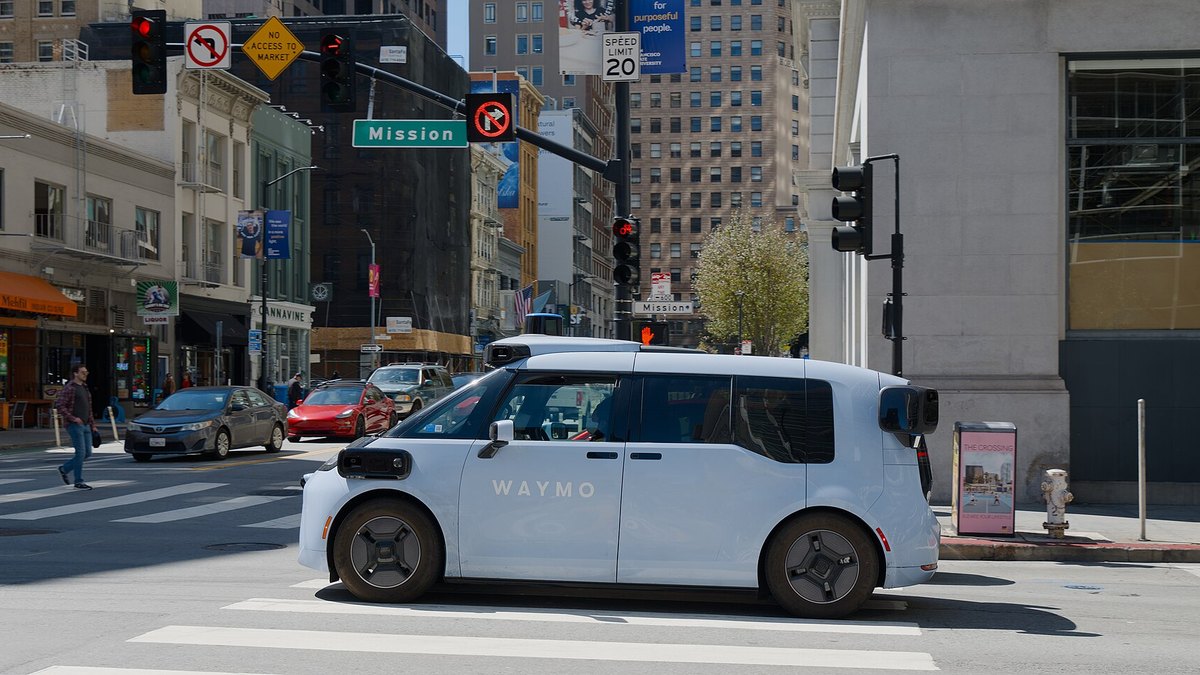
Photo: Daniel Lu (User:dllu) / CC BY-SA 4.0 via Wikimedia Commons
Answrs Verdict
Definition: Alphabet CEO Sundar Pichai counted rides per week as fully autonomous rides; Waymo’s own post, as TechCrunch reported it, counted paid robotaxi rides every weekWaymo, March 2026: 500,000 paid robotaxi rides every week across 10 U.S. cities, up from 50,000 per week in May 2024Alphabet, April 2026: Pichai: Waymo surpassed 500,000 fully autonomous rides a weekBaidu Apollo Go, March 2026: Weekly rides peaking at over 350,000 in March, in the first quarter 2026 releaseRevenue per ride: Not published: none of the filings read states revenue per ride
Waymo’s post, as TechCrunch reported it, counted 500,000 paid robotaxi rides every week across 10 U.S. cities in March 2026, up from 50,000 per week in May 2024. Pichai said Waymo surpassed 500,000 fully autonomous rides a week in April 2026. Baidu’s Apollo Go peaked at over 350,000 weekly rides in March.
Go if
Skip if
Why #2 over #3: It shows paying demand directly, which fleet size and miles only imply.
3
Autonomous Fleet Robotaxi Fleet Size
Photo: S5A-0043 / CC BY 4.0 via Wikimedia Commons
Answrs Verdict
Definition: WeRide counts a global L4 fleet of approximately 3,400 vehicles as of July 31, 2026, of which more than 1,800 are robotaxisPony.ai, June 30, 2026: Robotaxi fleet of 1,975 vehicles, with a company target of more than 3,500 vehicles by year-endWeRide, July 31, 2026: Approximately 400 robotaxis in the Middle EastUber, Q3 2026: CEO Dara Khosrowshahi said approximately 700 fully driverless vehicles are expected on Uber by year-endBaidu and Tesla: Not published: the Baidu Apollo Go releases and Tesla’s Q3 2026 update read give no fleet count
Pony.ai reported 1,975 robotaxis as of June 30, 2026 and targets more than 3,500 by year-end. WeRide counted approximately 3,400 L4 vehicles including more than 1,800 robotaxis on July 31, 2026. Uber’s CEO said approximately 700 fully driverless vehicles are expected on Uber by year-end. Baidu and Tesla give no fleet count in the releases read.
Go if
Skip if
Why #3 over #4: It sets the ceiling on rides, which a daily ride average cannot.
4
Autonomous Fleet Average Daily Rides Per Robotaxi
Photo: Kk0521 / CC BY-SA 4.0 via Wikimedia Commons
Answrs Verdict
Definition: WeRide reports average daily rides per vehicle and does not define the term further in its releaseWeRide, Q2 2026: Average daily rides per vehicle of over 21 rides, up 24% from the first quarterWeRide, peak: Peak daily completed rides per vehicle of 28WeRide, users: Registered robotaxi users up 35% from the first quarterOther operators: Not published: the Pony.ai second quarter release gives no rides or orders per vehicle
WeRide reported average daily rides per vehicle of over 21 in Q2 2026, up 24% from Q1, with a peak of 28. Registered robotaxi users rose 35%. WeRide does not define the term further, and Pony.ai gives no rides or orders per vehicle.
Go if
Skip if
Why #4 over #5: It shows how hard each vehicle works, which total ride counts hide.
5
Autonomous Fleet Fully Driverless Ride Volume
Photo: S5A-0043 / CC BY 4.0 via Wikimedia Commons
Answrs Verdict
Definition: Baidu counts fully driverless operational rides on its Apollo Go serviceBaidu, Q1 2026: 3.2 million fully driverless operational rides in the first quarter, with cumulative rides above 22 million as of April 2026Baidu, footprint: Apollo Go in 27 cities as of May 2026 and 28 cities in the second quarter releaseBaidu, Q2 2026: Not published: the second quarter release read gives kilometers but no ride count
Baidu reported 3.2 million fully driverless operational rides in Q1 2026 and cumulative rides above 22 million as of April. Apollo Go reached 27 cities by May and 28 cities in the Q2 release, which gives kilometers but no ride count.
Go if
Skip if
Why #5 over #6: It counts rides with no safety operator, which weekly totals do not separate.
6
Autonomous Fleet City-Level Unit Economics Breakeven
Photo: LAUDM Hausdb RIWAMo / CC0 via Wikimedia Commons
Answrs Verdict
Definition: Pony.ai announces city-wide unit economics breakeven as a milestone for a whole city operation and gives no formula in the reportPony.ai, Guangzhou: City-wide unit economics breakeven achieved in Guangzhou in November 2025Pony.ai, Shenzhen: Shenzhen operations reached the same milestone in February 2026Pony.ai, paid orders: Average weekly paid orders in May 2026 increased by more than 100% compared with January 2026Per-ride economics: Not published: the interim report gives no per-ride or per-vehicle profit figure
Pony.ai said city-wide unit economics breakeven came in Guangzhou in November 2025 and in Shenzhen in February 2026. Average weekly paid orders in May 2026 rose by more than 100% from January. The report gives no per-ride or per-vehicle profit figure.
Go if
Skip if
Why #6 over #7: It shows whether a city earns its costs back, which revenue totals do not.
7
Autonomous Fleet Company Gross Margin
Photo: Dllu / CC BY-SA 4.0 via Wikimedia Commons
Answrs Verdict
Definition: Pony.ai: gross margin is company-wide and rose on a better revenue mix with more robotaxi services, which generated relatively higher marginsPony.ai, 2026: Gross margin of 17.5% in Q2, up from 16.1%, and 16.9% for the first half versus 16.3%WeRide, 2026: Gross margin of 37.5% in Q2 versus 28.1%, and 36.6% for the first half versus 30.6%Alphabet, Q3 2026: Other Bets operating loss of $2,047 million versus $1,426 million a year earlierRobotaxi-only margin: Not published: neither release gives a margin for robotaxi services alone
Pony.ai reported a company-wide gross margin of 17.5% in Q2 2026 and 16.9% for the first half. WeRide reported 37.5% in Q2 and 36.6% for the first half. Alphabet’s Other Bets operating loss was $2,047 million in Q3 2026. Neither company publishes a robotaxi-only margin.
Go if
Skip if
Why #7 over #8: It shows profit after cost of revenue, which the unit economics milestone does not size.
8
Autonomous Fleet Share of Rideshare Platform Trips
Photo: Phillip Pessar https://www.flickr.com/people/southbeachcars/ / CC BY 4.0 via Wikimedia Commons
Answrs Verdict
Definition: Uber CEO Dara Khosrowshahi described autonomous vehicle trips as a share of Uber’s weekly trips on the August 5, 2026 earnings callUber, Q2 2026: Autonomous vehicle trips account for less than .5% of Uber’s 300 million weekly tripsUber, Q3 2026: CEO: approximately 700 fully driverless vehicles expected on Uber by year-end and over 2,000 in 2027 (company expectations, not results)Uber, trip count: Not published: the Q3 2026 release gives no autonomous trip count
Uber’s CEO said on the August 5, 2026 call that autonomous vehicle trips are less than .5% of its 300 million weekly trips. For Q3 2026 he said approximately 700 fully driverless vehicles are expected on Uber by year-end and over 2,000 in 2027. The release gives no autonomous trip count.
Go if
Skip if
Why #8 over #9: It shows how much of a marketplace’s demand reaches autonomous vehicles, which fleet-level KPIs do not.
9
Autonomous Fleet Cumulative Autonomous Miles
Photo: Daniel Lu (User:dllu) / CC BY-SA 4.0 via Wikimedia Commons
Answrs Verdict
Definition: Tesla counts cumulative unsupervised Robotaxi miles; its letter says FSD (Supervised) requires active driver supervision and does not make the vehicle autonomousTesla, Q3 2026: Nearly two million cumulative unsupervised miles for its Robotaxi service as of quarter-end, with miles growing eightfold from the prior quarterBaidu, Q2 2026: Over 350 million total autonomous kilometers, including over 240 million fully driverless autonomous kilometers (kilometers, not miles)Baidu, Q1 2026: Over 330 million autonomous kilometers, including over 220 million fully driverless
Tesla reported nearly two million cumulative unsupervised Robotaxi miles at the end of Q3 2026, with miles up eightfold from the prior quarter. Baidu reported over 350 million autonomous kilometers, including over 240 million fully driverless, in its Q2 2026 release. Kilometers and miles are different units.
Go if
Skip if
Why #9 over #10: It shows operating experience, which a gross margin cannot.
10
Autonomous Fleet CPUC Passenger-Service Miles and Idle Time
Photo: 9yz / CC BY 4.0 via Wikimedia Commons
Answrs Verdict
Definition: CPUC: total quarterly vehicle miles traveled during passenger service, reported per vehicleAlso reported: Miles from the vehicle’s starting location to the pickup point, and the time each vehicle waits between ending one passenger trip and starting the nextSchedule: Quarterly reports due May 1, August 1, November 1 and February 1, effective January 1, 2025Deployment level: Pilot participants with over 300 passenger trips in a quarter must file expanded deployment-level reportsTotals: Not published: the CPUC page lists no trip or mile totals, only downloadable reports that note confidentiality redactions
California’s CPUC requires per-vehicle reports of miles in passenger service, miles to the pickup point and time between trips, due quarterly. Its page lists no trip or mile totals, and the downloadable reports note confidentiality redactions.
Go if
Skip if
How we ranked these
We ranked ten autonomous vehicle fleet sales KPIs by how directly each measures robotaxi fleet revenue and whether a company filing, an earnings call or the California Public Utilities Commission publishes a figure for it. Figures come from the Pony.ai second quarter 2026 release (SEC exhibit) and its 2026 interim report, the WeRide second quarter 2026 release (August 2026), the Baidu first and second quarter 2026 releases (May and August 2026), the Alphabet first quarter 2026 release (April 2026) and third quarter 2026 release (October 2026), Tesla’s Q3 2026 update, Uber’s third quarter 2026 release (November 2026), the CNBC report of Uber’s August 2026 call, TechCrunch’s March 2026 report of a Waymo post, and the CPUC quarterly reporting page. We did not read the Waymo post itself, full quarterly reports, or the CPUC data files. Periods and units differ by company, gross margins are company-wide rather than robotaxi-only, and Pony.ai, WeRide, Uber and Tesla targets are company statements, not results. We found no source stating revenue per ride, so we do not give one. Where no figure is published, we say so instead of estimating. This is business information, not investment advice. Facts are taken from each maker's own published information; check the official site before you buy.
Questions people ask
Is revenue per ride published for robotaxis?
No filing read states it. Pony.ai says it charges service fees calculated by trip mileage, and reported robotaxi services revenue of USD20.6 million for the first half of 2026.
How many paid rides does Waymo give per week?
Waymo’s post, as TechCrunch reported in March 2026, counted 500,000 paid robotaxi rides every week across 10 U.S. cities, up from 50,000 per week in May 2024.
How big is the Pony.ai robotaxi fleet?
Pony.ai reported a robotaxi fleet of 1,975 vehicles as of June 30, 2026, and a company target of more than 3,500 vehicles by year-end.
How many rides a day does a WeRide robotaxi complete?
WeRide reported average daily rides per vehicle of over 21 in the second quarter of 2026, with a peak of 28.
Company-wide gross margin as reported, in percent (not robotaxi-only; Pony.ai and WeRide, second quarter and first half 2026) at a glance
Pony.ai, first half 202616.9 %
Pony.ai, Q2 202617.5 %
WeRide, first half 202636.6 %
WeRide, Q2 202637.5 %
Company-wide gross margin as reported, in percent (not robotaxi-only; Pony.ai and WeRide, second quarter and first half 2026), as published by each maker. Picks without a published figure are left off.