How do you build the GTM playbook for a convenience-store (C-store) operator in 2027?
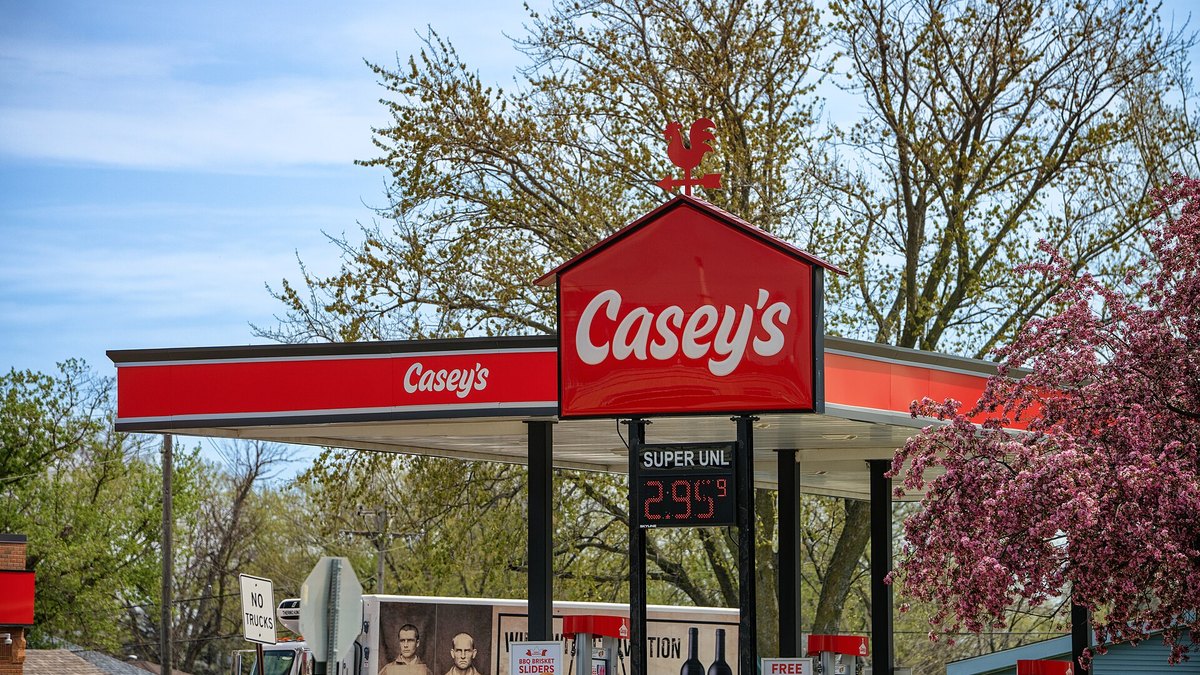
Build it around the trip, not the product. A c-store's go-to-market playbook decides why a customer pulls in, what they add once they are inside, and what makes them come back. The public numbers point to the same shape: fuel brings the visit, foodservice and beverages carry the in-store profit, and loyalty data is how you learn which visit patterns repeat.
The industry data from NACS covers 2025. Fuel was 65.0% of sales dollars but 38.8% of gross profit dollars, while foodservice was 28.5% of in-store sales and 38.9% of in-store gross profit dollars. Casey's reported on June 9, 2026 that its prepared food and dispensed beverage category ran at a 58.6% margin for the fiscal year ended April 30, 2026.
This page assumes you are the operator. If you sell to operators instead, jump to the last section, because the buyer map is different. No source used here publishes a standard marketing budget, customer acquisition cost or loyalty return, so none is given.
Start with the market you are actually in
NACS counted 151,975 U.S. convenience stores as of Dec. 31, 2025, down 280 stores. Stores selling fuel numbered 122,620, up 768 and the highest in eight years, and 80.7% of stores sell fuel. NACS also reports that 95,672 stores, or 63%, are owned by companies with 10 or fewer stores, while companies with 500-plus stores own 33,810 stores, or 22.2%.
That split matters for the playbook. A small operator wins on local fit and speed. A large chain wins on scale, data and a repeatable food program. Pick the lane you can run well instead of copying the biggest brand's plan.
The NACS release of April 15, 2026 says in-store sales were $341.2 billion in 2025, up 1.7%, the 23rd straight year of growth, and total sales including fuel were $817.5 billion. It also reports that the average store had 1,484 transactions per day, down 2.7%. Growth in dollars with fewer transactions per store is a reason to plan for basket and frequency, not just traffic.
Decide what fuel does for you
NACS says fuel sales fell 5.4% in 2025, from $501.9 billion to $476.3 billion, because the average price per gallon dropped from $3.30 to $3.11 while gallons sold rose 0.5%. Fuel is still the visit trigger. In the 2026 NACS consumer survey, reported in NACS Magazine, 62% of consumers said they went inside the last time they bought gas.
- Price is not the only lever. Casey's reported a fuel margin of 42.6 cents per gallon for fiscal 2026 excluding credit card fees, against 38.7 cents the year before, and same-store gallons up 1.4% (company release, June 9, 2026).
- Fuel profit can come from more than the pump. Murphy USA reported total fuel contribution of 37.0 cents per gallon in the quarter ended September 30, 2026, against 30.7 cents a year earlier, with a retail fuel margin of 27.4 cents and fuel supply including RINs at 9.6 cents (company release, October 28, 2026).
- Fuel loyalty is slipping at the edges. NACS Magazine reports that 79% of consumers prefer to stop at c-stores when refueling, down six points from 2025, and that 38% of buyers aged 65 and over buy fuel at big-box retailers, up 16 points.
The playbook decision: use fuel to earn the visit, then design the inside of the store so that the visit converts. Seven & i Holdings CEO Stephen Dacus said, as reported by C-Store Dive on April 17, 2026, "In North America, we are seeing continued declines in fuel volumes and increased volatility in oil prices." That is a chain's view, not a forecast for your sites, but it is a reason not to lean only on fuel.
Build the foodservice and beverage offer
NACS reports that foodservice was 28.5% of in-store sales in 2025, up from 11.9% in 2005, and 38.9% of in-store gross profit dollars. Prepared food was 73.9% of foodservice sales, up from 66.4% in 2021. Packaged beverages were the second-largest category at 18.7% of in-store sales.
- Casey's prepared food and dispensed beverage, fiscal 2026Same-store sales 5.2%, margin 58.6% (year ended April 30, 2026)
- Casey's grocery and general merchandise, fiscal 2026Same-store sales 3.9%, margin 35.8% (year ended April 30, 2026)
- Casey's inside margin, fiscal 202642.2%, with fiscal 2027 outlook of inside same-store sales up 2% to 5% and a margin above 42%
Casey's attributes its fourth-quarter inside growth to whole pizzas, appetizers and sides, and non-alcoholic beverages, and says its inside margin rose about 120 basis points on cost of goods management, improved waste and mix shift. It also expanded its sauced wings program to nearly 850 stores by April 30, 2026. The lesson for any operator is that a food program has to be run as an operation: waste, mix and a few items that people drive in for.
Watch demand shifts in the snack aisle too. NACS says alternative snacks such as jerky and nuts rose 7.9% in 2025 and links that to demand from GLP-1 users. NACS Magazine adds that frequent customers most often cite a beverage purchase as their main reason to visit (28%), and that ages 18 to 34 most often seek out a store for food (40%).
Use loyalty to learn, not just to discount
In the 2026 Convenience Voices study, reported by NACS on October 7, 2026, loyalty membership was 77.2% of respondents and 81.9% among tobacco and nicotine shoppers. The sample size and dates are not stated in that article, so treat it as directional. In the consumer survey, 53% of loyalty members said they are more likely to shop at a c-store because of its program, and 59% of ages 18 to 34 said so.
Casey's Rewards grew to nearly 10.5 million members by the end of fiscal 2026. The same NACS article quotes Kathy Williams of TXB Stores warning that dirty or late scan data can cost a retailer rebate funding, and advising that store clerks be trained to ask customers to sign up. Jessica Starnes of Weigel's Stores names three keys to a successful program: communication, expectations and analytics.
A practical use of the data: separate customers who come for fuel only, for a beverage, for food, or for tobacco, then plan offers per mission. NACS Magazine reports that three in four consumers plan their c-store visits, but that only 16% see sales, deals or discounts very often at c-stores, so a well-targeted offer is not competing with a flood of others.
Count the cost of serving the trip
NACS reports that credit and debit card fees hit a record $21.3 billion in 2025, and that direct store operating expenses rose 4.2%, the slowest increase since the COVID pandemic. Casey's reported credit card fees of $278,749 thousand for fiscal 2026. A promotion that raises sales but pushes more volume through cards, or a loyalty discount that cuts a thin-margin item, has to be judged after fees, not before.
Labor is part of the playbook too. NACS says store-level associates averaged $15.04 per hour and that the industry supported 2.75 million jobs, or 19.9 per store. A food offer that needs more labor hours than the store can staff will not hold up.
Measure the playbook with the same numbers operators publish
Public operators report a short list of figures that you can track at store level. Track them by store and by daypart, and compare to your own history first.
- Inside same-store sales and inside margin. Casey's reported 4.2% and 42.2% for fiscal 2026.
- Fuel margin in cents per gallon and same-store gallons. Casey's reported 42.6 cents and 1.4%; Murphy USA reported a retail fuel margin of 27.4 cents.
- Prepared food margin. Casey's reported 58.6% for fiscal 2026.
- Transactions per store per day. NACS reports 1,484 for the average store in 2025.
- Category contribution, such as nicotine. Murphy USA reported nicotine contribution of $20.8K per store per month on a same store sales basis, versus $23.2K, and said the 8.0% fall in nicotine contribution dollars was mainly due to a prior-year promotion that did not repeat.
Keep the compliance basics in view
If your food program grows into a chain, the FDA menu labeling rule applies to restaurants and similar retail food establishments that are part of a chain with 20 or more locations, under the same name and with substantially the same menu items; covered establishments must disclose calories for standard items on menus and menu boards. The FDA page does not say whether convenience stores are covered, so confirm with the agency or counsel. State and local health rules for prepared food are separate.
If you sell to c-store operators instead
The buyer map follows the ownership split. With 63% of stores owned by companies with 10 or fewer stores and 22.2% owned by companies with 500-plus stores, a vendor often has two very different motions: a high-volume, simple offer for small owners, and a longer, multi-stakeholder process for chains. NACS does not publish decision-maker data for either group, so build that part of your plan from your own pipeline.
The operator numbers above show what a buyer will care about: card fees, labor, margin on food, and loyalty data. Lead with the metric your offer moves, and say which period and source the figure comes from.
Questions people ask
What is a go-to-market playbook for a c-store operator?
It is the plan for why customers choose your store, what they buy once inside and how you bring them back. The public data points to fuel as the traffic trigger and foodservice as the main in-store profit category: NACS reports foodservice at 38.9% of in-store gross profit dollars in 2025 (NACS).
How much of a c-store's profit comes from fuel?
NACS reports that fuel was 65.0% of sales dollars but 38.8% of gross profit dollars in 2025. Individual operators differ.
Do customers who buy fuel go inside?
In the 2026 NACS consumer survey, 62% said they went inside the last time they bought gas, per NACS Magazine.
Is a loyalty program worth it?
No source used here publishes a loyalty return on investment. NACS reports that 53% of loyalty members say they are more likely to shop at a c-store because of its program, and warns through a TXB Stores executive that dirty or late scan data can cost rebate funding (NACS).
How many convenience stores are there in the U.S.?
NACS counted 151,975 as of Dec. 31, 2025, with 122,620 selling fuel (NACS store count).
What is the typical marketing budget or customer acquisition cost for a c-store?
Not published in the sources used here. Track your own cost per visit and per loyalty sign-up before setting a budget.
Sources
- NACS: U.S. Convenience In-Store Sales Top $340 Billion (April 15, 2026) · 2025 sales, fuel, foodservice share, card fees, labor
- NACS: U.S. Convenience Store Count · Store count, fuel stores, ownership size split
- NACS Magazine: Who's Buying Your Gas? (April 2026) · 2026 consumer survey: inside trips, loyalty, refueling habits
- NACS: Tobacco lights up loyalty (October 7, 2026) · 2026 Convenience Voices loyalty membership
- C-Store Dive: 3 Big Numbers, How did c-stores fare in 2025? (April 17, 2026) · Trade press coverage of NACS data, Seven & i comment on fuel volumes
- Casey's General Stores: fourth quarter and fiscal 2026 results (June 9, 2026) · Inside and fuel results, loyalty members, outlook (SEC Exhibit 99.1 copy)
- Murphy USA: third quarter 2026 results (October 28, 2026) · Fuel contribution, store count, nicotine contribution
- FDA: Menu Labeling Requirements · Calorie disclosure rule for chains of 20 or more locations
- Hero photo: Tony Webster, CC BY 2.0, via Wikimedia Commons · Casey's convenience store fuel canopy, Eagle Grove, Iowa
Figures were read from the linked pages on November 6, 2026. NACS figures cover calendar 2025; Casey's covers its fiscal year ended April 30, 2026; Murphy USA covers the quarter ended September 30, 2026. Company figures are chain-wide and are not benchmarks for a single store. This is not financial or legal advice.
Top photo: Tony Webster / CC BY 2.0 via Wikimedia Commons