How big is the creator economy and how do creators monetize in 2027?
Nobody has measured the creator economy for 2027 yet, and published sizes range from about $37 billion to $480 billion because each report defines the term differently. The widest figure is Goldman Sachs Research's April 19, 2023 forecast of a $480 billion total addressable market by 2027, up from $250 billion at the time. The narrowest is the IAB's projection of $37 billion in US creator ad spend for 2025.
In between, Influencer Marketing Hub estimates the global influencer marketing industry at $32.55 billion in 2025. YouTube says it paid over $100 billion to creators, artists and media companies from 2022 to 2025. Even the number of creators varies: Goldman counts 50 million, while Linktree's 2022 report counts about 200 million.
Creators are paid through brand deals, a share of platform ad revenue, subscriptions and memberships, digital products and tips. Goldman's survey data puts brand deals at about 70% of revenue, and it says about 4% of creators earn more than $100,000 a year.
Why the estimates differ
No report we could read gives a measured 2027 figure, and the date we read them was November 2, 2026. What exists is a forecast aimed at 2027 and several estimates for 2024 and 2025. They differ mainly by definition. The IAB says so itself: its methodology note says its projection counts only the ad dollars brands intentionally invest in creators, while other estimates take a broader total-addressable-market approach that adds affiliate links, subscriptions, tips and merchandise.
So treat each number below as the answer to a different question. A forecast of potential market size, a count of advertiser spend and a count of platform payouts are not interchangeable, and we do not add or compare them.
The estimates, one by one
- Goldman Sachs Research, April 19, 2023: estimated that the creator economy's total addressable market could roughly double over five years to $480 billion by 2027 from $250 billion then. It tied the growth to its estimates for global digital advertising spend, with influencer marketing and platform payouts from short-form video as the main drivers. It expects the 50 million global creators to grow at a 10-20% compound annual growth rate. This is a forecast made in 2023, not a measurement.
- IAB, November 20, 2025: reported US creator ad spend rose from $13.9B in 2021 to $29.5B in 2024 and projected $37 billion for 2025, up 26% year over year and about 4x faster than the media industry overall at 5.7%. The scope is US brand-directed ad spend only. 48% of ad spenders in its study call creators a must buy.
- Influencer Marketing Hub, 2025 benchmark report: estimates the influencer marketing industry at $32.55 billion in 2025, against $24 billion in 2024 and $1.4 billion in 2014, a 33.11% compound annual growth rate. The scope is global influencer marketing. Its 2026 report, published May 4, 2026, surveys 600+ marketing professionals about budgets and reports no total market size.
- Linktree Creator Report, 2022: sized a total addressable market of 4.2B social media users, about 500M passion-economy users and about 200M creators. It defines a creator as anyone who produces and seeks to monetize content, which is far broader than Goldman's 50 million. Its figures draw on more than 9,500 creators and are from 2022, so they are older than the others here.
- YouTube, platform payout disclosure: states that over the past four years (2022-2025) it paid over $100 billion to creators, artists, and media companies, using its own first-party global data. This is money paid by one platform, not the size of the whole economy.
How creators get paid: brand deals
Goldman's survey data puts brand deals as the main source of creator revenue at about 70%. The IAB figure above measures the buyer's side of the same market: US ad dollars that brands deliberately spend with creators. Both describe paid brand partnerships, where a brand pays a creator to feature a product.
Tools exist on the brand side too. Passionfroot describes itself as built for modern GTM teams to plan, run, pay and measure creator-led growth (vendor-stated). That is software for the company hiring creators, not for the creator.
Platform ad revenue sharing
YouTube says that 55% of ad and subscription revenue goes directly to creators, artists, and media companies through the YouTube Partner Program. Its help page sets the entry bar for ad revenue at 1,000 subscribers plus either 4,000 qualified watch hours on long-form videos in the last 365 days or 10 million qualified Shorts views in the last 90 days.
The same page lists other YouTube features for accepted partners. Channel memberships are recurring monthly payments for perks and need 500 subscribers, 3 public uploads in the last 90 days, and either 3,000 qualified watch hours or 3 million qualified Shorts views. Super Chat and Super Stickers let fans pay to highlight messages in live chat, and Super Thanks lets fans pay to highlight a comment on a video or Short.
Subscriptions, memberships and newsletters
Direct payment from fans is the channel with the most small and mid-size tool companies. These fees come from each company's own pages and are vendor-stated. We checked them on November 2, 2026, and they change.
- Patreon: states that it is free to start and takes 10% of the income you earn, plus payment processing, currency conversion and payout fees and applicable taxes.
- Substack: states that writers keep 90% of their revenue minus credit card fees.
- beehiiv: states that it takes 0% of paid subscription and digital product revenue, and that you pay Stripe's standard processing fee of 2.9% + $0.30 per transaction. Its Lite plan is $49 per month on yearly billing and includes paid subscriptions and ad monetization.
Digital products, courses and link-in-bio stores
- Gumroad: states a fee of 10% + $0.50 per transaction on sales through your profile or direct links, and 30% when new customers find you through its Discover marketplace. Since January 1, 2025 it says it is the Merchant of Record and handles sales tax (vendor-stated). It lists digital products, e-books, courses, tutorials and memberships as sellable.
- Kajabi: states that it has no revenue sharing. Its Basic plan is $179 per month billed monthly or $143 per month billed annually, with 5 products and 2,500 contacts, and Kajabi Payments on that plan is 2.9% + $0.30 (vendor-stated, card processing for US entities).
- Linktree: lists "Sell and earn with 0% fees" among the features of its Pro plan (vendor-stated). Its 2022 report says about 200M creators exist under its broad definition, and its homepage claims 70M+ creators use the product (vendor-stated).
How much creators actually earn
Averages hide a steep spread. Goldman says only about 4% of global creators are professionals, meaning they earn more than $100,000 a year, and it expects that share to stay steady as the ecosystem grows. In Linktree's 2022 survey, 12% of full-time creators made more than $50k a year and 46% made less than $1K. For part-time creators, 3% made more than $50K and 68% made less than $1K.
Those two sources define income and creators differently, so we do not blend them. They agree on the shape: a small share earns most of the money.
Questions people ask
How big is the creator economy in 2027?
No source has measured 2027 yet. Goldman Sachs Research forecast in April 2023 that the total addressable market could reach $480 billion by 2027 from $250 billion.
Why do creator economy estimates differ so much?
They define the market differently. The IAB counts US brand-directed creator ad spend, $37 billion projected for 2025, while Goldman counts a total addressable market.
How many creators are there?
It depends on the definition. Goldman Sachs counts 50 million global creators, while Linktree's 2022 report counts about 200 million, defining a creator as anyone who seeks to monetize content.
How do creators make money?
Mainly through brand deals, a share of platform ad revenue, subscriptions and memberships, digital products and tips. Goldman's survey data puts brand deals at about 70% of revenue.
How much has YouTube paid creators?
YouTube states it paid over $100 billion to creators, artists, and media companies from 2022 to 2025. It says 55% of ad and subscription revenue goes to partners.
What do creator platforms charge?
It varies. Patreon states 10% of income, Substack 90% kept by the writer, Gumroad 10% + $0.50 per transaction, and beehiiv 0% of paid subscription revenue, all vendor-stated.
Sources
- Goldman Sachs: The creator economy could approach half-a-trillion dollars by 2027 (Apr 19, 2023) · $250 billion to $480 billion forecast, 50 million creators, 70% brand deals, 4% professionals
- IAB: Creator Economy Ad Spend to Reach $37 Billion in 2025 (Nov 20, 2025) · US creator ad spend $13.9B, $29.5B, $37 billion; methodology note
- Influencer Marketing Hub: Influencer Marketing Benchmark Report 2025 · $32.55 billion in 2025, $24 billion in 2024
- Influencer Marketing Hub: Influencer Marketing Benchmark Report 2026 (May 4, 2026) · 600+ respondent survey, no market size
- Linktree: 2022 Creator Report · ~200M creators, income distribution, 9,500 creators surveyed
- YouTube: How YouTube Works, impact · $100B+ paid 2022-2025, 55% revenue share
- YouTube Help: How to earn money on YouTube · Partner Program thresholds and features
- Patreon pricing · 10% of income plus processing fees (vendor-stated)
- Gumroad pricing · 10% + $0.50, 30% via Discover (vendor-stated)
- Substack: going paid · Writers keep 90% minus card fees (vendor-stated)
- beehiiv pricing · 0% of paid subscriptions, Lite $49 per month (vendor-stated)
- Kajabi pricing · No revenue sharing, plan prices, payment rate (vendor-stated)
- Linktree pricing · Pro plan 0% fees on selling (vendor-stated)
- Passionfroot · Brand-side creator marketing tool (vendor-stated)
Facts were read from the linked pages on November 2, 2026. Estimates are revised often and differ by definition, so check the source before quoting a figure. Vendor claims are labeled vendor-stated. If a page here is out of date, tell us and we will correct it from a source.
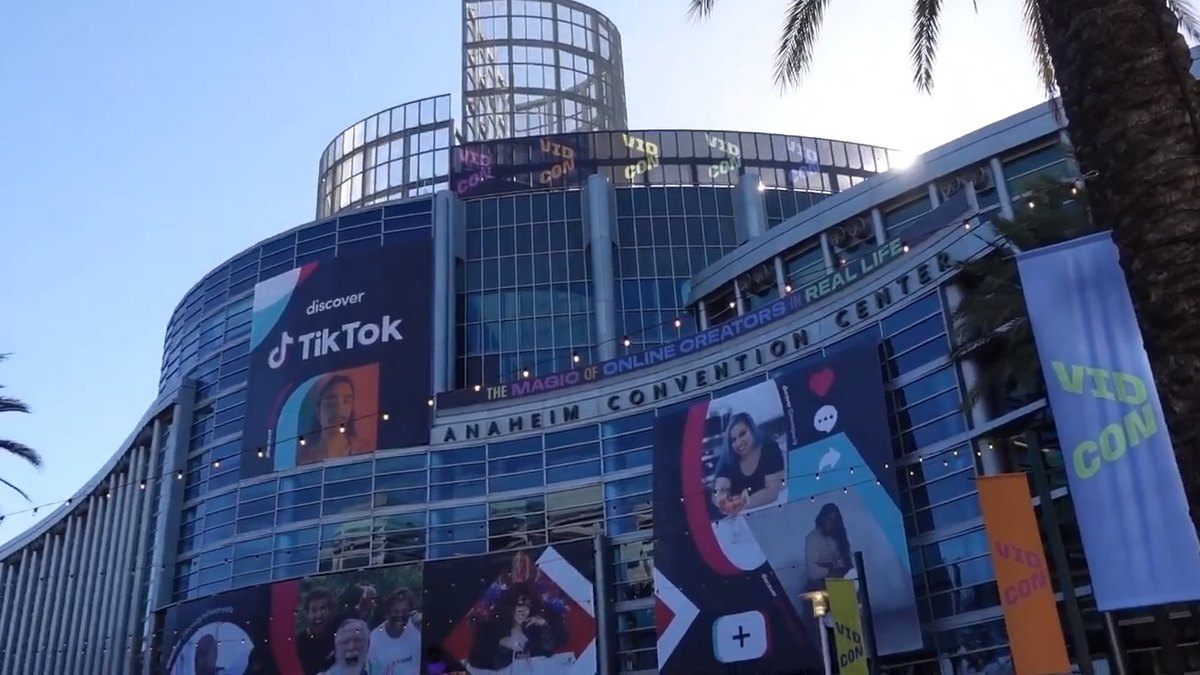
Top photo: Rosie Revolts / CC BY 3.0 via Wikimedia Commons