How do you start a reptile and exotic pet shop business in 2027?
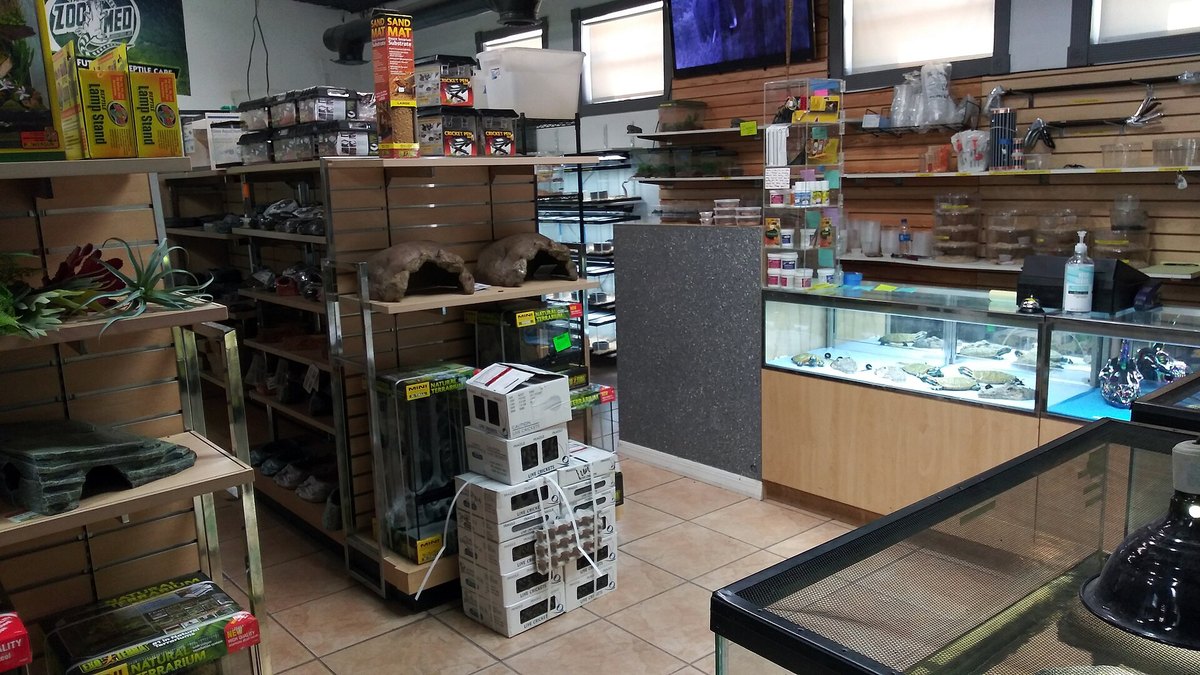
Start with the law for your state and your species list, then build the shop around live animals, housing and supplies. Federally, the Animal Welfare Act regulations define "animal" as dogs, cats, primates and other warm-blooded animals and list "coldblooded species" among those a retail pet store may sell, and the Lacey Act listing bars importing or moving certain large constrictors across state lines. Which reptiles you may sell is mostly set by state and local rules, such as Florida's commercial seller rules.
Demand is real: APPA (September 24, 2025) estimates about 6 million US households own reptiles. I found no primary source for typical startup cost, insurance premiums or shop revenue, so this page gives categories, not dollar figures.
Check what the law lets you sell
The federal Animal Welfare Act regulations (9 CFR 1.1) define "animal" as "any live or dead dog, cat, nonhuman primate, guinea pig, hamster, rabbit, or any other warmblooded animal." A "retail pet store" is a place of business or residence where the seller, buyer and animal are physically present, and the definition lists "birds, and coldblooded species" among animals sold at retail as pets. APHIS narrowed the retail pet store definition in a 2013 rule (September 18, 2013) to in-person sales. I read the regulation text, not an APHIS guidance page, so confirm with APHIS if you also sell warm-blooded animals such as small mammals.
The Lacey Act is the federal rule most likely to change your species list. A March 6, 2015 Fish and Wildlife Service announcement lists the reticulated python, DeSchauensee's anaconda, green anaconda and Beni anaconda as injurious, which bars import and transport across state lines. The announcement says an earlier 2012 listing covered the Burmese python, yellow anaconda, and northern and southern African pythons. Other listings may have been added since; I did not find a current consolidated list on an official page, so check the Service's injurious wildlife page before you order.
State and local law is where most shops win or lose. As one example, Florida's FWC says rule changes to Chapter 68-5 took effect April 29, 2021, that prohibited species may not be possessed for commercial sale in Florida after July 28, 2021 (with an exception for green iguanas and tegus held by qualifying entities), and that conditional species may be sold only to out-of-state buyers or permitted in-state buyers. Other states differ, and I found no single official page covering every state's pet-shop license, so ask your state wildlife agency, agriculture department and city or county clerk.
Decide where animals come from
Wild-caught animals bring international rules. The Fish and Wildlife Service's CITES fact sheet says the treaty entered into force in 1975, that iguanas are among protected species, and that Appendix II species "may be traded internationally if accompanied by appropriate permits." If you import, expect permits and paperwork; most small shops buy from domestic breeders and distributors instead. I found no official page that ranks captive-bred against wild-caught on health, so I make no claim there. Whatever the source, keep records of who sold you each animal.
Plan housing, heat and light
The Merck Veterinary Manual housing table gives 80°F to 100°F (27°C to 38°C) for tropical species, UV/UVB output in the 290 to 320 nanometer range, humidity that causes problems below 35% or above 70% depending on species, and a 50 to 75 watt basking light at least 18 inches from the basking area. Those are general ranges, not species care sheets; each animal you stock needs its own sheet from a veterinary or herpetological source, which is also what customers will ask you for.
Plan for the animals' welfare and your own: the CDC (January 13, 2026) calls Salmonella "The most common germ carried by reptiles and amphibians," says healthy-looking animals can carry it, and advises that children under 5 not handle reptiles or amphibians. It also notes that federal law bans the sale of turtles under 4 inches. Handwashing stations and customer signage follow from that.
Know the market and how shops earn money
APPA's 2025 Fish & Reptile Report (September 24, 2025) estimates about 6 million US households own reptiles. Among reptile owners, 43% own turtles and tortoises, 29% other lizards and 22% snakes. Pet superstores were the largest single purchase channel at 18%, and local specialty stores were 15%. Pet store personnel were a care-information source for 34%, behind the internet at 53%, which is an opening for a knowledgeable shop.
APPA's industry page puts the "Supplies, Live Animals and OTC Medicine" category at $34.4 billion in 2024. That category mixes live animals with all supplies and is not reptile-specific, and the page's year labels are inconsistent, so treat it as context only. Typical income lines for a shop like this are livestock, feeder animals, enclosures and lighting, substrate and décor, and possibly boarding; I found no cited margin or revenue-mix data for any of them, so I give none.
Budget by category, not by guess
- Licenses and permits: state wildlife, local business and any species permits; fees vary by jurisdiction and I found no national figure.
- Build-out: enclosures, racks, heating, lighting, ventilation, and floor and sink access for cleaning.
- Inventory: live animals plus feeders, enclosures and supplies.
- Insurance: general liability and coverage for livestock; I found no primary source for premiums, so ask brokers who write pet-retail policies.
- Working capital: utilities for heat and light run all day, and live inventory has to be fed before it sells.
What I could not verify
So how do you start?
- Pick your species list against your state rules first. Lists and permits differ by state, and Florida shows how a rule change can end commercial sales of some species.
- Avoid listed injurious species. Federal listings bar interstate transport of the named constrictors.
- Build the shop around housing standards and care advice. Use the Merck ranges as a starting point and your vet for species detail.
- Compete on knowledge. APPA found 34% of reptile owners use pet store personnel for care information.
Questions people ask
Do I need a federal license to open a reptile shop?
The Animal Welfare Act regulations list "coldblooded species" among animals a retail pet store sells and define "animal" as warm-blooded, so reptiles are not the covered animals. State and local licenses still apply; confirm with APHIS and your state.
Which reptiles are banned federally?
The Fish and Wildlife Service lists the Burmese python, yellow anaconda, northern and southern African pythons (2012) and the reticulated python, green, Beni and DeSchauensee's anacondas (2015) as injurious under the Lacey Act. Check for later listings.
Do state laws matter more than federal ones?
For most shops, yes. Florida, for example, barred commercial sale of prohibited species after July 28, 2021. Other states differ.
How many households own reptiles?
APPA estimates about 6 million US households, per its 2025 Fish & Reptile Report released September 24, 2025.
How much does it cost to start?
I found no primary source for a startup total, so this page lists cost categories only.
Sources
- eCFR: 9 CFR 1.1 definitions (undated) · "Animal", "retail pet store"
- Federal Register 78 FR 57227 (September 18, 2013) · Retail pet store definition narrowed
- USFWS: four constrictors listed injurious (March 6, 2015) · Lacey Act listings, 2012 list
- USFWS: Understanding CITES, Appendix II (2014) · CITES basics
- Florida FWC: Commercial Sellers (rule effective April 29, 2021) · State example
- Merck Veterinary Manual: Reptile Housing Requirements · Temperature, UVB, humidity
- CDC: Reptiles and Amphibians (January 13, 2026) · Salmonella, turtle sale ban
- APPA: Fish and Reptile Ownership 2025 (September 24, 2025) · Households, owner mix, purchase channels
- APPA: Industry trends and stats · Supplies, live animals category
- Wikimedia Commons: Sales floor of Herp Hobby Shop (02).jpg · Page photo, MatthewHoobin, CC BY-SA 4.0
Facts were read from the linked pages on November 2, 2026. Figures are as reported by each source; survey claims are labeled as such and nothing is estimated. If a page here is out of date, tell us and we will correct it from a source.
Top photo: MatthewHoobin / CC BY-SA 4.0 via Wikimedia Commons