How do you start a rideshare and delivery fleet business in 2027?
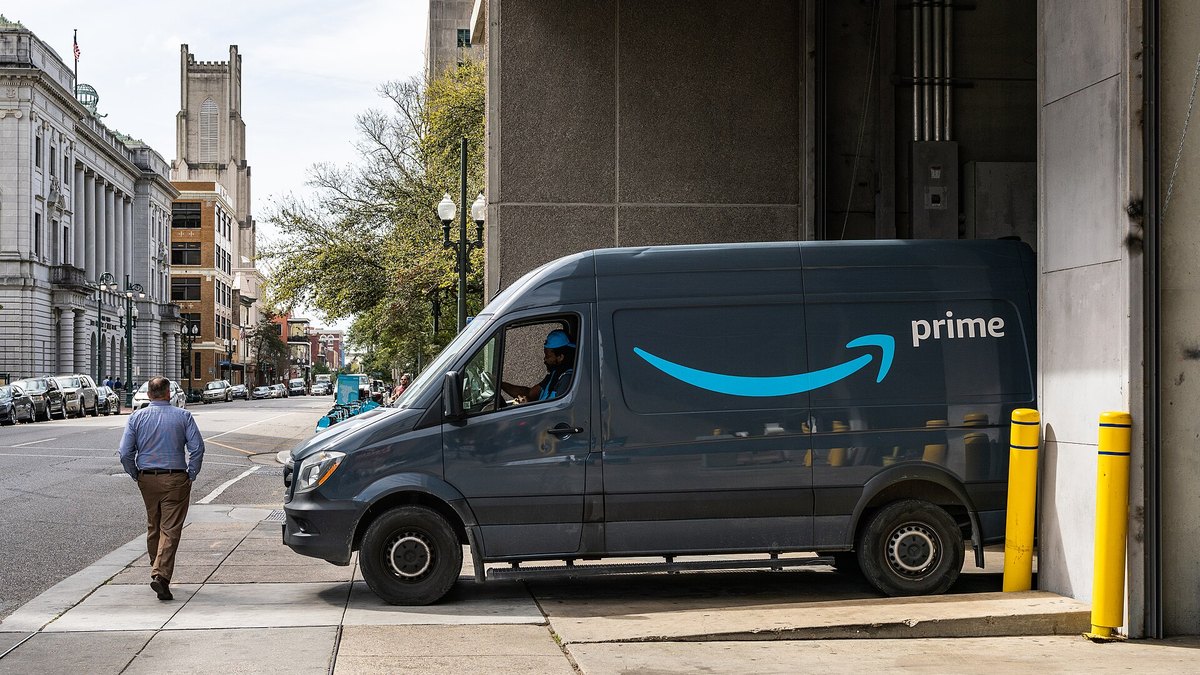
You start a rideshare and delivery fleet by first picking the model each platform actually allows, then licensing, insuring and staffing the vehicles for the city you work in. The platforms are not the same: Uber lets a supplier list vehicles for drivers starting with one car, Lyft onboards fleets for its luxury Black service, and DoorDash requires every Dasher to use their own single account.
Uber's US fleet page says you can start with one vehicle, there is no limit to the number you can list for rent, and its Fleet Hub tool comes at no cost. Lyft says a fleet company must have all the permits and commercial insurance needed to operate in its area. DoorDash says a Dasher should be the only person using the account or completing the delivery, so a delivery fleet usually means contracting as a company, such as Amazon's Delivery Service Partner program, rather than sharing app accounts.
City and state rules then decide the rest. In New York City, a new livery base must attach at least ten vehicles and pays $1500 for a three-year license, per the Taxi and Limousine Commission.
Pick the fleet model each platform allows
"Fleet" means different things on different apps. Before you buy a single car, match your plan to the platform's own rules:
- Uber (rideshare)Sign up as a supplier, register the fleet, then add vehicles and drivers in Fleet Hub; start with one vehicle, no limit on vehicles listed for rent
- Lyft (Black and Black SUV)Fleet companies onboard through the Partner Portal; only luxury vehicles qualify; permits and commercial insurance required; a 1-vehicle owner uses standard onboarding
- DoorDash (food and retail delivery)Dashers agree to have only one account and should be the only person using it or completing the delivery
- Amazon Delivery Service Partner (packages)Entrepreneurs run their own delivery companies; Amazon supports DSPs with infrastructure, technology and a suite of exclusive services
Uber's Fleet Hub tracks trip information and earnings at the driver and vehicle level and shows a live map of where drivers are, and you can add, edit or remove drivers as needed. That makes the rideshare version of the business a vehicle-supply business: you own or lease the cars and make them available to drivers.
Delivery works differently. DoorDash's December 12, 2024 announcement says anyone who dashes must verify their identity with a government ID, that more than 150,000 Dashers are asked to re-verify each week, and that a Dasher who cannot or will not re-verify may not continue. Renting cars to independent Dashers is one thing; putting several people on one account is against the rules. For a true delivery company with your own vans and staff, the Amazon DSP program is the best-known contract model, and Amazon says it has invested more than $12.3 billion in rate card increases, safety programs and services for those partners.
Get licensed where you will drive
Rideshare rules are local. The BLS says regulations for ride-hailing drivers vary by state and city. Some states license the app company itself: California's Public Utilities Commission regulates transportation network companies, which use an app to connect drivers using their personal vehicles with passengers.
New York City is the strictest example and shows what a city license can involve. The TLC says for-hire service must be arranged through a TLC-licensed base and performed by TLC-licensed drivers in TLC-licensed vehicles. Starting your own livery base looks like this:
- Base license fee$1500 for a three-year FHV base license
- Surety bond$5,000 to the benefit of the City of New York, kept current at all times
- Minimum fleetAt least 10 vehicles, or 5 if at least one is wheelchair accessible, before final approval
- Other requirementsName reservation (held 45 days), workers' compensation or benefit-fund proof, EIN proof, operating plan, fingerprinting of owners
Insure every vehicle for commercial use
A personal auto policy is not enough. California's CPUC requires drivers to be told that their personal automobile insurance policy will not provide coverage while the vehicle is used with a TNC app. It splits each trip into three periods with different minimums:
- Period 1: app open, waiting for a match$50,000 per person and $100,000 per incident for death and injury, $30,000 property damage, plus $200,000 excess per occurrence
- Period 2: match accepted, heading to pickup$1,000,000 primary commercial insurance
- Period 3: passenger in the vehicle$1,000,000 primary commercial insurance
In New York City, a for-hire vehicle application needs a current For-Hire Insurance Certificate (FH-1) in the applicant's name and a certificate of liability showing the city's minimum coverage. Get quotes for the exact use, rideshare, black car or delivery, because each is priced and regulated differently.
Know when federal trucking rules apply
Most rideshare cars sit well below federal motor carrier thresholds, but a heavy cargo van or a large passenger van can cross them. The FMCSA requires a USDOT Number for a vehicle involved in interstate commerce that has a gross vehicle or combination weight rating of 4,536 kg (10,001 pounds) or more, or is designed or used to carry more than 8 passengers (including the driver) for compensation.
Interstate commerce includes trips between two places in one state that pass through another state. FMCSA also notes that some states require a USDOT Number for intrastate commercial vehicles, so check your state even if you never leave it.
Decide how your drivers are classified
The BLS says ride-hailing drivers typically operate their own vehicles and usually pay expenses such as fuel and maintenance. A fleet changes that: you own the cars, and you must decide whether drivers who use them are renters, contractors or employees.
The IRS says it is critical to get this right. For employees you generally withhold income, Social Security and Medicare taxes, pay the employer's matching share and pay unemployment tax; for independent contractors you generally do not. The test looks at three categories of control and independence: behavioral, financial and the type of relationship. Either side can file Form SS-8 for an official ruling, which the IRS says may take at least six months.
Set up the company, EIN and vehicle taxes
Form an entity and get an EIN before you apply for licenses; New York's TLC asks for proof of EIN through an IRS CP-575 notice or 147-C letter. The IRS issues an EIN online in minutes for free and says you never have to pay a fee for one.
Track every mile. The IRS standard mileage rate for business use is 76 cents per mile for July 1 to December 31, 2026, up from 72.5 cents for the first half of 2026. Ask your accountant whether the standard rate or another method fits each fleet vehicle.
Fund the first vehicles
No federal agency publishes an average start-up cost for a rideshare or delivery fleet, so build your own budget: vehicles or leases, commercial insurance, licensing fees and bonds, maintenance, parking, telematics and working capital for the weeks before payouts arrive. Two SBA programs fit:
- SBA microloanUp to $50,000 through nonprofit intermediary lenders; average about $13,000; repayment up to seven years; rates vary by intermediary
- SBA 7(a) loanUp to $5 million for working capital and equipment; SBA guarantees 85% of loans of $150,000 or less and 75% above that
A microloan can cover a first vehicle or two and opening costs. A 7(a) loan suits a larger van fleet or buying an existing base.
Know the driver market you are hiring from
The BLS counts 455,700 taxi driver, shuttle driver and chauffeur jobs in 2025, with a median pay of $37,960 a year, and projects employment to grow 9 percent from 2025 to 2035. It says much of that growth stems from a greater demand for ride-hailing drivers, who typically work as independent contractors. On the delivery side, light truck drivers held about 1.1 million jobs and earned a median of $44,860 in May 2025, per the BLS delivery driver profile.
- Taxi drivers who are self-employed86%
- Light truck drivers at couriers and messengers37%
- Light truck drivers in retail trade17%
- Light truck drivers who are self-employed7%
Those pay figures are a benchmark for what drivers can earn elsewhere, which matters whether you pay wages or set a weekly rental rate.
A practical starting order
- Choose the model. Vehicle supply on Uber, a Lyft Black fleet, or a delivery company under contract, based on each platform's own rules.
- Read the local rules. Check city and state licensing, base rules and whether new vehicle licenses are available.
- Form the company. Choose an entity and get a free EIN from the IRS.
- Insure it. Buy commercial coverage that meets your state's minimums for every period of a trip.
- Check vehicle size. Confirm whether any van needs a USDOT Number.
- Classify drivers. Decide employee, contractor or renter with an adviser, using the IRS control test.
- Fund and launch. Price the first vehicles, compare an SBA microloan with a 7(a) loan, then register on the platform.
Questions people ask
How many cars do I need to start a rideshare fleet?
On Uber, one. Uber's fleet page says you can start with one vehicle and there is no limit to the number you can list for rent. City rules can set a minimum: a new New York City livery base must attach at least 10 vehicles, or 5 if one is wheelchair accessible, per the TLC.
Can I run a DoorDash fleet with several drivers on one account?
No. DoorDash's Community Guidelines say Dashers agree to have only one account and should be the only person using it or completing the delivery, and breaking the rules may result in removal from DoorDash.
What insurance does a rideshare fleet vehicle need?
Commercial coverage that meets state minimums. In California, the CPUC requires $1,000,000 of primary commercial insurance from the moment a match is accepted until the passenger exits, and says a personal auto policy will not provide coverage.
Do delivery vans need a USDOT number?
Only in some cases. The FMCSA requires one for vehicles in interstate commerce rated at 10,001 pounds or more, and some states require one for intrastate commercial vehicles too.
Are fleet drivers employees or independent contractors?
It depends on how much control you have. The IRS looks at behavioral control, financial control and the type of relationship, and either side can file Form SS-8 for an official determination.
Sources
- Uber: Fleet management (US) · Fleet Hub, one-vehicle start, no listing limit
- Lyft: Black Car Fleets · Partner Portal, luxury vehicles, permits and commercial insurance
- DoorDash: Community Guidelines · One account per Dasher
- DoorDash: Safeguards against account sharing (Dec 12, 2024) · ID checks and weekly re-verification
- Amazon: Delivery Service Partners · DSP program and Amazon's stated investment
- NYC TLC: For-Hire Vehicle Bases · Base classes and licensing rules
- NYC TLC: Livery Base · Fee, bond, minimum vehicles and documents
- NYC TLC: Get a For-Hire Vehicle License · New licenses limited to wheelchair accessible vehicles; FH-1 insurance
- CPUC: Transportation Network Companies · Definition of a TNC
- CPUC: Insurance Requirements for TNCs · Coverage periods and minimums
- FMCSA: Do I Need a USDOT Number? · Weight and passenger thresholds
- IRS: Independent contractor or employee? · Control test and Form SS-8
- IRS: Standard mileage rates · 2026 business mileage rates
- IRS: Get an EIN · Free EIN online
- SBA: Microloans · Up to $50,000, average loan and term
- SBA: 7(a) loans · Uses, $5 million maximum and guarantee
- BLS: Taxi Drivers, Shuttle Drivers, and Chauffeurs · Jobs, pay, outlook and ride-hailing notes
- BLS: Delivery Truck Drivers and Driver/Sales Workers · Light truck driver jobs, pay and employers
Figures were read from the linked pages on November 3, 2026. Platform programs, city license rules, insurance minimums and tax rates change often. This is not legal, tax or insurance advice.
Top photo: Tony Webster from Minneapolis, Minnesota, United States / CC BY 2.0 via Wikimedia Commons