How does the AI talent war and compensation for elite researchers work in 2027?
Nobody publishes verified 2027 pay for elite AI researchers, and the top end is known mostly from press reports of named offers rather than from filings. The best public data is self-reported. Levels.fyi lists a median total compensation of $172,000 for AI researchers from 102 salaries, with a 90th percentile of $464,000, on a page updated November 2, 2026. The headline packages sit far above that.
The pieces of a package are base salary, equity, one-time bonuses and, for the very top, deals that buy a whole startup team. Wired reported Meta offers of up to $300 million over four years, which Meta's CTO said were exaggerated. The Wall Street Journal reported OpenAI's stock-based pay averaged $1.5 million per employee. Google's reported $2.4 billion Windsurf deal shows the acqui-hire route.
We label each claim as reported or stated by the source. We do not rank companies or advise on pay.
What the public pay data show
Compensation databases are the only broad, dated source. Their limit is that people submit their own numbers, so they skew toward large employers and under-count rare packages.
- Levels.fyi, AI researcher title page: lists a median total compensation of $172,000, a 25th percentile of $65,000, a 75th percentile of $310,000 and a 90th percentile of $464,000, from 102 salaries reported to Levels.fyi (page updated November 2, 2026; self-reported).
- Levels.fyi, OpenAI page: shows a median total compensation of $570,000 across all roles and a Software Engineer median of $600,000, with a highest reported figure of $1,886,250 for an L7 Software Engineer. Total compensation there is base plus annualized stock plus bonus. The page has no research scientist category, so it is not a researcher figure.
- KORE1 (a staffing firm), July 9, 2026: states that an AI research scientist runs $160,000 to $250,000 base for most companies and that frontier-lab total packages go past $600,000. The firm discloses that it only gets paid when a client hires someone it brings, so treat this as vendor-stated.
Is there an AI pay premium?
Yes, and it grows with seniority. Levels.fyi's July 17, 2025 analysis found AI engineers earning more than non-AI engineers by 6.2% at entry level, 11.9% at engineer level, 14.2% at senior level and 18.7% at staff level in 2025. At staff level the premium was 15.8% in 2024. Its Intuit example put staff AI engineers at close to $917,000 versus about $515,000 for non-AI staff engineers. The post does not state a sample size.
Pave, a compensation-data vendor, reported on February 11, 2025 that annual attrition is 22% for AI/ML managers and 28% for AI/ML individual contributors, against 17% for software engineers, and that accepted offers for AI/ML roles have doubled since May 2023. It also says almost 60% of the world's AI/ML talent is in the US and 50% of AI/ML researchers in its dataset are in the Bay Area (vendor-stated).
Component one: equity at the labs
At the labs the largest part is equity. The Wall Street Journal, relayed by The Decoder on December 31, 2025, reported that OpenAI's stock-based compensation averages $1.5 million per employee across roughly 4,000 employees, about 34 times what major tech companies typically paid before going public. As a share of annual revenue it put OpenAI at 46.2% (a 2025 projection), against 32.6% at Palantir, 14.6% at Alphabet and 5.9% at Meta. It reported that OpenAI expects compensation costs to rise by $3 billion annually through 2030. These are press reports of investor materials, not filings.
For a public company, the cost is visible. Meta's CFO Susan Li said on the Q3 2025 earnings call, as reported by CFO Dive on October 30, 2025, that employee compensation costs grew at an accelerated pace, mainly from technical hires in AI, and will be the second largest contributor to expense growth in 2026.
Component two: one-time bonuses and retention
CTech reported on December 31, 2025 that the Wall Street Journal had reported in September that OpenAI granted one-time bonuses to research and engineering team members that in some cases totaled several million dollars per employee. CTech also reported that OpenAI eliminated a policy requiring employees to stay six months before exercising stock options. Neither is a confirmed company disclosure.
Component three: headline offers, reported and disputed
The Decoder, updated July 16, 2025, summarized Wired's report of Meta compensation packages of up to $300 million over four years, with more than $100 million paid in the first year, and at least ten offers to OpenAI employees. Earlier reports put offers at up to $100 million.
Meta's CTO Andrew Bosworth, as reported by The Verge in the same piece, said high offers exist but are limited to a small group of top leaders and are complex compensation deals rather than simple cash bonuses, and he called the $100 million signing bonus claim dishonest and exaggerated. We therefore treat the figures as reported, not confirmed.
Component four: acqui-hires and licensing deals
For the most sought-after teams, companies pay the startup instead of the person. Three deals show the pattern, each with a source that frames it differently.
- Google and Character.AI, 2024: PYMNTS reported on September 25, 2024, citing the Wall Street Journal, that the deal cost about $2.7 billion and was a licensing agreement under which Noam Shazeer returned to Google. PYMNTS did not independently confirm the figure.
- Google and Windsurf, July 2025: TechCrunch reported on July 11, 2025, attributing the number to Bloomberg, that Google is paying $2.4 billion for a nonexclusive license and for the CEO, a co-founder and some top researchers to join Google DeepMind. Google takes no stake. Most of Windsurf's roughly 250 employees stayed.
- Meta and Scale AI, June 2025: CNBC reported on June 12, 2025 that Meta is investing $14.3 billion for a 49% stake with no voting power, and that Scale's founder leaves for Meta to work on superintelligence while staying a Scale director.
These payments blend a technology license, an investment and pay for the people hired, and the sources do not split them. We do not infer a per-person figure.
Where recruiters and data vendors fit
Small specialist firms work this market. Their pages are marketing, so each claim below is vendor-stated.
- Christian & Timbers: an executive search firm that wrote on October 7, 2026 that companies outside the labs rarely win on money alone and that a problem worth solving, data no lab has, guaranteed compute and research freedom written into the offer matter.
- Axial Search: offers executive search, fractional AI leaders and specialist recruitment for AI, machine learning and data. It argues a specialist boutique is usually better for a single senior or first AI leader hire (vendor-stated; page updated September 2, 2026).
- KORE1: publishes AI research scientist pay bands, as above, and discloses its placement-fee model.
- Levels.fyi and Pave: the comp-data sources used on this page, linked above. Pave's report data is gated, so we cite only its public blog.
Questions people ask
How much do elite AI researchers earn in 2027?
No source has verified 2027 pay. Reports from 2025 describe offers of up to $300 million over four years at Meta (Wired, disputed by Meta's CTO), while Levels.fyi lists a $172,000 median for AI researchers.
What is in an AI researcher compensation package?
Base salary, equity, one-time bonuses and sometimes larger deals. KORE1 states $160,000 to $250,000 base for most companies, and the WSJ reported OpenAI stock pay averaging $1.5 million per employee.
What is an acqui-hire in AI?
A company pays a startup, often through a license, to hire its founders and researchers. Google's reported $2.4 billion Windsurf deal gave it a nonexclusive license and hires but no stake.
Do AI engineers earn more than other software engineers?
Levels.fyi found premiums of 6.2% at entry level up to 18.7% at staff level in 2025, with the gap growing by seniority.
Are the reported $100 million offers real?
They are reported, not confirmed. Meta's CTO called the $100 million signing bonus claim exaggerated, saying high offers exist for a small group and are complex deals.
Where can I find AI pay data?
Levels.fyi publishes self-reported pay pages, and Pave publishes compensation reports from its customer dataset. Both are vendor data with limits.
Sources
- Levels.fyi: AI researcher salaries · Median $172,000, 25th/75th/90th percentiles, 102 salaries
- Levels.fyi: OpenAI salaries · Median $570,000, Software Engineer $600,000, top $1,886,250
- Levels.fyi blog: AI Engineer Compensation Trends Q3 2025 (Jul 17, 2025) · AI premium 6.2% to 18.7%, Intuit example
- Pave: AI & ML Talent Insights (Feb 11, 2025) · Attrition 22%, 28%, 17%; offers doubled; 60% in US
- The Decoder: Meta reportedly offers up to $300 million (updated Jul 16, 2025) · Wired report, Bosworth response
- The Decoder: OpenAI stock compensation averages $1.5 million (Dec 31, 2025) · WSJ figures: $1.5M, 4,000 staff, 46.2% of revenue
- CTech: OpenAI is paying $1.5 million per employee in equity (Dec 31, 2025) · One-time bonuses, option policy change
- CFO Dive: Meta sees accelerated employee compensation growth (Oct 30, 2025) · CFO statements on AI hiring costs
- TechCrunch: Windsurf CEO goes to Google (Jul 11, 2025) · $2.4 billion per Bloomberg, license, hires
- PYMNTS: Google reportedly spent $2.7 billion (Sep 25, 2024) · WSJ-reported Character.AI licensing deal
- CNBC via NBC Chicago: Scale AI deal with Meta (Jun 12, 2025) · $14.3 billion, 49%, no voting power
- KORE1: How to hire an AI research scientist (Jul 9, 2026) · Base ranges, frontier totals (vendor-stated)
- Christian & Timbers: Recruiting an AI research leader (Oct 7, 2026) · What wins frontier-lab talent (vendor-stated)
- Axial Search: AI executive search firm guide (updated Sep 2, 2026) · Services and boutique claim (vendor-stated)
Facts were read from the linked pages on November 2, 2026. Pay figures for named offers are press reports and several are disputed, so check the source before quoting one. Vendor claims are labeled vendor-stated. If a page here is out of date, tell us and we will correct it from a source.
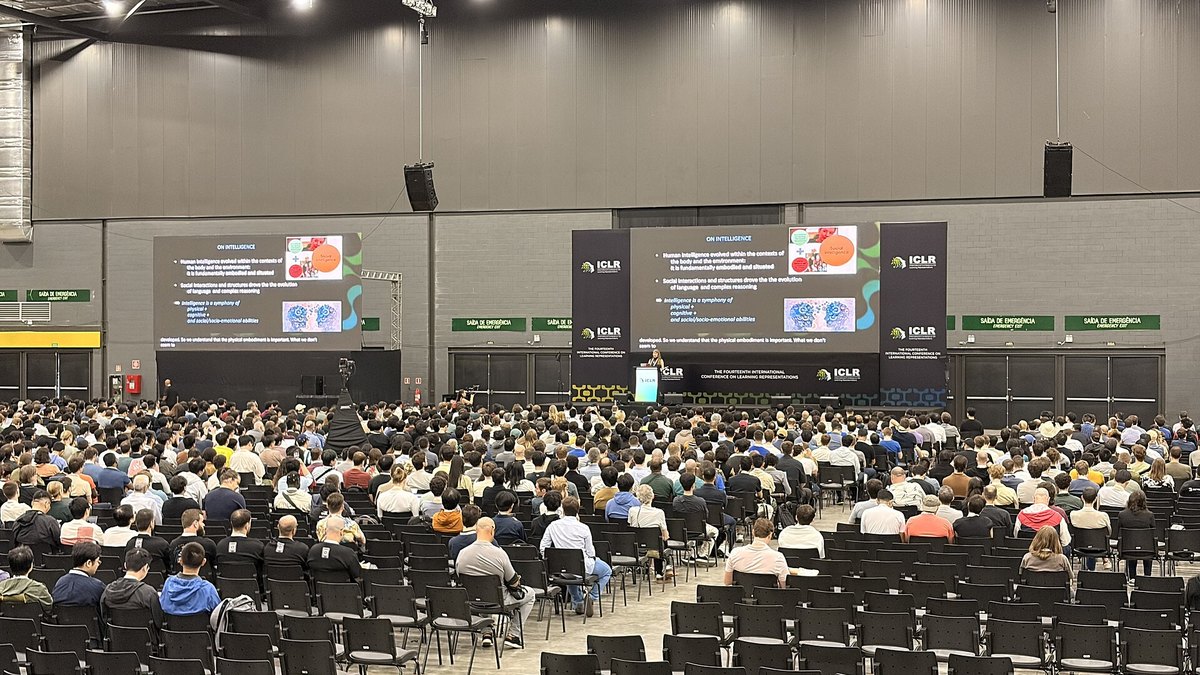
Top photo: TheGlobetrotter / CC BY-SA 4.0 via Wikimedia Commons