How to Grow a Senior Technology Training Business in 2027

The question describes a company selling $100 group workshops that teach older adults to use phones, iPads and email, with real but modest traction and a friction point capping growth. The company's own numbers were not provided, so the friction below is a diagnosis, not a measurement. The three most likely culprits are who pays, how you reach seniors, and one-time workshops that never turn into repeat revenue.
The right next move is to stop selling to seniors one at a time and sell the program to an organization that already reaches and serves them: a library, senior center, retirement community, Area Agency on Aging or health plan. Pair it with a repeat product (a membership, a monthly drop-in clinic or a short course series) so the same learners and the same partners keep paying.
The demand is there: Pew Research Center reports that 78% of adults 65+ own a smartphone. The money and the trust sit with institutions, though, and some funding questions are unpublished. This page marks what is sourced and what is not. It is not financial or legal advice.
Friction point one: who pays
A $100 workshop asks a retiree to pay out of pocket for something that free options already offer. Senior Planet, the flagship program of OATS (Older Adults Technology Services), offers interactive online classes in English, Spanish and Chinese that AARP describes as free to anyone of any age, with about 50 classes on the weekly schedule. A paid workshop competes with that, so it has to be clearly better: in person, local, hands-on with the learner's own device, or aimed at a specific need.
Willingness to pay for tech is not zero. AARP's 2025 technology trends research found that 67 percent of adults 50+ made a new tech purchase in the past 12 months, spending about $753 on average. But about 2 in 5 wanted a product and did not buy it, usually due to financial pressure or inflation. Cost is a real barrier for part of your audience.
The practical answer is to separate the learner from the payer. Libraries, senior centers, housing operators and health plans all gain when seniors can use their devices. Your job is to find which of them will pay for seats, a series or a license, while the learner pays little or nothing.
Friction point two: reaching older adults
Seniors are not hard to find online: Pew Research Center's internet fact sheet shows 90% of adults 65+ use the internet and 70% have home broadband, based on a 2025 survey of 5,022 U.S. adults. The mobile fact sheet shows 95% of adults 65+ have a cellphone and 78% a smartphone, compared with 97% of adults 18-29 for smartphones, a 19-point gap.

Those numbers explain the opportunity: most of your market already owns the device and needs help using it well, not buying it. They do not explain how to reach people. AARP found that data privacy is the biggest barrier to tech adoption, cited by one-third of older Americans polled. Trust is the marketing problem, and a trusted local institution lends it to you.
Pew's older research shows what the learner feels. In a 2017 Pew report, around three-quarters of adults 65 and up said a statement about needing someone else to set up or show them a new device described them very (48%) or somewhat (25%) well. That points to demand for in-person, patient help, though it is an older survey and not a measure of today's purchase intent.
Friction point three: one-time workshops, no repeat revenue
A workshop teaches phones on Tuesday and ends. The learner has no reason to come back, and your sales costs reset every time. Signs a workshop business has hit this wall: strong feedback, few repeat buyers, and revenue that tracks how many events you can personally run. (These are signs to look for in your own records, not findings from the sources.)
The AARP research points at what keeps people engaged. It found that 71 percent of adults 50+ are very interested in a tech support service, and 19% cite setup and support as a barrier. Learners want ongoing help, not just a class. That suggests selling a relationship instead of an event:
- Drop-in clinics. A regular session where members bring their own devices and questions, funded by a partner or a small membership.
- Course series. Phone basics, then email and scams, then video calls, then photos and the cloud, each a separate purchase or one bundled series.
- Topic updates. AARP reports that generative AI use among adults 50+ doubled from 9 percent in 2023 to 18 percent in 2024. New tools keep creating new lessons.
- Licensing your curriculum. OATS runs a Senior Planet licensing program that, in its words, equips local organizations with the tools to help seniors access technology. It shows partners value a packaged curriculum. Pricing and terms are not published on that page.
Partners that already reach seniors
Libraries are the obvious first call. A Library Research Service summary of a 2015 ALA report listed technology training at 98% of libraries, so many libraries already run something. That figure is a decade old and not specific to older adults, but it suggests you will often supplement a library program, not replace it. Pitch what they cannot staff: a specialized curriculum, extra sessions or a skilled instructor.
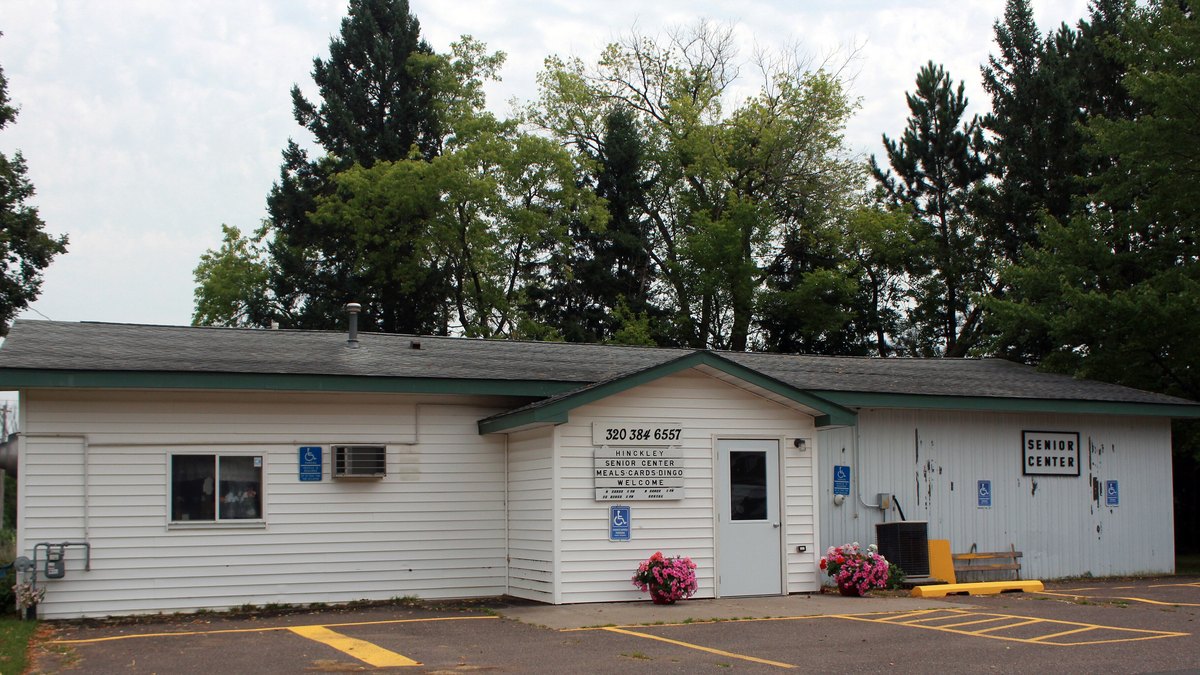
Senior centers, retirement communities and housing operators work the same way. They have the room, the contact list and the trust. A realistic deal is that you provide the instructor and curriculum, they provide the room and the audience, and either they pay a fee per session or learners pay a small amount. No public price benchmarks for such deals were found, so quote from your own costs.
Funding through Area Agencies on Aging
The Older Americans Act, described by ACL as a major vehicle for delivering social and nutrition services to older people and their caregivers, runs through a national network that includes 618 area agencies on aging and nearly 20,000 service providers. Its benefits are for individuals age 60 and over.
That makes your local Area Agency on Aging a possible buyer or referral source, usually by becoming a contracted provider. Look at your own agency's procurement page for requests for proposals.
Health plans and the Medicare Advantage angle
In 2023, Fortune reported that CMS proposed requiring Medicare Advantage plans to offer digital health education to members with low digital health literacy, starting in 2024. The article said it was unknown whether the proposal would take effect and how plans would pick members who need training.
The next move, step by step
- Diagnose with your own data. Count how many customers came back, how they found you, and who paid. The public data above cannot replace this.
- Package one partner-ready program. A fixed series with a curriculum, a headcount range and a per-session price a library or senior center can approve.
- Pilot with a few partners. Use libraries, senior centers or housing operators. Track attendance, repeat attendance and partner renewal.
- Add the repeat product. A drop-in clinic or follow-on series, so each partner relationship produces revenue every month.
- Then pursue larger buyers. Area Agencies on Aging and health plans, once you have attendance records and learner outcomes to show.
Questions people ask
Why do senior technology workshops stall?
The usual causes are that seniors pay out of pocket while free programs exist, that trust-based marketing is slow, and that a one-time class gives no reason to come back. This page treats those as likely causes, not measured ones, since the company's numbers were not provided.
Do older adults actually own smartphones?
Yes. Pew Research Center reports that 78% of adults 65+ own a smartphone and 95% own a cellphone, from a survey conducted Feb. 5 to June 18, 2025. See the Pew mobile fact sheet.
How much do older adults pay for tech classes?
That figure is not published in the sources found. AARP reports that adults 50+ spent about $753 on average on new tech purchases over the past 12 months, which covers devices rather than training, so test your own pricing.
Can Area Agencies on Aging fund technology training?
The ACL Older Americans Act page describes a network of 618 area agencies on aging and nearly 20,000 service providers, with benefits for people age 60 and over, but does not say how much goes to technology training. Contact your local agency.
Will Medicare Advantage plans pay for digital literacy training?
CMS proposed in 2023 that plans offer digital health education to members with low digital health literacy. We did not verify whether that took effect, and found no source showing plans paying small private trainers.
Sources
- Pew Research Center: Mobile Fact Sheet · Smartphone and cellphone ownership by age, 2025 survey
- Pew Research Center: Internet and Broadband Fact Sheet · Internet use and home broadband by age, 2025
- Pew Research Center: Barriers to adoption and attitudes towards technology (2017) · Older adults needing help setting up devices
- AARP: 2025 Technology Trends of Older Adults · Tech spending, barriers, interest in tech support, AI use
- AARP: AARP Joins With Nonprofit to Teach Tech to Older Adults · Senior Planet free classes, languages, weekly schedule
- OATS (Older Adults Technology Services) · Senior Planet licensing program and AARP affiliation
- ACL: Older Americans Act · Area Agencies on Aging network, age 60+ eligibility
- Library Research Service: Public libraries and digital inclusion (2015) · Share of libraries offering technology training
- Fortune: Medicare digital literacy (2023) · CMS proposal on digital health education in Medicare Advantage
Figures were read from the linked pages on October 19, 2026. The company's own numbers were not provided, so the friction points are likely causes, not findings. Where a figure is not published, this page says so. This is not financial or legal advice.
Top photo: Shixart1985 / CC BY 2.0 via Wikimedia Commons