How to Start a 3D Printing Service Business in 2027
You start a 3D printing service business by picking a niche, buying one or two reliable printers, setting up a business entity and the permits your city requires, insuring the work, pricing by material plus machine time plus labor, and then finding repeat customers who need parts made. The printer is the visible cost; post-processing labor, the niche you choose and your pricing rule decide whether it earns money.
Printer prices published by the makers give a sense of the range. Prusa lists its CORE One at $1,202.78 assembled or from $925 as a kit, and Formlabs lists its Form 4 resin printer from $2,625 for the Basic Package. UltiMaker does not publish a price for its S5 and sends buyers to a quote form. Materials, finishing tools, software, insurance and a cushion come on top, and no public source gives one standard startup total, so build your own list with the SBA startup cost worksheet.
The industry is not a guaranteed boom. Public results for 2025 show falling revenue at the big printer makers and at Protolabs' 3D printing line, which is a reason to start small and sell to specific customers. This page is not financial or legal advice; check your state and city rules before you pay or sign.
The steps in order
Most new service operators follow this order, which matches the SBA's general launch guidance.
- Pick a niche and a customer. Prototypes for local engineers, replacement parts, miniatures, dental or jewelry molds, architectural models. The SBA says market research should answer demand, market size, where customers are, how saturated the market is and what rivals charge.
- Choose one printing technology. Filament (FDM) printers and resin printers suit different parts; the next sections compare them.
- Form the business and check permits. See the licensing section below.
- Insure the work. See the insurance section below.
- Set a price rule and a quote process. Pricing is covered below.
- Find your first customers and keep them. Customer sources are covered below.
Equipment: what the makers publish
Only prices and specs the makers published on the pages read for this guide are used here. Prices change and some store pages blocked automated reading, so confirm on the maker's store.
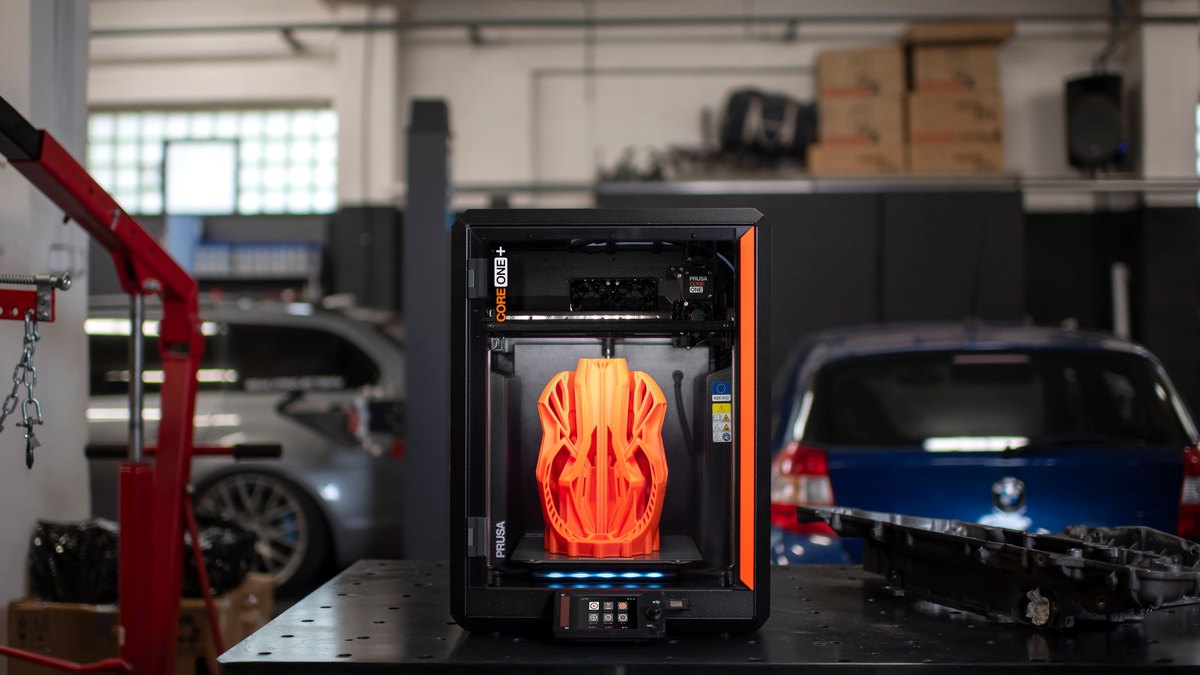
- Prusa CORE One, filament (FDM)$1,202.78 assembled, kit from $925; 250 x 220 x 270 mm build volume; 0.05-0.30 mm layer height; 1.75 mm filament; enclosed, with chamber heating up to 55 C
- Formlabs Form 4, resinBasic Package $2,625 excl. sales tax; Complete Package 120V $5,461; Premium Package 120V $8,123; 20.0 x 12.5 x 21.0 cm build volume
- UltiMaker S5, filament (FDM)Price not published, quote form only; 330 x 240 x 300 mm build volume; dual extrusion; over 280 compatible materials
Sources: Prusa, Formlabs, UltiMaker. One note on the Prusa figure: its own comparison table lists the assembled printer as from $1,299 while the product listing shows $1,202.78, so check the live price.
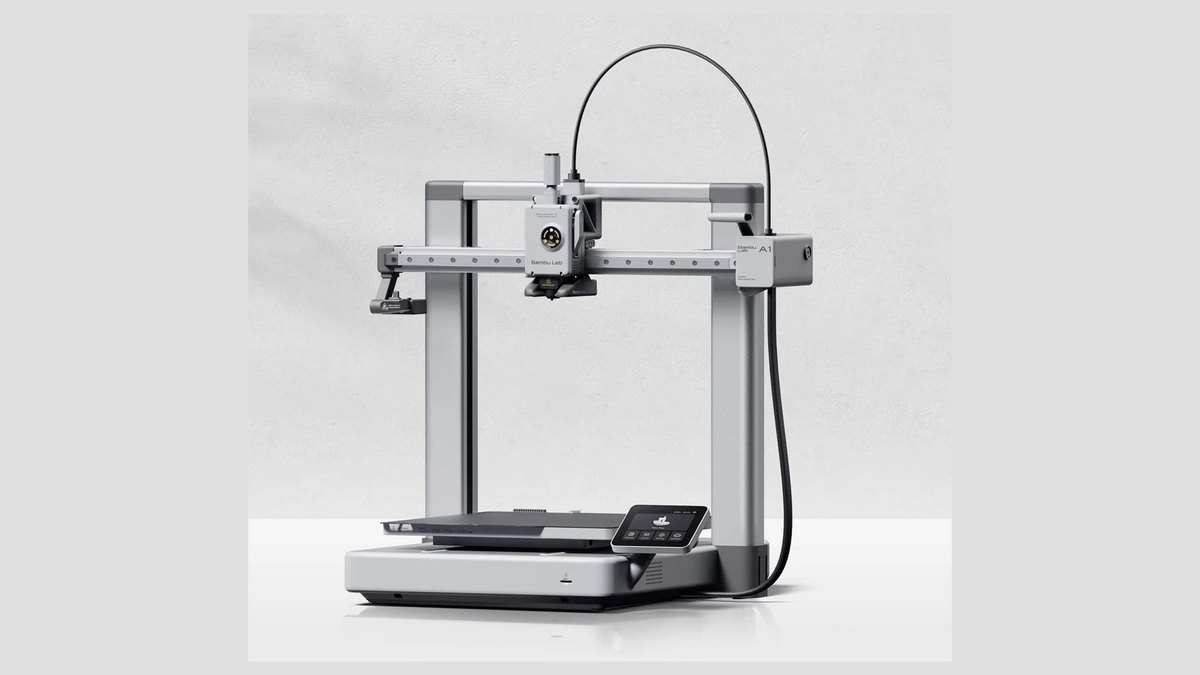
Bambu Lab makes the popular A1, but its store blocked automated reading, so no Bambu price is quoted here. Check its US store directly.
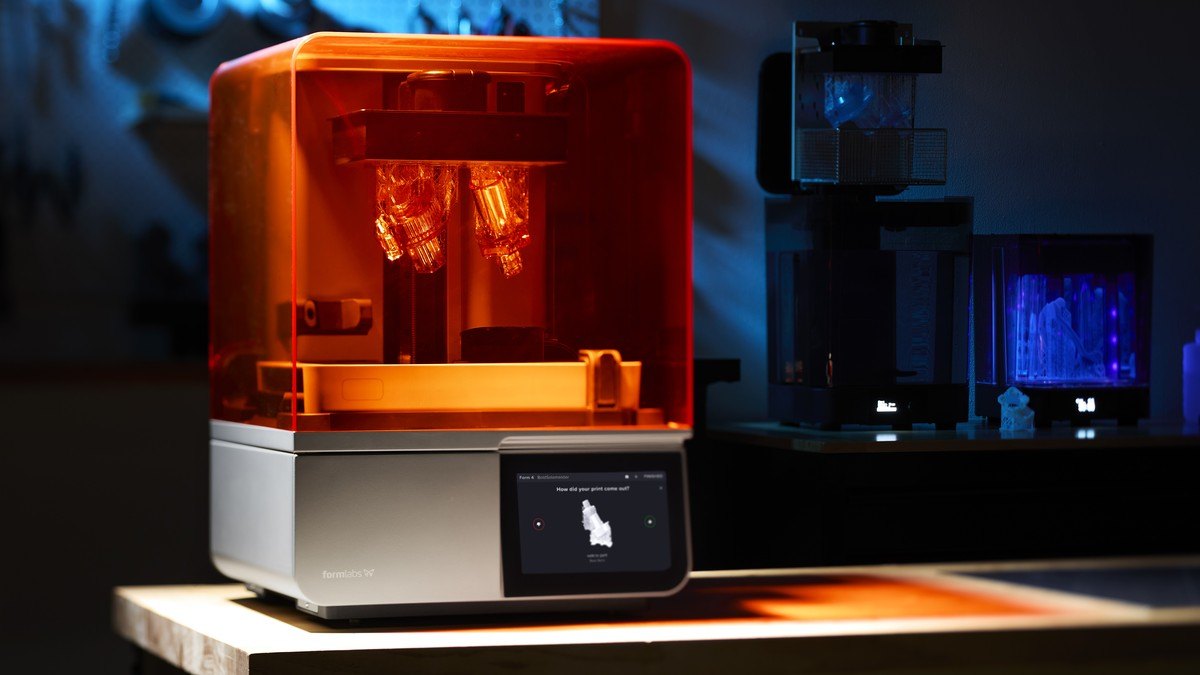
A practical reading of the specs: a larger build volume lets you print bigger parts or batch more small ones per run, enclosed machines handle more materials, and resin printers cost more up front but suit fine detail. The Formlabs Basic Package page itemizes the printer, resin tank, mixer, build platform and finish kit, and the product page shows the wash and cure stations as separate products, so budget for finishing, not just the printer.
Startup costs: what is and is not published
The SBA lists one-time costs such as major equipment, permits, licenses and fees, and ongoing costs such as rent and utilities. It says to count at least one year of monthly expenses, to add roughly 10% for unexpected expenses, and gives a break-even formula: fixed costs divided by price minus variable costs. It does not publish dollar estimates for any startup cost.
- Printers: the maker prices above.
- Materials, finishing tools, software, a workspace, marketing: no sourced public total exists, so get quotes from the vendors you will use.
- Insurance, legal and accounting help, permits: vary by place, as covered below.
Pricing model
Protolabs, which sells 3D printing at scale, shows how the cost drivers stack up. Its 3D printing page says per-part cost depends on design, material, process and post-print operations, and that post-print operations typically account for most of the part cost, especially when manual labor is involved. It advertises instant quotes from an uploaded CAD file and no minimum order quantities.
A common service pricing rule built from those drivers: material used, plus machine time, plus labor for finishing, plus a margin, with a minimum charge per job so tiny orders pay for your setup time. Protolabs does not publish its internal margins, and this guide does not either; set yours from your own break-even numbers.
Compare your quotes against what rivals charge, which is a step the SBA recommends under competitive analysis.
Business structure, licenses and insurance
The SBA says most small businesses need a combination of licenses and permits from both federal and state agencies, that you typically do not need to register with county or city governments just to form the business, and that local governments determine registration, licensing and permitting requirements. It adds that zoning laws are typically controlled locally, which matters if you plan to run printers at home. Some licenses and permits expire, so track renewals.
On structure, the SBA says a sole proprietorship does not create a separate business entity and you can be held personally liable, while an LLC protects you from personal liability in most instances, with limits.
For insurance, the SBA lists six common types: general liability, product liability, professional liability, commercial property, home-based business insurance and a business owner's policy. Product liability is the one aimed at businesses that make or sell products, and a printed part that fails is a product. The SBA also says employers must carry workers' compensation, unemployment and disability coverage, and that you should insure against things you could not pay for yourself. Talk to licensed agents and compare quotes.
Finding customers
The SBA says market research helps you find customers, and suggests starting from who they are and where they are. Applied here, that means going to the people who already need parts: local machine shops, product designers, hobby and game communities, architects, repair businesses and small manufacturers who need short runs.
A niche with repeat orders beats one-off hobby prints. Offer a fast turnaround on a narrow service, such as functional prototypes or replacement parts, and send quotes quickly. Public sources reviewed here do not publish a conversion rate or ad cost benchmark for this business, so track your own.
Market data from public filings
Public companies show a market that is large but not booming. All figures below are from each company's own results for full-year 2025.
- StratasysRevenue $551.1 million versus $572.5 million in 2024; services revenue $170.8 million; GAAP net loss $104.3 million
- 3D SystemsTotal revenue decreased 12% to $386.9 million
- Protolabs, 3D printing line$80.3 million versus $83.8 million in 2024, down 4.1%; total company revenue $533.1 million, with CNC Machining the main growth driver
Sources: Stratasys, 3D Systems, Protolabs. For a small shop the lesson is not that demand has vanished; Protolabs grew overall through machining while its 3D printing line shrank slightly. Win on a specific niche, speed and finishing quality rather than on price alone.
Questions people ask
How much does it cost to start a 3D printing service business?
No public source gives one total. Maker-published printer prices run from Prusa's $925 kit to Formlabs' $8,123 Premium Package, and you add materials, finishing, software, insurance and permits. The SBA says to count at least one year of monthly expenses.
Do I need a license to run a 3D printing business?
Usually some registration applies, but it depends on where you are. The SBA says local governments determine registration, licensing and permitting requirements, and that zoning is typically local.
What insurance does a 3D printing service need?
The SBA lists general liability, product liability, professional liability, commercial property, home-based business and business owner's policies. Product liability covers defective products. Ask a licensed agent which fit your work.
Should I use filament or resin printers?
They are different tools. Filament machines such as the Prusa CORE One suit larger functional parts; resin machines such as the Form 4 suit fine detail and cost more up front when you add the finishing equipment.
How do I price 3D printing jobs?
Cover material, machine time, finishing labor and a margin, with a minimum job charge. Protolabs says post-print operations typically account for most of the part cost, especially with manual labor.
Is the 3D printing market growing?
Mixed. Stratasys revenue fell to $551.1 million, 3D Systems fell 12% to $386.9 million, and Protolabs' 3D printing line fell 4.1% in 2025, per their own releases.
Sources
- Prusa Research: Prusa CORE One · Price, build volume, specs
- Formlabs store: Form 4 · Package prices, build volume
- UltiMaker S5 · Specs; price not published
- SBA: Apply for licenses and permits · Licenses, local rules, zoning, employer insurance
- SBA: Get business insurance · Types of business insurance
- SBA: Choose a business structure · Sole proprietorship versus LLC
- SBA: Calculate your startup costs · Cost types, break-even formula
- SBA: Market research and competitive analysis · Finding customers
- Protolabs: 3D printing services · Cost drivers, instant quotes
- Protolabs: Q4 and full year 2025 results (SEC) · 3D printing revenue
- Stratasys: full year 2025 results · Revenue
- 3D Systems: full year 2025 results · Revenue
Figures were read from the linked pages on October 19, 2026. Prices change and no Bambu Lab price is quoted. This is not financial or legal advice.