How Do You Start a Barber Shop in 2027?
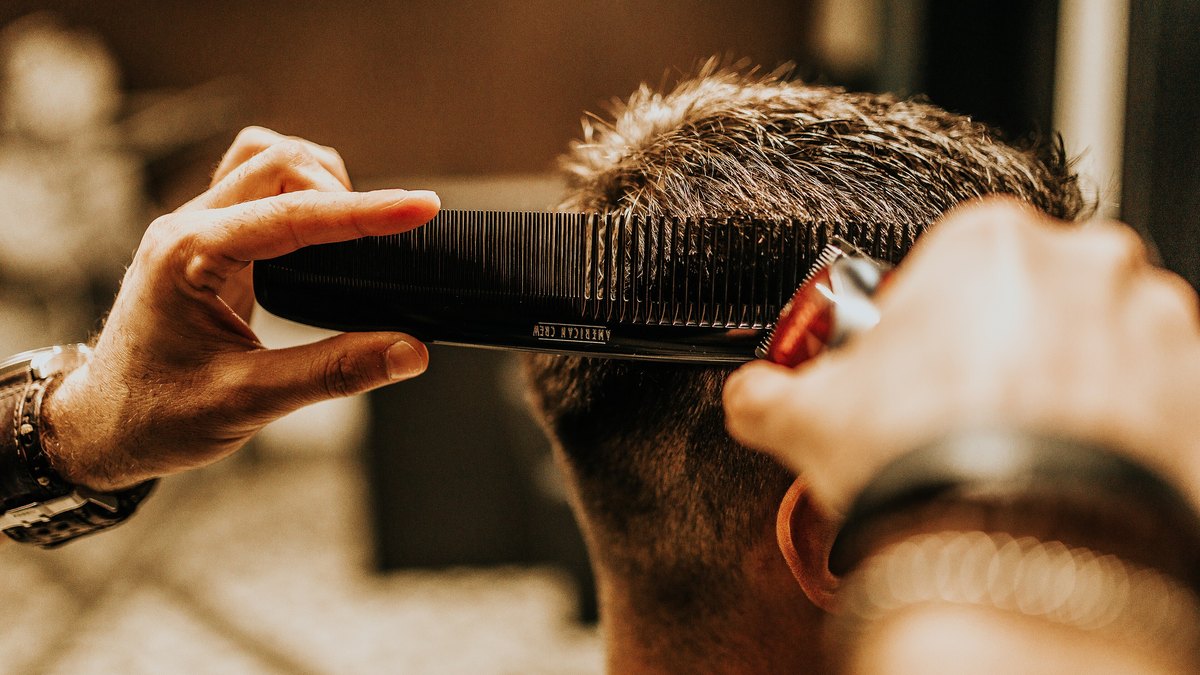
You start a barber shop by licensing the shop itself, making sure everyone who cuts hair there holds their own license, and equipping the space to the state's health and safety rules. Barbering is licensed by each state; this page uses Texas as the worked example.
Texas in short. The Texas Department of Licensing and Regulation (TDLR) licenses both the shop and the barbers. A shop applies for an Establishment License with a non-refundable $78 fee, and the license is valid for two years (TDLR). Each barber needs a Class A Barber license, which takes a 1,000-hour course at a Texas-licensed school and passing written and practical exams (TDLR).
No TDLR page read for this page publishes typical startup costs, rent or income, so none is given. This page is not legal advice; confirm current rules with TDLR.
License the shop
TDLR issues three establishment licenses. You apply online or by mail with a completed application and the non-refundable fee, and you must give details of all business owners and how the business is structured (for example a sole proprietorship or corporation).
- Establishment License$78. The full-service shop license.
- Specialty Establishment License$78.
- Mini-Establishment License$70. Must sit inside a licensed full-service establishment or a specialty establishment with rooms available for barbering or cosmetology services.
Establishment licenses are valid for two years from the date of issue. All requirements must be met within one year of the date the application is received, or the application is void. Mobile shops apply through a separate mobile establishment page.
License the barbers
Everyone who cuts hair in the shop needs their own Texas license. For a Class A Barber license, TDLR requires:
- School. A Class A Barber course of 1,000 hours of instruction at a barbering/cosmetology school licensed in Texas. Students get a student permit while training.
- Written exam. After 900 of the 1,000 hours, the school notifies TDLR you are eligible, and the testing vendor PSI emails scheduling instructions.
- Practical exam. After you finish all hours and pass the written exam.
- Application. Apply after passing both exams. The non-refundable fee is $50, you must be at least 17, and the license is valid for two years.
TDLR runs a criminal history background check on all applicants. Anyone with a conviction other than a minor traffic violation sends a Criminal History Questionnaire, and a review can take from one to six weeks.
Equip the space
TDLR lists what every establishment must have, including:
- Water and restroom. A sink with hot and cold running water where services are performed, and at least one restroom on or near the premises.
- Floors and surfaces. Non-porous or non-absorbent flooring where services are offered, and clean walls, ceilings, furniture and plumbing fixtures in good repair.
- Sanitation. A receptacle for used towels and linen, a wet disinfectant container large enough to fully immerse tools, a clean dry storage area, at least one covered trash container, and adequate ventilation.
- Per barber. A full-service shop provides a working station and a styling or barber chair for each license holder present, plus shampoo bowls in a sufficient quantity.
You must also post a sign with the establishment name, a notice that the latest TDLR inspection report is available on request, and a human trafficking information sign. Each shop keeps a copy of the current Barbering and Cosmetology Laws and Rules Book, which costs $14.
Renting chairs to other barbers
TDLR calls a shop that rents space to mini-establishments a gallery establishment. A shop may lease space to any mini-establishment licensee or individual practitioner who holds a valid Texas barbering or cosmetology license.
If you lease space, you include a completed Independent Contractor List with your application, and you are responsible for maintaining all common areas.
Staying in good standing
Shop owners are responsible for understanding and following the law and administrative rules, including the responsibilities of establishments and the health and safety standards. TDLR publishes an inspections guide listing what its inspectors look for when they inspect an establishment (TDLR).
Questions people ask
What license do I need to open a barber shop in Texas?
An Establishment License from TDLR. The non-refundable fee is $78 and the license is valid for two years (TDLR).
Do I need to be a barber to own a barber shop in Texas?
The establishment pages read for this page do not say the owner must be licensed, but every person cutting hair needs a valid Texas barbering or cosmetology license (TDLR).
How many hours of school does a Texas barber need?
A Class A Barber course of 1,000 hours at a barbering/cosmetology school licensed in Texas, then written and practical exams (TDLR).
Can I rent chairs to other barbers in Texas?
Yes. A licensed establishment may lease space to mini-establishment licensees or licensed individual practitioners, and must file an Independent Contractor List (TDLR).
Can I run a barber shop from my house in Texas?
The shop cannot be used for living or sleeping, and a shop attached to a residence needs its own separate entrance (TDLR).
Sources
- TDLR: Apply for a New Establishment License · Establishment license types, fees, leasing, prohibited uses
- TDLR: Apply for a Class A Barber License · Training hours, exams, fee, age, background check
- TDLR: Required Equipment for Establishments · Facility, equipment and signage requirements
Facts were read from the linked pages on November 19, 2026. Licensing rules and fees change; confirm with TDLR before you start. This is not legal advice.
Top photo: Nenad Stojkovic / CC BY 2.0 via Wikimedia Commons