How Do You Start a Boutique Fitness Studio in 2027?
You start a boutique fitness studio by choosing a model (independent studio, CrossFit affiliate or franchise), certifying or hiring qualified instructors, leasing and equipping a space, registering the business and getting insurance, pricing memberships, and signing your first members before the doors open. The model decides your cost: a CrossFit affiliate pays CrossFit a published $1,000 application fee and an annual fee of $2,500-4,500, while the franchise disclosure documents summarized below put a single Orangetheory or Club Pilates studio at several hundred thousand dollars or more.
No neutral source cited here publishes what an independent studio costs to build, a typical rent, a typical membership price or a typical profit margin, so none is given. Where a price appears, it is a published figure with its source and date, and franchise figures come from summaries of each brand's Franchise Disclosure Document (FDD), not from the brands' own consumer pages.
This page is not legal or financial advice. Read any franchise FDD yourself, and check licensing and insurance rules with your state, county and an insurance agent.
Pick a model: independent, affiliate or franchise
Boutique studios are small, specialized and class-based. The three ways in differ mainly in who owns the brand, how much you pay up front and how much freedom you keep.
- Independent studio. You create the name, schedule, pricing and program. Nobody charges you a royalty, but you also get no playbook, no brand awareness and no franchisor training. Pilates, yoga, barre and strength studios often start this way.
- CrossFit affiliate. You license the CrossFit name and pay CrossFit an annual affiliate fee, but you own the gym, set your own prices and run your own business. Your gym name must include "CrossFit."
- Franchise (Orangetheory, Club Pilates, F45 and similar). You buy the right to operate a proven format, with the brand, equipment standards and systems supplied. You pay an initial franchise fee plus ongoing royalties and a marketing fund.
The SBA says market research helps you find customers and that a competitive analysis should identify competitors by product line or service and market segment. For a studio, that means asking which formats already exist within a short drive and where a gap remains before you pick a model.
What each model costs, from published sources
CrossFit affiliate. CrossFit's Open a CrossFit Gym page lists a one-time $1,000 application fee and says the annual affiliate fee is $2,500-4,500 depending on your location. It says you do not need a facility to apply, but you do need a business plan and proposed location details, and that one team member must hold a CrossFit Level 1 certificate. The page says the process usually takes 2-4 weeks. Those fees are CrossFit's alone; rent, build-out, equipment and insurance are on top.
Franchises. The brands' own consumer and franchise-inquiry pages we read did not publish investment figures: Club Pilates shows only an inquiry form, and Orangetheory publishes member pricing only. The figures below come from Franchise Payback, which summarizes each brand's FDD. Treat them as a starting point and confirm them in the current FDD you are handed.
- Orangetheory (2026 FDD summary)Initial franchise fee $59,950; initial investment $765,000 - $1,105,000; royalty 8.00%; advertising fund 5.00%
- Club Pilates (2026 FDD summary)Initial franchise fee $65,000; initial investment $413,000 - $1,030,000; royalty 8.00%; advertising fund 2.00%
- F45 Training (2025 FDD summary)Initial franchise fee $60,000; initial investment $349,000 - $786,000; royalty 7.00%; advertising fund 2.00%
- Independent studioNo published neutral figure for startup cost. Build your own budget from quotes.
The FDD summaries for Club Pilates and F45 are on the same site. The wide ranges reflect location, size and build-out, which is why the numbers are ranges and not a single price. Those ranges are the franchisor's estimate of the total to open, not a guarantee of what you will spend, and they do not tell you what a studio will earn.
Space, lease and build-out
No neutral source cited here publishes a typical square footage, rent or build-out cost per studio type, so none is given. What the SBA does say is how to budget: add up one-time expenses (equipment, permits, licenses) and monthly expenses (salaries, rent, utilities), and plan for at least one year of monthly expenses, with five years ideal.
- Get quotes, not averages. Ask two or three landlords and contractors for written numbers on the exact space you are considering, including any build-out for flooring, mirrors, lighting, restrooms and ventilation.
- Ask your city or county first. A fitness space may need a certificate of occupancy or a change-of-use approval. The rules are local, so call the building and zoning office before you sign a lease.
- Read the lease like a financial document. Fixed costs such as rent are due every month whether or not you have members, so test the lease against your realistic membership ramp.
Franchisors usually specify layout, finishes and equipment, and the Item 7 table in the FDD is where they estimate those costs. Item 7 is covered in the due-diligence section below.
Equipment: real prices, with dates
Equipment depends on the format. The prices below were read on October 19, 2026 from single dealer or maker listings and are examples, not a budget. Quantity, shipping, installation and flooring are extra.
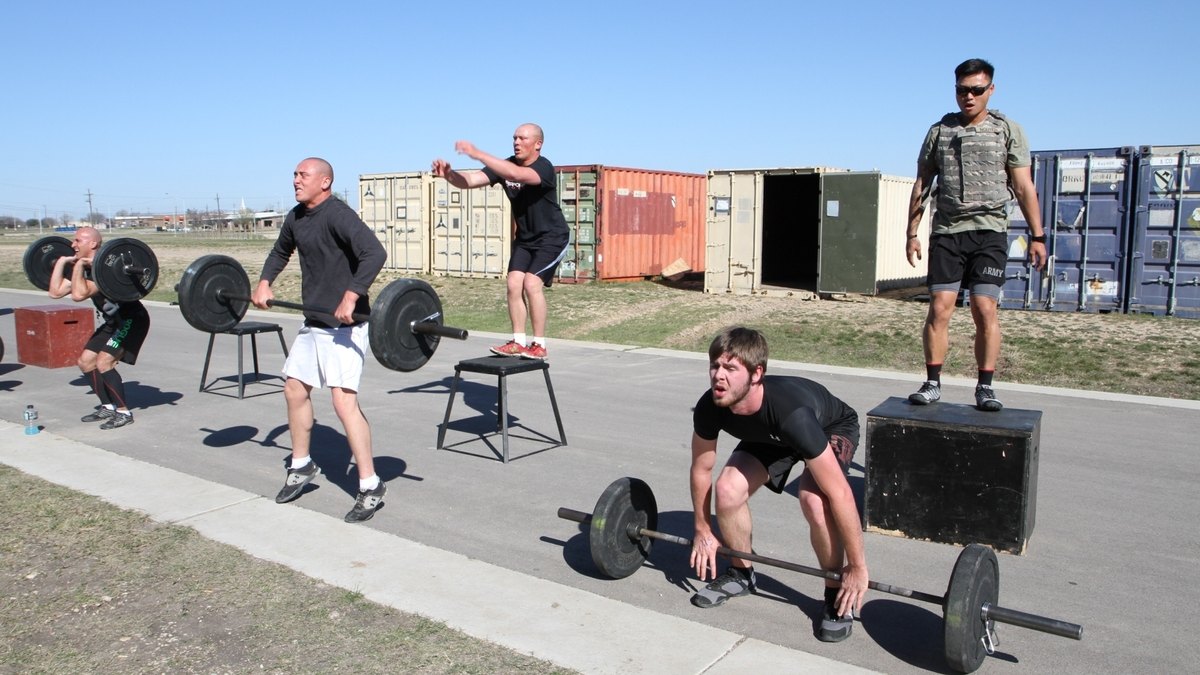
- Barbell for a strength or CrossFit-style box: Rogue Fitness lists The Ohio Bar - Black Oxide at $305.00.
- Rower for conditioning classes: Concept2 lists the RowErg at $990.00 USD with standard legs.
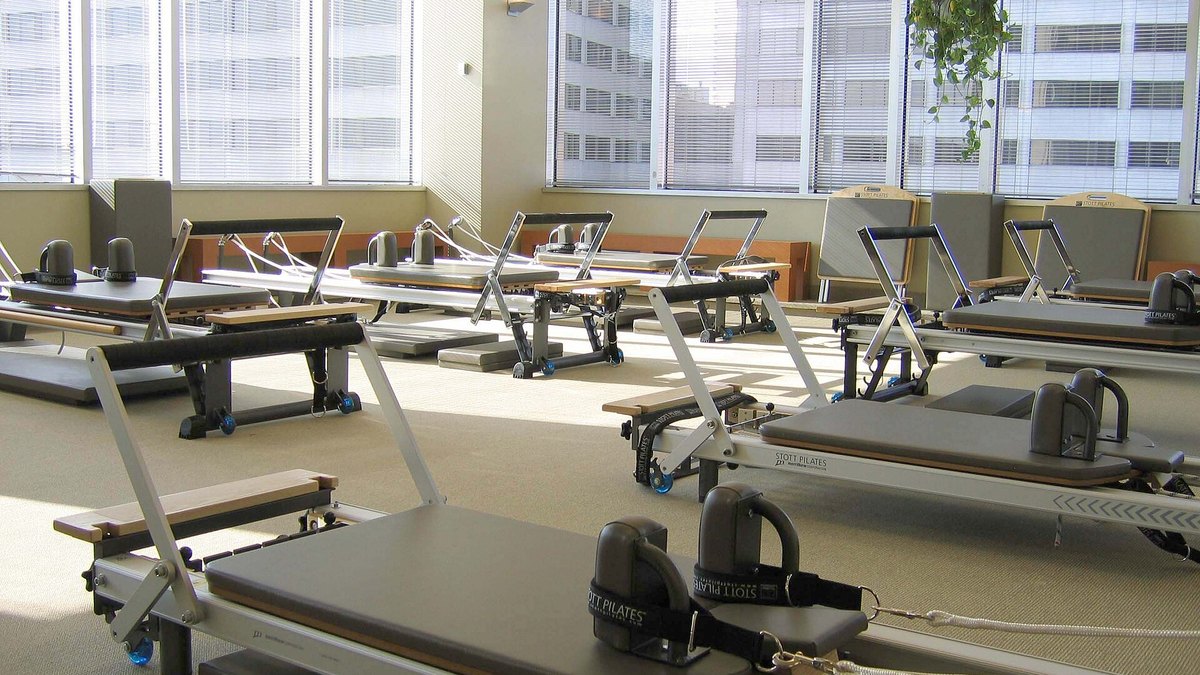
- Pilates reformer: Recovery for Athletes lists the Merrithew V2 Max Reformer at $4,999.00, one dealer's price for a single machine. Balanced Body lists no price on its Allegro 2 Reformer page and says to contact a local representative.
A reformer studio needs a reformer for every client in a class, so a class of that size multiplies the unit price. Ask each maker for a studio package quote, and ask whether warranty and service are included. A reformer studio, a CrossFit box and a cardio-interval studio buy very different equipment, so build your list from your class plan.
Instructor certification and the CrossFit Level 1 course
CrossFit. CrossFit requires one team member to hold a Level 1 certificate. CrossFit's Level 1 page lists a USD price of $1,150, says final pricing is confirmed at checkout and varies with local taxes and currency, and warns that pricing can increase by up to 20% in the 14 days before a course begins. The course runs two days, about 9 a.m. to 5 p.m. each day. A separate CrossFit training page listed a different USD price of $1,000, so confirm the price when you register.
Pilates. Pilates is taught through several training schools. BASI Pilates says tuition varies by location and licensee, and lists an in-studio Comprehensive Program of 12 days, sometimes split into Foundation (6 days) and Graduate (6 days). STOTT PILATES, the other program people ask about, published no tuition on the pages cited here. No price is given for either; ask the training center near you.
Franchises run their own instructor training and hiring standards. Ask what the franchisor requires of your head instructors and whether you pay for it, because the FDD should say.
Business registration, licenses and insurance
Start with the SBA's guidance on choosing a business structure. It lists sole proprietorship, partnership, LLC, corporation and cooperative, notes that a sole proprietorship does not produce a separate business entity, and says LLC owners are generally not personally liable for business debts. It says a DBA (trade name) gives no legal protection by itself but can be required and can help you open a business bank account. An Employer Identification Number (EIN) is free to apply for and is needed for federal taxes, hiring employees and opening a bank account.
The SBA says most small businesses need a combination of licenses and permits from federal and state agencies, that you might need to file with the county or city, that local governments determine registration, licensing and permitting requirements, and that some licenses and permits expire after a set period. Call your city and county to ask exactly what a fitness studio needs where you plan to open.
On insurance, the SBA lists general liability (bodily injury, property damage, medical expenses and lawsuit defense), professional liability (malpractice, errors and negligence), commercial property and a business owner's policy that bundles typical coverage. It says the federal government requires every business with employees to have workers' compensation, unemployment insurance and disability insurance, and that some states require more. A studio where members exercise and instructors coach should ask an insurance agent how bodily-injury and professional liability are covered. Insurance premiums are not published by any source cited here, so get quotes.
Pricing and membership models
No neutral source cited here publishes typical studio membership prices, so use your market research. One data point: Orangetheory's consumer page listed a recommended retail price of $35 for a casual visit in October 2026. That is one brand's drop-in price, not an industry average.
- Recurring membership. A monthly fee for a set number of classes or unlimited classes. Recurring revenue is easier to plan around than drop-ins.
- Class packs and drop-ins. Useful for first-timers and visitors, and a common way to let people try the studio.
- Intro offers. A trial week or first class at a discount to convert local prospects into members.
- Add-ons. Private sessions, small-group training or workshops can use the same space and instructors.
Price from your own costs. Add up fixed costs such as rent, salaries, insurance and equipment financing, then work out how many members at what price cover them. The SBA frames this as one-time versus monthly expenses.
Getting your first members
Build a waiting list before opening. The SBA's market research guidance applies directly: be specific about your target market and study how nearby competitors serve it.
- Pre-sale. Offer founding memberships before opening day so the lease starts with some revenue already committed.
- Free community classes. Run outdoor or pop-up classes to let neighbors meet your instructors.
- Local partnerships. Work with nearby employers, physical therapists, schools and clubs.
- Referrals. Ask early members to bring a friend, and make the first class easy to book online.
- Ask the franchisor. A franchise should explain its pre-opening marketing plan in the FDD and agreement; ask to see it in writing.
If you are buying a franchise: FTC rules and due diligence
The FTC's Franchise Rule requires franchisors to give potential franchisees a disclosure document containing 23 specific items of information about the franchise, its officers and other franchisees. The FTC's compliance guide says the document must be furnished at least 14 calendar days before you sign a binding agreement or make any payment to the franchisor or an affiliate.
- Item 7 (initial investment). The franchisor's estimate of what it takes to open, which is where the ranges above come from.
- Item 19 (financial performance representations). The guide says franchisors may choose whether to make financial claims about studio revenue; if they do, the Rule requires disclosures and substantiation. One FDD summary cited here says Orangetheory does not disclose average unit volume in its FDD. If revenue is not disclosed, you cannot assume a profit.
- Item 20 (outlets and franchisee information). Lists openings, closings and transfers so you can see how the system is doing. Call current and former owners and ask what they would do differently.
Have a franchise attorney and an accountant read the document and the agreement before you pay anything. This page is not legal or financial advice.
Questions people ask
How much does it cost to open a CrossFit affiliate?
CrossFit publishes a $1,000 application fee and an annual affiliate fee of $2,500-4,500 depending on location, plus a Level 1 certificate for one team member at a listed USD price of $1,150. Rent, build-out, equipment and insurance are additional and are not published as a standard figure.
How much does an Orangetheory or Club Pilates franchise cost?
A summary of the 2026 FDD puts Orangetheory at a $59,950 franchise fee and $765,000 - $1,105,000 total initial investment, and Club Pilates at a $65,000 fee and $413,000 - $1,030,000. These are third-party summaries; confirm in the current FDD.
Is an independent studio cheaper than a franchise?
No neutral source cited here publishes an independent studio's startup cost, so the page does not claim one. Get written quotes for your space and equipment and compare them with the FDD Item 7 range.
Do I need a certification to teach Pilates or CrossFit?
CrossFit requires one team member to hold a Level 1 certificate before you open an affiliate. Pilates training is offered by several schools such as BASI and STOTT PILATES, whose tuition varies by location or was not published on the pages cited here.
What insurance does a fitness studio need?
The SBA lists general liability, professional liability, commercial property and a business owner's policy, and says every business with employees needs workers' compensation, unemployment and disability insurance. Ask an insurance agent how your classes are covered.
Sources
- CrossFit: Open a CrossFit Gym · Affiliate application and annual fees, requirements
- CrossFit: Level 1 Certificate Course · Course price and format, read October 19, 2026
- Franchise Payback: Orangetheory Fitness FDD summary · 2026 FDD fee, investment and royalty figures
- Franchise Payback: Club Pilates FDD summary · 2026 FDD fee, investment and royalty figures
- Franchise Payback: F45 Training FDD summary · 2025 FDD fee, investment and royalty figures
- Club Pilates: Franchise · Brand franchise page (no costs published)
- Orangetheory Fitness · Consumer page; casual-visit price
- FTC: Franchise Rule · Disclosure document and its 23 items
- FTC: Franchise Rule Compliance Guide (PDF) · 14-calendar-day rule, Items 19 and 20
- SBA: Choose a business structure · Entity types, DBA, EIN
- SBA: Apply for licenses and permits · Federal, state and local licensing
- SBA: Get business insurance · Types of business insurance
- SBA: Calculate your startup costs · One-time and monthly expenses
- SBA: Market research and competitive analysis · Finding customers and studying competitors
- Rogue Fitness: The Ohio Bar - Black Oxide · Dealer price read October 19, 2026
- Concept2: RowErg · Maker price read October 19, 2026
- Recovery for Athletes: Merrithew V2 Max Reformer · Dealer price read October 19, 2026
- Balanced Body: Allegro 2 Reformer · No price listed; contact a representative
- BASI Pilates: Comprehensive Program · In-studio format; tuition varies by licensee
Figures and rules were read from the linked pages on October 19, 2026. Prices are single listings and change; franchise figures are third-party summaries of FDDs from the years stated and must be confirmed in the current FDD. Licensing, zoning and insurance rules differ by state and county. This is not legal or financial advice.
Top photo: Ajrehman / CC BY 3.0 via Wikimedia Commons