How Do You Start a Catering Business in 2027?
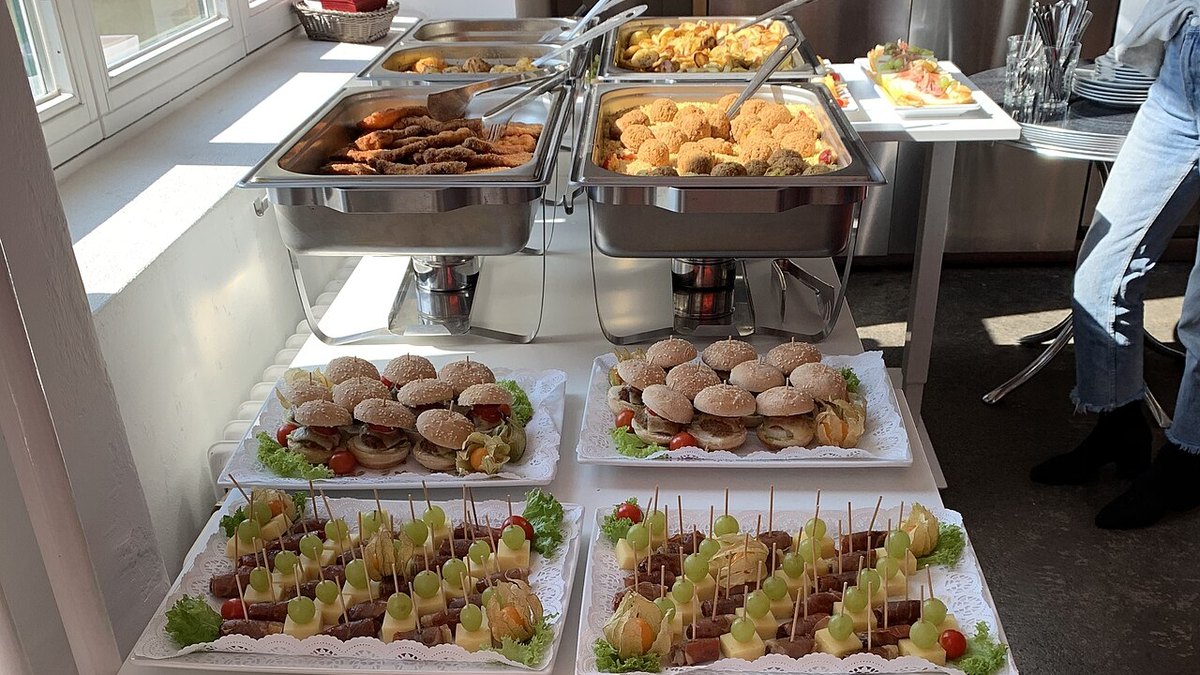
You start a catering business by picking a service model, getting your food made in a kitchen your health department approves, holding the permits, food-safety certification, insurance and sales-tax registration your state and county require, pricing every menu from your real costs, and then winning a few first clients you can serve well. The kitchen and the permit decide whether you can legally sell the first plate, so settle those before you buy equipment or print a menu.
The rules are local. The FDA publishes a model Food Code, but states and counties write and enforce their own rules, and the SBA says local governments determine registration, licensing and permitting requirements. Cottage food laws, which let some people sell certain foods from a home kitchen, are narrow, and at least one county health department says a caterer cannot cook in a home kitchen at all.
No source cited here publishes a standard startup budget or typical catering profit margin, so none is given. Where a price appears, it is one dealer's listed price on one date. This page is not legal or financial advice; check your state and county rules.
Pick a catering model
Most new caterers start with one model and add others later. The differences are mostly about how much service you provide at the event, which changes your staffing, equipment and, in some states, how the sale is taxed.
- Drop-off catering. You prepare food, deliver it in trays and leave it. Equipment needs are modest, and it suits office lunches and family gatherings.
- Full-service catering. Your staff set up, serve and clean up, often for weddings and formal dinners. This is the most labor and the most variables.
- Event and buffet catering. You bring heated and chilled serving gear to a venue and run a buffet or stations. Chafing dishes and holding equipment matter here.
- Corporate catering. Recurring orders for meetings and offices. Customers often want invoices and a steady schedule rather than a one-off event.
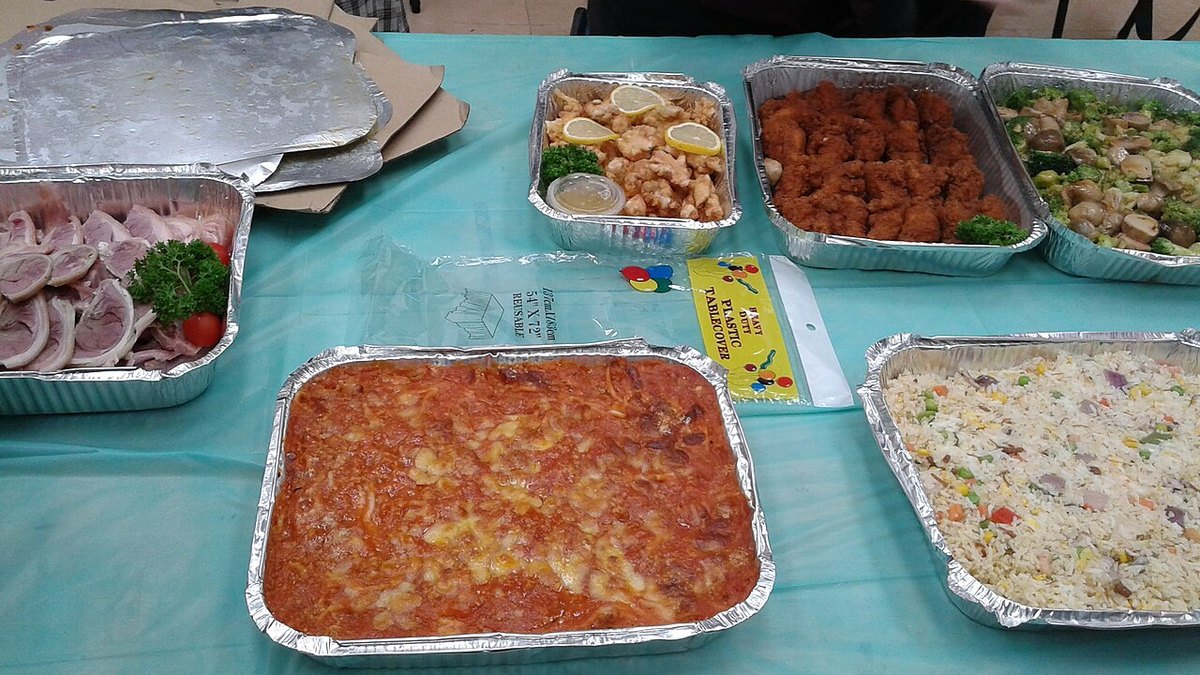
Choose by the customers you can reach and the kitchen you can use. The SBA says market research helps you find customers, and that a competitive analysis should identify competitors by product line or service and market segment. In catering terms, that means asking which models the caterers near you already offer and where customers are underserved.
Licensing and health rules
Start with the model, then follow the rules down. The FDA Food Code is described by FDA as a model that assists food control jurisdictions at all levels of government. Regulators use it as a model to develop or update their own food safety rules, and FDA says the 2026 Food Code is the most recent full edition. FDA's 2024 adoption report says 46 state agencies in 36 states had adopted one of the three most recent versions, and 11 state agencies in 7 states had adopted the 2022 version. In other words, your state may be using an older edition, and your county may add its own rules.
The SBA says most small businesses need a combination of licenses and permits from federal and state agencies, that local governments determine registration, licensing and permitting requirements, and that some licenses and permits expire after a set period of time. Its page does not mention food permits directly, so call your county or city health department and ask exactly which permit a caterer needs.
- Health department permit. Ask whether you need a catering or mobile food permit, what plans or forms they want first, and what inspections apply. Indiana's Food Code, for example, requires plans for new construction to be submitted to the local health department.
- Business registration and local licenses. The SBA notes you might need to file for licenses and permits from the county or city. Track renewal dates.
- Federal and state registrations. Sales-tax registration is covered in its own section below.
Kitchens, commissaries and cottage food limits
Where the food is made is the question that most often stops new caterers. The Harrison County Health Department in Indiana says Indiana law (410 IAC 7-24) requires a caterer to operate in conjunction with a commissary, which it defines as a registered, inspected, approved retail food establishment from which meals are catered. It says a commissary may not be your home kitchen, that you cannot cook food for your catering business in your home, yard or garage, and that if you do not have your own commissary you need a signed commissary agreement on file with the health department.
That is one county's rule under one state's law, not a national rule, but it shows what to expect: an inspected kitchen, shared or your own, and paperwork naming it. Ask your health department which facilities it already approves before you sign a lease or a rental agreement.
Cottage food laws do not change that picture for most caterers. The University of Florida's IFAS Extension guide describes cottage food as specific types of products made in a primary home kitchen, caps gross sales at $250,000 a year in that state, and says cottage food products may not be sold or delivered for consignment or wholesale. Other states set different product lists and caps, and Indiana's rule cited above says food prepared in a private home may not be used or offered for human consumption in a retail food establishment. Read your own state's cottage food statute to see what it covers, and do not assume it covers serving a full catered meal at an event.
Food handler and manager certification
Many jurisdictions require food workers, and at least one person in charge, to hold a recognized certificate. ServSafe, the National Restaurant Association's program, says it stays on top of the changing regulatory requirements of every state. Its Manager page says students can earn the ServSafe Food Protection Manager Certification, accredited by ANSI, and that the certification must be provided under the supervision of a registered ServSafe proctor.
ServSafe's own pages cited here do not list prices, course lengths or how long each certificate lasts, so none are given. Ask your health department which certificates it accepts, and get the current price and validity from the training provider you choose.
Insurance
The SBA's insurance guide says the federal government requires every business with employees to carry workers' compensation, unemployment and disability insurance, and that some states require more. It also lists the common coverages a caterer should price:
- General liability. Covers bodily injury, property damage, medical expenses and lawsuit defense.
- Product liability. For businesses that make or sell products. For a caterer, this is the coverage to ask about if someone says your food made them sick.
- Commercial property. Covers loss or damage to equipment from events such as fire, storms and vandalism.
- Business owner's policy. A bundle of typical coverages that the SBA says is often suited to small businesses.
No source cited here publishes typical catering premiums, so no figure is given. Get quotes from more than one agent, and ask whether your policy covers off-site events and food you transport. Venues and clients often ask for a certificate of insurance before they hire you.
What equipment costs, and whose figure it is
Equipment is the part you can price, but only from real listings. On October 19, 2026, restaurant-supply dealer WebstaurantStore listed these chafing dishes:
- Choice Classic 8 Qt. Full Size Chafer$66.49 each for one or two; $62.99 each for orders of 3 or more; 26 in. long, 13 1/2 in. wide, 17 in. high
- Acopa Supreme 8 Qt. Full Size Chrome Accent Roll Top Chafer$96.49 each
These are one dealer's listed prices on one day, not a startup budget, and they exclude fuel, pans, serving utensils, transport and everything else. Price the rest of your own list against dealers you trust, and decide what to rent: renting for an occasional event can beat buying gear you use twice a year. If your commissary supplies the cooking equipment, your own purchases may be mostly serving and transport gear.
Pricing your menu
No source cited here publishes standard per-person catering prices or a standard markup, so none are given; they vary by market, menu and service level. A method works better than a borrowed number:
- Cost every dish. Add ingredients, packaging and the waste you expect, then divide by servings.
- Add labor honestly. Count prep, cooking, loading, driving, setup, service and cleanup, including your own time.
- Add event costs. Delivery, rented gear, disposables, staff, fuel, permits and insurance.
- Add sales tax correctly. See the next section; some states tax the whole invoice.
- Check the competition. Compare your quote with nearby caterers offering the same service, as the SBA's competitive-analysis advice suggests, then decide where you sit and why.
- Quote in writing. State headcount, menu, service hours, deposit, cancellation terms and what happens if the guest count changes.
Sales tax on catering
Caterers sit in a special spot in sales-tax law, and states differ, so read your own revenue department's guidance. Two examples show the range.
In Washington, the Department of Revenue says caterers must collect retail sales tax on their total charge to customers for catering services. Sales to people other than consumers are wholesale sales to which retail sales tax does not apply, and caterers must pay retail sales or use tax on items they buy or rent for their own use in the business.
In Indiana, the Department of Revenue's Sales Tax Information Bulletin #11, published January 2026, says the sale of food or meals by caterers is subject to sales tax. Separately stated charges for serving or delivering food are not taxed when the food is served at a location or on equipment provided by the caterer, but the bulletin's example shows that a separate delivery and serving charge for food taken to a location beyond the caterer's locations is subject to sales tax. It also says caterers may accept exemption certificates in limited cases, such as purchases by nonprofits for fundraising or by government entities for their official function.
Takeaways: register for sales tax before your first invoice, show charges the way your state's rules require, keep exemption certificates when you do not charge tax, and ask the revenue department about gratuities, service charges and rentals if your state's page does not say.
How to land your first clients
No source cited here publishes a catering marketing playbook, so this is practical advice built on the SBA's market-research approach: name a specific target market and learn what its customers already buy.
- Pick one customer group first. Offices that order lunch, a church or school group, small weddings or a neighborhood. The SBA advises being specific when you name your target market.
- Hold a tasting. Invite a few decision makers, such as an office manager or an event planner, and ask for honest feedback and a referral.
- Offer a tight menu and a written quote. A short menu you can make well, priced from your real costs, beats a long menu you cannot deliver.
- Work with venues and planners. Ask venues whether they keep a list of preferred caterers and what it takes to be on it.
- Collect proof. Photos of your own work, written reviews from real customers who agree to be named, and your insurance certificate.
- Serve the first jobs flawlessly. A repeat order and a referral are worth more than any ad at this stage.
Scams and risks to avoid
The biggest risks are operational, not exotic: cooking in an unapproved kitchen, skipping tax registration, going without insurance, and underpricing labor. The second group is paid programs that promise a ready-made catering business.
The FTC says sellers of business opportunities must give you the disclosure document at least seven days before you sign a contract or pay anything, that you should get written proof of any earnings claim, and that if a seller does not give you the information they must provide, you should walk away. It also warns that no complaints does not necessarily mean a company is legitimate, and that scammers may post phony testimonials. Verify any program, franchise or consultant independently, and never pay for a promised income.
Questions people ask
Can I start a catering business from my home kitchen?
Often not. Cottage food laws cover limited kinds of products, and one Indiana county health department says a caterer may not cook food for catering in a home kitchen and must use an approved commissary. Ask your county health department before you cook for paying customers.
Do I need a commissary?
In some places, yes. Harrison County, Indiana says a caterer must operate in conjunction with a commissary and keep a signed commissary agreement on file with the health department if it has no commissary of its own. Other counties differ, so ask yours.
What permits does a caterer need?
It depends on your state and county. The SBA says local governments determine registration, licensing and permitting requirements, so contact your health department, your city or county, and your state revenue department.
Do I charge sales tax on catering?
Often yes. Washington's Department of Revenue says caterers must collect retail sales tax on their total charge, and Indiana's says the sale of food or meals by caterers is subject to sales tax, with limited exceptions. Check your own state.
Do I need ServSafe?
Many jurisdictions require a food handler or manager certificate, and ServSafe is one provider. ServSafe's pages cited here do not list prices, so ask your health department which certificates it accepts and check the provider for current fees.
Sources
- FDA: FDA Food Code · The model code states and localities use; 2026 edition
- FDA: Adoption of the Food Code by state agencies · 2024 adoption figures
- SBA: Apply for licenses and permits · Federal, state and local licensing
- SBA: Get business insurance · Types of business insurance
- SBA: Market research and competitive analysis · Finding customers and studying competitors
- Harrison County Health Department (IN): Commissary requirements · Caterers and commissary rules
- UF/IFAS Extension: Cottage Food in Florida · Cottage food scope, sales cap and sales limits
- ServSafe: Food Handler · Food handler training and state requirements
- ServSafe: Manager · Food Protection Manager Certification and proctoring
- Washington Department of Revenue: Caterers and catering · Sales tax on catering
- Indiana Department of Revenue: Sales Tax Information Bulletin #11 · Sales tax on restaurants and caterers
- WebstaurantStore: Chafing dishes · Dealer prices read October 19, 2026
- FTC: Bogus Business Opportunities · Disclosure timing, earnings claims, red flags
Figures and rules were read from the linked pages on October 19, 2026. Prices are single dealer listings and change; tax, kitchen and permit rules differ by state and county. This is not legal or financial advice; check your state and county rules.
Top photo: AnHin / CC BY-SA 4.0 via Wikimedia Commons