How Do You Start a Cottage Food Business in 2027?
You start a cottage food business by checking your state's cottage food law, making only the foods it allows in your home kitchen, labeling them the way it requires and staying under its sales cap. Cottage food rules are set by states, so the details change when you cross a state line.
Two examples read for this page. In Texas, a cottage food production operation can now earn up to $150,000 a year, must complete a food handler training program, and must label every product with a disclosure that it was made in a private residence; local health departments may not require a permit or fee (Texas DSHS). In California, you register or get a permit from your local Environmental Health Department, and the 2026 sales limits are $88,878 for a Class A operation and $177,756 for Class B (CDPH).
No source read for this page publishes typical startup costs or income, so none is given. This page is not legal advice; confirm current rules with your state or local health department.
What a cottage food business is
California's health department describes a cottage food operation as one that can prepare and package certain non-potentially hazardous foods in a private home kitchen, from an approved foods list (CDPH). Texas uses the term cottage food production operation and, after Senate Bill 541, allows a much wider range of foods (Texas DSHS).
Because the rules are state law, there is no single national cottage food license. The SBA says zoning ordinances can still apply to home-based businesses and that zoning is typically controlled at the local level, so check your city as well.
Texas: the rules after SB 541
- Sales capThe annual gross income threshold is $150,000, and the definition now includes nonprofit organizations.
- Foods not allowedMeat and poultry products; seafood and fish; ice products such as ice cream and gelato; low-acid canned goods; products containing cannabidiol or tetrahydrocannabinol; raw milk and raw milk products.
- TrainingThe operator must complete a basic food safety education or training program for food handlers accredited under Health and Safety Code Chapter 438(D).
- RegistrationRequired for operations that sell time and temperature control for safety (TCS) foods, for cottage food vendors, and for operators who want a DSHS number on the label instead of a home address.
- Local permitsLocal public health entities may not require a cottage operation to obtain any type of license or permit or pay any fee to produce or sell directly to a consumer.
Source: Texas DSHS, which says public health entities had to comply with the new law beginning September 1, 2025. TCS foods must be kept at 41ºF or below for cold items and 135ºF or above for hot items, and cannot be donated or sold at wholesale.
Selling online is allowed in Texas when the consumer buys from the operator online, the operator, an employee or a household member personally delivers the food, and the required label information is posted on the operation's website before payment.
Texas labels
Texas DSHS says cottage foods must be packaged and labeled, and the label must include:
- Who made it. The name of the operation and its address, or the unique identification number from DSHS registration.
- What it is. The common or usual name of the product.
- Allergens. Any major food allergen used, such as eggs, tree nuts, soy, peanuts, milk, wheat or sesame.
- The disclosure. "THIS PRODUCT WAS PRODUCED IN A PRIVATE RESIDENCE THAT IS NOT SUBJECT TO GOVERNMENTAL LICENSING OR INSPECTION."
- TCS foods. The date the food was made, plus safe handling instructions in at least 12-point font.
California: Class A and Class B
The California Department of Public Health does not permit or register cottage food operations; it maintains the approved foods list, and you register or obtain a permit from your local Environmental Health Department.
- Class ASells home-kitchen prepared foods directly to the public, including sales by phone, internet or other digital method, fulfilled in person, by mail or by third-party delivery.
- Class BSells directly to the public or indirectly through restaurants and food markets.
- 2026 sales limitsClass A $88,878 and Class B $177,756, adjusted each year from the $75,000 and $150,000 base amounts using the California Consumer Price Index.
- StaffNo more than one full-time equivalent cottage food employee, not counting family or household members.
- TrainingComplete a Cottage Food Operator Training within three months of registration or permitting.
Sources: CDPH cottage food page and the CDPH 2026 adjusted sales limit table. The main CDPH page still states the $75,000 and $150,000 base figures; the 2026 table shows the inflation-adjusted amounts.
Business setup and startup cost
Register the business itself where you live. The SBA says the licenses and permits you need from the state, county or city depend on your business activities and location.
A realistic startup order
- First. Read your state's cottage food law and its list of allowed foods.
- Second. Complete the required food safety or cottage food training.
- Third. Register or get a permit where your state requires it, and check local zoning.
- Fourth. Design labels that carry every required item, including allergens and any disclosure.
- Fifth. Track sales against your state cap, and plan how you will sell: in person, online or through vendors where allowed.
This order follows the requirements in the sources above; it is a checklist, not a guarantee of sales or income.
Questions people ask
Do I need a license to sell baked goods from home?
It depends on the state. Texas says local health departments may not require a cottage operation to get a permit or pay a fee to sell directly to consumers (Texas DSHS), while California requires registration or a permit from your local Environmental Health Department (CDPH).
How much can a cottage food business make in Texas?
Up to $150,000 in annual gross income under SB 541 (Texas DSHS).
What are the California cottage food sales limits for 2026?
$88,878 for Class A and $177,756 for Class B (CDPH).
Can I sell cottage food online?
In Texas, yes, if the operator, an employee or a household member personally delivers it and the label information is posted online before payment (Texas DSHS). In California, Class A direct sales can be made by phone or internet and fulfilled by mail or delivery (CDPH).
What foods are not allowed under the Texas cottage food law?
Meat, poultry, seafood, ice products, low-acid canned goods, products with cannabidiol or tetrahydrocannabinol, and raw milk products (Texas DSHS).
Do I need food safety training?
In both states read here, yes: an accredited food handler program in Texas (Texas DSHS) and a Cottage Food Operator Training within three months in California (CDPH).
Sources
- Texas Department of State Health Services: Texas Cottage Food Production · SB 541 changes, allowed foods, training, labels, online sales
- California Department of Public Health: Cottage Food Operations · Class A and B, local registration, training
- CDPH: Cottage Food Operation Adjusted Gross Annual Sales Limit (PDF) · 2026 sales limits, employee limit
- SBA: Apply for licenses and permits · State and local licensing; zoning
Facts were read from the linked pages on November 17, 2026. Cottage food laws, limits and fees change; confirm with your state or local health department before you sell. This is not legal advice.
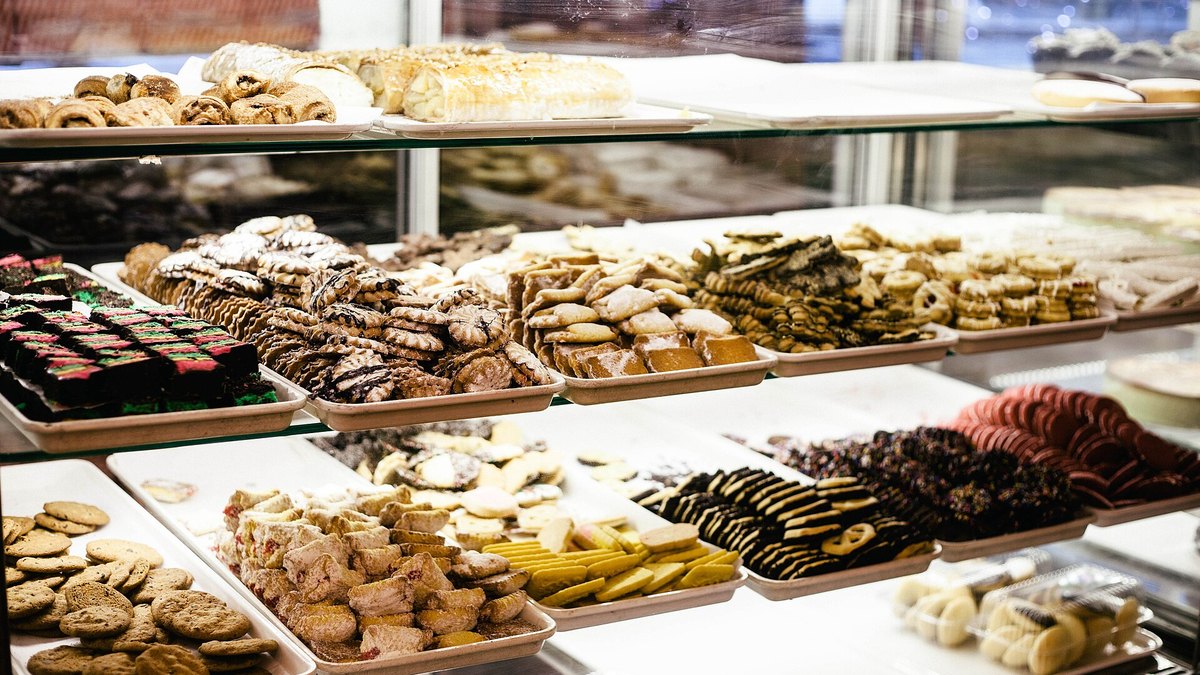
Top photo: Greta Punch gretap / CC0 via Wikimedia Commons