How Do You Start a Drone Photography Business in 2027?
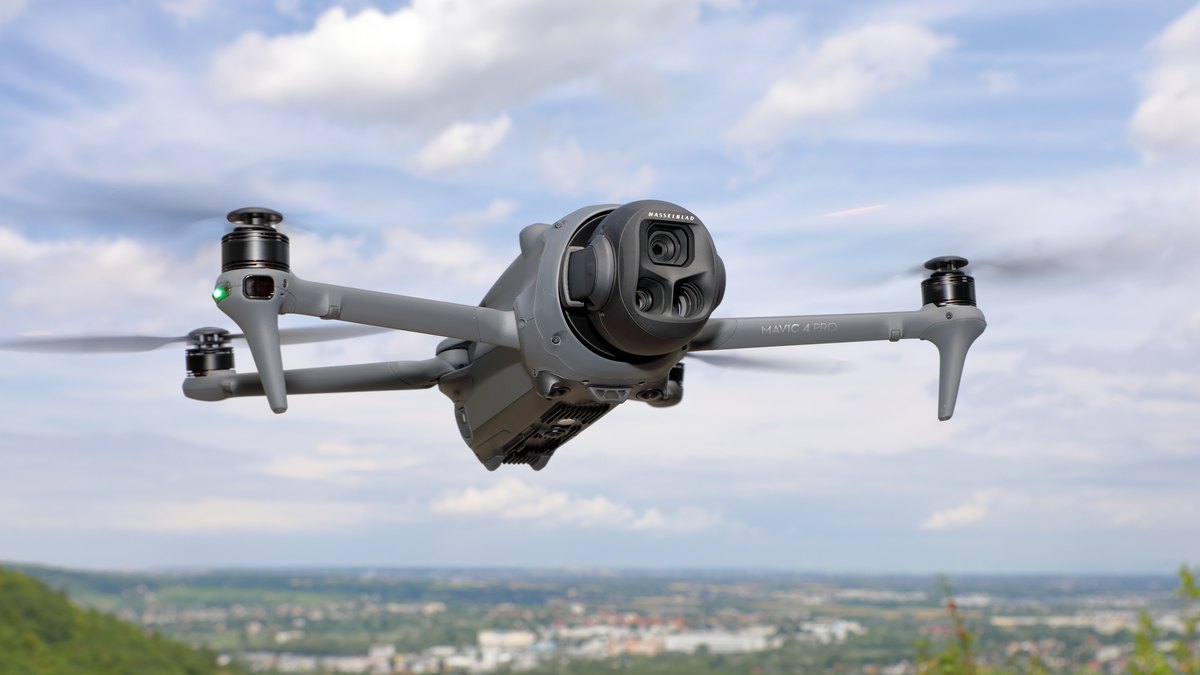
You start a drone photography business by becoming an FAA-certificated remote pilot, registering every drone you will fly for pay, and then getting airspace approval before each job near an airport. The FAA says that if you have a small drone that is less than 55 pounds, you can fly for work or business by following the Part 107 rules, and it lists three main steps: learn the rules, pass the Unmanned Aircraft General - Small (UAG) knowledge test, and register your drone.
The certificate is the gate. To be eligible you must be at least 16 years old, able to read, speak, write and understand English, and in a physical and mental condition to safely fly a drone (FAA). Registration under Part 107 costs $5 per drone and is valid for three years (FAA), and a registered drone must also meet the Remote ID rule.
No source read for this page publishes what it costs to start or what drone photographers earn, so no budget or income figure is given. Business licenses come from your state and city, not the FAA. This page is not legal advice; confirm current rules with the FAA before you fly for pay.
Why a photo business needs Part 107
The FAA says that to fly your drone under the Small UAS Rule (Part 107), you must obtain a Remote Pilot Certificate, which demonstrates that you understand the regulations, operating requirements and procedures for safely flying drones.
Part 107 is the route the FAA gives for flying for work or business with a drone under 55 pounds. Selling photos or video of a property, an event or a construction site is flying for business, so plan on the certificate before the first paid shoot.
Step 1: earn the Remote Pilot Certificate
These are the steps the FAA lists for first-time pilots:
- Get an FAA Tracking Number. Create an Integrated Airman Certification and Rating Application (IACRA) profile before you register for the knowledge test.
- Book the test. Schedule an appointment with an FAA-approved Knowledge Testing Center and bring a government-issued photo ID.
- Pass the UAG test. Topics include regulations, airspace classification, weather, loading and performance, emergency procedures, radio communication, airport operations, preflight inspection and operation at night.
- Apply in IACRA. Complete FAA Form 8710-13 and enter the 17-digit Knowledge Test Exam ID. The FAA says it may take up to 48 hours from the test date for the test to appear in IACRA.
- Clear the TSA check. A confirmation email arrives after the TSA security background check, with instructions for printing a temporary certificate. The permanent certificate is mailed later.
Already a pilot? The FAA has a separate path for Part 61 certificate holders with a flight review in the previous 24 months: an online course (ALC-451) instead of the knowledge test, then an identity check with an FAA office, examiner, airman certification representative or flight instructor.
Step 2: register and mark every drone
- CostPart 107 registration costs $5 per drone and is valid for three (3) years.
- WhereOnline at FAA DroneZone; select "Fly sUAS under Part 107."
- What you needPhysical and mailing address, email, phone number, the make and model of the drone, the Remote ID serial number if applicable, and a credit or debit card.
- MarkingLabel every drone with its registration number before you fly it, and carry the registration certificate, paper or digital.
Source: FAA, How to Register Your Drone. The FAA also says a drone registered under the recreational exception cannot be flown under Part 107, so register business drones under Part 107 from the start.
Remote ID: the FAA says drones that are required to be registered, including those flown for business, must comply with the Remote ID rule. You can fly a Standard Remote ID drone, attach a Remote ID broadcast module, or fly inside an FAA-Recognized Identification Area. Part 107 pilots must register each Standard Remote ID drone or broadcast module separately.
Step 3: get airspace approval before you fly near airports
Many paying jobs, like real estate and events, sit inside controlled airspace. The FAA says drone pilots planning to fly under 400 feet in controlled airspace around airports must receive an airspace authorization from the FAA before they fly.
- LAANC. The Low Altitude Authorization and Notification Capability automates the request through FAA-approved UAS Service Suppliers; if approved, pilots can receive authorization in near-real time.
- Coverage. The FAA page says LAANC is available at 726 airports; elsewhere there is a manual process.
- Higher requests. A further coordination request, for flights above the UAS Facility Map ceiling up to 400 feet, can be filed up to 90 days in advance and is coordinated manually.
- Still your job. LAANC provides airspace authorizations only. Pilots must still check NOTAMs and weather and follow all airspace restrictions.
Night and crowds: the FAA says the Operations Over People rule became effective on April 21, 2021, and Part 107 pilots may fly at night, over people and over moving vehicles without a waiver as long as they meet the rule's requirements. Some operations still need a waiver; the FAA lists the Part 107 sections that can be waived, such as visual line of sight and operation in certain airspace.
Step 4: keep the certificate current
The FAA says certificate holders must complete online recurrent training every 24 calendar months to keep their aeronautical knowledge recency. The Part 107 Small UAS Recurrent course (ALC-677) is listed as no cost.
Keep the certificate easily accessible during every flight; the FAA lists that as a requirement of holding it.
Business setup: licenses, insurance and cost
The FAA covers the flying. The business itself is registered and licensed where you operate: the SBA says most small businesses need a combination of licenses and permits from both federal and state agencies, lists aircraft operation under the Federal Aviation Administration, and says the licenses you need from the state, county or city depend on your business activities and location.
A realistic startup order
- First. Create your IACRA profile, study, and pass the UAG knowledge test.
- Second. Apply for the Remote Pilot Certificate in IACRA and wait for the TSA check.
- Third. Register each business drone under Part 107, make sure it meets Remote ID, and mark it.
- Fourth. Register the business and get the state and local licenses where you operate.
- Fifth. Before each job, check the airspace and request LAANC or manual authorization when the site is in controlled airspace.
This order follows the requirements in the sources above; it is a checklist, not a guarantee of work or income.
Questions people ask
Do I need a license to sell drone photos?
Yes, under federal rules you fly for business under Part 107, which requires a Remote Pilot Certificate from the FAA. Your state or city may also require a general business license.
How old do you have to be to get a Part 107 certificate?
At least 16 years old, according to the FAA, and able to read, speak, write and understand English.
How much does it cost to register a drone for business?
Part 107 registration costs $5 per drone and is valid for three years (FAA).
Can I fly near an airport for a real estate shoot?
Only with an airspace authorization if the site is in controlled airspace. The FAA says LAANC can give near-real time authorization for flights under 400 feet and is available at 726 airports.
Can I fly at night for a paying job?
The FAA says Part 107 pilots may fly at night without a waiver as long as they meet the Operations Over People rule's requirements, and airspace authorizations are still required for night operations in controlled airspace.
How often do I need to renew my drone pilot knowledge?
Every 24 calendar months, by completing an FAA online recurrent course such as ALC-677, which the FAA lists as no cost.
Sources
- FAA: Certificated Remote Pilots including Commercial Operators · Part 107 steps, Operations Over People, waivers
- FAA: Become a Certificated Remote Pilot · Eligibility, UAG test, IACRA, TSA check, recurrent training
- FAA: How to Register Your Drone · Fees, requirements, marking
- FAA: Remote Identification of Drones · Who must comply and how
- FAA: UAS Data Exchange (LAANC) · Airspace authorizations near airports
- SBA: Apply for licenses and permits · Federal, state and local licensing
Facts were read from the linked pages on November 17, 2026. FAA rules and fees change; confirm with the FAA before you fly for pay. This is not legal or financial advice.
Top photo: C.Stadler/Bwag / CC BY-SA 4.0 via Wikimedia Commons