How Do You Start a Home Inspection Business in 2027?
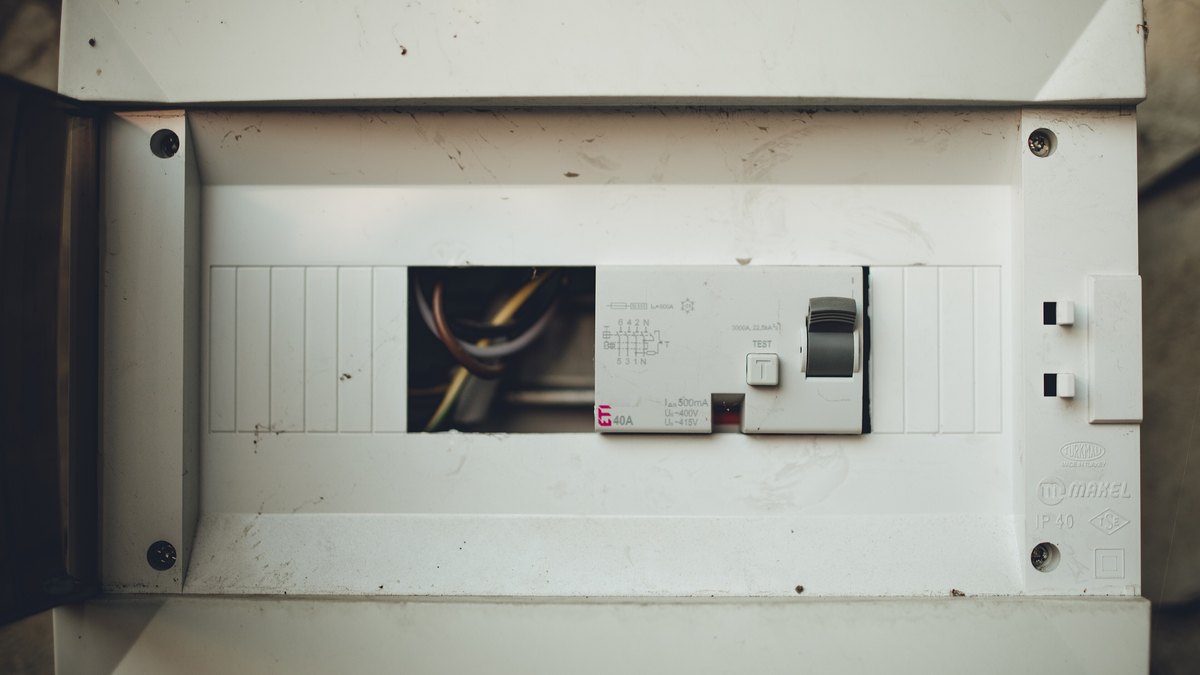
You start a home inspection business by meeting your state's licensing rules first, then setting up insurance, a report process and the business itself. There is no federal home inspector license; the SBA says the licenses you need from the state, county or city depend on your business activities and location, and states differ a lot.
Two examples read for this page: Texas requires a professional inspector to be 18 or older, complete set course hours, pass a national and a state exam, pass a fingerprint background check and show $100,000 per occurrence of insurance (TREC). Florida requires a department approved 120-hour course, a department approved exam, a criminal background check and a $300,000 commercial general liability insurance policy (DBPR). Professional groups such as ASHI and InterNACHI offer certification on top of the license.
No source read for this page publishes what it costs to start or what inspectors earn, so no budget or income is given. This page is not legal advice; confirm current rules with your state licensing agency.
Start with your state's license
Home inspection is licensed by states, so the first question is what your state requires. The SBA says most small businesses need a combination of licenses and permits from federal and state agencies, and that states tend to regulate a broader range of activities than the federal government.
The two states below show how far apart the rules can be: Texas sets detailed course hours and an experience path, while Florida sets a single 120-hour course and a high insurance minimum.
Texas: the professional inspector license
The Texas Real Estate Commission defines a professional real estate inspector as a person trained and qualified to perform real estate inspections who accepts employment to inspect for a buyer or seller. Qualifications: a citizen of the United States or lawfully admitted alien, 18 years of age or older, and meeting TREC's standards for honesty, trustworthiness and integrity.
- Sponsored pathAt least 12 months of active experience as a licensed real estate inspector sponsored by a Texas professional inspector during the 24-month period before applying, and 175 real estate inspections under indirect supervision, plus the course modules.
- Course modules40 hours each in Property and Building Inspection Modules I and II, 10 hours in Business Operations and Professional Responsibility, 20 hours in Texas Law and 24 hours in Texas Standards of Practice.
- Substitute pathThe same modules plus 20 hours in Analysis of Findings and Reporting and a 40-hour Texas Practicum, with the coursework finished before the practicum.
- ExamA national exam and a state exam, administered by PearsonVUE. Fail three times and more education is required before a retake.
- BackgroundFingerprints on file with the Texas Department of Public Safety; no license issues until the background check is passed.
- InsuranceProof of professional liability insurance or other qualifying coverage of $100,000 per occurrence before a license will issue.
You have one year from the date your application is filed to meet all license requirements (TREC). TREC also requires licensed inspectors to use its Standard Inspection Report Form (REI 7-6) to report observed deficiencies (TREC inspector page).
Florida: the home inspector license
Florida's Department of Business and Professional Regulation lists these requirements for licensure by examination (DBPR FAQ):
- Course. A department approved 120-hour course of study covering a home's structure, electrical system, HVAC system, roof covering, plumbing, interior and exterior components and site conditions.
- Exam. A department approved examination, with proof of passing submitted with the application.
- Background. A criminal background check and good moral character.
- Insurance. A $300,000 commercial general liability insurance policy.
- Renewal. Every even year by July 31; the biennial active renewal fee is $105.00, and 14 hours of continuing education are required.
Inspectors licensed in another state with substantially equivalent requirements may qualify by endorsement. Florida also lets licensed inspectors sign the Uniform Mitigation Verification Inspection Form, used for insurance discounts, after at least 3 hours of approved hurricane mitigation training.
Certification: ASHI and InterNACHI
A state license is the legal minimum. Many inspectors also join a professional association:
- ASHI. The American Society of Home Inspectors publishes a Standard of Practice and Code of Ethics, offers levels of membership and an ASHI Certification, and provides continuing education through webinars, workshops and an annual conference.
- InterNACHI. The InterNACHI membership application says members get immediate access to most membership benefits and training resources once their email is confirmed and a billing plan is selected, and can complete the final certification requirements later to become InterNACHI-certified.
Neither association page read lists its dues in a way that could be confirmed here, so check current pricing with each before you join.
Insurance, local licenses and startup cost
Insurance: the published minimums found are Texas's $100,000 per occurrence and Florida's $300,000 commercial general liability policy. Other states set their own, and real estate agents or clients may ask for more.
Local rules: the SBA says you may also need licenses from your county or city, and that zoning ordinances can still apply to home-based businesses.
A realistic startup order
- First. Read your state's inspector licensing rules and choose the path that fits your experience.
- Second. Finish the required course hours with an approved provider and pass the exams.
- Third. Complete fingerprints and the background check, and buy the insurance your state requires.
- Fourth. Apply for the license, then register the business and any local licenses.
- Fifth. Set up your report process to match your state's standards, and consider ASHI or InterNACHI certification.
This order follows the requirements in the sources above; it is a checklist, not a guarantee of work or income.
Questions people ask
Do you need a license to be a home inspector?
In the states read for this page, yes. Texas licenses inspectors through TREC and Florida through DBPR. Check your own state's licensing agency.
How many hours of training does Florida require?
A department approved 120-hour course, plus a department approved exam (DBPR).
How much insurance does a home inspector need?
It depends on the state. Texas requires coverage of $100,000 per occurrence (TREC) and Florida a $300,000 commercial general liability policy (DBPR).
What exam do Texas inspectors take?
A national exam and a state exam, both administered by PearsonVUE, after the required courses (TREC).
Is ASHI or InterNACHI certification required?
Not by the state rules read here. ASHI and InterNACHI certification is voluntary and sits on top of a state license.
How often does a Florida home inspector renew?
Every even year by July 31, with 14 hours of continuing education and a $105.00 active renewal fee (DBPR).
Sources
- Texas Real Estate Commission: Become a Professional Real Estate Inspector · Qualifications, courses, exam, fingerprints, insurance
- Texas Real Estate Commission: Inspectors · Standard Inspection Report Form REI 7-6
- Florida DBPR: Home Inspectors FAQs · Course, exam, background, insurance, renewal, CE
- American Society of Home Inspectors (ASHI) · Membership, Standard of Practice, certification
- InterNACHI: Membership application · Membership and certification steps
- SBA: Apply for licenses and permits · State and local licensing; zoning
Facts were read from the linked pages on November 17, 2026. Licensing rules and fees change by state; confirm with your state agency before you act. This is not legal or financial advice.
Top photo: Shixart1985 / CC BY 2.0 via Wikimedia Commons