How Do You Start a Liquor Store in 2027?
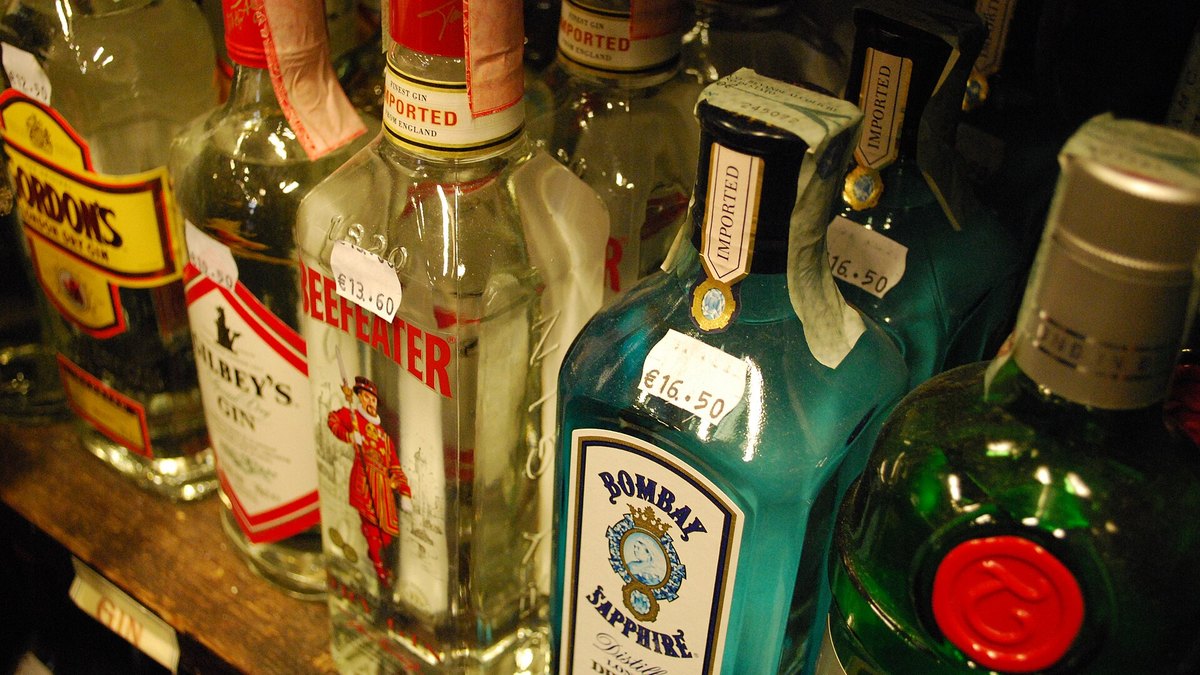
You start a liquor store by forming and registering the business, getting the state retail permit that allows sales of spirits for off-premise consumption, posting any required bond, and completing local certifications and public notice before you open. Alcohol retail is regulated by each state and often by cities and counties; this page uses Texas as the worked example.
Texas in short. The Texas Alcoholic Beverage Commission (TABC) issues the Package Store Permit (P), which authorizes the sale of distilled spirits, wine and malt beverages to consumers for off-premise consumption (TABC). TABC's fee chart lists $1,800 for a Package Store Permit, a two-year fee (TABC fee chart). TABC says it can take 30-35 days from receiving a complete application to issue a new license (TABC).
No TABC page read for this page publishes inventory costs, rent or typical income, so none is given. This page is not legal advice; confirm current rules with TABC and your city and county.
Which permit you need
TABC lists two package store permits:
- Package Store Permit (P)Sale of distilled spirits, wine and malt beverages to consumers for off-premise consumption.
- Wine-Only Package Store Permit (Q)Sale of malt beverages and wine to consumers for off-premise consumption.
Both permits include authority to move inventory between your other licensed locations in the same county, to deliver orders to end-consumer customers (with certain limitations), and to hold product tastings on the premises.
Fees and the bond
TABC's fee chart shows two-year fees paid to TABC, effective 9/1/21 (TABC fee chart). Licenses and permits expire two years after the issue date (TABC). City and county fees are separate and are not shown on the TABC chart.
- Package Store Permit (P)$1,800 for two years.
- Wine-Only Package Store Permit (Q)$1,600 for two years.
A retailer that does not hold a Food and Beverage Certificate must post a Conduct Surety Bond (TABC). The amount depends on how far the business is from a public school:
- More than 1,000 feet from a public school$5,000 bond.
- Less than 1,000 feet from a public school$10,000 bond.
You can submit it as a bond, a letter of credit or an assignment of a certificate of deposit (CD).
The application steps
TABC recommends applying in its Alcohol Industry Management System (AIMS), which it calls the easiest and quickest way to apply; paper applications take longer (TABC). TABC's overview of the steps:
- Register the business. All businesses register with the Texas Secretary of State and the Comptroller of Public Accounts.
- Choose your tier. A liquor store sells directly to consumers, which is the retail tier.
- Get the required signs. TABC's Sign Requirements page lists them.
- Notice and certificates. Complete the public notice, the publisher's affidavit and all city, county and state certificates.
- Submit a complete application. All sections must be complete, signed and notarized.
How long it takes
If TABC needs missing documents or clarification, it sends a request in AIMS and you have 10 business days to respond; if you do not, TABC removes the application and refunds the application fee (TABC).
TABC says it can take 30-35 days from the date it receives a complete application to issue a new license, so plan ahead if you are opening a new store or location. Your local TABC office can walk you through the process.
Questions people ask
What permit does a liquor store need in Texas?
A Package Store Permit (P) from TABC to sell distilled spirits, wine and malt beverages for off-premise consumption (TABC).
How much is a Texas package store permit?
TABC's fee chart lists $1,800 for a Package Store Permit and $1,600 for a Wine-Only Package Store Permit, both two-year fees (TABC fee chart).
Do I need a bond to open a liquor store in Texas?
A retailer without a Food and Beverage Certificate posts a Conduct Surety Bond: $5,000 if more than 1,000 feet from a public school, $10,000 if less (TABC).
How long does a TABC permit take?
TABC says 30-35 days from the date it receives a complete application (TABC).
How often do I renew?
TABC licenses and permits expire two years after the issue date (TABC).
Sources
- TABC: New TABC Licenses and Permits · AIMS, application steps, timing
- TABC: License and Permit Types · Package Store Permit (P) and Wine-Only (Q)
- TABC: Bonds · Conduct Surety Bond amounts
- TABC: License and Permit Fees Chart · Two-year term
- TABC: Two-Year Licensing Fees (PDF) · Permit fees
Facts were read from the linked pages on November 20, 2026. Licensing rules and fees change, and cities and counties set their own fees and rules; confirm with the Texas Alcoholic Beverage Commission and your local officials before you start. This is not legal advice.
Top photo: Jon Worth / CC BY 2.0 via Wikimedia Commons