How Do You Start a Massage Therapy Business in 2027?
You start a massage therapy business by getting licensed as a massage therapist, then licensing the business location if your setup requires it, and hiring only licensed therapists. Massage licensing is set by each state; this page uses Texas as the worked example.
Texas in short. The Texas Department of Licensing and Regulation (TDLR) defines a massage establishment as any place of business that advertises or offers massage therapy or other massage services. No establishment can operate until its license is approved, the non-refundable application fee is $200, and the license is valid for two years (TDLR). A single therapist working alone may fall under a solo practitioner exemption instead (TDLR).
No TDLR page read for this page publishes typical startup costs or income, so none is given. This page is not legal advice; confirm current rules with TDLR.
Get your own therapist license first
In Texas, a person must be licensed as a massage therapist to offer, practice or administer massage therapy or other massage services to a client for compensation (TDLR).
- Education. Proof of at least 500-hours of coursework in massage therapy studies at a massage school licensed in Texas.
- Exam. Pass either the Federation of State Massage Therapy Boards (FSMTB) exam or the State of Texas exam administered by TDLR.
- Fee. A non-refundable $100 application fee. The license is valid for two years from the date of issue.
- Fingerprints. A one-time fingerprint check for a national criminal history record review before the license is issued.
National certification from the NCBTMB is voluntary and is not a license; you still need a Texas license to advertise or practice massage therapy (TDLR).
When you need an establishment license
TDLR says any place of business that advertises or offers massage therapy or other massage services is a massage establishment, and it may employ only licensed massage therapists to perform massage therapy.
There is an exception for solo practice. TDLR explains that if only one massage therapist ever works at a location and all advertising includes the therapist's MT license number or full name, the location falls under the solo practitioner exemption, like a therapist's private office. Otherwise, a massage establishment license is required.
Applying for the establishment license
Submit a completed application with the non-refundable $200 fee; the license is valid for two years and is not issued until fingerprinting is complete (TDLR). Fingerprints are also required for each person who:
- Controls the business. Has the controlling interest in the entity.
- Shares in profits. Has a direct or indirect participating interest of more than 10 percent of the profits, proceeds or capital gains.
- Holds stock. Holds at least 10 percent of the entity's outstanding stock or more than $25,000 of its fair market value.
- Leads it. Sits on the board of directors or other governing body, or is an elected officer or general manager.
Anyone with a conviction other than a minor traffic violation sends a Criminal History Questionnaire, and a review can take from one to six weeks.
Running the location
TDLR inspects licensed massage establishments once every two years. Its FAQ adds several operating rules:
- No residents. A massage establishment may not allow any individual to reside on the premises.
- Human trafficking sign. Establishments must post a sign about services for victims of human trafficking, in English, Spanish, Korean and Mandarin, clearly visible to the public.
- Posted licenses. Each therapist posts their license, with a current photo attached, at any licensed massage establishment where they provide services.
Services that need a different license
A massage therapist may provide facials but may not advertise cosmetology services or use equipment or chemicals that require a cosmetology license. Hair removal such as waxing or shaving needs a separate TDLR license (TDLR).
Questions people ask
Do I need a license to open a massage business in Texas?
Yes. A place that advertises or offers massage needs a massage establishment license ($200, valid two years) unless it fits the solo practitioner exemption (TDLR).
Can I work alone without an establishment license in Texas?
Yes, if only one massage therapist ever works there and all advertising includes your MT license number or full name (TDLR).
How many hours of school do Texas massage therapists need?
At least 500-hours of coursework in massage therapy studies at a massage school licensed in Texas (TDLR).
Who has to be fingerprinted for a massage establishment license?
The applicant plus each person with a controlling interest, more than 10 percent of profits, a board seat, or a role as an elected officer or general manager (TDLR).
How often are Texas massage establishments inspected?
Licensed massage establishments are inspected once every two years (TDLR).
Sources
- TDLR: Apply for a New Massage Establishment License · Definition, fee, term, fingerprinting, inspections
- TDLR: Apply for a New Massage Therapist License · Education hours, fee, fingerprinting
- TDLR: Massage Therapy FAQ · Solo practitioner exemption, exams, operating rules
Facts were read from the linked pages on November 19, 2026. Licensing rules and fees change; confirm with TDLR before you start. This is not legal advice.
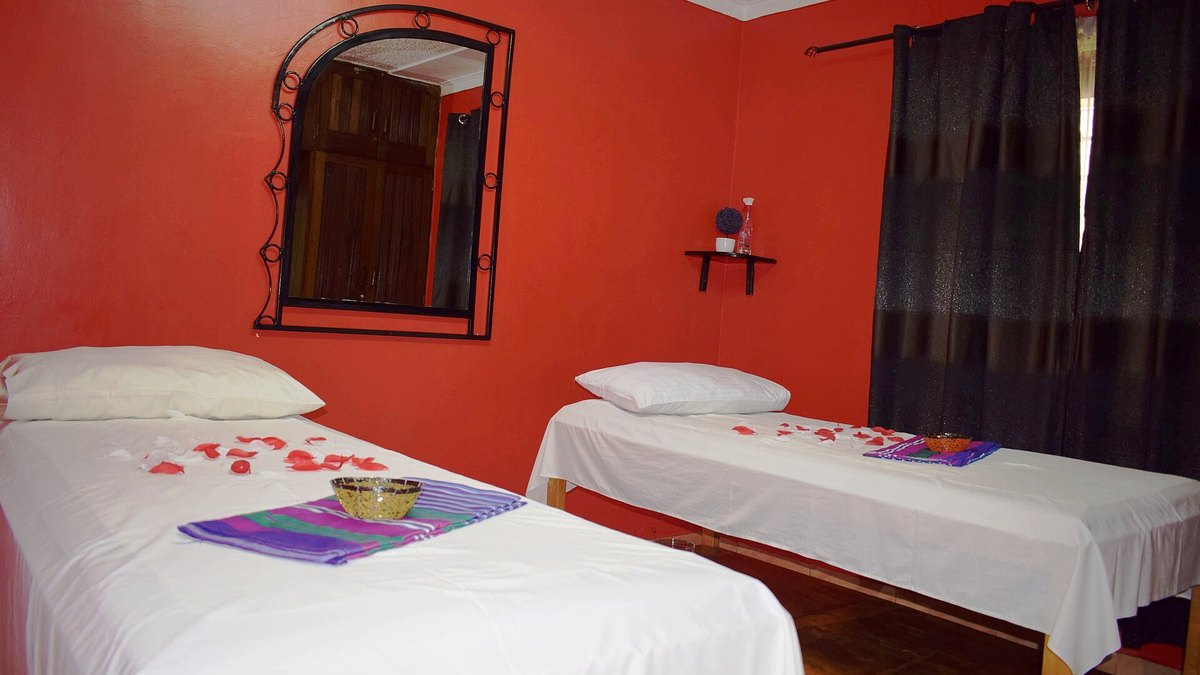
Top photo: Alvinategyeka / CC BY-SA 4.0 via Wikimedia Commons