How Do You Start a Mold Remediation Business in 2027?
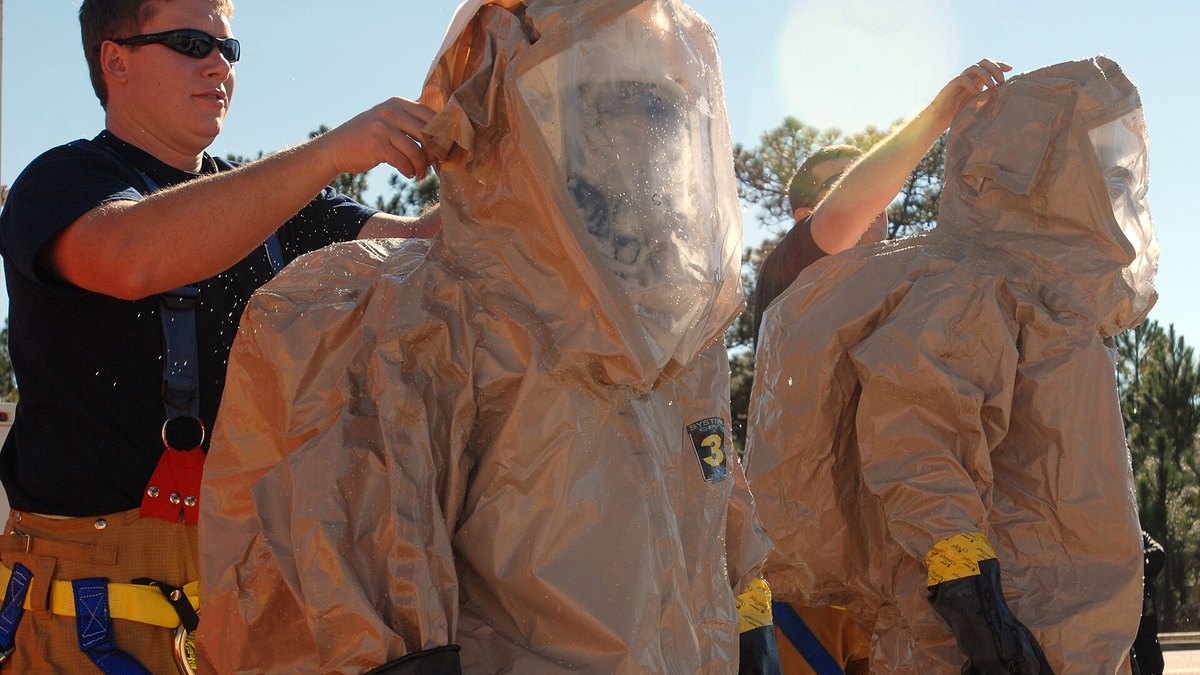
You start a mold remediation business by getting the state licenses for the company and for the person responsible for the work, carrying the required liability insurance, and following the state's work rules. Mold licensing is set by each state; this page uses Texas as the worked example.
Texas in short. The Texas Department of Licensing and Regulation licenses people and companies who clean up and remove mold (TDLR). A Mold Remediation Company license costs $850, the company must keep an office in Texas and carry commercial general liability insurance of at least $1 million per occurrence, and it needs at least one licensed Mold Remediation Contractor as its responsible person (TDLR).
No source read for this page publishes typical startup costs or income, so none is given. This page is not legal advice; confirm current rules with your state licensing agency.
Two licenses: the company and the contractor
TDLR regulates both mold assessment (inspecting and testing for mold) and mold remediation (cleaning up and removing it). A remediation business needs a company license and a licensed person behind it.
- Mold Remediation Company$850 license fee; all owners with 10% or more ownership listed on the application; Texas office required.
- Mold Remediation Contractor$450 license fee; acts as the company’s responsible person; must pass the state exam.
Sources: TDLR company page and TDLR contractor page. You may hold both an assessment and a remediation license if you qualify, but you may not do both mold assessment and mold remediation on the same project, unless you work for a school district on its own project (TDLR). Mold Remediation Workers you hire are registered rather than licensed, and a worker’s registration belongs to the worker, not the company.
Who qualifies as a Mold Remediation Contractor
TDLR requires you to be at least 18, to send your initial mold remediation contractor course certificate from a department-accredited training provider, and to show one of these:
- Degree route. A bachelor’s or graduate degree in a natural or physical science, engineering, architecture, building construction or building sciences, plus at least one year of hands-on experience in an allied field or as a general contractor in building construction.
- College credit route. At least 60 college credit hours with a C or better in the related sciences, plus at least three years of hands-on experience.
- High school route. A high school diploma or GED plus at least five years of hands-on experience.
- Certification route. Certification as an industrial hygienist, professional engineer, professional registered sanitarian, certified safety professional or registered architect, plus at least one year of hands-on experience.
After TDLR approves the application, the testing vendor tells you when you can sit the Mold Remediation Contractor exam. TDLR also runs a criminal history background check, though a conviction does not automatically disqualify you.
Insurance and a Texas office
Licensed mold remediation companies must carry commercial general liability insurance of not less than $1 million per occurrence for the life of the license, and send proof with the application (TDLR).
A business or individual can instead be self-insured by filing a signed affidavit of a net worth of at least $1 million with a current financial statement, renewed with each renewal application. The company must also keep an office in Texas with an in-state physical address on the application; P.O. boxes are not allowed.
Which jobs need a licensed remediator
TDLR says that in most instances, areas of visible mold of less than 25 contiguous square feet can be cleaned up by people who are not licensed, and certain exemptions apply to buildings with fewer than 10 rental units, including houses. In residential properties with 10 or more units, remediation of 25 contiguous square feet or more of visible mold must be done by a licensed Mold Remediator.
Once you are licensed, the small-job exemption no longer applies to you: a licensed Mold Remediation Contractor hired for a project under 25 contiguous square feet must still follow the law and rules, including a work plan that follows a protocol developed by a licensed Mold Assessment Consultant, though no project notification is needed.
Lead paint on older homes
TDLR notes that licensed mold remediation contractors and companies may also need EPA Renovation, Repair and Painting certifications as a Renovator and a Renovation Firm if a project disturbs existing paint in a pre-1978 home or child-occupied facility. Both certifications are valid for five years.
Questions people ask
Do I need a license to start a mold remediation business in Texas?
Yes. TDLR licenses companies and people who clean up and remove mold, and a Mold Remediation Company license costs $850 (TDLR).
How much insurance does a Texas mold remediation company need?
Commercial general liability insurance of not less than $1 million per occurrence, kept for the life of the license (TDLR).
What experience do I need to become a mold remediation contractor in Texas?
An accredited course certificate plus one of four routes, for example a high school diploma or GED with at least five years of hands-on experience (TDLR).
Can someone without a license remove small amounts of mold in Texas?
In most instances, visible mold of less than 25 contiguous square feet can be cleaned up by people who are not licensed (TDLR).
Can one company do both mold testing and mold removal?
You can hold both licenses if you qualify, but you may not do both assessment and remediation on the same project, except school district staff on district projects (TDLR).
Sources
- Texas Department of Licensing and Regulation: Apply for a Mold Company License · Company fee, Texas office, insurance, responsible person
- TDLR: Apply for a Mold Remediation Contractor License · Qualifications, fee, exam, background check
- TDLR: Mold Assessors and Remediators FAQ · Scope, small-area exemption, same-project rule, lead paint
Facts were read from the linked pages on November 18, 2026. Licensing rules, fees and insurance minimums change; confirm with your state agency before you start. This is not legal advice.
Top photo: Spc. Cody Thompson / Public domain via Wikimedia Commons