How Do You Start a Mushroom Farming Business in 2027?
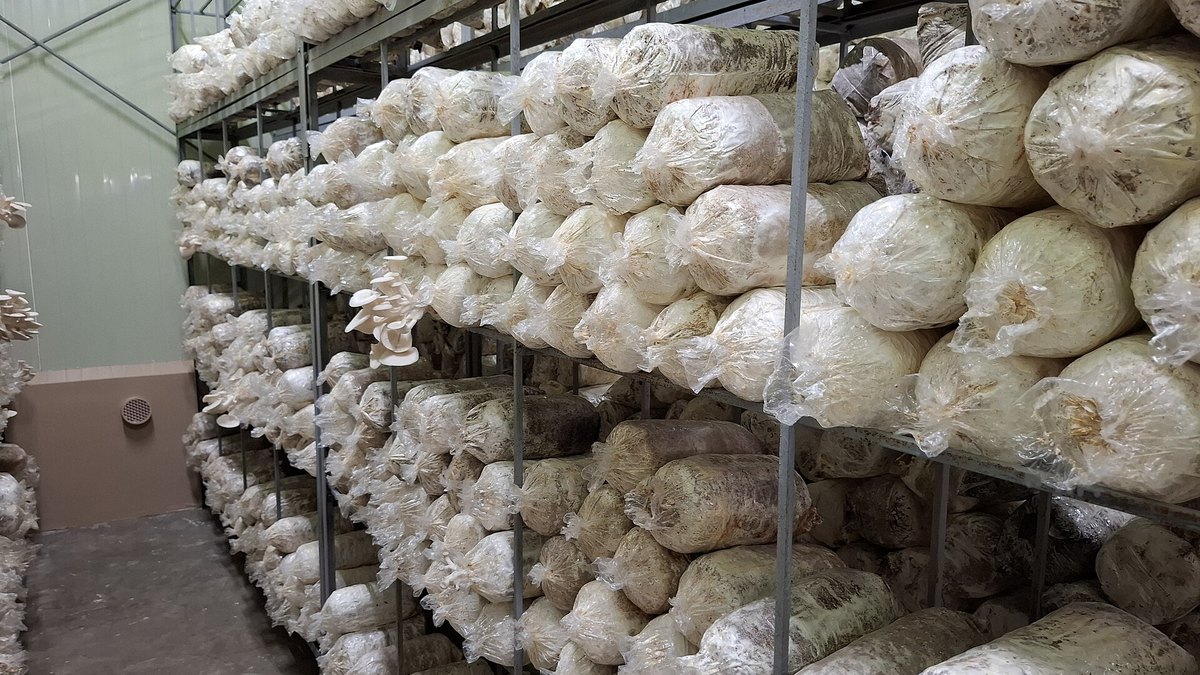
You start a mushroom farming business by choosing what to grow, setting up a space that matches it, learning the food safety and licensing rules for the way you will sell, and lining up buyers before your first harvest. For most beginners the lower-risk starting points are specialty mushrooms such as oyster and shiitake, because white button mushrooms depend on a composting process that Penn State Extension says is hard to master. Penn State Extension advises would-be growers to gain experience on an existing farm before starting their own.
The USDA National Agricultural Statistics Service (NASS) reported that growers received an average of $4.56 per pound for specialty mushrooms in 2025-2026, down from the year before. Figures for costs, yields and income on this page are the claims of whoever published them, and the page says so each time. This is general information from public sources read on November 5, 2026. It is not legal or financial advice. Rules differ by state and county, so confirm them with your state agriculture department and local offices.
What to grow: specialty mushrooms or button mushrooms
The two paths are different businesses. White button and brown mushrooms are the Agaricus crop, which is grown at large scale. In its report released August 19, 2026, USDA NASS counted 620 million pounds of Agaricus sold in 2025-2026, and Penn State Extension summarized that Pennsylvania accounted for 74 percent of that volume. Penn State Extension also describes the Agaricus process as phases of composting, spawning, casing, pinning and harvesting, and says Phase II is possibly the most difficult part of growing mushrooms.
Specialty mushrooms are shiitake, oyster and other exotics. Penn State Extension says specialty mushrooms such as oyster and shiitake often have higher wholesale prices. NASS reported $95.0 million in specialty sales for 2024-2025, and Penn State Extension's summary of the newer report gives $75.0 million for 2025-2026, down 21 percent. A price or sales figure that moves that much from one season to the next is a reason to plan for a range of outcomes, not a single number.
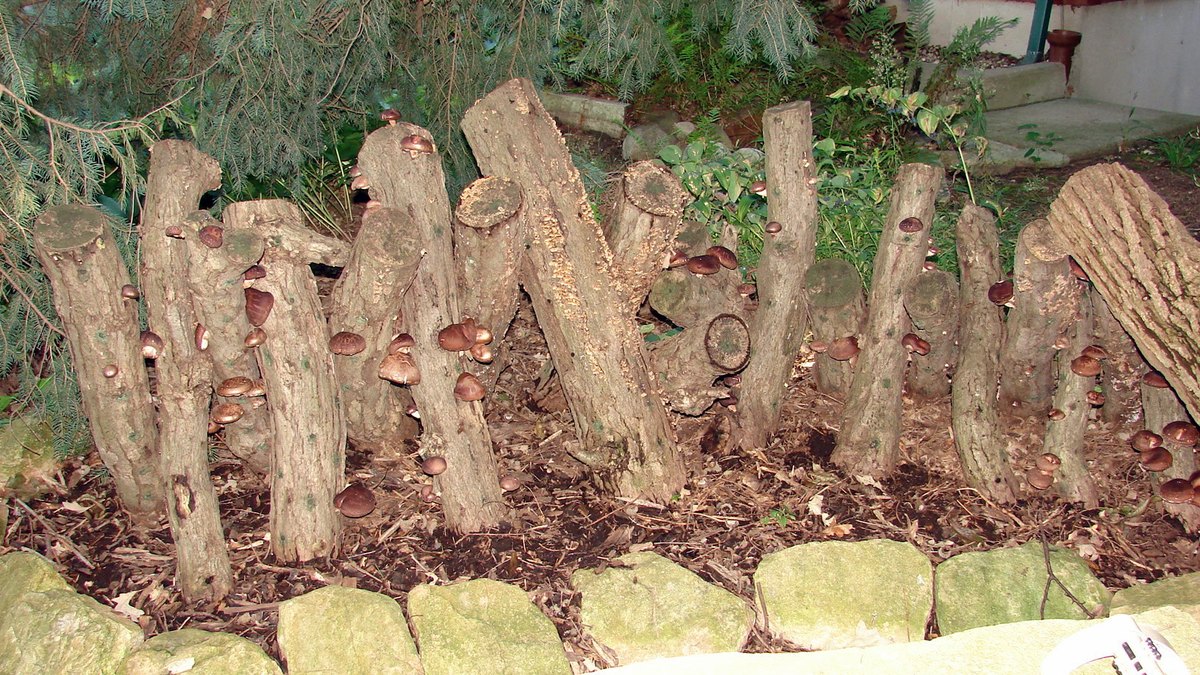
NASS defines a specialty grower as one with at least 200 natural wood logs in production, or some commercial indoor growing area, and $200 or more in sales. That definition shows the two common specialty routes: logs outdoors, or indoor growing rooms.
Growing setup: logs, indoor rooms and the learning curve
Log-grown shiitake is the route Cornell Small Farms documents most closely. It says production for a typical log peaks in the second and third years, and that shiitake are usually ready to harvest 7 to 10 days after the logs are shocked to trigger fruiting.
Indoor growing needs space built for it. Cornell's business planning page says initial costs could be much higher, depending on the space you need to develop as an indoor growing facility. Penn State Extension's Agaricus guide gives a complete spawn run as usually 14 to 21 days, with harvesting beginning 15-21 days after casing.
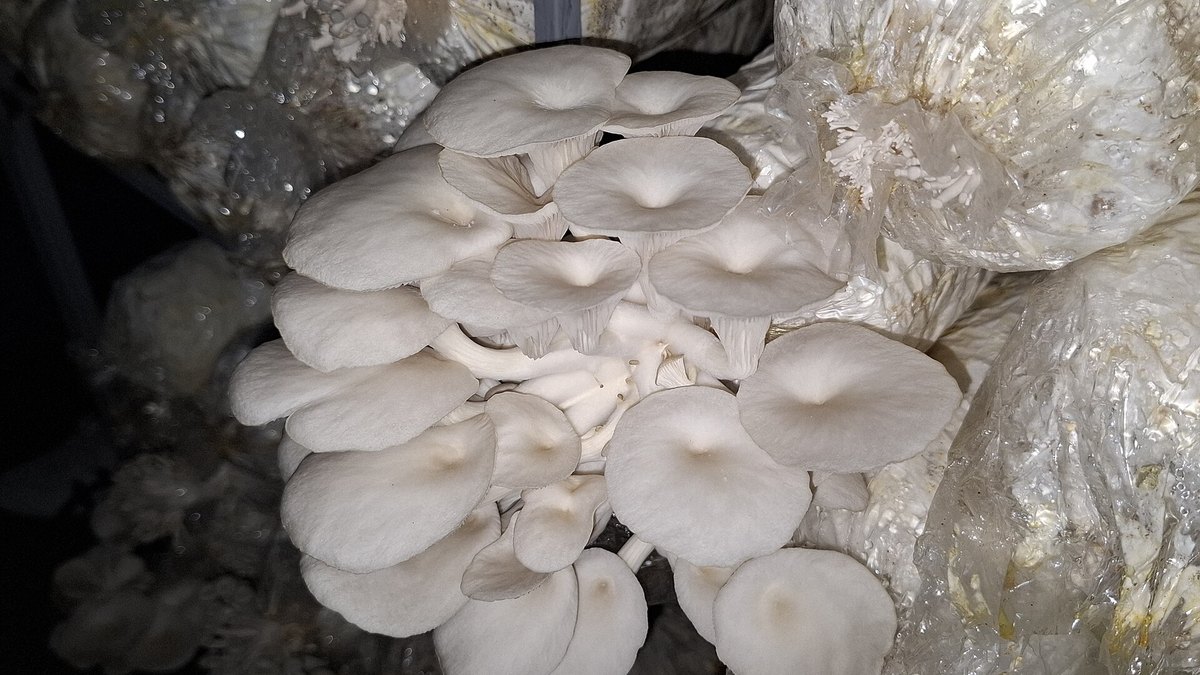
The extension pages used for this article do not give a single setup recipe that fits every grower, so use your state extension service and a short course or farm visit to work out lighting, humidity, ventilation and substrate for the variety you pick.
Licensing and food safety: federal, state and local
Start with the federal rule, then check your state and county. The FDA Produce Safety Rule treats mushrooms as produce. Vermont's Agency of Agriculture says the definition of produce includes mushrooms, that farms with annual produce sales of less than $25,000, averaged over the previous three years, are not covered, and that a qualified exemption is based on annual total food sales of less than $500,000, averaged over the previous three years. Those dollar lines are adjusted for inflation, so check the current figures.
Penn State Extension's food safety page says most commercial mushroom producers are primarily affected by the produce safety and preventive controls rules, which include requirements for compost and manure used in mushroom substrates, agricultural water and sanitation. It describes Mushroom Good Agricultural Practices as voluntary standards, and says wholesale buyers are increasingly requiring suppliers to provide evidence of safe growing practices.
State rules differ. Two examples show how much.
- New York. The state's Department of Agriculture and Markets says a license is not required to sell mushrooms cultivated under controlled conditions at farmers markets, but mushrooms may not be cut or processed at the market except as part of a permitted food service operation, and wild foraged mushrooms may not be sold unless the vendor is certified as an expert mushroom forager.
- Oregon. An Oregon answer on Ask Extension, dated August 30, 2021, says no special inspection or license is needed to sell fresh cultivated mushrooms in their natural state, that licenses kick in beyond farm-direct sales, and that value-added products must be made with a Food Processor License and facility.
The SBA says most small businesses need a combination of licenses and permits from both federal and state agencies, and that local governments determine registration, licensing and permitting requirements. Ask your state agriculture department, your county or city, and your insurer what applies to your farm before you sell.
Costs: what published sources say
There is no single start-up cost for a mushroom farm, and the figures below come from different kinds of publishers. Treat each as that publisher's claim.
- Cornell Small Farms, 100 logs over one year8 hours of labor and $17 worth of supplies, based on data from 17 farmers (Cornell's figures, from older data)
- Cornell Small Farms, 1,000-log exampleA budget listing 766 total labor hours, extrapolated from data on 100 logs
- Homegrown blog (a marketplace company), straw setupAbout $745 to $845 in North Spore gear and blocks, per the blog; unverified, and the post says its own figures do not fully agree
Cornell notes that its shiitake data was collected from 2010 - 2012, so prices for supplies and wood have likely changed. The Homegrown post was published September 29, 2026 by a company that sells to growers. Neither source covers your insurance, equipment, utilities, labor or land. Penn State Extension points growers to writing a business plan with a financial section and using enterprise and partial budgets to estimate costs and profit, which is the safer way to get your own numbers.
Buyers: restaurants, farmers markets and wholesale
The extension pages in this article point to a few channels. Restaurants are one. Cornell's shiitake growers report that some restaurant accounts would not mind slightly overgrown mushrooms that are not in bad shape, which tells you restaurant buyers care about condition and consistency. Farmers markets are another, and the New York guidance above lays out what a vendor can and cannot do at one.
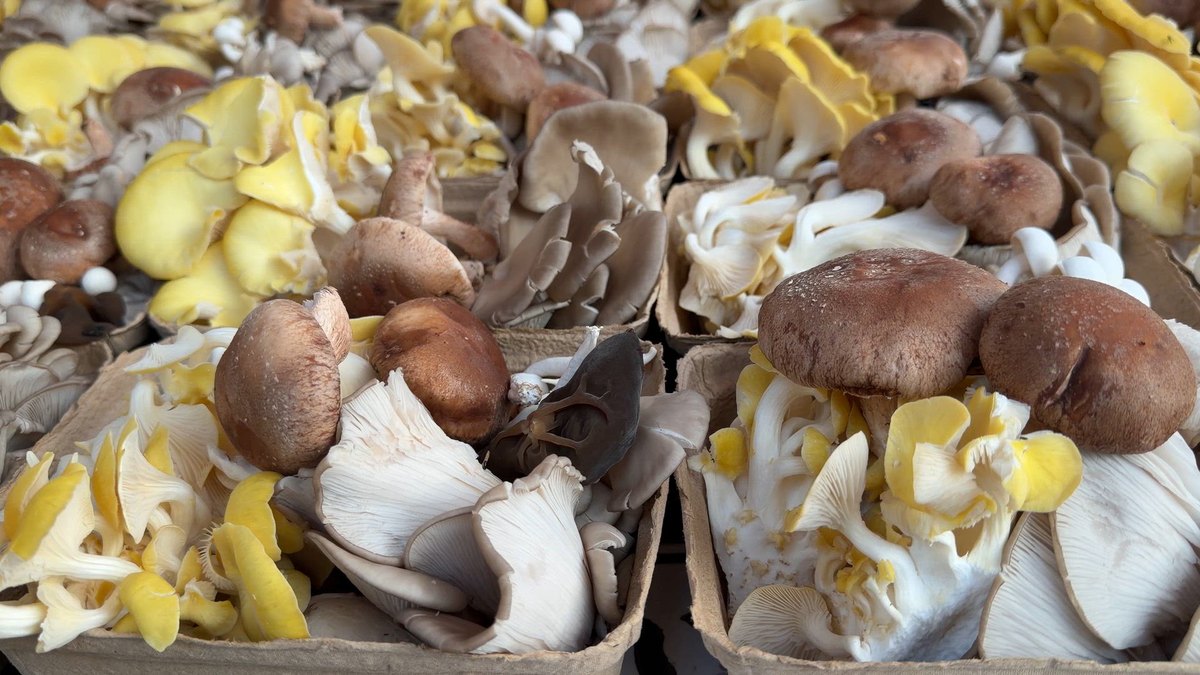
Wholesale and grocery buyers may ask for more paperwork. An Ask Extension reply relayed from an Extension educator in preharvest food safety says exemptions kick in if more than 50% of your produce goes direct to consumers, and that a buyer may still require an audit, which is a business requirement rather than a law. Penn State Extension adds that several audit programs exist for growers who want to document safe practices.
Whichever channel you pick, talk to buyers first. Ask what varieties they want, how often, how they want them packed and what they pay, so that your first harvest has somewhere to go.
Yields and prices: what is published
Yields depend on the variety, the substrate and the grower. Published numbers:
- Shiitake on logs, per Cornell. Cornell's harvesting page says it is reasonable to expect 0.25 to 0.5 pound of mushrooms per log or higher per flush, and approximately 3 to 4 pounds of fresh mushrooms per log over five years.
- Bought oyster blocks, per the Homegrown blog. The post says bought blocks yield 0.5 to 2 pounds on the first flush, according to North Spore, a supplier. This is a vendor-sourced claim and unverified.
On price, USDA NASS reported an average grower price of $5.83 per pound for specialty mushrooms in 2024-2025, and the 2025-2026 report, as summarized by Penn State Extension, gives $4.56 per pound, down $0.85. Cornell's business planning page says many specialty growers average $10 - 12 per pound across all channels, and the Homegrown blog says its sellers who price by the pound charge $10 to $24 a pound. The NASS figure is what growers received on average, while the Cornell and Homegrown figures describe direct and retail sales, so they should not be compared directly.
This page does not give an income estimate for a mushroom farm, because none of these sources publishes one that applies to a new grower. Build your own from your yields, your costs and what a buyer will commit to paying.
Check before you spend
- Try a small batch first. Grow the variety you plan to sell and see what yield you get in your own space.
- Call your state agriculture department. Ask what a grower of fresh cultivated mushrooms needs, for farm-direct, farmers market, restaurant and wholesale sales.
- Check the federal rule against your sales. Confirm whether the FDA Produce Safety Rule covers your farm at your expected sales.
- Talk to buyers. Get what they want in writing before you build a bigger room.
- Get advice. Ask an accountant, an insurer and an attorney about taxes, coverage and your business structure.
Questions people ask
What is the easiest mushroom to grow commercially?
Beginners often start with oyster or shiitake. Penn State Extension says specialty mushrooms such as oyster and shiitake often have higher wholesale prices, and it calls the compost process behind white button mushrooms possibly the most difficult part of growing. Test a small batch before you commit.
Do I need a license to sell mushrooms?
It depends on your state, your sales volume and how you sell. New York says a license is not required to sell cultivated mushrooms at farmers markets, and an Oregon extension answer says fresh cultivated mushrooms need no special license for farm-direct sales but value-added products do. Check your own state agriculture department. This is not legal advice.
Does the FDA Produce Safety Rule cover mushrooms?
The rule's definition of produce includes mushrooms, per Vermont's Agency of Agriculture. Farms with annual produce sales of less than $25,000, averaged over three years, are not covered, and the dollar line is adjusted for inflation.
How much does a mushroom farm cost to start?
There is no verified single figure. Cornell lists 8 hours of labor and $17 worth of supplies for 100 logs over one year from older data, and a marketplace blog lists about $745 to $845 for a straw setup, which is unverified. Indoor space can cost much more, per Cornell. Build your own budget.
Who buys mushrooms from small farms?
Restaurants, farmers market shoppers and wholesale or grocery buyers are the channels the extension pages in this article describe. Wholesale buyers may ask for evidence of safe growing practices, per Penn State Extension.
Sources
- USDA NASS: Mushrooms report, released August 21, 2025 · Specialty sales, price and grower definition
- Penn State Extension: Pennsylvania mushroom farmers lead U.S. in mushroom production · Summary of the report released August 19, 2026
- Penn State Extension: Mushrooms business management · Specialty wholesale prices and business planning
- Penn State Extension: Basic procedures for Agaricus mushroom growing · White button growing stages and cautions
- Penn State Extension: Mushroom food safety · Produce safety and buyer expectations
- Cornell Small Farms: Harvest to Market guide, business planning · Shiitake yields, prices and indoor costs
- Cornell Small Farms: Harvesting shiitake · Per-log yields, timing, restaurant accounts
- Vermont Agency of Agriculture: FSMA Produce Safety Rule · Mushrooms as covered produce and sales thresholds
- New York Department of Agriculture and Markets: farmers market guidance · Selling cultivated mushrooms at markets
- Ask Extension: permits for a mushroom farm selling farm-direct (Oregon) · Farm-direct and processed product licensing
- Ask Extension: log grown mushroom sales in retail stores · Exemptions and buyer audits
- SBA: Apply for licenses and permits · Federal, state and local licensing
- Homegrown: How to start a mushroom farm · Company blog: setup cost, yield and price claims (unverified)
Figures were read from the linked pages on November 5, 2026. Costs, yields and prices are the published claims of the named authors, not verified results, and the Homegrown post comes from a company that sells to growers. Photos are credited under each image. This is general information, not legal or financial advice.
Top photo: MarvinBikolano / CC BY-SA 4.0 via Wikimedia Commons