How Do You Start a Nail Salon in 2027?
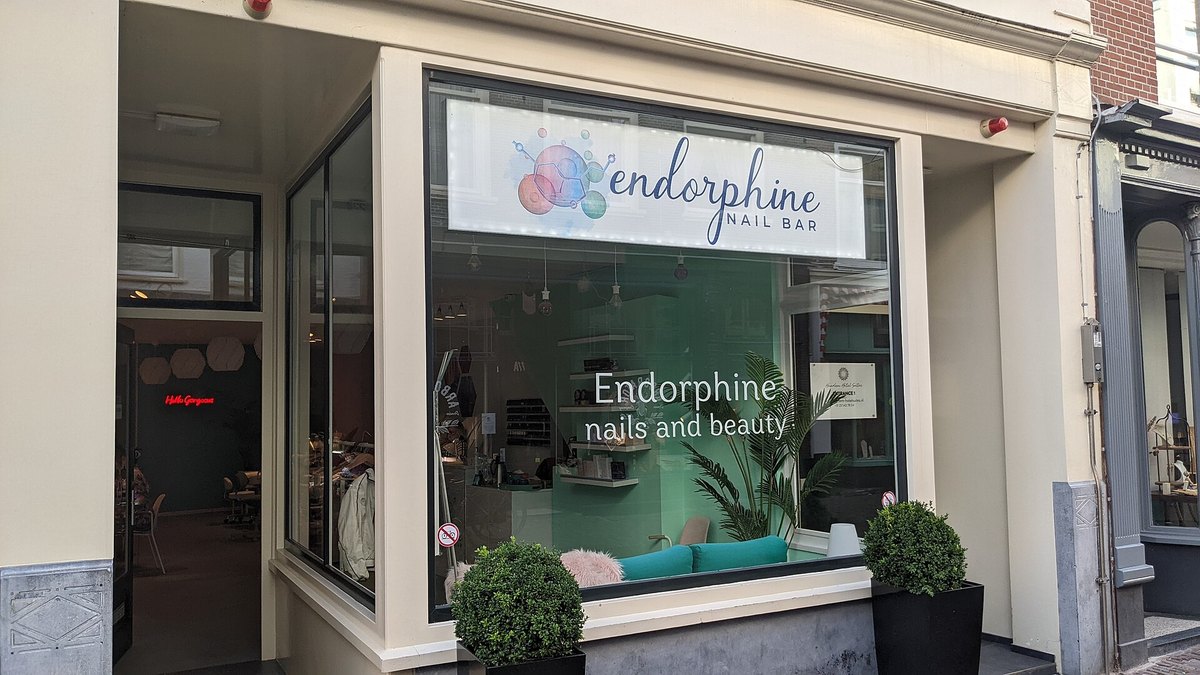
You start a nail salon by making sure every person who does nails holds a state manicurist (or broader cosmetology) license, licensing the salon itself as an establishment, and fitting it out with the equipment and sanitation the state requires. Cosmetology rules are set by each state; this page uses Texas as the worked example.
Texas in short. The Texas Department of Licensing and Regulation (TDLR) requires a 600-hour manicurist course and written and practical exams for a manicurist license, with a $50 application fee (TDLR). The salon needs its own establishment license: $78 for an establishment or specialty establishment, valid for two years (TDLR).
No TDLR page read for this page publishes build-out costs, rent or typical income, so none is given. This page is not legal advice; confirm current rules with TDLR.
Get licensed to do nails
TDLR sets these steps for a manicurist license:
- Training. Complete a manicurist course of 600 hours at a barbering/cosmetology school licensed in Texas. Students get a student permit while in training.
- Exams. Pass written and practical licensing exams, scheduled through TDLR's third-party vendor, PSI, once TDLR verifies eligibility.
- Apply. The application fee is $50 and non-refundable. You must be at least 17 years old, and the license is valid for two years.
A combination manicurist/esthetician license is available after an 800-hour combined course, or 600 hours of manicurist plus 750 hours of esthetician instruction (TDLR).
Start working sooner with a temporary license
If you apply and pay after you are notified you are eligible for the written exam, but before you take it, TDLR says a temporary license prints with your practical exam score report once you pass. You may begin work that day, and the temporary license is good for 60 days while TDLR mails the two-year license.
Applicants with criminal convictions must file a Criminal History Questionnaire; TDLR reviews convictions case by case, and the review can take from one to six weeks (TDLR).
License the salon
The salon itself needs a TDLR establishment license (TDLR). The application must give detailed information on all business owners and how the business is structured.
- Establishment$78
- Specialty establishment$78
- Mini-establishment$70
Establishment licenses are valid for two years, and all requirements must be met within one year of the date TDLR receives the application or it is void (TDLR). If you rent stations to licensed practitioners or mini-establishments, include an Independent Contractor List with the application.
Equipment a nail salon must have
Every establishment needs non-porous flooring where services are done, a sink with hot and cold running water, a restroom on or near the premises, a wet disinfectant container large enough to fully immerse tools, a covered trash container and adequate ventilation (TDLR). Salons that do manicures or pedicures must also have an autoclave, dry heat sterilizer or ultraviolet sanitizer.
A manicure establishment must provide, for each license holder working, a manicure station with sufficient lighting, a manicure chair or stool, and a client chair (TDLR). You must also post the salon's name, a notice that the latest TDLR inspection report is available on request, and a human trafficking information sign, and keep a copy of the Laws and Rules Book, which costs $14.
Questions people ask
How many hours do you need for a Texas manicurist license?
A manicurist course of 600 hours at a Texas-licensed barbering/cosmetology school (TDLR).
How much is a nail salon license in Texas?
An establishment or specialty establishment license is $78; a mini-establishment is $70 (TDLR).
How long does a salon license last?
Establishment licenses are valid for two years from the date of issue (TDLR).
Does a nail salon need a sterilizer?
Yes. Establishments that provide manicure or pedicure services must have an autoclave, dry heat sterilizer or ultraviolet sanitizer (TDLR).
Can I open a nail salon in my house?
Only with a separate entrance from the residence, and the licensed premises may not be used for living or sleeping (TDLR).
Sources
- TDLR: Apply for a Manicurist License · Hours, exams, fee, temporary license
- TDLR: Apply for a New Establishment License · Establishment fees, term, leasing space, home salons
- TDLR: Required Equipment for Establishments · Facility, equipment, signage and manicure station rules
Facts were read from the linked pages on November 21, 2026. Licensing rules and fees change; confirm with the Texas Department of Licensing and Regulation before you start. This is not legal advice.
Top photo: Donald Trung Quoc Don / CC BY-SA 4.0 via Wikimedia Commons