How Do You Start a Salvage Yard in 2027?
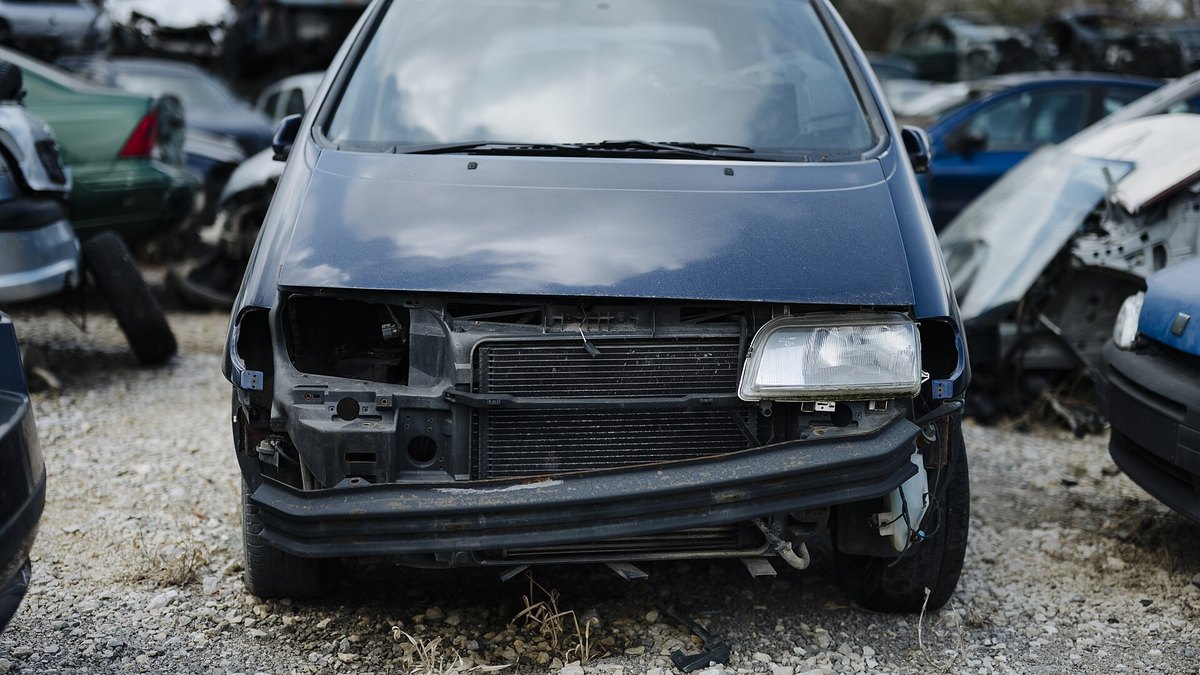
You start a salvage yard by forming the business, licensing each yard location with the state agency that regulates auto recyclers, carrying the required insurance and environmental permits, and keeping the title and sales records the rules demand. Salvage yard licensing is set by each state; this page uses Texas as the worked example, where the business is called used automotive parts recycling.
Texas in short. The Texas Department of Licensing and Regulation (TDLR) says a person may not own or operate a used automotive parts recycling business or sell used automotive parts without a used automotive parts recycler license (TDLR At a Glance). The business license fee is $75, licenses are valid for one year, and each location needs its own license (TDLR FAQ).
The TDLR pages read for this page do not state land, equipment or startup costs or typical income, so none is given. This page is not legal advice; confirm current rules with TDLR.
License the business and each yard
TDLR defines used automotive parts recycling as the dismantling and reuse or resale of used automotive parts and the safe disposal of salvage or nonrepairable motor vehicles, including the resale of those vehicles. Two license types apply:
- Business license. Each separate location must have its own used automotive parts recycler business license.
- Employee license. Each individual who buys or sells used automotive parts for the business must have a used automotive parts recycler employee license.
TDLR's At a Glance sheet says an applicant may be ineligible if convicted of, or placed on deferred adjudication for, a felony or a misdemeanor punishable by jail or a fine over $500, or for knowingly submitting false information (TDLR At a Glance).
What the application needs
- Tax IDA valid federal tax ID number (sole proprietors may use a Social Security number)
- InsuranceGeneral liability of at least $250,000, with a certificate of insurance attached
- Storm waterProof of a storm water permit if TCEQ requires one for your facility
- BackgroundA criminal background check for all principals
- Fee$75
The requirements are from the TDLR FAQ and At a Glance sheet. The application form asks for the physical address of the yard and says a post office box cannot be used for it (TDLR application). You can apply for the license while a storm water permit you have applied for is still pending (TDLR FAQ).
Titles, plates and catalytic converters
TDLR lists these among the most common violations, so build them into your intake process (TDLR At a Glance):
- Title surrender. Submit the ownership document for each vehicle to the Texas Department of Motor Vehicles before the 31st day after acquiring it.
- Plates and stickers. Immediately remove license plates and registration stickers and keep the plates secure until destroyed.
- Before dismantling. Obtain a certificate of authority, sales receipt or transfer document, or a title showing no liens or released liens.
Since May 1, 2025, every catalytic converter sale or transfer must be recorded with a description of the items, the buyer's name and the date. Records are kept two years and furnished to TDLR, the Department of Public Safety or any peace officer on request (TDLR). You must also notify TDLR within 30 days of any change in contact information.
Inspections and renewal
TDLR performs risk-based inspections on used automotive parts recycling facilities (TDLR At a Glance). Licenses must be renewed every year, with an active certificate of insurance and confirmed storm water permit information (TDLR FAQ).
A license expired for three years or more cannot be renewed and you must apply again, and TDLR may take enforcement action for operating with an expired license (TDLR FAQ).
Questions people ask
Do you need a license to run a salvage yard in Texas?
Yes. A person may not own or operate a used automotive parts recycling business or sell used automotive parts without a TDLR used automotive parts recycler license (TDLR At a Glance).
How much is a Texas used auto parts recycler license?
TDLR lists a $75 fee for the business license, and $75 to renew (TDLR At a Glance).
How much insurance does a Texas salvage yard need?
General liability insurance of not less than $250,000 (TDLR FAQ).
Does each yard location need its own license?
Yes. Businesses with multiple locations must hold a separate license for each facility (TDLR FAQ).
What records are required for catalytic converters?
A record of each sale or transfer with a description of the items, the buyer's name and the date, kept for two years (TDLR).
Sources
- TDLR: Used Automotive Parts Recyclers FAQ · License types, application requirements, insurance, storm water, renewal
- TDLR: Used Automotive Parts Recyclers At a Glance · Who must be licensed, fees, eligibility, common violations, inspections
- TDLR: Used Automotive Parts Recycler Business Application Instructions · Physical location, insurance certificate
- TDLR: Changes to the Used Automotive Parts Recyclers Program (April 29, 2025) · Catalytic converter records, registration stickers, contact changes
Facts were read from the linked pages on November 23, 2026. Licensing rules and fees change; confirm with the Texas Department of Licensing and Regulation before you start. This is not legal advice.
Top photo: Shixart1985 / CC BY 2.0 via Wikimedia Commons