How Do You Start a Sauna and Cold Plunge Studio Business in 2027?
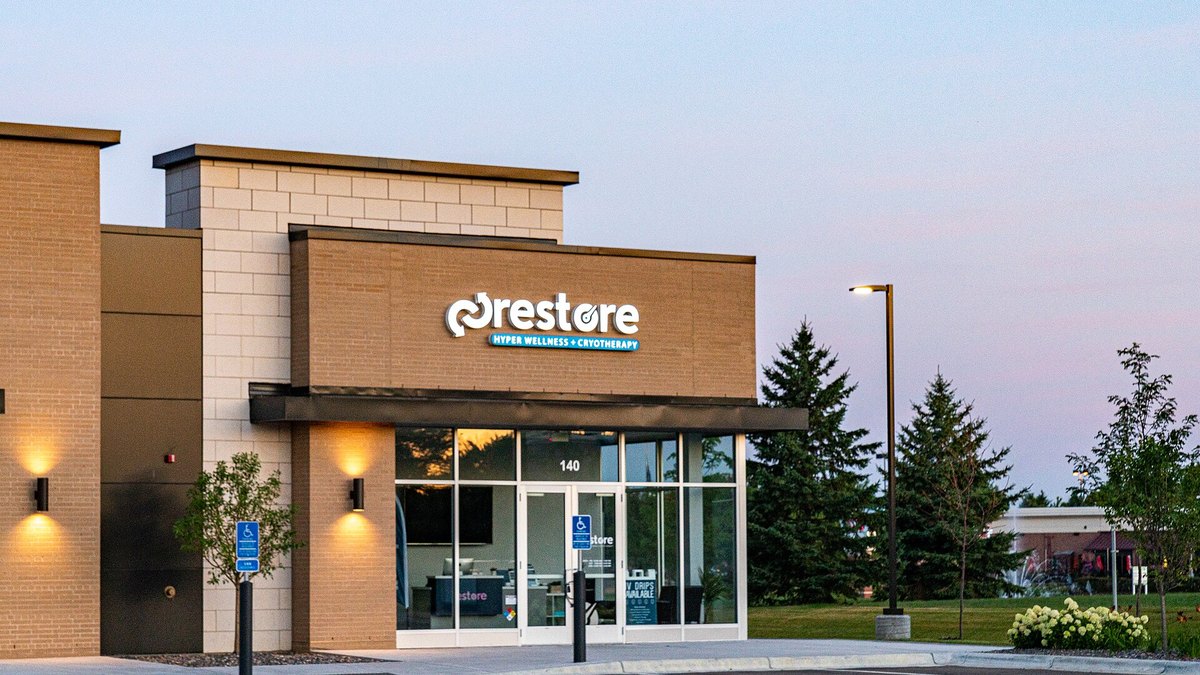
A sauna and cold plunge studio is a membership business built around a heated room, a cold pool and a booking system. Customers pay a monthly fee or buy a class pack for a set number of visits, and the studio earns most of its revenue from repeat use rather than one-off sessions. One public example, Tree City Plunge & Sauna in Boise, announced a drop-in price, capped and unlimited monthly tiers and a visit pack.
The steps are: pick a concept and price ladder, choose a location whose lease allows wet rooms and heavy electrical work, buy commercial-grade equipment, get the health-department approval your jurisdiction requires, and open with a booking and membership system that lets you track visits and cancellations. The cost is the part you must price yourself. The only franchise figure I could trace is a secondary article citing SweatHouz's 2026 disclosure document, which gives a total initial investment range of $631,798 to $1,314,102.
The biggest non-obvious risk is regulation. The Oregon Health Authority says a shared, recirculating, public cold plunge needs formal plan review, and the FTC expects health claims to be backed by scientific evidence. Check both before you sign a lease or write an ad.
Market context: what the published data says
No public source I could verify sizes the sauna and cold plunge studio category on its own. The nearest published data is the Global Wellness Institute's spa industry page, which estimates the world had 71,800 spa establishments earning $47 billion in 2007 and has grown to 201,861 spas earning $157 billion in 2024, a 7.4% annual revenue growth rate from 2007-2024.
The same institute's thermal and mineral springs page estimates 31,386 establishments worldwide with $72 billion in revenues, but notes those revenues include lodging and food. Both are broad bathing and spa categories, not contrast-therapy studios, so use them as proof the wider wellness-venue market is large, not as a forecast for your studio.
Concept and pricing models
Most studios choose one of three shapes: a sauna-only room, a sauna plus cold plunge pairing, or a full recovery studio with extra services. Restore Hyper Wellness's franchise site lists infrared sauna and cryotherapy among its services, which shows how a chain bundles heat and cold with other offerings.
Example only, not a recommendation: one new Boise studio's announced price ladder is a useful template for how to structure tiers.
- Drop-in$29
- 4 visits per month$69
- 8 visits per month$109
- Unlimited$169
- 10-pack$219
Those figures come from a June 11, 2026 announcement by Tree City Plunge & Sauna ahead of its opening, so they are a single studio's published prices, not a market average. The structure is the lesson: a single-visit price anchors value, capped visit plans suit casual users, an unlimited tier suits heavy users, and a pack serves people who will not subscribe.
Startup costs: equipment and franchise figures
Equipment is the one cost you can price from manufacturer pages. As an example, LIT Method's commercial chiller and heater lists a sale price of $3,699, runs on a standard 110 - 120V 60Hz outlet, cools water to 37°F and heats it to 107°F, and states it can be used in a commercial setting. The same page recommends changing filters weekly for commercial use, which is a running cost to budget for.
I could not retrieve list prices for commercial saunas from a manufacturer page, so request written quotes from several sauna makers and ask each for installation requirements and warranty terms for public use.
For a franchise benchmark, Crestmont Capital's article cites the 2026 SweatHouz disclosure document. It reports:
- Total initial investment$631,798 to $1,314,102
- Initial franchise fee$45,000
- Leasehold improvements$365,600 to $719,000
- Equipment package$108,887 to $238,502
- Royalty7% of monthly gross sales
- Brand fundapproximately 3% of monthly gross sales
Site selection and build-out
Before you sign a lease, confirm with the landlord and the local building department that the space can take wet rooms, a floor drain, heavy electrical service and extra ventilation. Specifics vary by jurisdiction and equipment, so get them in writing from a licensed electrician, a plumber and your inspector.
- Electrical. Sauna heaters and chillers have different requirements. The LIT Method chiller above lists a standard outlet at 850W input, but a commercial sauna heater will need its own circuit sized from the maker's manual and a licensed electrician.
- Plumbing and drainage. The Oregon Health Authority fact sheet lists perimeter deck that slopes to a floor drain and a lockable equipment room for recirculating public venues.
- Ventilation. Ask each sauna maker for its ventilation requirements for your room size and follow them; do not guess.
- Layout. Plan the path from sauna to plunge to shower, a place for customers to change, and a check-in desk, so the room supports your capacity limits.
Licensing, health and safety, and health-claim limits
There is no single national rule. The Oregon Health Authority says self-contained tubs drained after each user may be considered exempt from licensure, but a unit with a recirculation component that is shared between bathers and open to the public must go through formal plan review with the state or county. As of September 2025 it was not aware of any self-contained tubs that comply with all of its state requirements, and says even units labeled commercial are not built to its design and construction requirements.
That is one state's position. Your state or county may classify plunges differently, so call the local environmental health office before buying equipment and ask how it classifies saunas and cold plunges, what plans it needs and who inspects.
On marketing, the FTC's health products guidance says health-benefit and safety claims are expected to be backed by competent and reliable scientific evidence, and that anecdotal evidence, including consumer surveys, is never sufficient. Do not advertise that contrast therapy treats, cures or prevents any condition. Describe the experience, the equipment and the schedule instead.
Marketing and membership retention
Public benchmarks for acquisition cost or churn in this category are not published by a source I could verify, so this section gives methods, not numbers.
- Sell the price ladder. Use the single-visit price as an entry offer and move people into a capped plan, then the unlimited tier, as the example pricing above shows.
- Make booking frictionless. Let people book and cancel from a phone, and send reminders so empty slots are rare.
- Run a founding-member offer before opening. A pre-sale tells you whether local demand exists before you buy equipment.
- Keep claims factual. Describe temperatures, session length and amenities. Keep health claims within the FTC limits above.
- Reward habit. Track who visits weekly and reach out to members whose visits drop off, before they cancel.
KPIs to track
No source I found publishes target values, so define each metric and measure your own baseline from the first month:
- Active members and net member change. Count new sign-ups minus cancellations each month.
- Visits per member. Total visits divided by active members shows whether plans are being used.
- Capacity utilization. Booked slots divided by available slots for each time of day, so you can reprice or add classes in slow hours.
- Revenue mix. Share of revenue from memberships, packs and drop-ins.
- Cancellation rate and reason. Ask every departing member why.
- Equipment uptime and service cost. Log downtime and filter and water-care costs for each unit.
Questions people ask
How do sauna and cold plunge studios make money?
Mainly from memberships and visit packs, with drop-ins as an entry price. The Boise studio's published tiers include a drop-in, capped monthly plans, an unlimited plan and a pack.
How much does it cost to start one?
No independent benchmark exists. For a franchise, a secondary article citing the 2026 SweatHouz disclosure document gives $631,798 to $1,314,102 total initial investment. For an independent studio, build the budget from quotes.
Do I need a health department permit for a cold plunge?
It depends on where you are and how the plunge works. Oregon's health authority requires formal plan review for shared, recirculating, public units. Ask your local health department before you buy.
Can I advertise health benefits?
Only with proper evidence. The FTC expects health claims to be backed by competent and reliable scientific evidence and says consumer surveys alone are never sufficient.
Can I use a residential cold plunge in a commercial studio?
Check first. LIT Method says its system can be used in a commercial setting, but the Oregon fact sheet says even units labeled commercial may not meet its public-venue requirements.
Sources
- Global Wellness Institute: The Spa Industry · Spa establishments and revenue, 2007 and 2024
- Global Wellness Institute: Thermal/Mineral Springs · Springs establishments and revenue
- Tree City Plunge & Sauna pricing announcement (WBOC) · Example studio price tiers
- LIT Method commercial chiller · Example equipment price, power and commercial-use statement
- Crestmont Capital: SweatHouz franchise cost · Franchise figures citing the 2026 disclosure document
- Oregon Health Authority: cold plunge fact sheet · Public cold plunge plan review and requirements
- FTC: Health Products Compliance Guidance · Substantiation for health claims
- Restore Hyper Wellness franchise site · Example chain services
Figures were read from the linked pages on October 18, 2026. Prices are single examples, the franchise figures come from a secondary article, and no public benchmark was found for category size, churn or acquisition cost; measure your own.
Top photo: Tony Webster from Minneapolis, Minnesota, United States / CC BY 2.0 via Wikimedia Commons