How Do You Start a Tax Preparation Business in 2027?
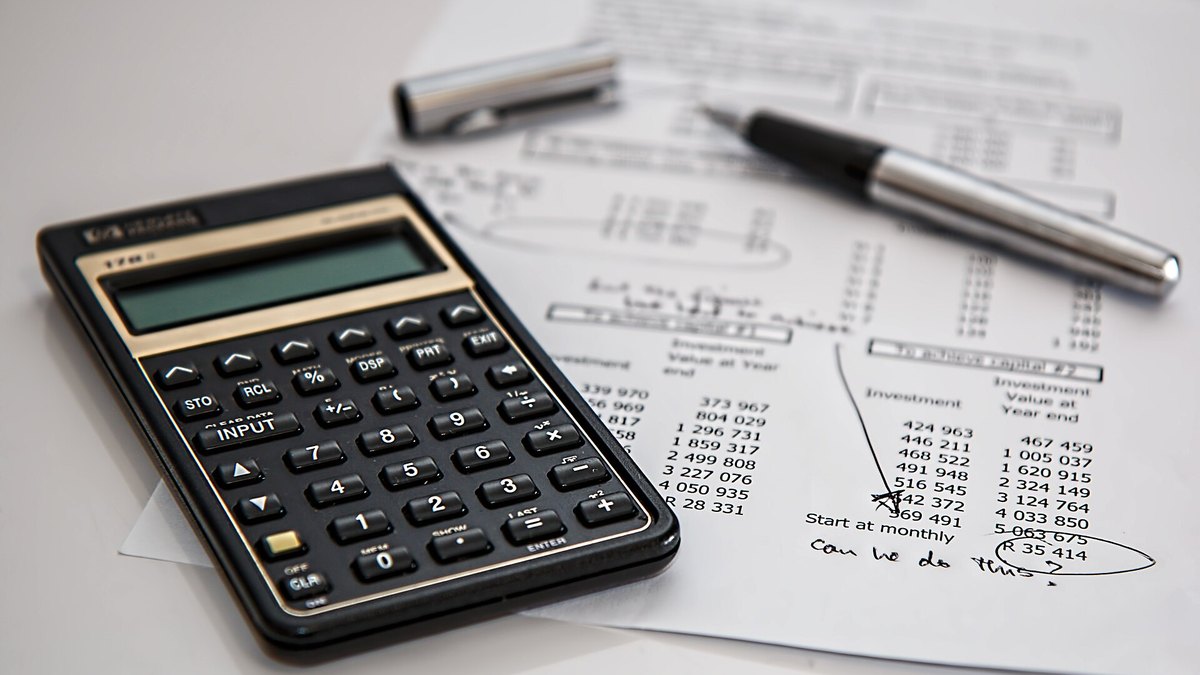
You start a tax preparation business by getting an IRS Preparer Tax Identification Number (PTIN), applying to become an authorized IRS e-file provider so you can file for clients, and then meeting any rules your state adds. The IRS says anyone who prepares or assists in preparing federal tax returns for compensation must have a valid 2027 PTIN before preparing returns; most first-time applicants can get one online in about 15 minutes for a fee of $18.75.
E-filing takes longer. The IRS e-file application can take up to 45 days from submission to approve, and includes a suitability check that may involve a credit check, a tax compliance check and a criminal background check (IRS). The IRS Annual Filing Season Program is voluntary, but it adds a public directory listing and limited representation rights.
Some states add their own rules: California, for example, requires non-exempt preparers to register with CTEC. No source read publishes startup costs or typical income, so none is given. This page is not legal or tax advice.
First, get a PTIN
- Who needs oneAnyone who prepares or assists in preparing federal tax returns for compensation, and all enrolled agents.
- Fee$18.75, non-refundable and non-transferable; renewals are also $18.75.
- TimeAbout 15 minutes online for most first-time applicants. The paper Form W-12 takes 6 weeks to process.
- TimingYou must have a valid PTIN for the year before preparing returns; the IRS is now processing 2027 PTINs and renewals.
Source: IRS PTIN requirements. The IRS PTIN FAQ says a PTIN is needed for preparing, or assisting in the preparation of, all or substantially all of any U.S. federal tax return, claim for refund or other tax form, and lists forms that are excepted, such as Form W-7 and Form 2848.
Become an authorized IRS e-file provider (EFIN)
The IRS says over 90 percent of all individual federal returns are now e-filed, so most preparation businesses need to e-file. The process has three steps:
- Access the application. The e-file application is in IRS e-services, under e-file provider services, and needs an account.
- Submit it. Supply firm details and information on each Principal and Responsible Official, and choose Electronic Return Originator (ERO) if you are a preparer who wants to e-file for clients. People who are not attorneys, CPAs or enrolled agents must be fingerprinted through the IRS authorized vendor; the scheduling tool lists Livescan locations within a 120-mile radius.
- Pass a suitability check. It may involve a credit check, a tax compliance check, a criminal background check and a check for prior non-compliance with IRS e-file requirements. If approved, the IRS sends an acceptance letter with your Electronic Filing Identification Number (EFIN).
Plan ahead: the IRS says it can take up to 45 days from the date of submission to approve an e-file application, so apply well before the filing season you want to work.
Optional: the Annual Filing Season Program
The IRS Annual Filing Season Program is voluntary and aimed at non-credentialed preparers. To earn the Record of Completion you take 18 hours of continuing education, including a six hour federal tax law refresher course with test, renew your PTIN, and consent to the obligations in Circular 230, Subpart B and section 10.51.
- Directory. Participants are listed in the IRS public Directory of Federal Tax Return Preparers with Credentials and Select Qualifications.
- Representation. Participants have limited representation rights: they can represent clients whose returns they prepared and signed, before revenue agents, customer service representatives and similar IRS employees.
- Without it. PTIN holders with no Record of Completion or other professional credential may only prepare returns; for returns prepared and signed after December 31, 2015, they cannot represent clients before the IRS.
Attorneys, CPAs and enrolled agents remain the only tax professionals with unlimited representation rights, according to the same IRS page.
State rules: the California example
Some states regulate paid preparers. California is one: CTEC says anyone who prepares tax returns for a fee in California and is not a California attorney, a CPA or accounting firm verified by the California Board of Accountancy, or an enrolled agent must register with CTEC by state law.
- EducationA 60-hour qualifying education course from a CTEC-approved provider; you must register within 18 months of completing it.
- BondA $5,000 tax preparer surety bond.
- BackgroundLive Scan fingerprints and a criminal background check; CTEC says its review typically takes 2 to 8 weeks.
- FeesA non-refundable $100 application fee plus a $2 processing fee, then registration fees at the end.
- TimingThe registration cycle for new preparers begins November 1 each year, and new applicants may not prepare returns for clients until registration is approved.
Check your own state's revenue department or preparer board for any similar rule before you take clients.
Business setup and startup cost
Register the business and any local licenses where you operate. The SBA says the licenses and permits you need from the state, county or city depend on your business activities and location, and that zoning ordinances can apply even to home-based businesses.
A realistic startup order
- First. Get or renew your PTIN for the coming year.
- Second. Check your state's preparer rules and complete any required education, bond and registration.
- Third. Apply for an EFIN early, allowing up to 45 days for approval.
- Fourth. Decide whether to earn the Annual Filing Season Program Record of Completion.
- Fifth. Register the business locally and set up your client intake before the filing season.
This order follows the requirements in the sources above; it is a checklist, not a guarantee of clients or income.
Questions people ask
Do I need a license to prepare taxes for money?
Federally you need a PTIN: the IRS says anyone who prepares or assists in preparing federal returns for compensation must have a valid PTIN. Some states, such as California through CTEC, add registration.
How much does a PTIN cost?
$18.75 for a new PTIN or a renewal, non-refundable (IRS).
How long does it take to get an EFIN?
The IRS says it can take up to 45 days from submission to approve an e-file application.
Is the Annual Filing Season Program required?
No. The IRS says it is voluntary; anyone with a PTIN can prepare returns for compensation.
Can I represent my clients in an IRS audit?
Only with the right credential. Annual Filing Season Program participants have limited representation rights for returns they prepared and signed, and attorneys, CPAs and enrolled agents have unlimited rights (IRS).
What does California require of tax preparers?
Non-exempt preparers register with CTEC: a 60-hour course, a $5,000 surety bond, a PTIN, Live Scan fingerprints and the application.
Sources
- IRS: PTIN requirements for tax return preparers · Who needs a PTIN, fee, timing
- IRS: Frequently asked questions: Do I need a PTIN? · Scope and excepted forms
- IRS: Become an authorized e-file provider · EFIN application, fingerprints, suitability check
- IRS: Annual Filing Season Program · Requirements, directory, representation rights
- CTEC: How to become a tax preparer in California · Education, bond, Live Scan, fees, deadlines
- SBA: Apply for licenses and permits · State and local licensing; zoning
Facts were read from the linked pages on November 17, 2026. IRS and state rules and fees change; confirm with the IRS and your state before you act. This is not legal or tax advice.
Top photo: Steve Buissinne / CC0 via Wikimedia Commons