How Do You Start a Vending Machine Business in 2027?
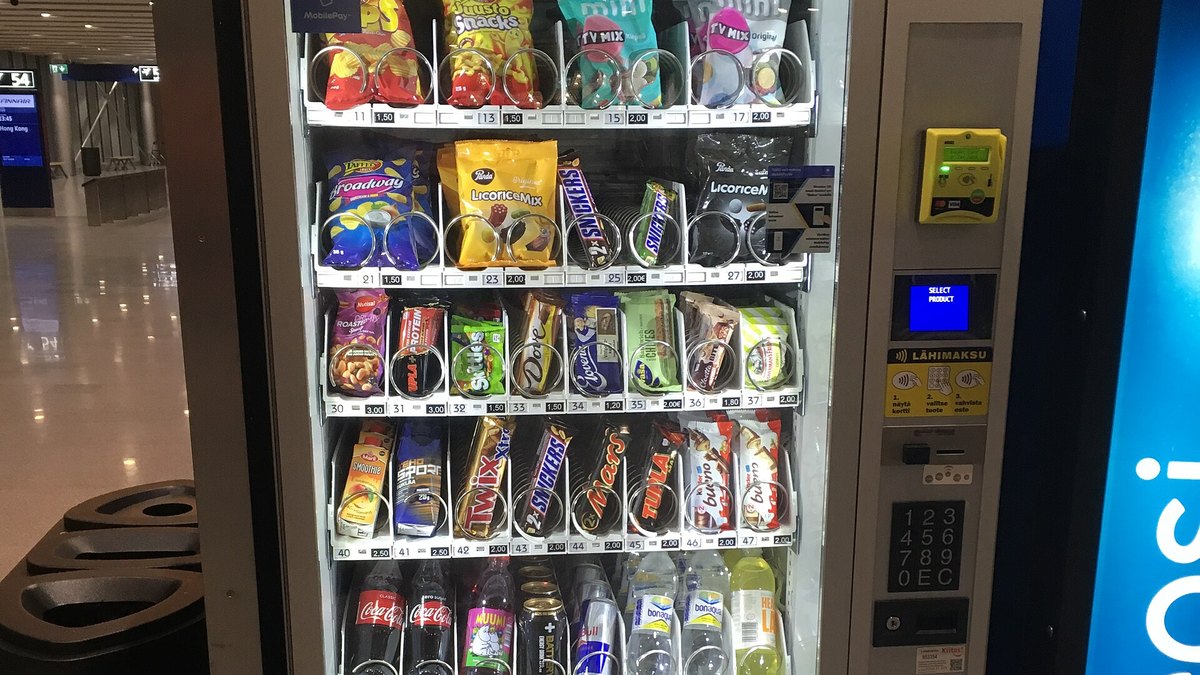
You start a vending machine business by choosing a model, buying or financing machines, winning permission to place them, getting the permits and sales-tax registration your state and city require, and then running a restocking route. The machine is the cheap part: the location agreement and your route discipline decide whether it works.
Machine prices vary a lot by seller. The same Seaga SM2300 combo machine is listed at $3,450 by one dealer (VMFS USA) and $2,474 by another (Gumball.com), so treat any price on this page as one example, not a quote. Cashless readers, a location commission, sales tax and a vehicle for restocking come on top.
The biggest risk before you spend anything is the sales pitch. The FTC warns about sellers who say they will help you set up a vending business, and says to wait for the required disclosure document. This page is not financial or legal advice; check your state and city rules and consider a local attorney before you sign or pay.
Pick a business model
Most new operators start with one of four models. Dealer category menus show how wide the field is: Gumball.com lists drink and soda machines, micro market vending, candy, gumball and toy machines, and even medical and cigarette machines.
- Snack and drink machines. Separate machines for each, the classic route.
- Combo machines. One cabinet with snacks and a cold drink section. The Seaga QB4000 listing, for example, shows 20 snack and candy selections and 8 drink selections in one machine.
- Micro markets. NAMA describes them as unattended retail environments where consumers handle products on shelves and in open coolers.
- Specialty machines. Candy, gumball, toy or other niche categories, as in the dealer menus above.
Which fits you depends on the locations you can get and the money you can tie up. Many new operators learn the process on a few standard machines before moving up to a micro market.
What a vending machine business costs to start
The only machine prices used here come from dealer product pages. They change, vary by seller and may exclude delivery, so confirm with the dealer.
- Seaga SM2300 combo, VMFS USA$3,450 sale price, listed regular price $5,020; 253-item refrigerated capacity
- Seaga SM2300 combo, Gumball.com$2,474 sale price, listed regular price $2,999
- Seaga QB4000 combo, AM Equipment Sales$4,295 sale price, listed original price $5,395
The same model costing different amounts is the lesson: shop several sellers, ask what is included, and check whether the reader, delivery and installation are extra. Sources: VMFS USA, Gumball.com, AM Equipment Sales.
Add the rest of your startup list yourself: inventory, a vehicle, business registration, insurance and a cushion for repairs. The SBA notes that licensing and tax requirements vary by place, so price your own state and city.
Cashless payment readers
Cashless is expected on most machines. Dealer Vending1000 lists a Nayax Onyx reader at $425 and says the Nayax service fee is $9.95 to $14.95 per month depending on services, with processing fees of $0.08 for debit and 2.5% to 5.95% for other payment methods depending on product price.
Cantaloupe offers purchase, financing, or a bundled plan with $0 upfront costs and fixed monthly bundled fees, but its pricing page does not publish reader prices, so you have to ask for a quote. Compare monthly fees and per-sale rates, since low-priced snacks make percentage fees matter. Dealer VMFS USA lists a Seaga credit card reader upgrade at $550.
Find locations and agree commissions
A machine earns nothing until it is somewhere with steady foot traffic: offices, warehouses, gyms, schools, apartment complexes, waiting rooms. Ask the property manager, explain what you will stock and how often you will service it, and put the deal in a written agreement.
VendingExchange says commission rates vary but usually range from 5% to 20% depending on location type and sales volume, and advises making sure commissions are based on net sales, not gross. It also recommends an exclusivity clause that prohibits competing machines during the term, and says a 12- to 36-month initial term with auto-renewal or negotiation clauses gives placement stability. It notes the operator typically covers repairs unless damage was due to property negligence.
Licenses, permits and sales tax
The SBA says most small businesses need a combination of licenses and permits from both federal and state agencies, that what you need depends on your business activities, and that local governments determine registration, licensing and permitting requirements. It also says income, sales, property and corporate taxes vary significantly from place to place. Start there, then call your state revenue agency and city or county offices.
Vending sales tax rules differ by state. In Washington, the Department of Revenue says the person who owns the machine should report and pay the tax, that hot food and soft drinks are subject to sales tax, and that gross receipts are subject to retailing B&O tax. It also says candy and bottled water are taxed on 57% of gross receipts when sold through a vending machine.
Colorado differs: its Department of Revenue says vending food is generally exempt from state sales tax, with exceptions such as candy and soft drinks, and that the city and county exemption applies only where the local government adopts it. Your state will have its own rules, so check its revenue agency, not these examples.
Food safety and calorie labeling
The FDA lists disclosing calorie information for foods sold in vending machines operated by a person owning or operating 20 or more machines, subject to certain exceptions. It says calorie information may be placed on a sign such as a small placard, sticker or poster, and electronic or digital displays may also be used. State and local health rules can apply whatever your machine count.
Check with your local health department about food permits, storage and cold-holding rules before you stock refrigerated items.
Restocking and route economics
No source cited here publishes typical profit margins, so none are given. Instead, here is a method to work out your own numbers before you scale:
- Track each machine. Record what was stocked, what sold and what spoiled at every visit.
- Know your unit costs. Wholesale cost of each item against its selling price, after card fees and sales tax.
- Subtract location costs. The commission you agreed, on the net or gross basis your contract names.
- Count route time and fuel. A machine far from the others can cost more to service than it earns.
- Cut the slow items. Replace products that do not sell, and move machines that underperform.
Cash and card reconciliation, extra trips for stock-outs and downtime from a broken machine all lower real earnings, so measure before you expand.
Scams and bad deals to avoid
The FTC gives a company offering to help you set up a vending business as an example of a possible business opportunity pitch. It says sellers must give the disclosure document at least seven days before you sign a contract or pay anything, that you should get written proof of any earnings claim, and that if a seller does not provide the information they must, you should walk away. It also warns that an inconsistency between the pitch, the document and what other buyers say can be a sign of a rip-off, that no complaints does not mean a company is legitimate, and that scammers may post phony testimonials.
The FTC's Business Opportunity Rule page says the rule requires sellers to give buyers specific information to help them evaluate the opportunity. Verify any seller independently, and be wary of anyone promising guaranteed locations or income.
Questions people ask
How much does it cost to start a vending machine business?
It depends on how many machines and which kind. The new combo machines listed in this guide run from $2,474 to $4,295, and the same model is priced differently by different sellers. Add readers, inventory and permits. Sources: VMFS USA, Gumball.com, AM Equipment Sales.
Do I need a license to run vending machines?
Usually some registration or permit applies, but it depends on your state, county and city. The SBA says local governments determine registration, licensing and permitting requirements.
Do I have to charge sales tax on vending sales?
It depends on the state and the product. Washington's Department of Revenue says the machine owner reports and pays the tax, while Colorado's Department of Revenue says vending food is generally exempt from state sales tax with exceptions.
Does the FDA calorie rule apply to me?
The FDA lists calorie disclosure for foods sold in vending machines operated by a person owning or operating 20 or more machines, subject to certain exceptions.
Is a micro market better than a vending machine?
They are different formats. NAMA describes a micro market as an unattended retail environment where consumers handle products on shelves and in open coolers. It suits locations with enough steady traffic; start from the location, not the format.
How do I spot a vending business opportunity scam?
Wait for the disclosure document, get any earnings claim in writing and walk away if the seller will not provide the required information, per the FTC.
Sources
- FTC: Bogus Business Opportunities · Disclosure document timing, earnings claims, red flags
- FTC: Business Opportunity Rule · What the rule requires of sellers
- FDA: Labeling requirements for restaurants and vending machines · Calorie disclosure for operators of 20 or more machines
- SBA: Apply for licenses and permits · Federal, state and local licensing
- Washington Department of Revenue: Vending machines · Example state sales tax rules
- Colorado Department of Revenue: Vending machines · Example state sales tax exemption
- VMFS USA: Seaga SM2300 · Machine price and card reader upgrade
- Gumball.com: Seaga machines · Machine prices and machine categories
- AM Equipment Sales: Seaga QB4000 · Machine price and selections
- Vending1000: Nayax cashless readers · Reader price and Nayax fees
- Cantaloupe: Pricing · Reader purchase, finance and bundled options
- NAMA: Micro Markets · Micro market definition
- VendingExchange: Location agreements · Commission, exclusivity and term
Figures were read from the linked pages on October 18, 2026. Prices are single dealer listings and change; fees and commissions are as published by those sources. This is not financial or legal advice.
Top photo: Eric Fischer / CC BY 2.0 via Wikimedia Commons