How Do You Start a Water Well Drilling Business in 2027?
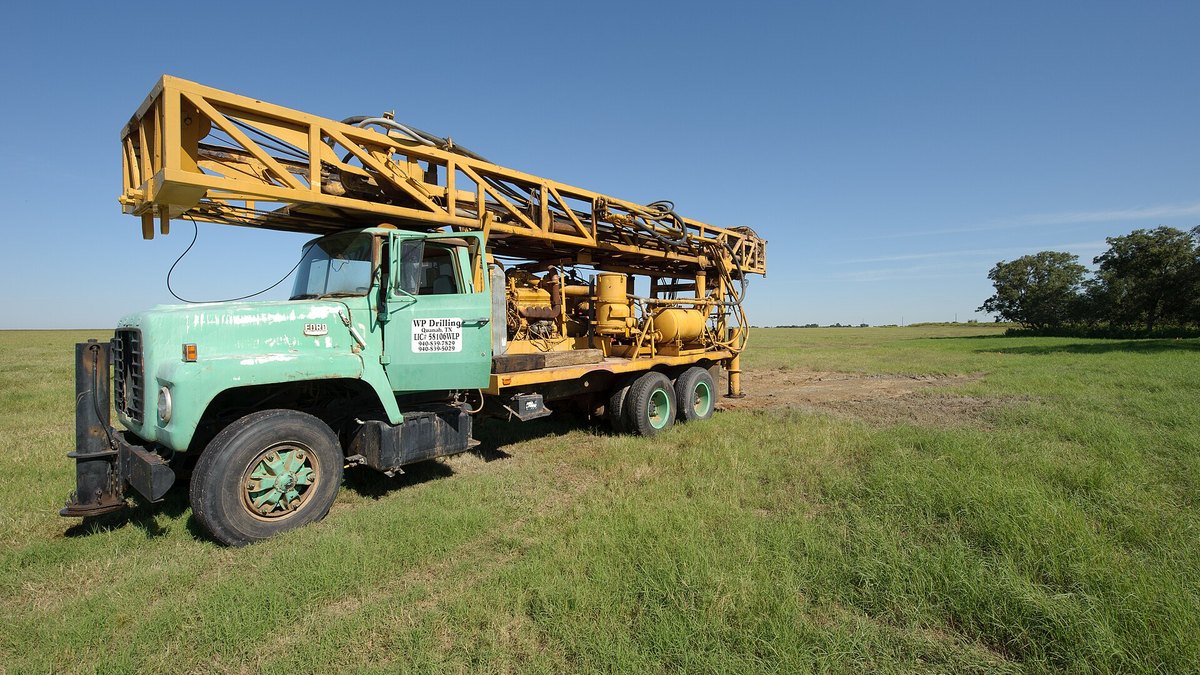
You start a water well drilling business by getting the driller (and, if you set pumps, pump installer) license your state requires, building the supervised experience that license calls for, and checking local permit rules before each job. Well drilling licensing is set by each state; this page uses Texas as the worked example.
Texas in short. The Texas Department of Licensing and Regulation (TDLR) says a license is required to drill a water-related well in Texas and to install a pump for one (TDLR At a Glance). Applicants need at least 2 years of relevant experience under a licensed driller or pump installer and must pass the General Exam before any license or endorsement is issued.
The TDLR pages read for this page do not state rig costs, insurance needs or typical income, so none is given. This page is not legal advice; confirm current rules with TDLR.
Know who regulates what
TDLR regulates private water well drilling and pump installation, while the Texas Commission on Environmental Quality regulates public water supply well construction. No site permits are required at the state level to drill a water well, but permits or well registrations may be required by local ordinances or groundwater conservation districts.
- Well driller license. For drilling water-related wells.
- Pump installer license. For installing pumps in water-related wells.
- Combination license. Covers both drilling and pump installation.
- Apprentice registration. For people at least 18 years old working under a licensee who has been licensed in Texas for at least two years.
Build the experience and endorsements
You must show a minimum of 2 years of relevant experience under the supervision of a licensed driller or pump installer, documented on the Experience Verification Form completed by your supervisor or in a supervisor's letter (TDLR). Each endorsement also requires a set number of qualifying jobs:
- Water Wells (W)15 qualifying drillings
- Monitor, Injection, Dewatering, Closed Loop Geothermal50 qualifying drillings each
- Pump endorsements (P, K, T, windmill)15 qualifying installations each
- Adding an endorsement later$25 per endorsement
TDLR's apply page says the Master Driller (A) and Master Installer (I) licenses require all of the endorsements above (TDLR).
Apply and pass the exam
Submit the Well Driller and or Pump Installer License Application with the non-refundable fee: $430 for a well driller, $430 for a pump installer, or $650 for a combination license (TDLR). After your application is received and your credentials are verified, TDLR notifies you that you are approved to take the licensing exam.
If you have a criminal conviction or deferred adjudication other than a minor traffic violation, include a Criminal History Questionnaire. TDLR says a criminal history review can take from one to six weeks (TDLR).
Renewals and continuing education
A driller or installer license is valid for two years from the date of issue, and TDLR mails renewal notices about 60 days before expiration (TDLR renewal). The renewal fee for a well driller license is $430.
Each two-year cycle requires 8 hours of continuing education, including 1 hour on the Texas water well driller and pump installer laws and rules (TDLR CE).
A person whose license has expired may not legally offer well drilling or pump installation services in Texas. After three years expired, you must apply for a new license and take the exam again (TDLR renewal).
Questions people ask
Do you need a license to drill water wells in Texas?
Yes. TDLR says a license is required to drill a water-related well in Texas and to install a pump for one (TDLR At a Glance).
How much experience do Texas well drillers need?
A minimum of 2 years of relevant experience under the supervision of a licensed driller or pump installer (TDLR).
How much is a Texas water well driller license?
The application fee is $430 for a well driller, $430 for a pump installer and $650 for a combination license (TDLR).
Do you need a state permit for each well?
No state-level site permit is required, but local ordinances or groundwater conservation districts may require permits or registrations (TDLR At a Glance).
How much continuing education do Texas well drillers need?
8 hours each two-year renewal cycle, including 1 hour on Texas laws and rules (TDLR CE).
Sources
- TDLR: Apply for a New Water Well Driller and/or Pump Installer License · Experience, endorsements, fees, exam, criminal history
- TDLR: Water Well Drillers & Pump Installers At a Glance · Who must be licensed, permits, apprentices
- TDLR: Renew a Water Well Driller and/or Pump Installer License · License term, renewal notices, expired licenses
- TDLR: Water Well Drillers and Pump Installers Continuing Education · Eight-hour renewal requirement
Facts were read from the linked pages on November 23, 2026. Licensing rules and fees change; confirm with the Texas Department of Licensing and Regulation before you start. This is not legal advice.
Top photo: USDA NRCS Texas / Public domain via Wikimedia Commons