How Do You Start an Electrical Contracting Business in 2027?
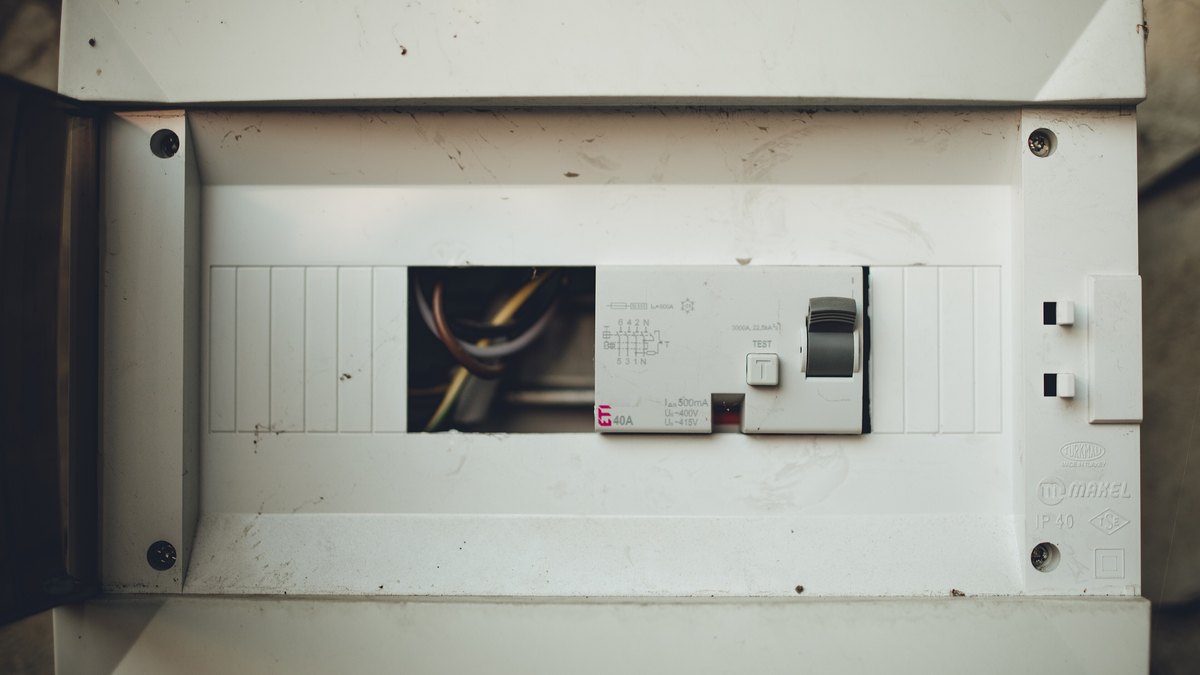
You start an electrical contracting business by getting the contractor license your state requires, employing a licensed master electrician, and carrying the insurance the state sets. Electrical licensing is set by each state; this page uses Texas as the worked example.
Texas in short. The Texas Department of Licensing and Regulation says anyone who performs, or offers to perform, non-exempt electrical work in Texas must be licensed and perform that work through a licensed electrical contractor (TDLR). To apply for an Electrical Contractor license you must employ a licensed Master Electrician, who may also be the owner; the application fee is a non-refundable $110, and the business must carry at least $300,000 per occurrence and $600,000 aggregate in liability insurance (TDLR).
No source read for this page publishes typical startup costs or income, so none is given. This page is not legal advice; confirm current rules with your state licensing agency.
What an electrical contractor license covers
TDLR says electrical contractors are licensed to engage in the business of designing, installing, erecting, repairing or altering electrical wires or conductors used for light, heat, power or signaling. That includes ducts, raceways and conduits that hold the wires, and electrical machinery, apparatus or systems used for light, heat, power or signaling.
TDLR also licenses Electrical Sign Contractors and Residential Appliance Installation Contractors as separate business licenses (TDLR). Pick the one that matches the work you will sell.
The Master Electrician of record
You cannot get the contractor license without a Master Electrician on the business (TDLR).
- One master per contractor. A Master Electrician may be assigned to only one Electrical Contractor, unless the Master Electrician owns more than 50 percent of the business.
- The owner can be the master. The Master Electrician may also be the business owner.
- If the master leaves. You must notify TDLR and name a new Master Electrician of record within thirty business days of the separation.
To qualify as a Master Electrician yourself, TDLR requires a Journeyman Electrician license held for at least two years and 12,000 hours of on-the-job training under a Texas-licensed Master Electrician, documented on Experience Verification Forms signed by each supervisor. Journeyman Industrial Electrician experience does not count. The Master Electrician application fee is a non-refundable $45, and you take the licensing exam after the application is approved.
Insurance you must carry
TDLR sets these minimum business liability limits for electrical contractors:
- Per occurrence$300,000, combined for property damage and bodily injury.
- Aggregate$600,000, the total the policy will pay for property damage and bodily injury.
- Products and completed operations$300,000 aggregate.
Proof goes on the Electrical Contractor Certificate of Insurance Form with your application. You must also send proof of workers' compensation insurance, a certificate of authority to self-insure, or a statement that you have elected not to carry workers' compensation; if you opt out, you file an online notice of no coverage with the Texas Department of Insurance.
Application, fee and background check
Mail the Electrical Contractor or Electrical Sign Contractor License Application with the non-refundable $110 fee to TDLR in Austin (TDLR). Electrician licenses are valid for one year from issuance and must be renewed every year; renewals can be done online.
TDLR runs a criminal history background check, including fingerprinting, on everyone who applies for or renews a license. Anyone with a conviction other than a minor traffic violation sends a Criminal History Questionnaire, and a review can take from one to six weeks.
Licensing the people you hire
Every person doing electrical work for the business needs their own license. The two entry levels read for this page:
- Apprentice ElectricianWorks under a Master Electrician, Journeyman Electrician or Residential Wireman. No experience or exam required; non-refundable $20 fee.
- Journeyman ElectricianWorks under the general supervision of a Master Electrician. 8,000 hours of on-the-job training required (7,000 lets you sit the exam early); non-refundable $30 fee.
Sources: TDLR apprentice page and TDLR journeyman page.
Questions people ask
Do I need a license to start an electrical contracting business in Texas?
Yes. Anyone who performs or offers non-exempt electrical work in Texas must be licensed and work through a licensed electrical contractor (TDLR).
Do I have to be a master electrician to own an electrical contracting company?
No, but the business must employ a licensed Master Electrician to apply for the Electrical Contractor license. The master may also be the owner (TDLR).
How much does a Texas electrical contractor license cost?
The application fee is a non-refundable $110, and the license is valid for one year (TDLR).
How much insurance does a Texas electrical contractor need?
At least $300,000 per occurrence, $600,000 aggregate, and $300,000 aggregate for products and completed operations (TDLR).
How many hours does it take to become a master electrician in Texas?
12,000 hours of on-the-job training under a Texas Master Electrician, plus a Journeyman Electrician license held for at least two years (TDLR).
Sources
- Texas Department of Licensing and Regulation: Electricians · Who must be licensed
- TDLR: Apply for a New Electrical Contractor License · Master of record, insurance, fee, background check
- TDLR: Apply for a New Master Electrician License · Experience, fee, exam
- TDLR: Apply for a New Journeyman Electrician License · Training hours and fee
- TDLR: Apply for a New Apprentice Electrician License · Entry-level license and fee
Facts were read from the linked pages on November 18, 2026. Licensing rules, fees and insurance minimums change; confirm with your state agency before you start. This is not legal advice.
Top photo: Shixart1985 / CC BY 2.0 via Wikimedia Commons