Should You Publish SaaS Pricing or Gate It Behind Contact Sales in 2027?
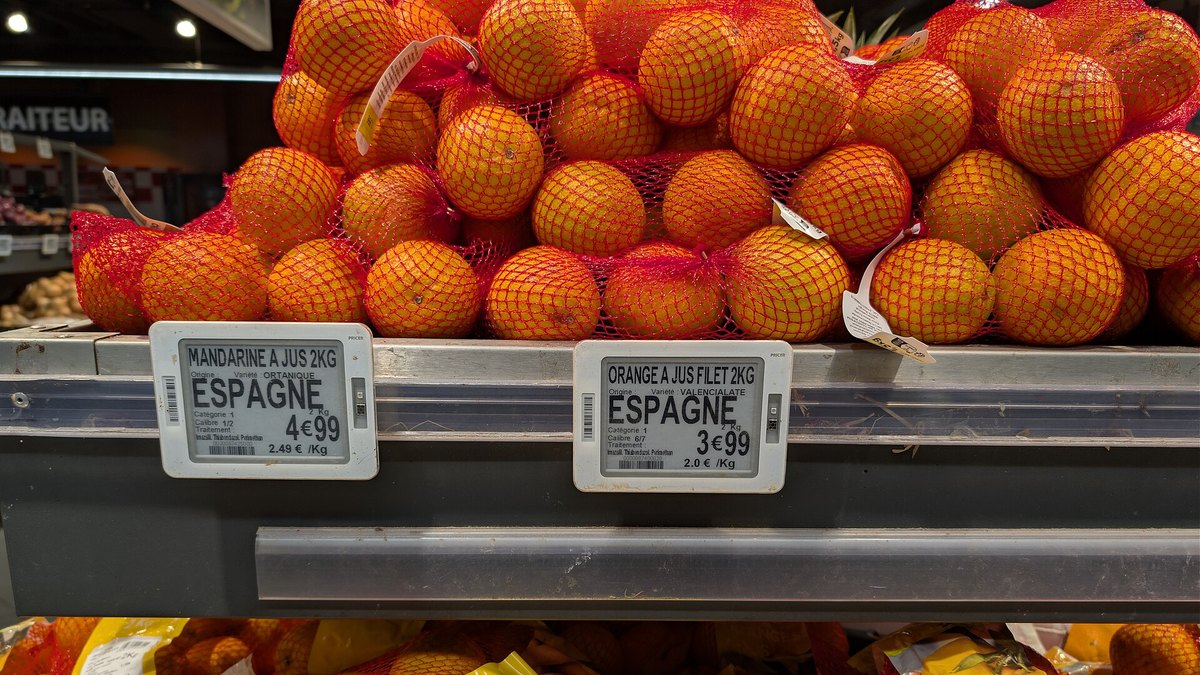
Judgment, by deal type: publish your prices when a buyer can start without talking to anyone, meaning self-serve or product-led plans, per-seat or usage pricing, small teams and short sales cycles. Put the price behind Contact Sales only when the number truly depends on scope, meaning custom deployments, negotiated multi-year contracts, security and compliance requirements, or very large volumes. For everything in between, and for most vendors who sell to both kinds of buyer, use the hybrid: publish the plans and the starting price, and keep only the top tier custom.
The published evidence points the same way, with limits. Forrester (October 3, 2023, more than 18,000 business buyers) told providers to "offer price transparency up front". TrustRadius (2024) found self-serve information such as demos and pricing mattered less to enterprise buyers, and said enterprise products often carry custom pricing. G2 (August 28, 2025) found that only 4% of its product profiles list prices. None of these sources measures how much revenue a company gains or loses by publishing, so the recommendation above is my reading, not a proven rule.
When publishing your pricing helps
Public pricing earns its keep when the purchase decision starts with the buyer, not the seller. In that situation a price on the page is one of the first things a buyer looks for, and its absence is a reason to move on.
- TrustRadius 2024 buyer survey (March 2024, 2,164 technology buyers)Self-serve information like demos and pricing was the most important factor for 19% of buyers evaluating a product on a review site, up from 13% in 2023.
- Forrester 2023 B2B Buyers' Journey Survey (October 3, 2023)Forrester said providers need to offer price transparency up front, based on responses from more than 18,000 global business buyers.
- G2, August 28, 2025G2 wrote: "If a product doesn't show pricing, it may never be seriously evaluated." It also said buyers facing contact-sales buttons often jump between vendor sites, review sites and forums just to estimate cost.
Read these with care. The TrustRadius figure is a combined category (demos and pricing together), and the G2 lines are the publisher's own argument, written by a company that is building a price-estimate feature. They show what buyers and analysts say they want, not a measured lift in your pipeline.
Judgment: publish when your sales cycle is short, your plans differ by a few clear variables (seats, usage, features), and a rep adds little to the first conversation. A public price also filters: buyers who cannot afford you leave before they take a call, which protects your sales team's time.
When Contact Sales fits
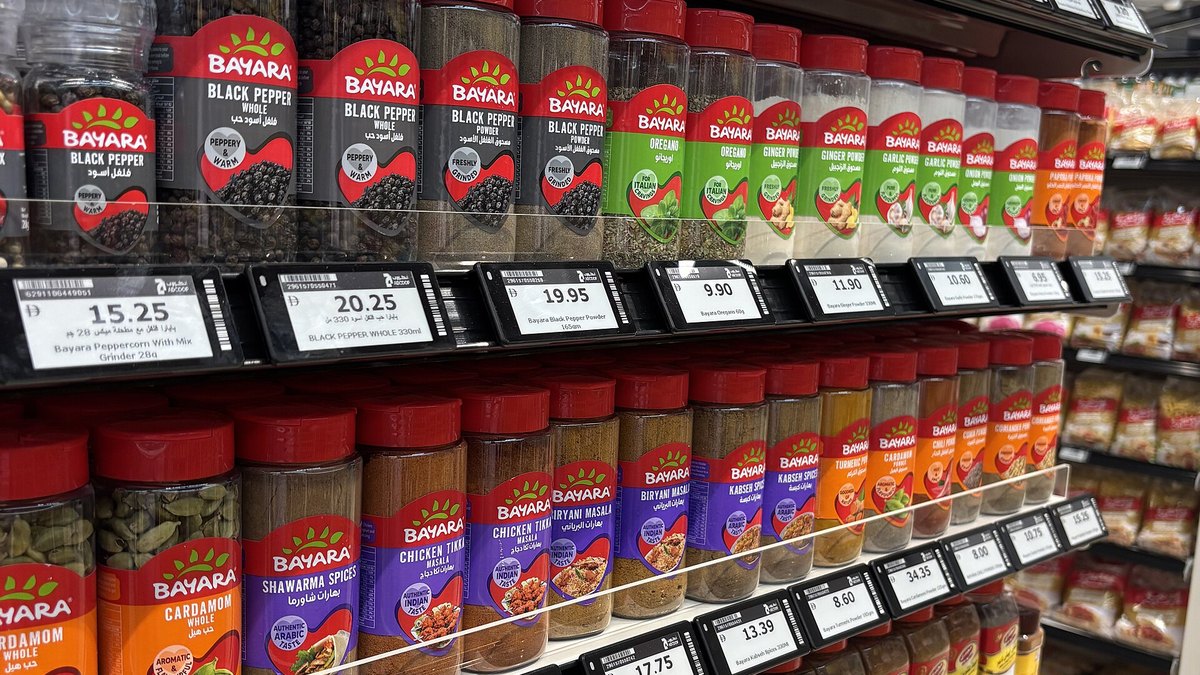
Hiding the number is defensible when the number is not one number. TrustRadius said in its 2024 report that enterprise products are often complex software offerings with custom pricing, so transparent pricing is less likely to exist for them. In the same report, self-serve information such as demos and pricing was the most important factor for 15% of enterprise buyers, against 19% for buyers overall.
G2 describes why vendors keep prices private. Many view pricing as a strategic asset and fear giving rivals an advantage, and some worry that a full cost shown without context may scare off buyers who do not yet understand the product's value.
Judgment: gate the price when it depends on scope you cannot show on a page, such as integrations, data volume, deployment model, regulated-industry requirements or a negotiated term. Be honest about the cost of the gate: G2 argues buyers who hit a contact button without a price may drop the vendor from consideration, and you will never see those visits. If you gate, give the buyer something concrete on the page, such as what drives the price, who the product is for, and how fast you reply.
The hybrid approach: public starting price, custom enterprise
Large vendors in this category mostly do not pick one side. The four pricing pages below were read on November 5, 2026, and prices on them change.
- Slack: Pro is listed at $7.25 per user per month and Business+ at $15 per user per month, both when paying annually. Enterprise+ is also shown, at $45 per user per month when paying annually, with a Contact Sales button instead of a checkout.
- Salesforce Sales Cloud: lists Starter Suite at $25, Pro Suite at $100, Core at $195 and Advanced at $395 per user per month, and has a currency converter. The page also says: "Contact a sales representative for detailed pricing information."
- Datadog: calls its pricing "Flexible, transparent pricing designed to scale with your business", offers a free trial, and says multi-year and volume discounts are available (500+ hosts per month) through a Contact Us button.
- Snowflake: describes a consumption-based pricing model with a pricing calculator, and sends buyers to Get Started on its Standard, Enterprise and Business Critical editions. Its Virtual Private Snowflake option, the most isolated environment, has a Talk to Sales button.
The pattern is consistent: the public part answers "roughly what will this cost me?" and the private part handles the case where the price is genuinely negotiated.
Judgment: the hybrid is the default I would start from. Publish a price or a range for every tier a buyer can reasonably self-select, label the custom tier clearly as custom, and say what changes it (volume, term, support level). Avoid a bare "Contact us" next to your most common plan. For how many tiers to show, see how many pricing tiers B2B SaaS should have.
What buyers say
Three sources are worth reading directly, and they differ more in emphasis than in direction.
- Forrester (October 3, 2023): Amy Hayes, VP and research director, said in the press release that buyers expect price transparency and providers to meet their preferences across all stages of the purchase journey. The release links it to buying decisions being delayed by budget constraints and economic uncertainty.
- TrustRadius (2024 report): based on 2,164 technology buyers surveyed in March 2024, self-serve information such as demos and pricing rose from 13% to 19% as the top evaluation factor on review sites. For enterprise buyers it was 15%, and the report links that to the lower availability of public pricing for complex enterprise products.
- G2 (August 28, 2025): an internal audit found that only 4% of G2 product profiles explicitly list prices, over 9,300 profiles as of March 2025, and that more than 2,300 profiles show non-numerical pricing with calls to action like "contact us". G2 sells price-estimate features, so treat its conclusions as an interested party's.
Many blog posts repeat sharper percentages about buyers dropping vendors that hide pricing. I could not trace those to a primary report, so none are used here. Gartner's newsroom also blocked automated reading when I tried, so this page makes no Gartner claim.
How to test it
Judgment: do not decide this in a meeting. The buyers who matter are your own, and a test costs a few weeks of page changes.
- Pick one scope: a single plan, region or segment. Do not change every page at once, or you will not know what moved the numbers.
- Decide the metrics before you start: qualified demo requests, share of those that match your target customer, win rate, average deal size, sales cycle length and discounting. Raw traffic is not a result.
- Run it for a full sales cycle: an early rise in sign-ups tells you little if the deals close months later. Compare against the same period and the same channels.
- Listen to the calls: ask reps and lost-deal interviews whether the first call started with price questions or with fit questions. Fewer price surprises is the signal you want.
- Watch the sales team, not only the page: if reps are discounting from the public number every time, the published price is wrong, not the strategy.
If results are flat, the tidy answer is the hybrid: a public starting price plus a custom top tier costs little and keeps your options open.

What the public sources do not tell you
No source read here gives a controlled comparison of public versus gated pricing, a measured conversion difference, or a deal-size threshold where gating starts to pay. The newest sources date from 2025 and 2026, and none speaks to 2027. Treat the figures as signals about buyer attitudes, test on your own funnel, and keep the vendors above as examples of structure, not proof of results.
Questions people ask
Should B2B SaaS companies publish their pricing?
Judgment: yes for self-serve and short-cycle products, and as a starting price for everything else. Forrester told providers in October 2023 to offer price transparency up front, but no source read here proves it raises revenue.
When does Contact Sales make sense?
When the price depends on scope that a page cannot show. TrustRadius says enterprise products are often complex offerings with custom pricing. Even then, state what drives the price.
Can I publish a starting price and still negotiate enterprise deals?
Yes. Slack, Salesforce, Datadog and Snowflake each publish prices or a pricing model while sending their largest or most custom buyers to sales, as shown on their pricing pages read on November 5, 2026.
Will competitors use my public pricing against me?
They can. G2 reports that many vendors view pricing as a strategic asset for exactly that reason. A hybrid limits the exposure by keeping custom terms private.
How do I test public pricing?
Change one segment, set your metrics first, and run it for a full sales cycle. Compare qualified demo requests, win rate, deal size, cycle length and discounting against the same period.
Sources
- TrustRadius: 2024 B2B Buying Disconnect Report (survey March 2024) · Pricing and demos as a review-site factor, enterprise custom pricing
- Forrester: 2023 Global B2B Buyers' Journey Survey press release (October 3, 2023) · Price transparency recommendation, more than 18,000 buyers
- G2 Learn: Is B2B Software Pricing Transparency Broken? (Sudipto Paul, August 28, 2025) · Share of G2 profiles listing prices, why vendors hide pricing
- Slack pricing page (read November 5, 2026) · Public per-user prices with a Contact Sales enterprise tier
- Salesforce Sales Cloud pricing page (read November 5, 2026) · Public edition prices, currency converter, contact line
- Datadog pricing page (read November 5, 2026) · Public pricing with volume and multi-year discounts via Contact Us
- Snowflake pricing page (read November 5, 2026) · Consumption pricing model, Talk to Sales for Virtual Private Snowflake
Publish a clear starting price, keep only genuinely custom terms behind Contact Sales, and test the change on one segment for a full sales cycle before you roll it out.
Top photo: Andy Li / CC0 via Wikimedia Commons