How Does the Sneaker Resale Market and Authentication Work in 2027?
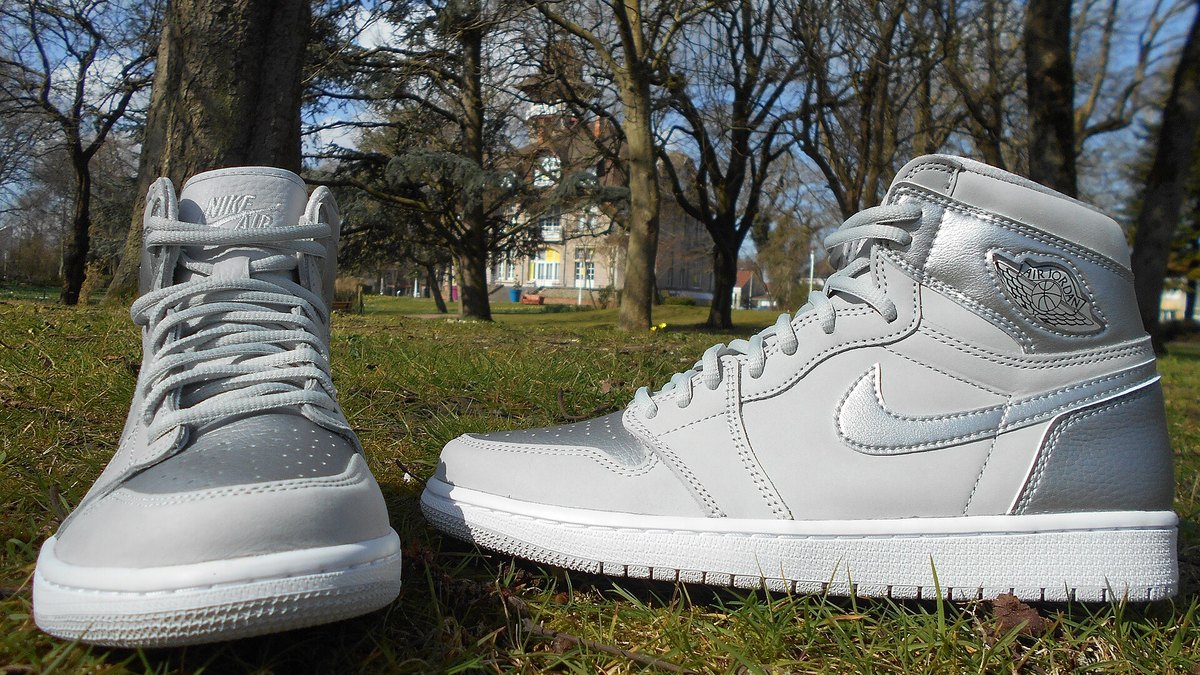
Sellers are mostly individual resellers and consignors who list pairs on a marketplace. Authenticators are the marketplaces themselves: StockX has sellers ship the pair to its Verification Center, GOAT and eBay run their own inspection programs, and the retail consignment shops Flight Club and Stadium Goods check pairs they take in. Buyers pay the listed price, plus shipping, and sometimes a processing or authentication charge, while the seller pays a commission. On StockX the published transaction fee runs from 7% to 9%, depending on seller level, plus a 3% payment processing fee (StockX help). On GOAT the commission is 9.5% for a seller in good standing, plus a seller fee (GOAT fee policy).
How big the market is depends on who is counting. Two research firms give estimates of $6 to 8 billion for 2024 and $10.6 billion for 2025, and neither explains its method in full. This page is general information. It is not investment advice, it does not predict resale prices, and it does not tell anyone to buy or sell anything.
The marketplaces: who owns what
- StockXFounded in 2015 and launched in 2016 in Detroit; its Wikipedia entry lists it as a private company and reports a $3.8 billion valuation in an April 2021 funding round (Wikipedia). Current ownership was not checked here.
- GOAT and Flight ClubGOAT Group owns the GOAT marketplace and the consignment retailer Flight Club, which merged about a year before Foot Locker's $100 million strategic investment announced on Feb. 7, 2019 (Retail Dive). Whether that stake is still held was not confirmed.
- Stadium GoodsFarfetch agreed to buy it for $250 million in 2018 (TechCrunch). Farfetch later came under the control of Coupang (Wikipedia), and Stadium Goods closed its New York store in January 2025 to focus on digital channels (Hypebeast). Check its current ownership before relying on this.
- eBayA general marketplace, not a sneaker specialist. It added sneaker authentication through its Authenticity Guarantee program (eBay).
The split matters because the businesses work differently. StockX, GOAT and eBay are marketplaces: sellers list, a buyer pays, and the seller ships the pair for inspection. Flight Club and Stadium Goods began as consignment shops, which take pairs from sellers and sell them from a store or site. Flight Club reopened its Los Angeles store in July 2022, according to a PR Newswire release.
Seller fees, from each marketplace's own pages
- StockXVerified Marketplace: 3% payment processing plus a transaction fee by seller level, 9% at Level 1, 8.5% at Level 2, 8% at Level 3, 7.5% at Level 4 and 7% at Level 5. Levels depend on quarterly sales: 12 sales or $1,500 for Level 2, 40 or $5,000 for Level 3, 200 or $25,000 for Level 4, 800 or $100,000 for Level 5. The minimum seller fee is $5.00 in the United States (StockX help).
- GOAT9.5% commission (12.4% for Canadian sellers) plus a seller fee, which is $0 for a United States drop-off and $5 for prepaid shipping. The commission rises to 15%, 20% or 25% as a seller's rating falls with cancellations. Cashing out by ACH or PayPal carries a 2.9% fee, and the policy says it was last updated Aug. 1, 2026 (GOAT fee policy).
- eBaySneakers sold for over $150 pay an 8% final value fee on the total amount of the sale, with no per-order fee (eBay seller fees). Fees for cheaper pairs differ; check the same page.
- Flight Club and Stadium GoodsNo consignment fee or payout rate was found on the pages read for this article. Not published here; ask the shop for its current terms.
Two details change what a seller actually keeps. StockX and GOAT each charge a flat minimum or seller fee on top of the percentage, and a seller who cancels sales on GOAT can pay a higher commission. A fee is not the whole cost: shipping materials, time and any returns come on top.
How authentication works
On StockX, the seller is required to send the sold item within two business days to a Verification Center, according to its seller page. Wikipedia reports that StockX returns counterfeit items to sellers, refunds buyers, and keeps a catalog of the fake items it has received (Wikipedia). It lists authentication facilities in Detroit, Tempe, Moonachie, West London and Eindhoven.
eBay's Authenticity Guarantee works the same way in principle. The seller ships to an authentication facility instead of the buyer, authenticators inspect the pair, and eBay says inspections are generally completed within 2 business days. If the pair passes, it ships on to the buyer (eBay help). eBay lists sneakers as mandatory for authentication from $75 and says buyers are charged an additional flat shipping fee for sneakers.
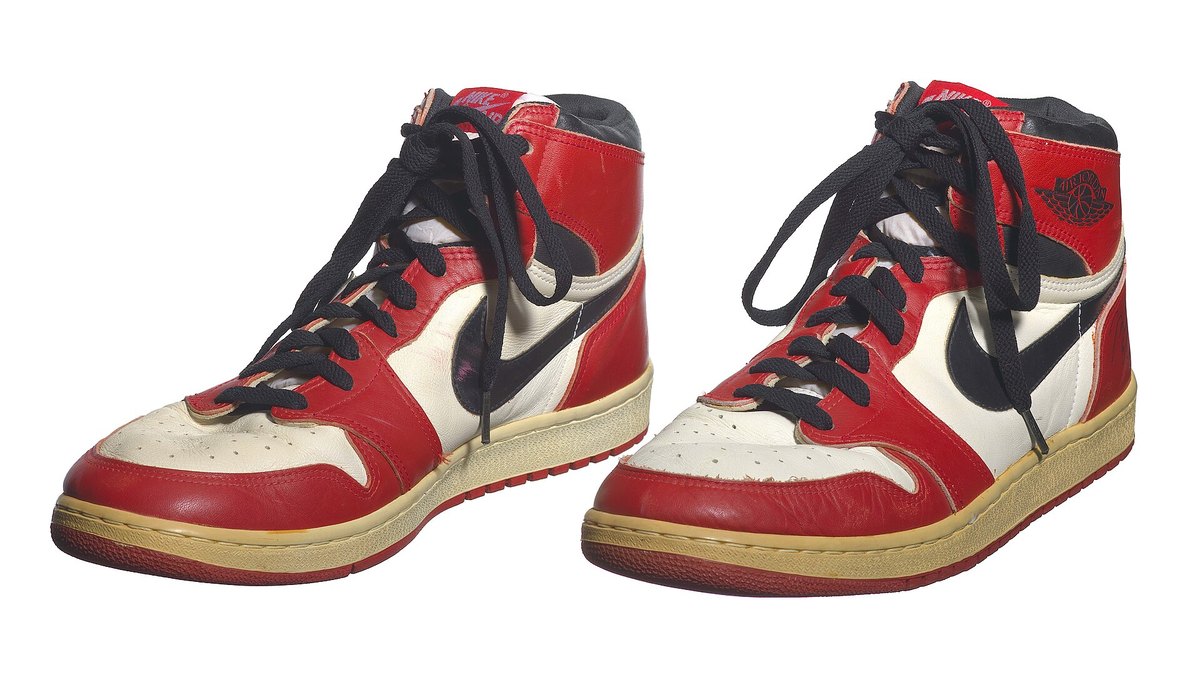
The limits are real. eBay's own terms exclude modified or customized sneakers and signed sneakers from the program, and any item the seller sends directly to the buyer. A pass is a marketplace's judgment, not a guarantee that no fake ever gets through, as the next section shows.
Fakes and disputes
The best-documented case is Nike v. StockX in federal court in New York. Decrypt reported that in March 2025 Judge Valerie Caproni granted Nike partial summary judgment, finding StockX liable for distributing counterfeit goods tied to four pairs sold to Nike's investigators and 33 pairs sold to a customer. The case also covered StockX's Vault NFTs. The parties settled in late August 2025, ahead of a jury trial, with all claims dismissed with prejudice. The terms are confidential.
The case does not show how common fakes are on any platform. It shows that a platform's checks can miss counterfeits, and that brands will test them.
Market size: who says what
No agency publishes official totals for this market. The numbers come from research firms, which often do not explain how they count. Treat each as one firm's estimate.
- DataM Intelligence, press release May 25, 2026Global sneaker resale market of $10.6 billion in 2025 and a forecast of $27.74 billion by 2035, a 10.1% annual growth rate for 2026 to 2035. The page does not describe its research method (DataM Intelligence).
- PLOTT DATA, published Dec. 24, 2025An estimated $6 to 8 billion in gross merchandise value in 2024, of which the United States is $3.5 to 4.5 billion. It says it analyzed more than 2 million resale listings over 24 months, but does not explain how the totals were derived from them. PLOTT DATA sells marketplace data, so the page is its own marketing content (PLOTT DATA).
What this does and does not tell you
This page explains how pairs move from sellers to buyers and who checks them. It does not predict what any pair will sell for, rank pairs to buy or recommend that anyone buy or sell. Sneakers can lose value, and fees, shipping and rejected pairs reduce what a seller keeps.
Questions people ask
Who authenticates sneakers on resale marketplaces?
The marketplace does. StockX asks sellers to ship sold pairs to its Verification Center (StockX), and eBay sends eligible sneakers to an authentication facility before delivery (eBay).
What does it cost to sell sneakers on StockX?
A 3% payment processing fee plus a transaction fee of 9% at Level 1, down to 7% at Level 5, with a $5.00 minimum in the United States (StockX help).
What does GOAT charge sellers?
A 9.5% commission for a seller in good standing, plus a seller fee, and a 2.9% fee to cash out by ACH or PayPal (GOAT fee policy).
How big is the sneaker resale market?
Estimates differ. DataM Intelligence puts it at $10.6 billion in 2025, while PLOTT DATA estimates $6 to 8 billion in 2024. Neither is an official figure.
Is this investment advice?
No. It explains how the market is organized and does not recommend buying or selling or predict what anything will be worth.
Sources
- StockX: seller levels and fees · Seller level table, authentication step
- StockX Help: fees for sellers · Processing fee, minimum fee
- Wikipedia: StockX · History, facilities, counterfeit handling
- GOAT fee policy · Commission, seller fee, cash out fee
- GOAT Support: commissions · Base commission
- eBay seller fees · Sneaker final value fee
- eBay Authenticity Guarantee · Program description
- eBay Help: buying with Authenticity Guarantee · Inspection process and sneaker terms
- Retail Dive: Foot Locker invests in GOAT Group (Feb. 7, 2019) · GOAT and Flight Club ownership
- PR Newswire: Flight Club returns to Fairfax Avenue · Los Angeles store reopening
- TechCrunch: Farfetch buys Stadium Goods (Dec. 12, 2018) · Acquisition price
- Wikipedia: Farfetch · Coupang ownership
- Hypebeast: Stadium Goods closes New York store · Store closure, January 2025
- Decrypt: Nike and StockX settle (Sep. 1, 2025) · Counterfeit ruling and settlement
- DataM Intelligence press release (May 25, 2026) · Market estimate
- PLOTT DATA: sneaker resale market report (Dec. 24, 2025) · Market estimate
General information only, not investment advice. Fees, ownership and policies change; confirm on the original pages before acting.
Top photo: HI 622 / CC BY-SA 4.0 via Wikimedia Commons