Should You Open or Buy a Circle K Franchise in 2027?
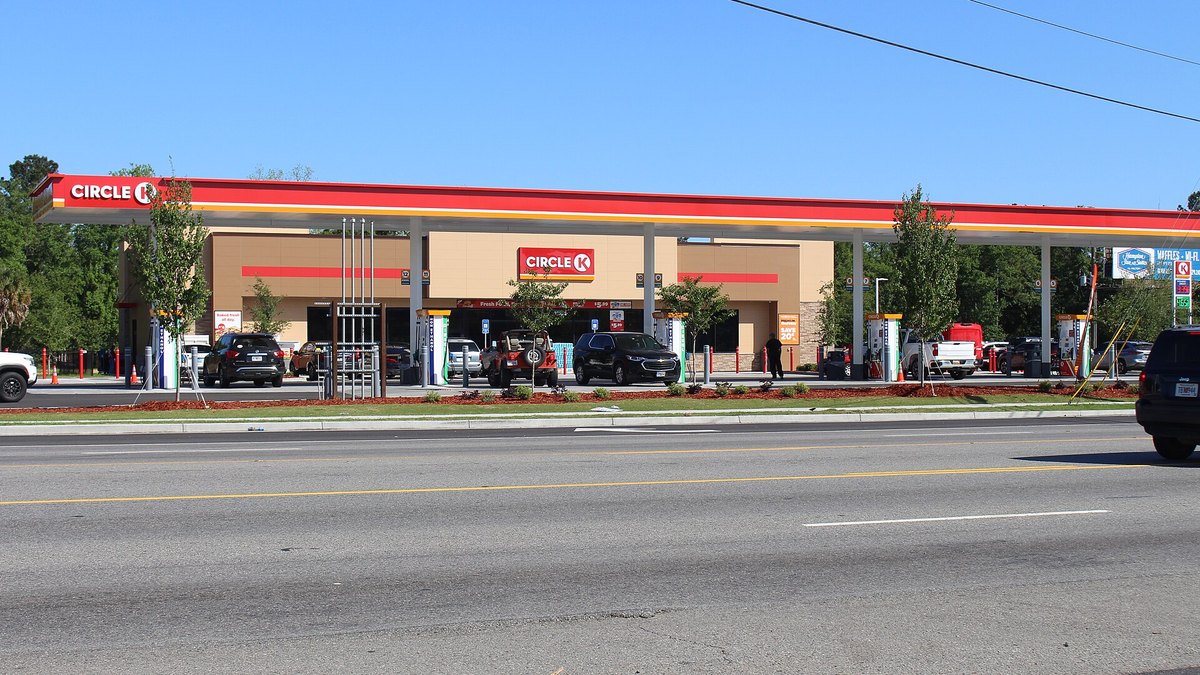
Circle K's own franchise site gives two investment ranges: $268,500 to $3,029,500 to convert an existing store and $1,383,500 to $4,846,500 for a newly constructed one (Circle K franchise site, read October 30, 2026). A typical single-store agreement asks for a net worth of $1,000,000, including $100,000 in liquid assets, excluding project costs, and the initial term is 10 years from opening (Circle K FAQ).
The site names four ways in: convert your existing location, purchase a company-operated Circle K store, build on land you own or lease, or develop on a property Circle K helps you find. What it does not publish is the franchise fee, royalty or promotion fee. It says only that those are based on accepted funding, brand, and other conditions, and it also says it cannot project how your store will perform. You get the Franchise Disclosure Document (FDD) in step 2 of its process, so ask for it first.
Our advice, not a finding: converting a store you already control is the lowest-cost entry in the published ranges, while a ground-up build is the highest. Do not decide until you have read Items 5 to 7 and Item 19 of the FDD and talked to current franchisees. This is not financial advice.
The four ways to open or buy a Circle K
Circle K's franchise site lists four store types. Which one fits depends on whether you already own a site, and the agreement type is a separate choice: a single-site agreement is described as the most common and suits converting an existing store or building a new one, while a multi-site agreement is aimed at candidates with a network of retail locations or existing franchisees adding sites (How It Works).
- Convert. "Rebrand your existing location," per the site. You keep the real estate and business and move it under the Circle K brand.
- Purchase. Buy a designated company-operated Circle K location from Circle K. This is the closest thing the site describes to buying an existing Circle K store; it is a sale by the company, not a resale by another franchisee.
- Build. Build a new store on real estate you own or lease.
- Develop. Develop a new store on property Circle K helps you find.
The site's Why Circle K page adds that custom store designs are offered for ground-up or conversion sites that follow brand standards, with negotiated pricing on equipment, fixtures and signage (Why Circle K). Our advice: if you are looking at buying a store from another franchisee, the pages we read do not describe a resale process, so ask Circle K directly how a transfer works before you commit.
What the published numbers say
These are the only investment figures we found on Circle K's own pages. They come from a footnote on the How It Works page, which says the investment covers the total investment necessary to begin operation. Circle K's franchise site shows a 2026 copyright and gives no other date, and we read it on October 30, 2026.
- Convert an existing store (Circle K, How It Works)$268,500 to $3,029,500
- Newly constructed store (Circle K, How It Works)$1,383,500 to $4,846,500
- Net worth for a typical single-store agreement (Circle K FAQ)$1,000,000, including $100,000 in liquid assets, excluding project costs
- Initial agreement term (Circle K FAQ)10 years from the store opening date
- Franchise fee, royalty and promotion feeNot published; the FAQ says they are based on accepted funding, brand, and other conditions
The ranges are wide, and the site does not break them down. It also says minimum qualifiers "may vary substantially" for your situation. Because no royalty or franchise fee is published, you cannot compare Circle K with another brand on ongoing cost until you have the FDD. We did not use any figures from third-party franchise directories, since we could not tie them to a fetched FDD.
Fuel supply and licensing: what Circle K says
Fuel is a large part of what a Circle K site does, so the supply terms matter. Circle K's pages describe a fuel program but not the commercial terms. The How It Works page mentions a fuel purchasing alliance with Musket, a subsidiary of Love's, for supply and logistics, plus turnkey fuel inventory management. The Why Circle K page describes a Circle K branded fuel program with inventory management, ordering, fleet growth initiatives and stable supply (How It Works, Why Circle K).
What the pages do not say: fuel margins, whether you must buy fuel from a named supplier, who owns the fuel inventory, and how fuel pricing is set. Those are exactly the questions to put to a franchise development manager and to check in the FDD. They matter most if you are converting an existing fuel site that already has a supply contract, because the page does not explain how an existing contract is handled.
Licensing is a different thing from franchising here. Couche-Tard's corporate site, the parent company, lists 2,704 stores under licensing agreements in 12 countries and territories, separate from its 7,301 U.S. stores and 2,055 Canadian stores. It does not describe a franchise or dealer model (Couche-Tard corporate site). On the franchise side, Circle K says it offers franchises throughout the U.S. and Canada and master licenses internationally, seeking master license applicants capable of developing 100 stores or more outside the U.S. and Canada (FAQ, How It Works). A U.S. or Canadian owner-operator is therefore dealing with a franchise agreement, not a master license.
- Couche-Tard stores in the United States (corporate site)7,301
- Couche-Tard stores in Canada (corporate site)2,055
- Stores under licensing agreements (corporate site)2,704 in 12 countries and territories
- Total Couche-Tard stores (corporate site)About 17,300 in 27 countries and territories
How the process works, and the FDD
Circle K describes five steps (Process page): contact the company; speak with a franchise development manager and receive the FDD; complete an application and, if approved, receive a Franchise Agreement for your site; design and construction after you sign; then open. The FAQ says qualification typically takes less than 6 months, though construction scope can extend the timeline.
The Federal Trade Commission explains why the FDD step matters. You must receive the FDD at least 14 days before you are asked to sign any contract or pay any money to the franchisor or its affiliate (FTC consumer guide, September 2020). The FTC's May 24, 2023 business blog says the FDD has 23 required items (FTC).
- Items 5 to 7. Startup and operating costs, including franchise fees, initial inventory, equipment, royalties and advertising fees, per the FTC blog. This is where Circle K's unpublished fees will appear.
- Item 3. Litigation history.
- Item 19. Claims the franchisor chooses to make about the sales or earnings of its franchises. The FTC says no other financial performance claim may be made if it is not in Item 19, so treat any earnings number you hear outside it as a red flag.
- Item 20. Charts of system growth and owner turnover, with contact information for current franchisees and those who left in the last fiscal year.
- Item 21. The franchisor's three most recent audited annual financial statements. The FTC suggests having an accountant review them.
Some states regulate the offer and sale of franchises, and Circle K's pages carry a notice that they are not an offer to sell a franchise. We did not find the FDD itself or a published summary of it, so every fee in this article is limited to what Circle K's site states.
Who each path suits (our advice)
This section is our own judgment, not a finding from the sources above.
- Convert, if you already control a site. You already carry the real estate. The published range for conversion starts far below a ground-up build, but its top end is above $3 million, so the spread depends on what your site needs. Get the cost estimate in Item 7 for your own situation.
- Build, if you own or lease land and have capital. The published range is the highest because you are paying for construction. The question is whether the location will support a brand store; Circle K cannot project that for you.
- Develop, if you have capital but no site. Circle K helps find the property, which saves search time. Ask what control you have over the site choice and what happens if it underperforms.
- Purchase, if you want an operating store. You buy a company-operated store rather than start from nothing. Ask for that store's sales history and check what a franchisee keeps after fees, because the fees are not published.
- Independent store operator, if you have no site and little capital. The Canada page mentions a separate Independent Store Operator business opportunity for applicants without a site, and says the franchise team does not run it. We found no terms for it, so ask the contact it lists.
Questions to ask before you sign
- Get the FDD early and use the 14 days. Do not sign or pay anything inside that window. If the franchisor rushes you, the FTC lists that as a warning sign.
- Ask for the fees in writing. Franchise fee, royalty and promotion fee are the three numbers Circle K does not publish.
- Talk to current and former franchisees. The FTC says this may be the most reliable way to verify the franchisor's claims. Item 20 lists them.
- Check fuel terms. Ask who supplies fuel, how pricing is set, and what happens to an existing supply contract if you convert.
- Hire a franchise attorney and an accountant. The FTC advises a lawyer experienced in franchise matters and an accountant to review the Item 21 statements.
Compare this with another convenience-store model before you decide. Our guide to whether to open or buy a 7-Eleven franchise covers a different structure.
Questions people ask
How much does a Circle K franchise cost?
Circle K's franchise site lists $268,500 to $3,029,500 to convert an existing store and $1,383,500 to $4,846,500 for a newly constructed one, as the total investment necessary to begin operation (Circle K). The franchise fee, royalty and promotion fee are not published; the FAQ says they are based on accepted funding, brand, and other conditions.
What is the Circle K franchise royalty?
Not published on the pages we read. Circle K's FAQ gives no royalty rate or amount, so request the FDD, which the process page says you receive in step 2 (FAQ, Process).
Can I convert my existing store or gas station to Circle K?
Yes, conversion is one of four store types: "Rebrand your existing location." The other three are purchasing a company-operated store, building on real estate you own or lease, and developing on property Circle K helps you find (Circle K).
What net worth do you need?
A typical single-store agreement requires a net worth of $1,000,000, including $100,000 in liquid assets, excluding project costs (Circle K FAQ). The site says minimum qualifiers may vary substantially based on your situation.
When must I receive the FDD?
At least 14 days before you are asked to sign any contract or pay any money to the franchisor or its affiliate (FTC).
How long is the Circle K franchise agreement?
The FAQ gives an initial term of 10 years from the store opening date (Circle K FAQ).
Sources
- Circle K franchise site: How It Works (read October 30, 2026) · Investment ranges, store types, agreement models, fuel
- Circle K franchise site: FAQ (read October 30, 2026) · Fees statement, net worth, term, qualification time
- Circle K franchise site: Process (read October 30, 2026) · Five steps and when the FDD is provided
- Circle K franchise site: Why Circle K (read October 30, 2026) · Fuel program, design, equipment, state notice
- Circle K franchise site: Canada (read October 30, 2026) · Canadian franchisor and Independent Store Operator option
- Couche-Tard corporate site (read October 30, 2026) · Store counts and licensing agreements
- FTC: A Consumer's Guide to Buying a Franchise (September 2020) · 14-day rule, Items 19, 20, 21
- FTC Business Blog: Franchise Fundamentals (May 24, 2023) · 23 FDD items, Items 3 and 5 to 7
Figures were read from the linked pages on October 30, 2026. The Circle K pages are marketing pages, not the FDD; franchise fee, royalty and promotion fee are not published there. Anything labeled as our advice is our own judgment. This is not legal, tax or financial advice.
Top photo: Michael Rivera / CC BY-SA 4.0 via Wikimedia Commons