How do you start a content creation business in 2027?
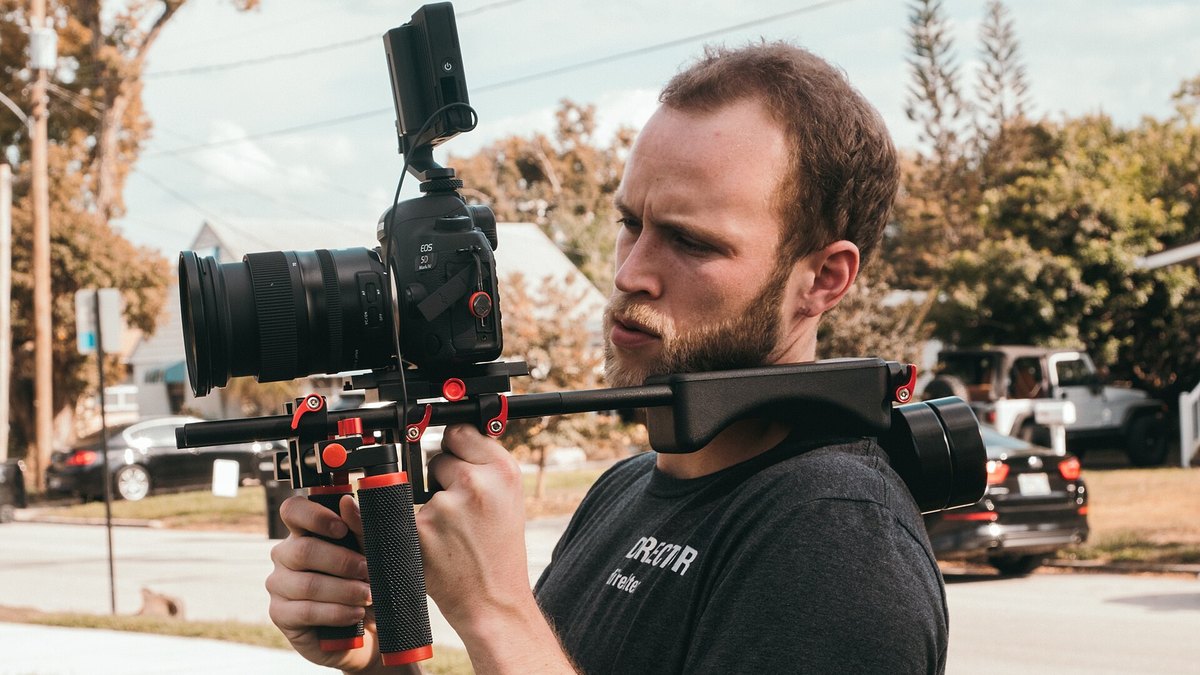
You start a content creation business the same way you start any small business, with a creator-shaped twist: pick a niche and check the competition, choose a legal structure, handle self-employment taxes, publish where you can earn, and disclose every sponsorship.
The U.S. Small Business Administration's startup guide lists market research and competitive analysis first, then a business plan, startup costs, a business structure, a name, registration, tax ID numbers, licenses, a business bank account and insurance. The creator-specific rules sit on top: YouTube sets its own monetization thresholds, and the FTC requires you to disclose brand relationships.
This page gives no income promises. No source read here states what a new creator earns, so none is quoted.
Choose a niche and study the competition
The SBA's market research page says market research helps you find customers and competitive analysis helps you make your business unique. For a creator, the customers are your future audience and the competitors are the channels, newsletters and podcasts already covering your topic.
The same page separates two kinds of research. Existing sources save time and suit general questions such as industry trends and demographics. Direct research, such as surveys, questionnaires, focus groups or in-depth interviews, gives a more nuanced view of your audience but can be time-consuming and expensive. A cheap version for a new creator is to interview a handful of people who match the audience you want.
Set up the business side
The SBA's 10 steps to start your business groups the work into planning (market research, a business plan, startup costs, business credit, funding) and launching (location, structure, name, registration, federal and state tax ID numbers, licenses and permits, a business bank account, insurance). Most of it applies to a creator working from home.
- Pick a structure. The SBA's business structure page says a sole proprietor can be held personally liable for the debts and obligations of the business, while LLCs protect you from personal liability in most instances. Ask an accountant or attorney which fits your state and income.
- Open a separate business bank account. It is one of the SBA's launch steps and keeps sponsorship and platform payouts apart from personal money.
- Get your tax IDs, licenses and insurance. These are also on the SBA's list; requirements depend on your state and city, so check the SBA page and your local government.
Plan for taxes
- Self-employment tax rate15.3% (12.4% Social Security plus 2.9% Medicare)
- Who owes itNet self-employment earnings of $400 or more
- Estimated tax paymentsGenerally required if you expect to owe $1,000 or more
These figures come from the IRS pages on self-employment tax and estimated taxes. The estimated-taxes page says the year is divided into four payment periods, each with its own due date. Setting money aside early is a habit worth building. This is general information, not tax advice.
Publish where you can get paid
Platforms set their own thresholds. For YouTube, the Partner Program page lists two routes to eligibility: 1,000 subscribers and 4,000 qualified watch hours in the last 12 months, or 1,000 subscribers and 10 million qualified Shorts views in the last 90 days. Only public long-form watch hours and public Shorts feed views count.
Meeting a threshold does not guarantee acceptance. The page also requires that the channel follows the monetization policies, has no active Community Guidelines strikes, has 2-Step Verification on and links an active AdSense account. It says reviews typically take about one month.
Ad revenue is only one stream. Sponsorships, memberships and selling your own products are common additions, but no source read for this page gives typical amounts for them, so none are quoted. Check each platform's own help pages for its rules and fees.
Disclose sponsorships from day one
The FTC's Disclosures 101 for social media influencers says to disclose when you have any financial, employment, personal or family relationship with a brand, even if you think your evaluations are unbiased. Free or discounted products count as a financial tie.
- Place it with the endorsement. The FTC says the disclosure should be placed with the endorsement message itself and be hard to miss.
- Use plain words. Terms such as "ad," "advertisement" or "sponsored" are acceptable.
- Do not pass the job on. The FTC says making the disclosure is your responsibility, not the brand's or the platform's.
A simple first-90-days checklist
- Week 1. Write your niche sentence and list the channels you compete with.
- Weeks 2 to 4. Choose a business structure, open a business bank account and set up a way to track income and expenses.
- Weeks 4 to 12. Publish on a steady schedule, and check the platform thresholds you are aiming for.
- Always. Disclose any brand relationship at the moment you mention the brand, and set money aside for taxes.
For the market picture, see how big the creator economy is and how creators monetize.
Questions people ask
Do I need an LLC to start a content creation business?
Not necessarily. The SBA says a sole proprietor can be held personally liable for the business's debts and obligations, while LLCs protect you from personal liability in most instances, so the choice is about how much risk you want to carry. See the SBA structure page and ask an accountant or attorney.
When can I earn ad revenue on YouTube?
After you meet a Partner Program threshold: 1,000 subscribers plus either 4,000 qualified watch hours in the last 12 months or 10 million qualified Shorts views in the last 90 days, and you are accepted. Reviews typically take about one month.
Do I have to disclose free products from brands?
Yes, if there is a relationship. The FTC says to disclose any financial, employment, personal or family relationship with a brand, and free or discounted products count as financial ties. See the FTC guidance.
How much tax will I pay as a creator?
Self-employment tax is 15.3% (12.4% Social Security plus 2.9% Medicare) on net self-employment earnings of $400 or more, per the IRS. Income tax is separate and depends on your situation; ask a tax professional.
How much does a new content creator earn?
No source read for this page gives a typical figure, so we do not quote one. Earnings depend on the platform, niche, audience and sponsorship deals.
Sources
- YouTube Help: YouTube Partner Program · Eligibility thresholds, requirements and the February 1, 2027 update
- FTC: Disclosures 101 for Social Media Influencers · When and how to disclose brand relationships
- SBA: 10 steps to start your business · Planning and launch steps
- SBA: Choose a business structure · Sole proprietorship and LLC liability
- SBA: Market research and competitive analysis · Existing vs direct research
- IRS: Self-employment tax · 15.3% rate and $400 threshold
- IRS: Estimated taxes · $1,000 expected-tax threshold and four payment periods
- Hero photo: "Videographer-using-DSLR.jpg" by Fvvdge, Wikimedia Commons, CC BY-SA 4.0 · Credit for the photo at the top of this page
Facts were read from the linked pages on November 7, 2026. Platform rules, tax rules and thresholds change, so check each source for current terms. This is general information, not legal or tax advice, and no earnings figures are promised.
Top photo: Fvvdge / CC BY-SA 4.0 via Wikimedia Commons